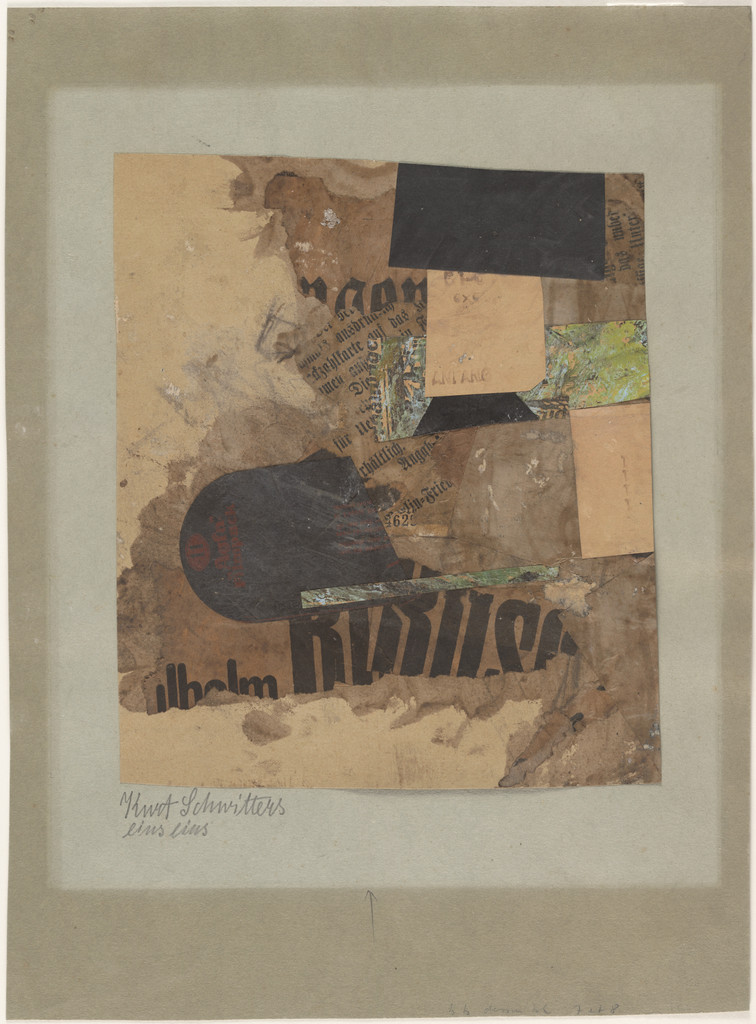
 Kurt SchwittersAlemania, 1887–1948
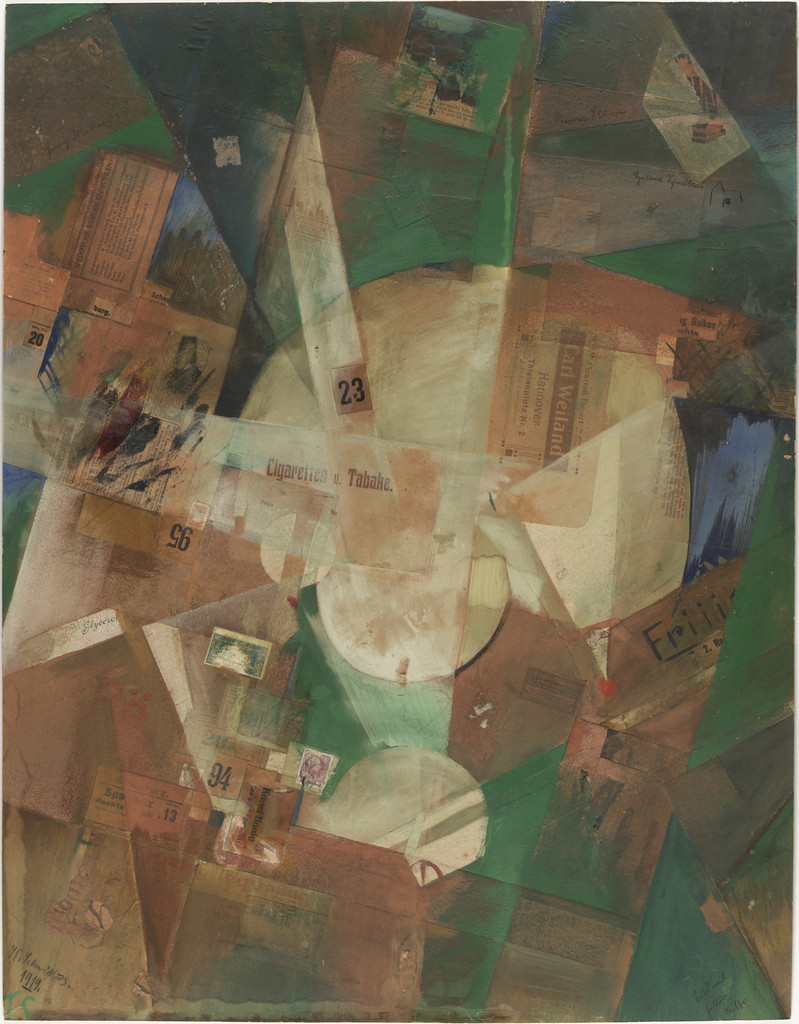
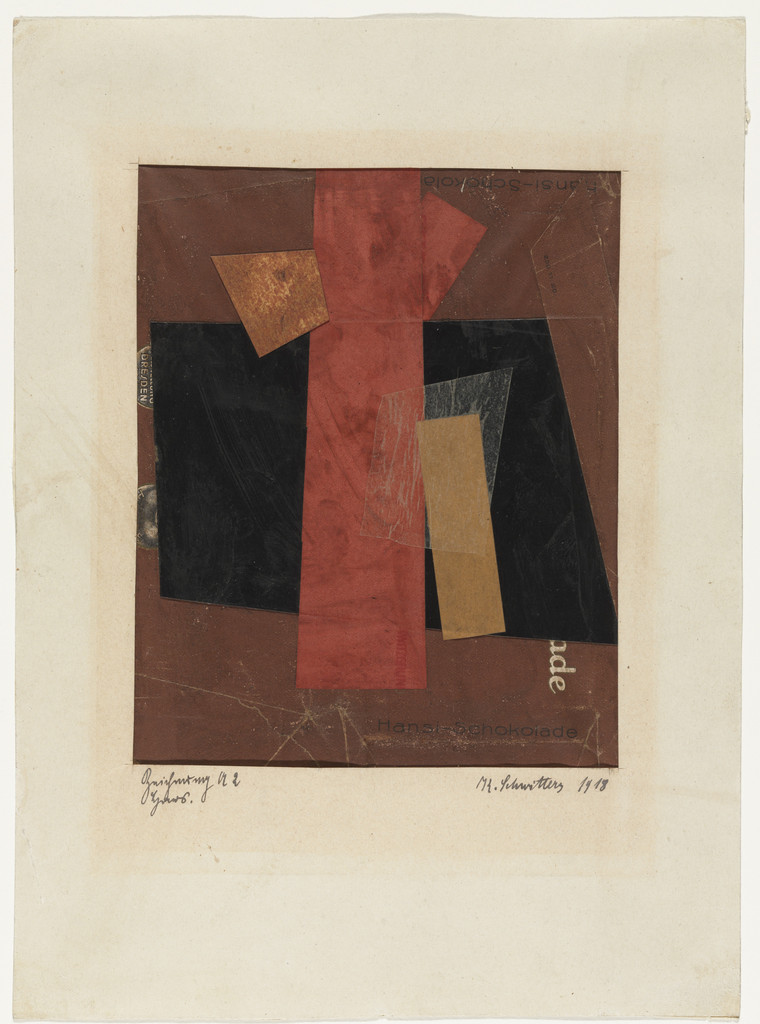
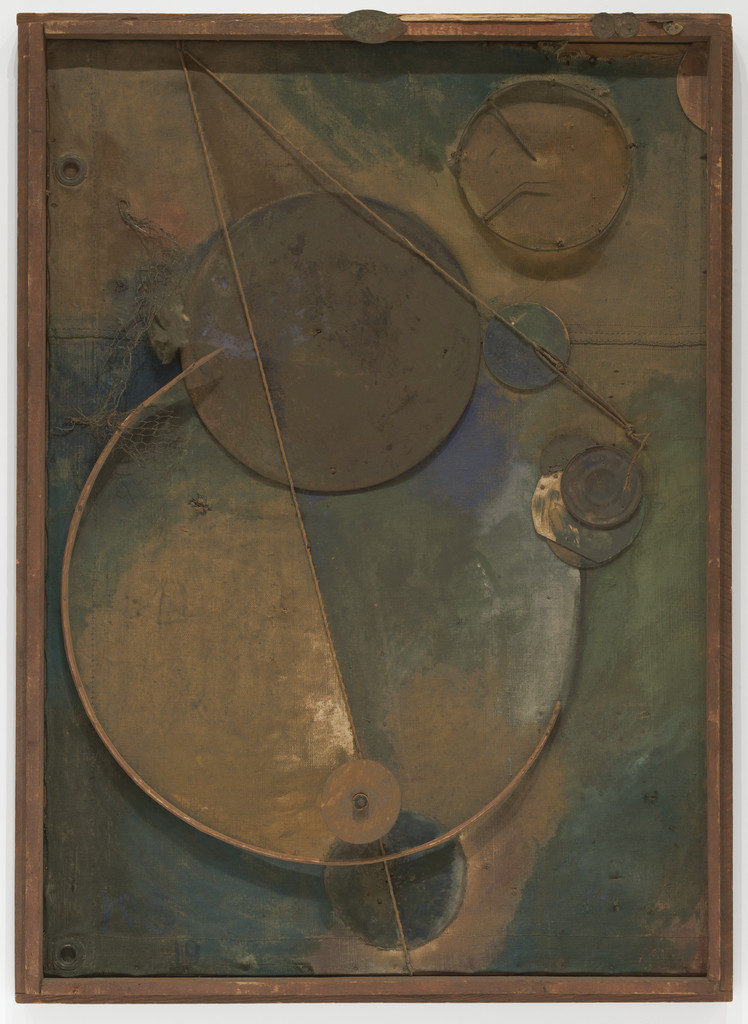
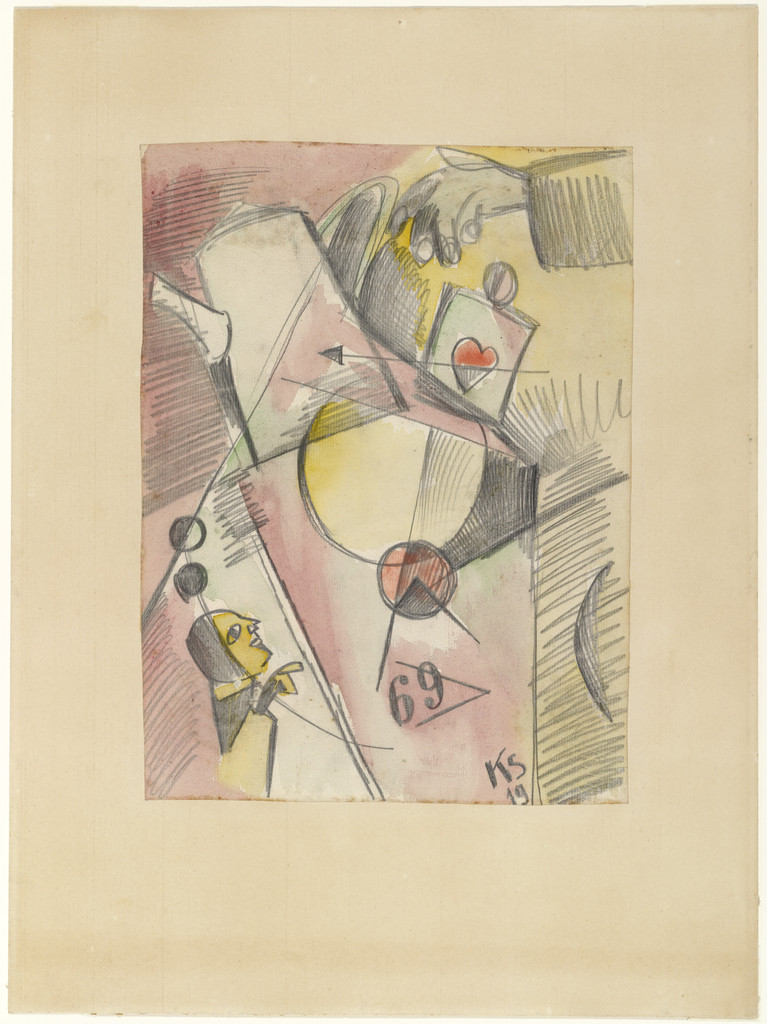
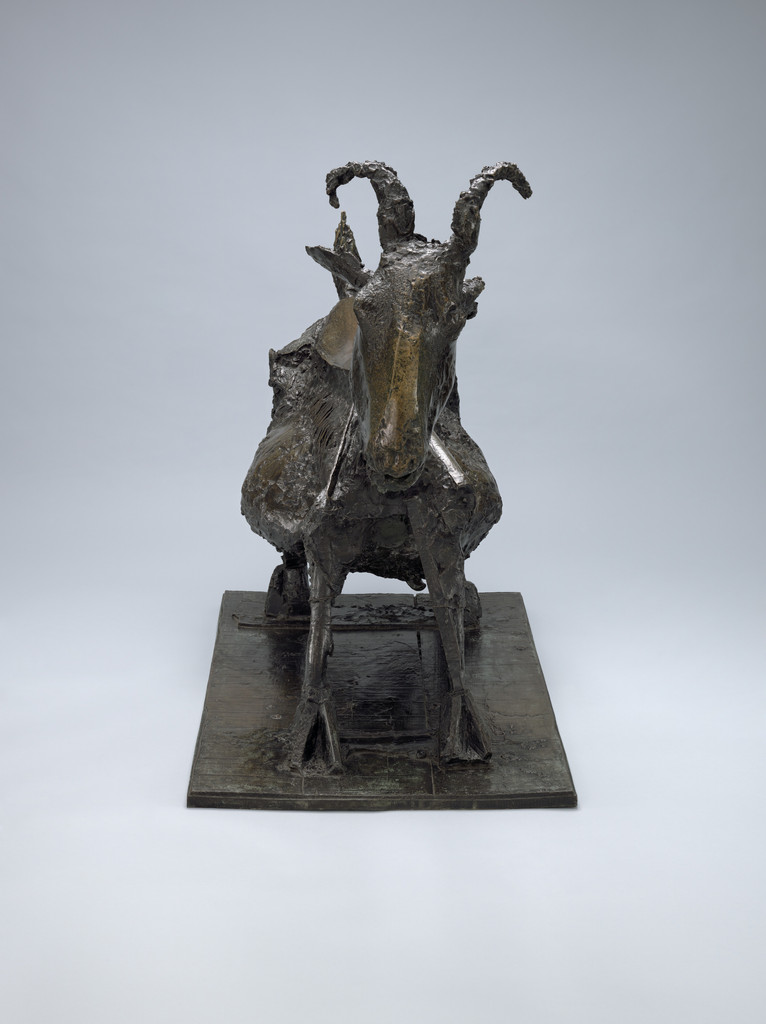
One One (Eins Eins)
¿Se puede contemplar?
Por ahora no recibe

MoMA
Nueva York, Estados Unidos
Pertenece a la colección, pero ahora mismo no está expuesta.
- Comprobado
- hace 12 días
- Fuente
- Los datos de colección del propio museo
Ficha
- Número de inventario
- 322.1980
Fuentes
- MoMA: the museum's own open data · obtenido hace 12 días
- Imagen: MoMA — © the artist or rights holder
Mientras tanto, en la vida de Kurt Schwitters
La vida entera1918
Germany’s collapse transforms his art
Germany’s economic, political and military collapse at the end of the First World War changes his art dramatically: by his own account, what he had learned at the academy was of no use and new things had to be made out of the fragments — this is Merz, like a revolution within him.
February 1918
Hanover Secession show and contact with Walden
After showing Expressionist paintings at the Hanover Secession, Schwitters comes into contact with Herwarth Walden, whose gallery Der Sturm is in Berlin.
June 1918
Two ‘Abstractions’ at the Der Sturm gallery
At Walden’s gallery in Berlin he shows two ‘Abstraktionen’, semi-abstract Expressionist landscapes.
autumn 1918
Meets the Berlin avant-garde
He meets Raoul Hausmann, Hannah Höch and Jean Arp; Hausmann recalled how Schwitters introduced himself at the Café des Westens: ‘I’m a painter,’ he said, ‘and I nail my pictures together.’ He remains close to Höch and Hausmann for the rest of his career.
June 1919
First solo exhibition at Der Sturm
His first solo exhibition opens at the Der Sturm gallery in Berlin in June 1919; together with the poem published that August, it makes him a well-known artist by the end of the year.
August 1919
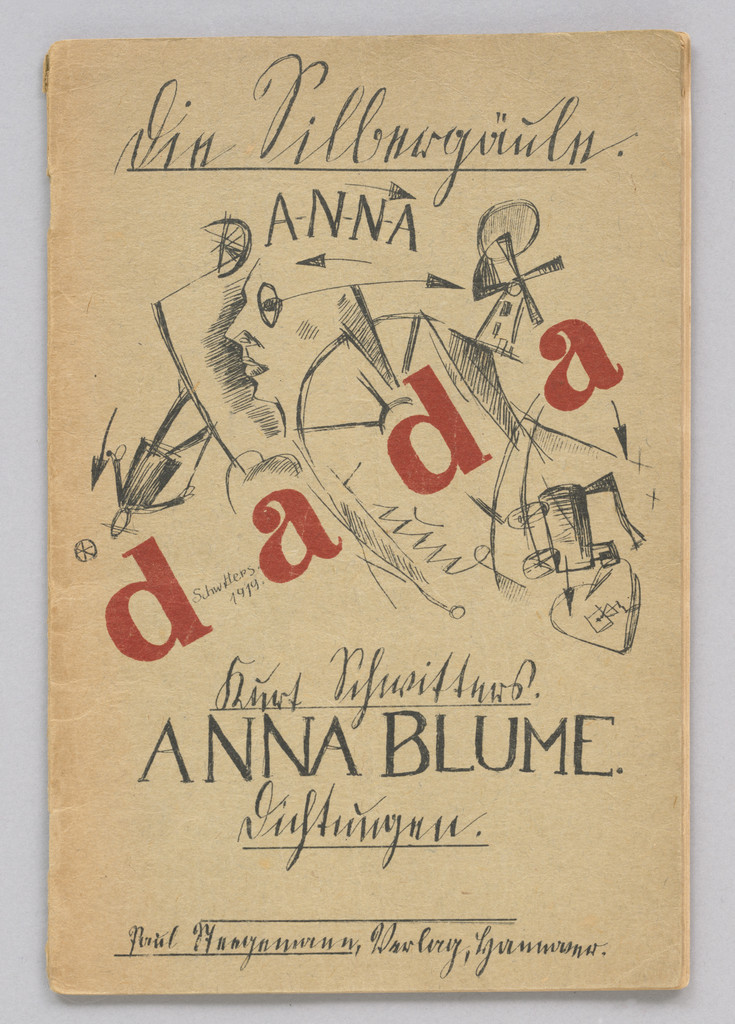
The poem ‘An Anna Blume’ is published
The Dadaist, nonsensical love poem ‘An Anna Blume’ is published in August 1919, with the word ‘Dada’ on its cover.