Jackson PollockEstados Unidos, 1912–1956
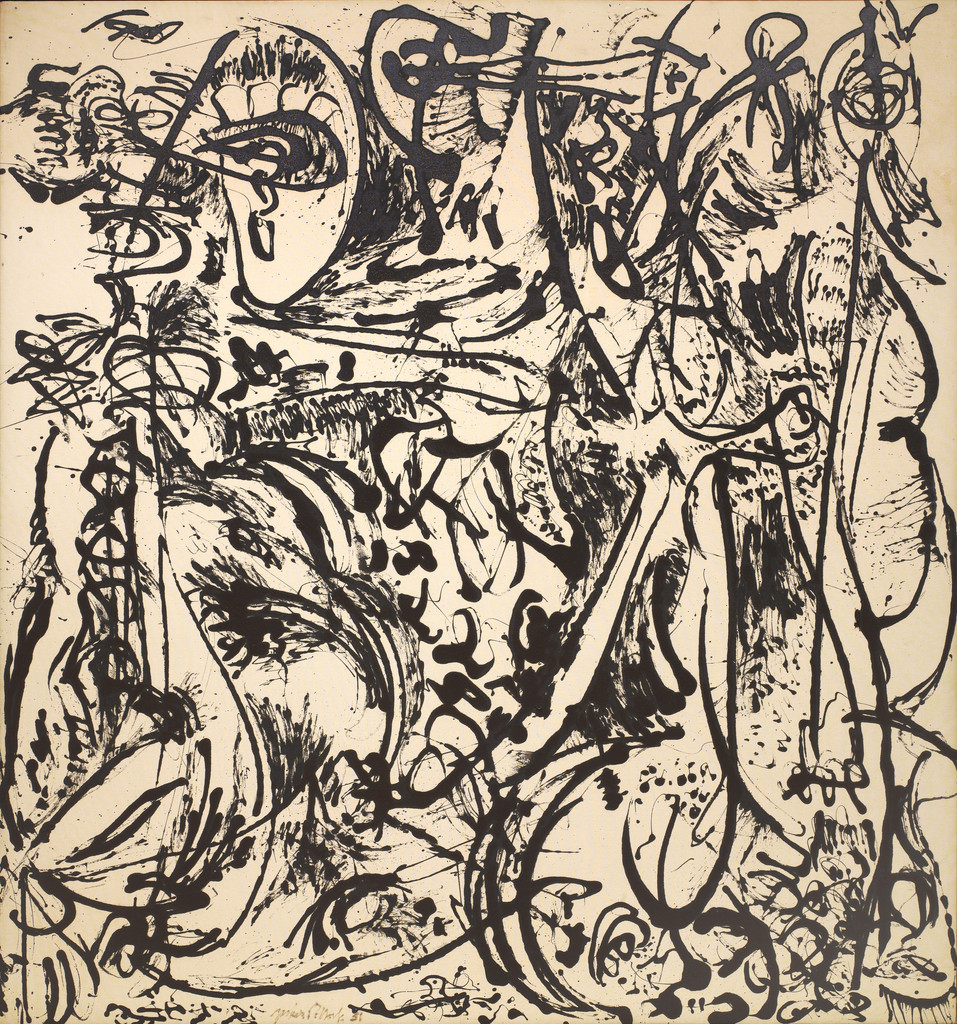
Number 4
¿Puedo verla?
Sí, expuesta ahora
¿Dónde está «Number 4» hoy? Galería de Arte de la Universidad Yale, 3rd floor, Modern and Contemporary Art and Design, New Haven. Sí, expuesta ahora. Comprobado 19 de octubre de 2026.
New Haven, Estados Unidos
Sala3rd floor, Modern and Contemporary Art and Design
Expuesta al público.
- Comprobado
- En este estado desde
- Fuente
- El museo
Ficha
- Número de inventario
- 1980.12.6
En el catálogo
Fuentes
- Galería de Arte de la Universidad Yale
- Imagen: Galería de Arte de la Universidad Yale — Image: Yale University Art Gallery · In Copyright
En la vida de Jackson Pollock
La vida entera1947
The start of “drip painting”
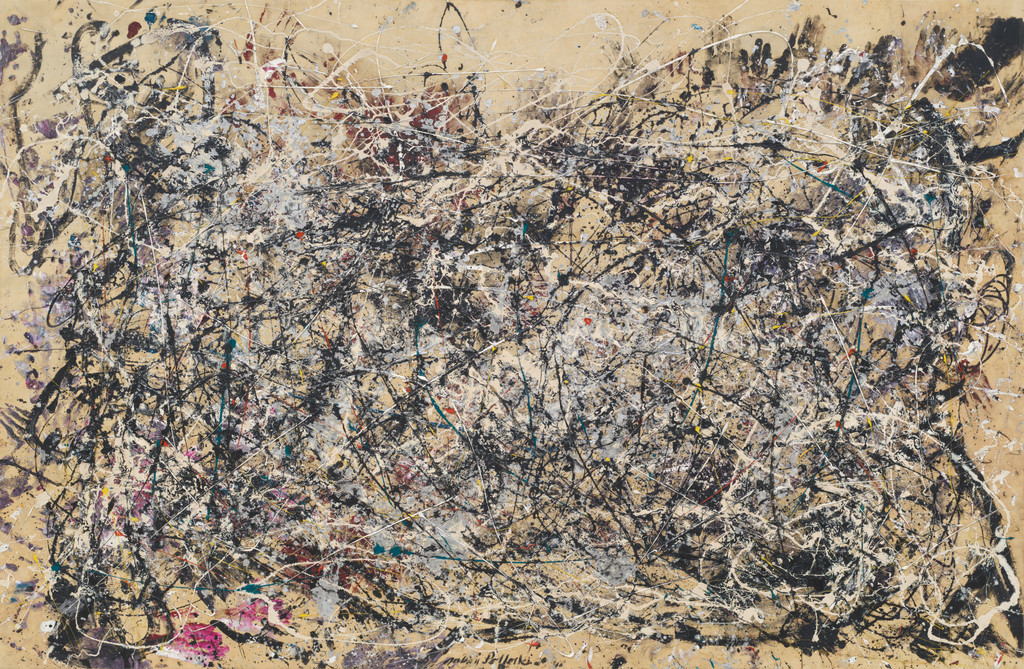
In 1947 Pollock began working on huge canvases laid out on the floor, splashing paint from brushes without touching the surface. He himself preferred the term “pouring technique”.
1948
A sensational show at Betty Parsons
Pollock's 1948 exhibition at the Betty Parsons Gallery was a sensation and a financial success. He was then able to get a larger studio.
8 August 1949
Life asks if he is the greatest living US painter
On 8 August 1949 Life published an article on Pollock under a headline asking whether he was the greatest living painter in the United States.
1950
Hans Namuth photographs and films Pollock at work
In 1950 the young photographer Hans Namuth photographed and filmed Pollock at work. Pollock had promised to start a new painting for the session but said it was already finished — then, as if realising it was not, he flung paint onto the canvas for about half an hour in an almost dancelike movement.
1950
“No. 12, 1949” at the Venice Biennale
Pollock's “No. 12, 1949”, a medium-sized drip painting, was shown in the United States Pavilion at the 1950 Venice Biennale.
after 1951
Abandons the drip style: the “black pourings”
At the peak of his fame Pollock abruptly abandoned the drip style: after 1951 his work grew darker, including a group painted in black on unprimed canvas. These “black pourings” were shown at the Betty Parsons Gallery in New York, and none of them sold.