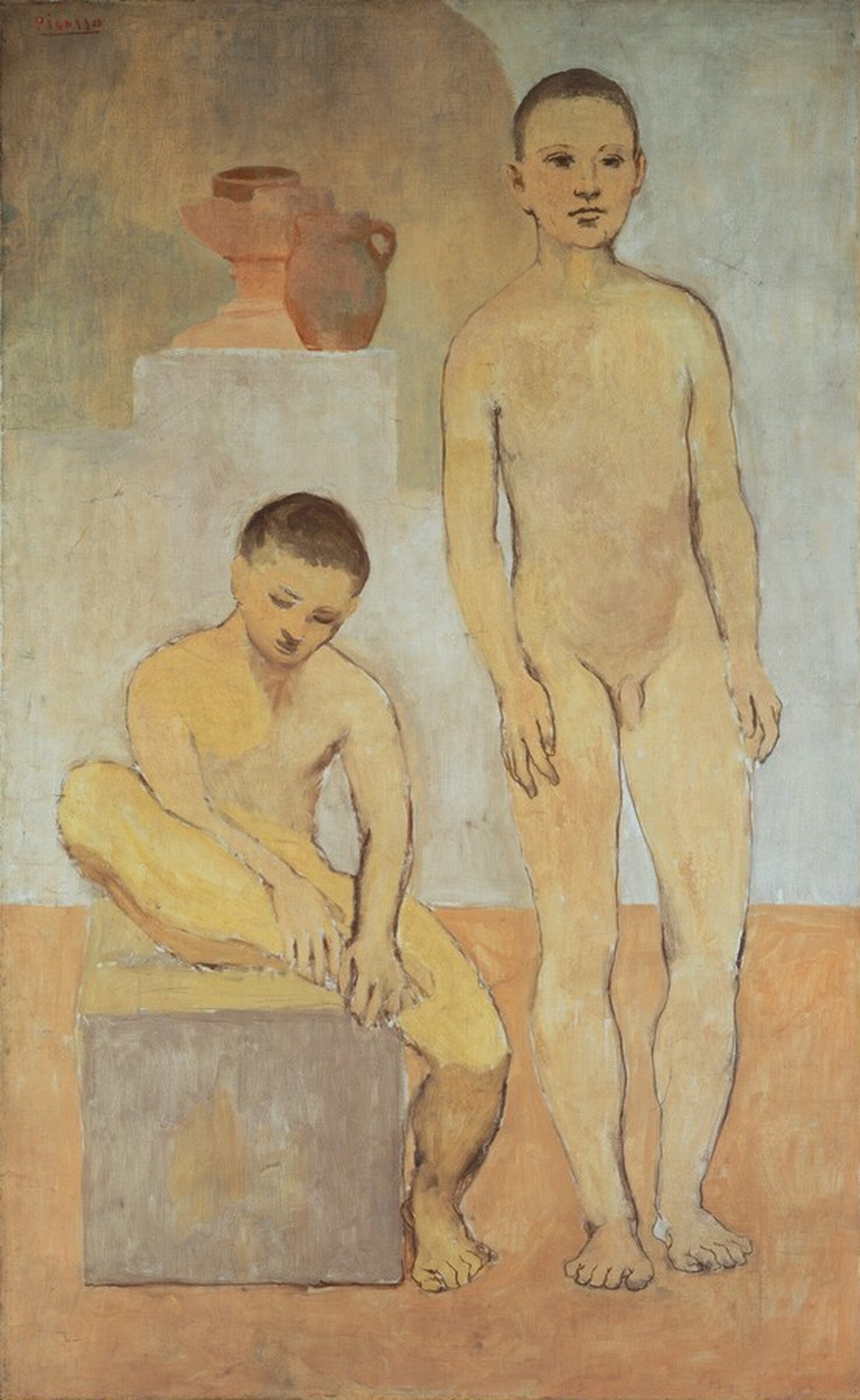
Francis PicabiaFrancia, 1879–1953
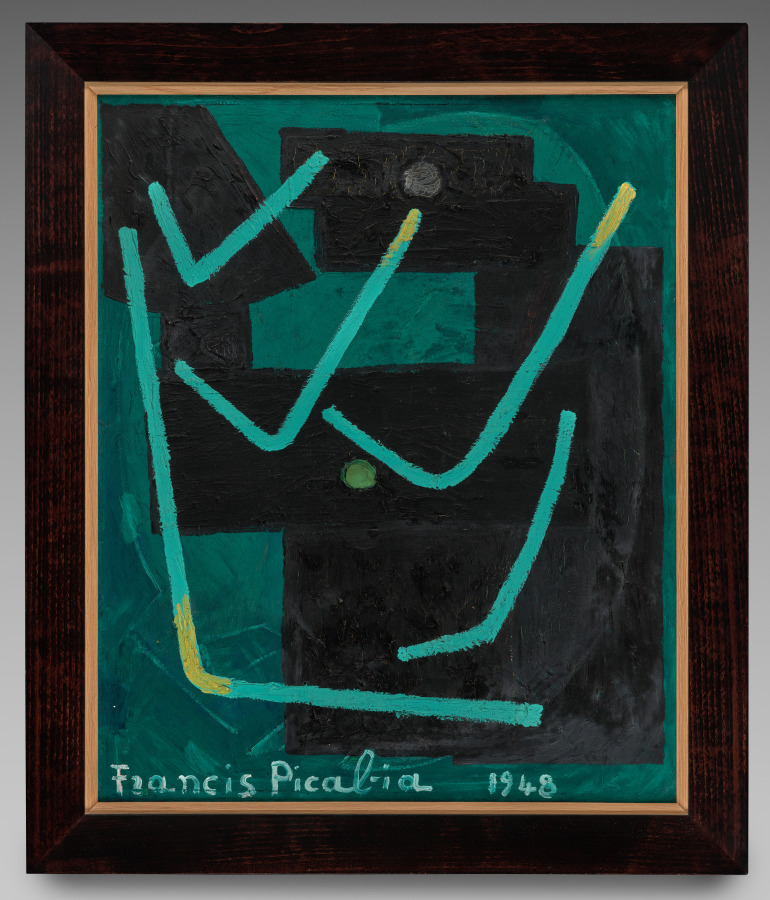
Machine tournez vite (Machine Turn Quickly)
¿Puedo verla?
No expuesta por ahora
¿Dónde está «Machine tournez vite (Machine Turn Quickly)» hoy? Colección: Galería Nacional de Arte, Washington D. C. No expuesta por ahora. Comprobado 29 de septiembre de 2026.

Washington D. C., Estados Unidos
Pertenece a la colección, pero ahora mismo no está expuesta.
- Comprobado
- En este estado desde
- Fuente
- El museo
Ficha
- Número de inventario
- 1989.10.1
Lo que muestra
En el catálogo
Fuentes
- Galería Nacional de Arte
- Imagen: Galería Nacional de Arte — © the artist or rights holder
En la vida de Francis Picabia
La vida entera1915
The start of his “machinist” period
From 1915 Picabia made and exhibited drawings and prints of mysterious machines and apparatuses — “mechanical portraits” inspired by Duchamp's “machine style”; the magazine 291 devoted an entire issue to him, and he met Man Ray.
1915
En route to Cuba, he stays on in New York
In wartime Picabia set out for Cuba to buy molasses for a friend who ran a sugar refinery, but after landing in New York in June 1915 he stayed on to work and did not return to France until the war was over. In these years drugs and alcohol undermined his health: he suffered from dropsy and tachycardia.
1915–1917
Leading New York Dada with Duchamp
Throughout his three years in New York Picabia mixed closely with avant-garde artists and, together with Marcel Duchamp, headed the New York section of the Dada movement.
1916
Founds the Dada magazine 391
In Barcelona, among a small circle of artists who had fled the war (Gleizes, Marie Laurencin, Robert and Sonia Delaunay), Picabia started his magazine 391, modelled on Stieglitz's periodical, and continued it in the United States with Duchamp's help. Other accounts say it was founded in New York and later published in Zürich and Paris until 1924.
c. 1919
Treatment in Zürich and meeting Tzara
While seeking treatment in Zürich for depression and suicidal impulses, Picabia met Tristan Tzara, whose radical ideas thrilled him. Back in Paris with his mistress Germaine Everling, he found himself among the Dadaists — Breton, Éluard, Soupault and Aragon, who met at Certa, a Basque bar.
15 de septiembre de 1919
Son born: Vincent Martinez-Picabia

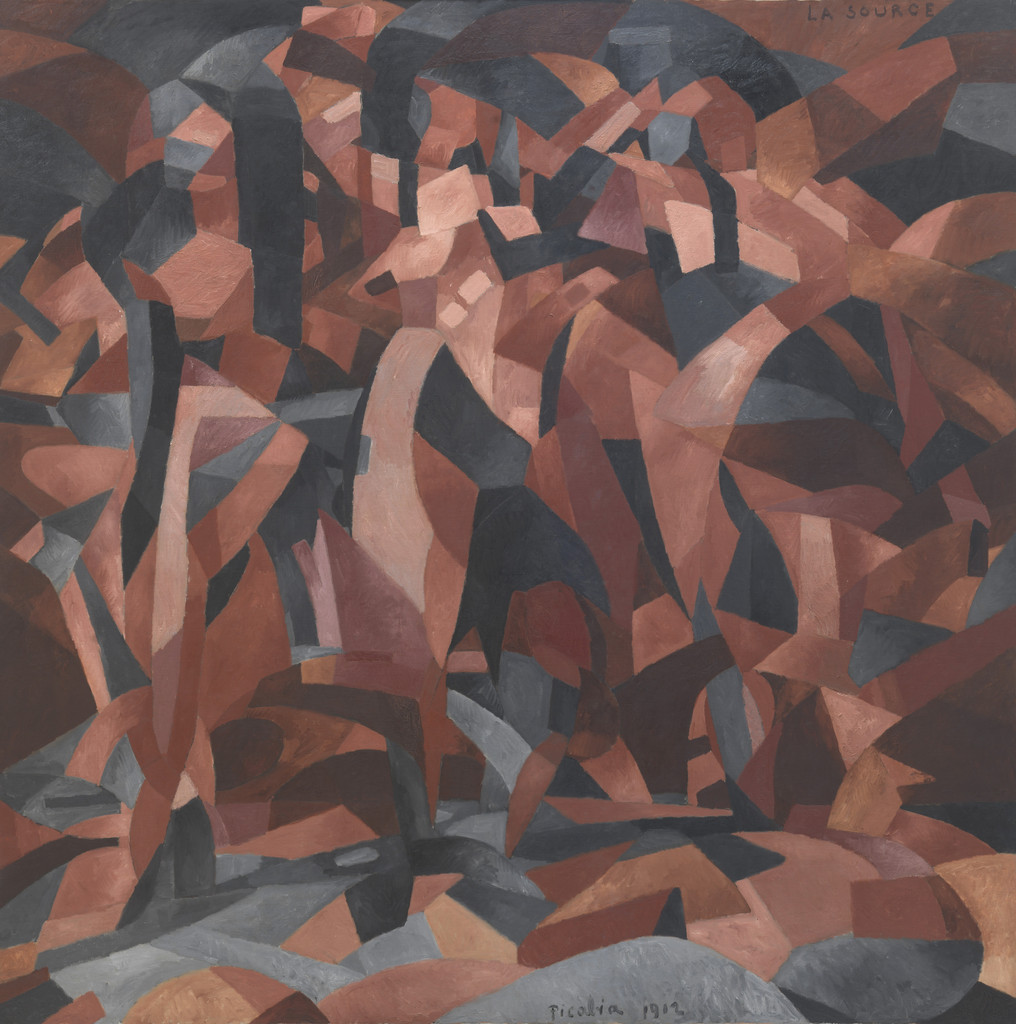
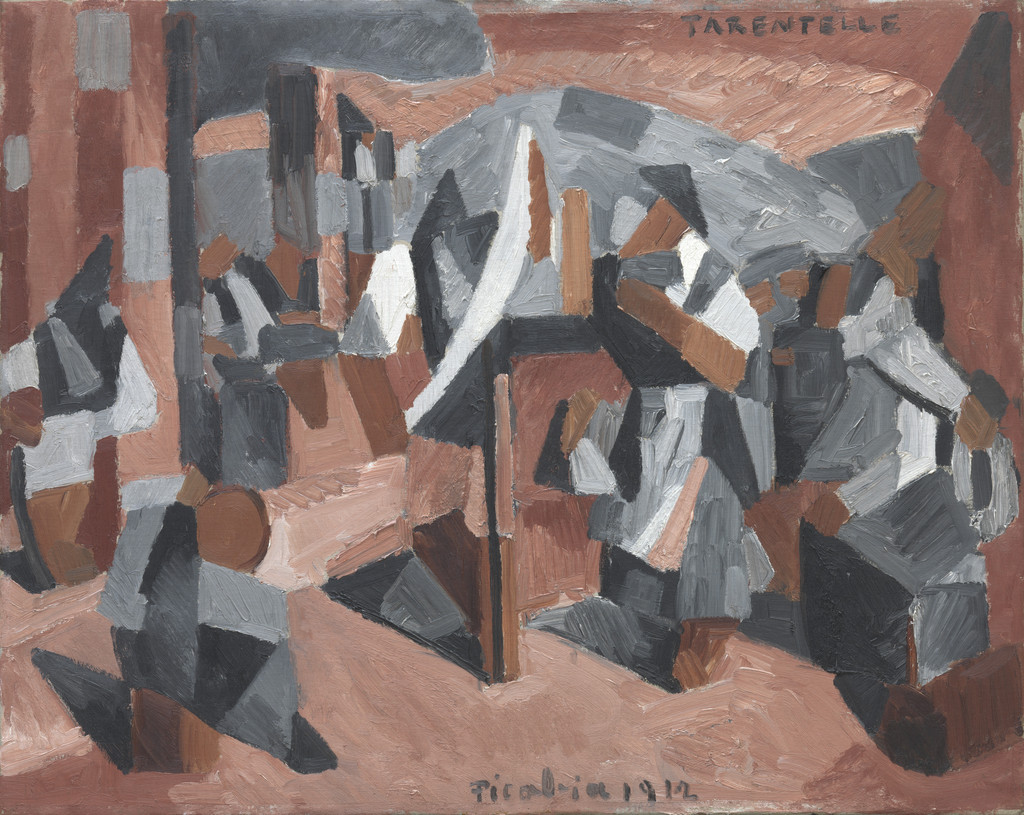
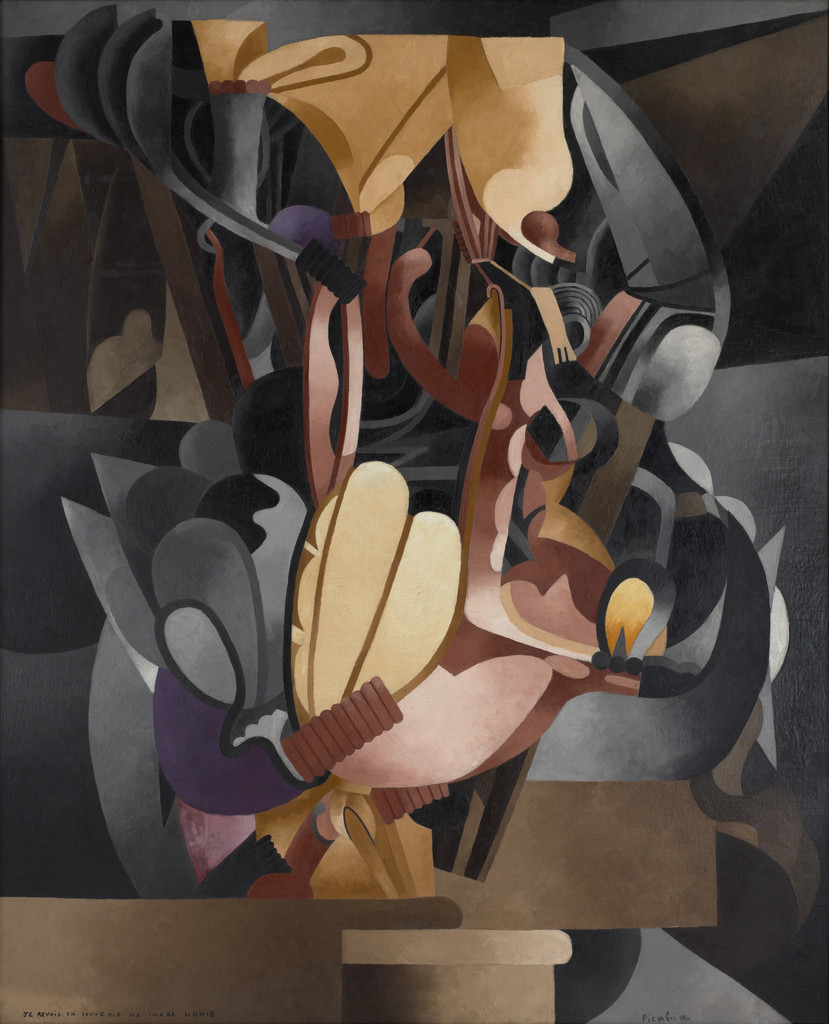


![Ginevra de' Benci [obverse], Leonardo da Vinci, c. 1474/1478](https://api.nga.gov/iiif/8f29e3c9-a289-4d53-abf0-31a66e9e98fa/full/!2400,2400/0/default.jpg)
![Wreath of Laurel, Palm, and Juniper with a Scroll inscribed Virtutem Forma Decorat [reverse], Leonardo da Vinci, c. 1474/1478](https://api.nga.gov/iiif/ff62e8d0-45c4-498f-ad36-6358de827e04/full/!2400,2400/0/default.jpg)