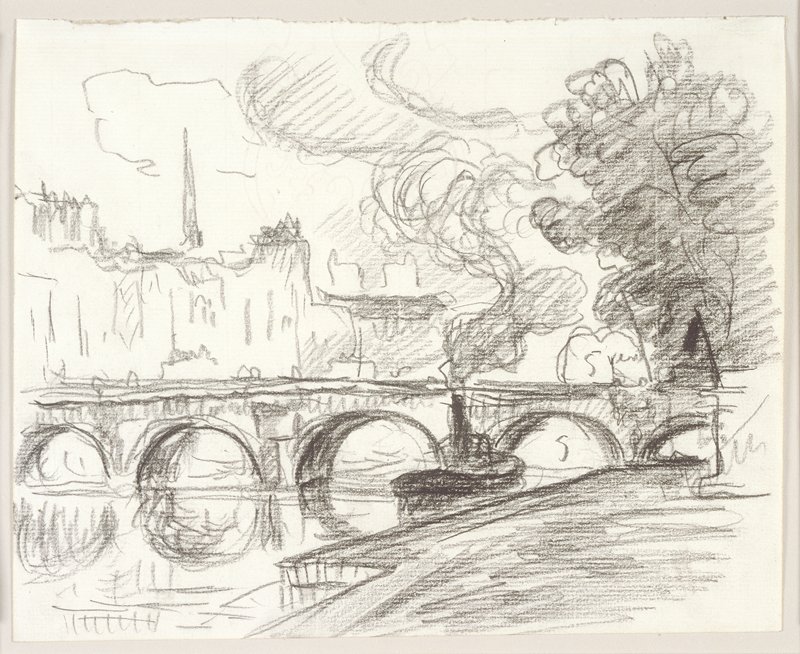
 Paul SignacFrancia, 1863–1935
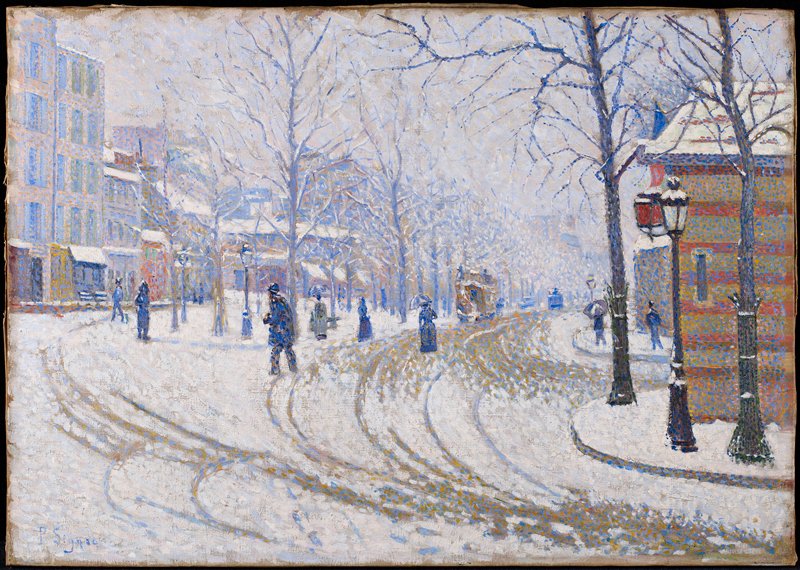
Le Pont Neuf
¿Puedo verla?
No expuesta por ahora
¿Dónde está «Le Pont Neuf» hoy? Colección: Instituto de Artes de Mineápolis, Minneapolis. No expuesta por ahora. Comprobado 29 de septiembre de 2026.

Minneapolis, Estados Unidos
Pertenece a la colección, pero ahora mismo no está expuesta.
- Comprobado
- En este estado desde
- Fuente
- El museo
Ficha
- Número de inventario
- 23.50.48
En el catálogo
Fuentes
- Instituto de Artes de Mineápolis
- Imagen: Instituto de Artes de Mineápolis — public domain
En la vida de Paul Signac
La vida entera11 de noviembre de 1863
Born
1884
Meeting Georges Seurat
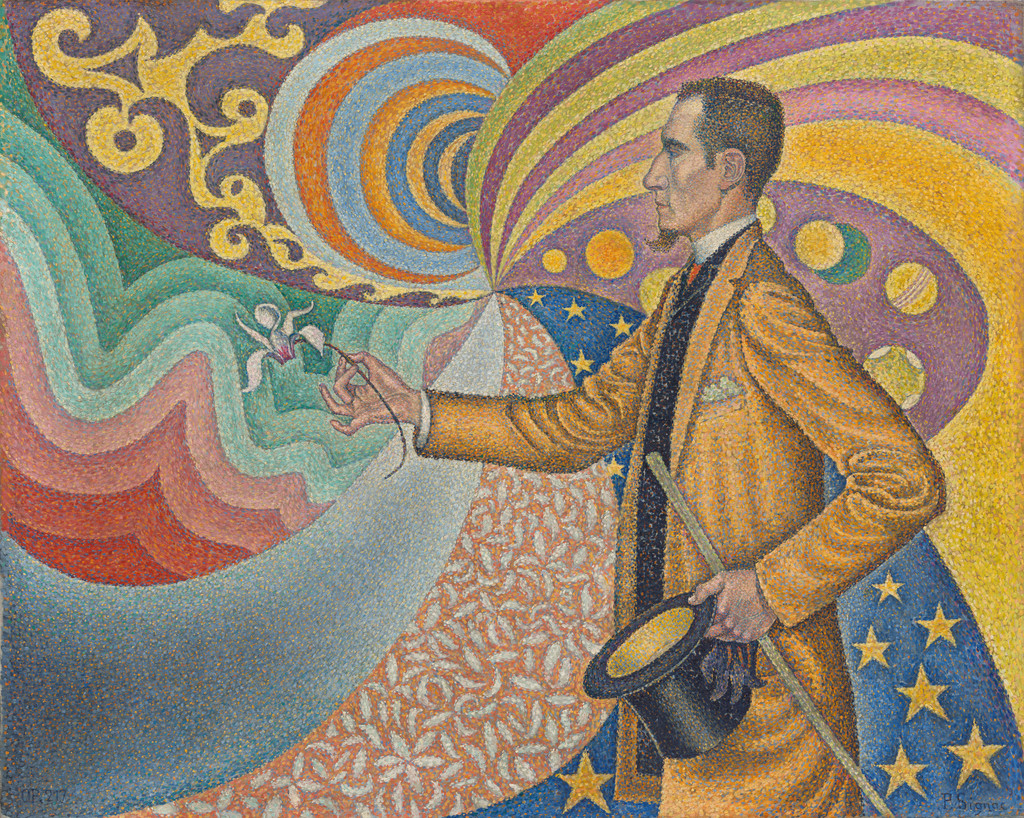
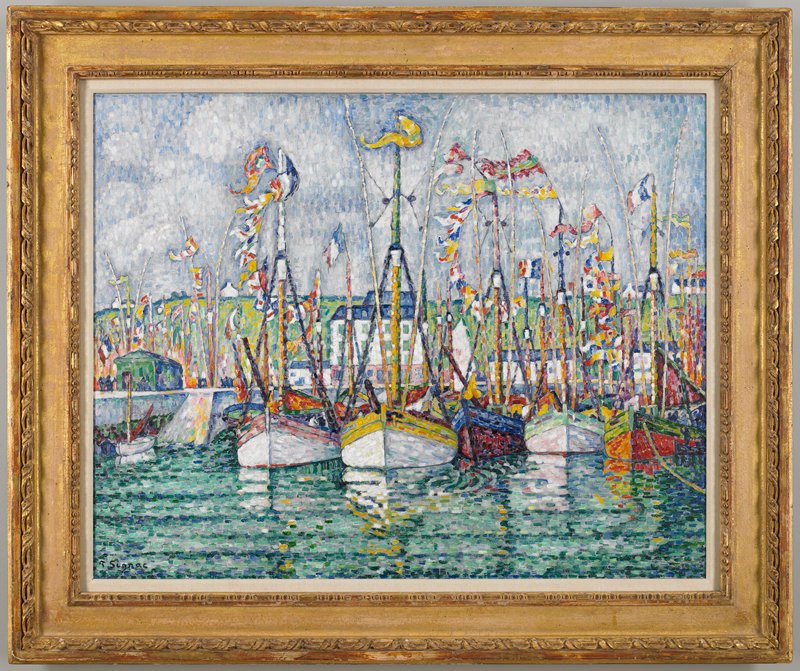
In 1884 Signac meets Georges Seurat: he is struck by Seurat's systematic working methods and his theory of colors, and becomes his faithful supporter, friend and heir. Under Seurat's influence Signac abandons the short brushstrokes of Impressionism for scientifically juxtaposed small dots of pure color, meant to combine and blend not on the canvas but in the viewer's eye.
29 July 1884
Founding the Société des Artistes Indépendants
On July 29, 1884 the Société des Artistes Indépendants begins in Paris — among its founders are Signac, Albert Dubois-Pillet, Odilon Redon and Georges Seurat — with the motto “Neither jury nor awards.” Its annual exhibitions flourish for the next three decades and set the trends in the art of the early twentieth century, and Signac remains a guiding force in the Society.
1886
Meeting Van Gogh in Paris
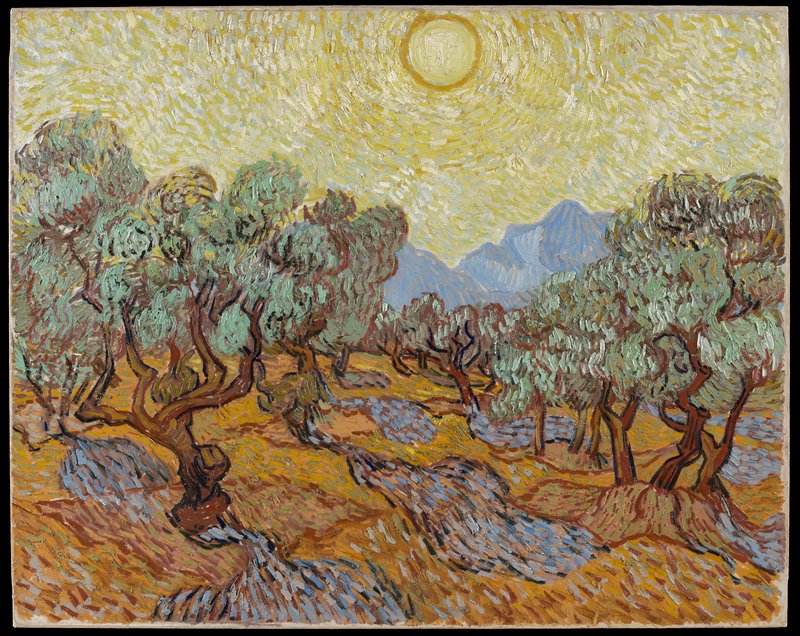
In 1886 Signac meets Vincent van Gogh in Paris, and also Toulouse-Lautrec, a friend of Van Gogh. At first Van Gogh admires above all Signac's free painting technique.
1889
A visit to Van Gogh in Arles
In March 1889 Signac visits Van Gogh at Arles; he had met him in Paris in 1886 and had travelled with him to Asnières in 1887.
1898–1899
“From Eugène Delacroix to Neo-Impressionism” appears
In 1898–1899 Signac's programmatic work “From Eugène Delacroix to Neo-Impressionism” appears, a set of rules for the artists of the new movement: any optical mixture, he argues, leads to clarity and brilliance, any material mixture to darkening and discoloration. Henri Matisse, after reading the essay, adopts the Divisionist technique in 1898.