Port de Marseilles
Sobre el cuadro
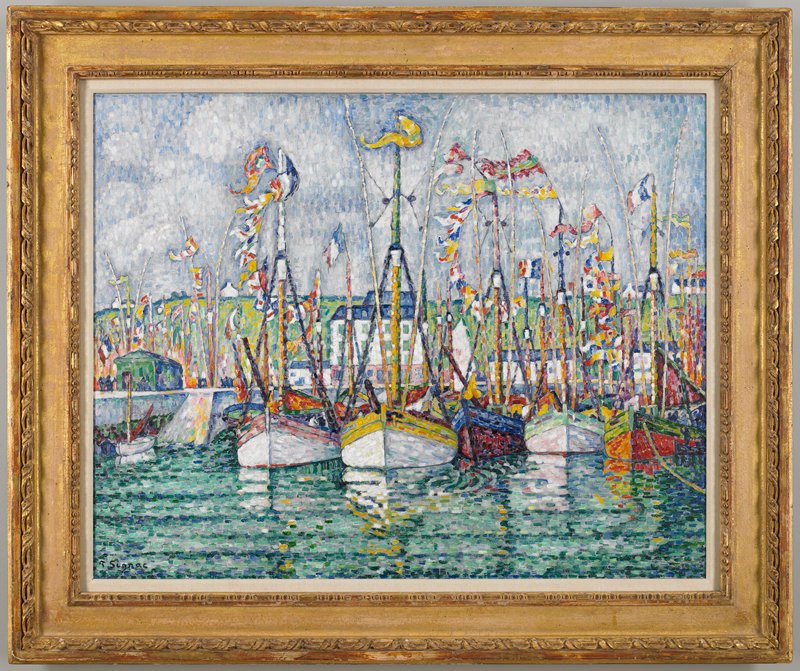
El puerto de Marsella es un cuadro del pintor Paul Signac, realizado en 1907, que se encuentra en el Museo del Hermitage de San Petersburgo, Rusia.
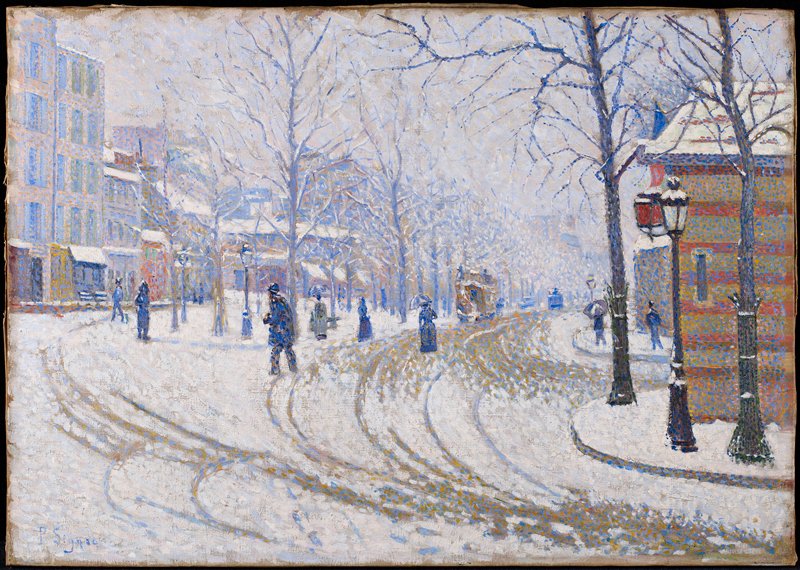
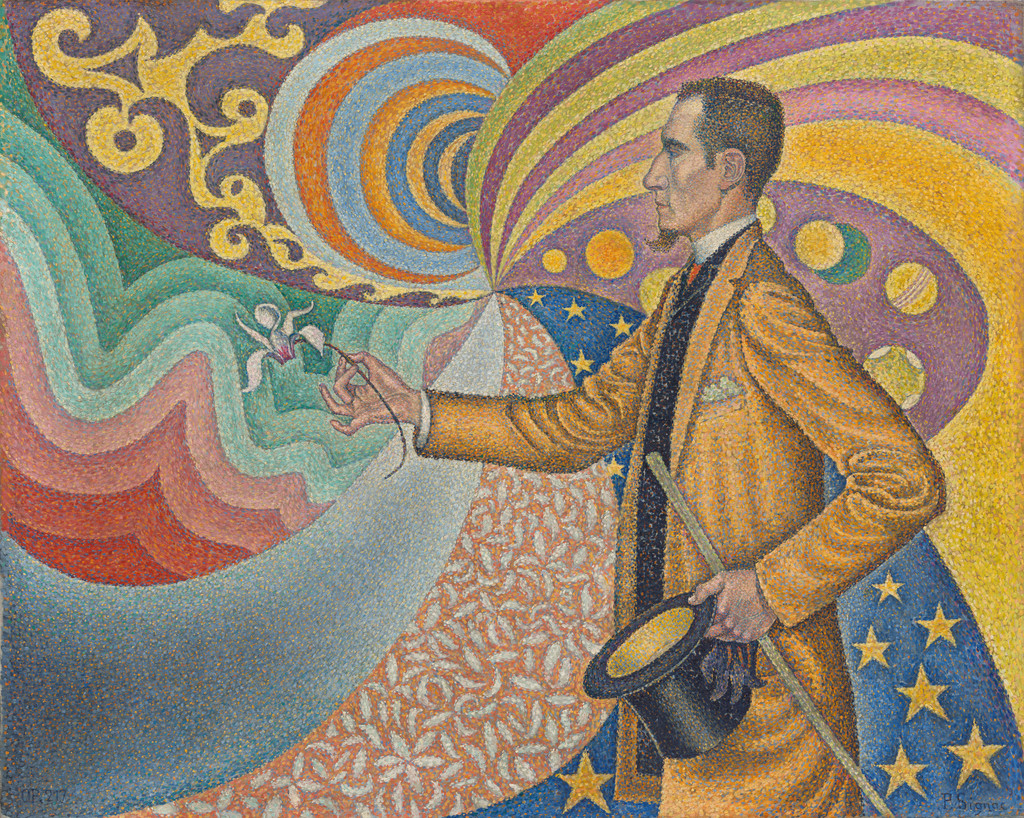
Con una técnica puntillista, el pintor refleja los barcos, el agua y los edificios de la ciudad y el puerto, creando un mosaico de múltiples colores.
El amor a la navegación y el puerto marsellés se demostró por medio de varias obras con esta temática (El puerto de Marsella, (1884) Una vista de Marsella, (1905), etc.
El autor tiene una obra homónima de 1931.
En palabras del museo — en ruso
Картина исполнена в технике пуантилизма, точечными мазками. Такая манера живописи называется ещё дивизионизм и неоимпрессионизм. Синьяк и его единомышленники создали научно обоснованный метод разложения сложных тонов на чистые цвета. Однородные мазки чистых красок, складывающиеся в декоративную мозаику, рассчитаны на оптическое смещение цветов при восприятии произведения. Спонтанности и эмпиричности импрессионизма противопоставлены рассудочность и педантичность. Это сказалось и в построении картины, в которой "случайность" импрессионистической композиции сменилась традиционным выделением центра в обрамлении "кулис". Вероятно, пейзаж был скомпонован по рисункам и акварелям, сделанным с натуры. Таков был обычный метод работы художника.

Mientras tanto, en la vida de Paul Signac
La vida entera1895–1912
Gifts for five lotteries and support for the arts
Having prospered, Signac supports the arts generously: he sends regular cheques and between 1895 and 1912 gives works of his own for five lotteries.
1905
Buying Matisse's “Luxe, calme et volupté”
After the 1905 Salon des Indépendants, where Matisse exhibited “Luxe, calme et volupté,” Signac buys the painting — the first patron to buy a work by Matisse.
1908–1935
Leading the Salon des Indépendants: Fauves and Cubists
In 1908 Signac is elected president of the Twenty-fourth Salon des Indépendants and heads the Société des Artistes Indépendants until his death. He supports young artists and gives the Fauves and the Cubists a chance to exhibit their controversial works.