 Théodore GéricaultFrancia, 1791–1824
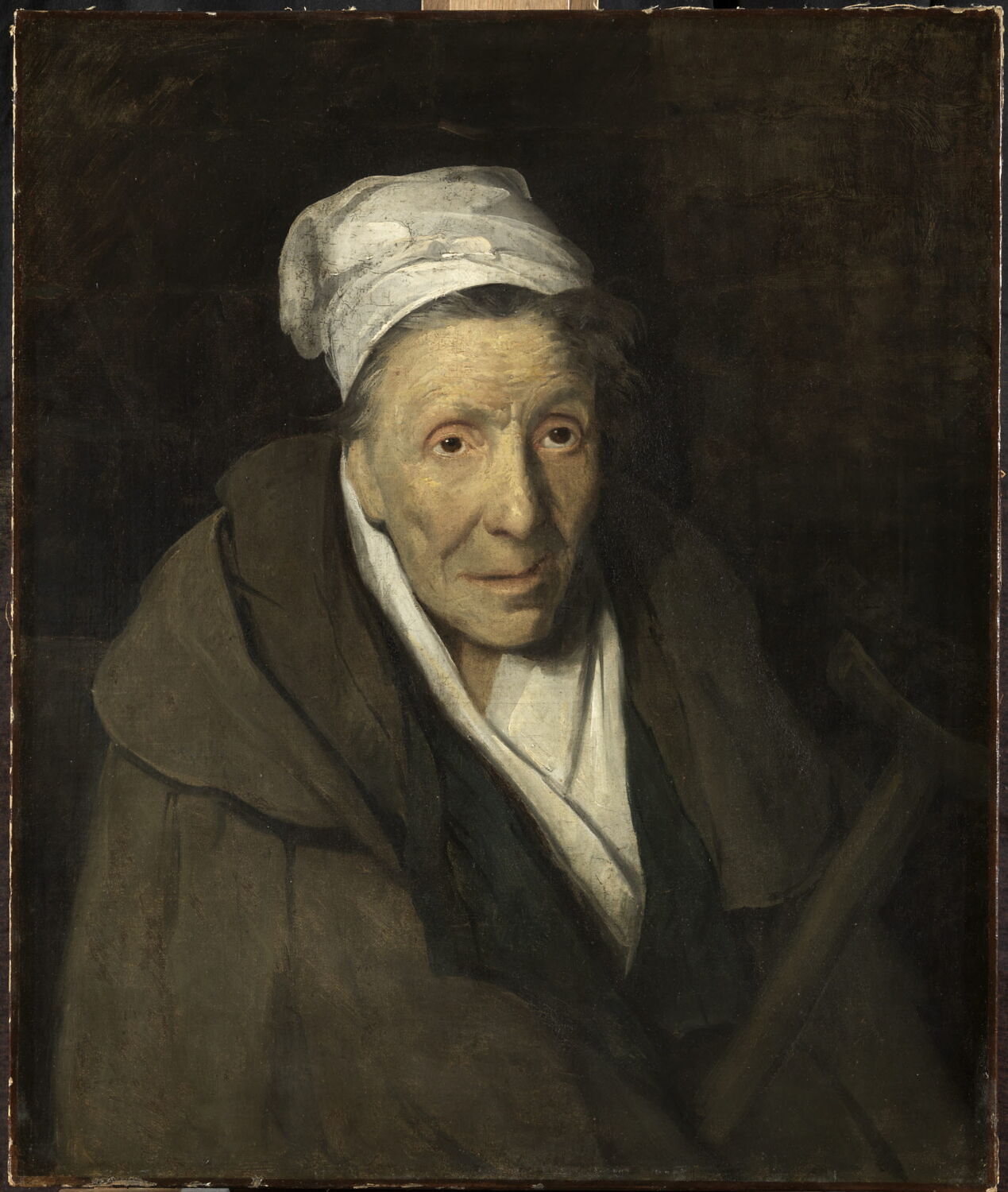
La folle monomane du jeu
¿Se puede contemplar?
Sí, recibe visitas

Expuesta al público.
- Comprobado
- En este estado desde
- Fuente
- El museo
Sobre el cuadro
La mujer con la manía del juego (en francés, La folle monomane du jeu) es una pintura de Théodore Géricault fechada entre 1819 y 1822
Forma parte de una serie de diez retratos de personas con manías concretas hechos por Géricault entre 1819 y 1822, incluyendo El cleptómano y Mujer demente.
Leer más
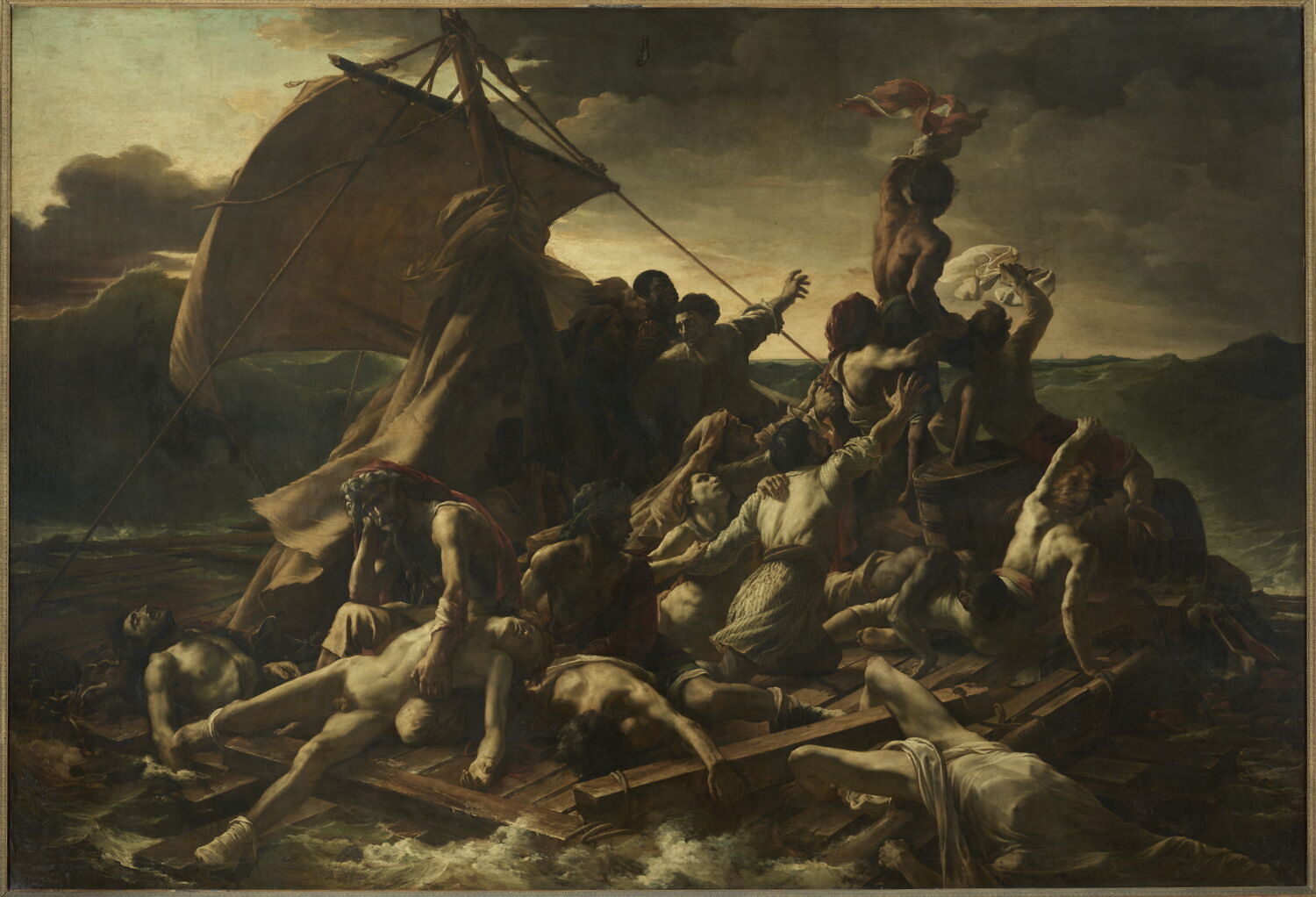
Después de la controversia que rodeó su obra La balsa de la Medusa, Géricault cayó en una depresión. A cambio de la ayuda del psiquiatra Étienne-Jean Georget, Géricault le ofreció una serie de pinturas de pacientes mentales, incluyendo esta, en un tiempo en que el mundo científico sentía curiosidad sobre las mentes de los dementes. Un sólido ejemplo de romanticismo, el retrato de Géricault de una paciente anciana de un asilo mental afectada de ludopatía intenta mostrar una forma específica de locura a través de la expresión facial. Los expertos reconocen en ella un rictus facial típico de la enfermedad de Parkinson. Además sostiene una muleta y este padecimiento afecta al andar.
Esta pintura fue adquirida por el Louvre en 1938.
Ficha
- Número de inventario
- RF 1938 51
En el catálogo
Fuentes
- Museo del Louvre
- Imagen: Museo del Louvre — © 2015 GrandPalaisRmn (musée du Louvre) / Philippe Fuzeau
Mientras tanto, en la vida de Théodore Géricault
La vida enteraautumn 1817
The book on the wreck of the Méduse reaches Géricault
In the autumn of 1817 the book “The Wreck of the Frigate Medusa” appeared, in which the eyewitnesses, the geographer-engineer Alexandre Corréard and the physician Henri Savigny, described the thirteen-day drift of the raft after the ship ran aground off the coast of Mauritania. The book reached Géricault, who saw in it the subject for the large painting he had long dreamed of.
1817–1818
Investigating the disaster: survivors, a model raft, morgues
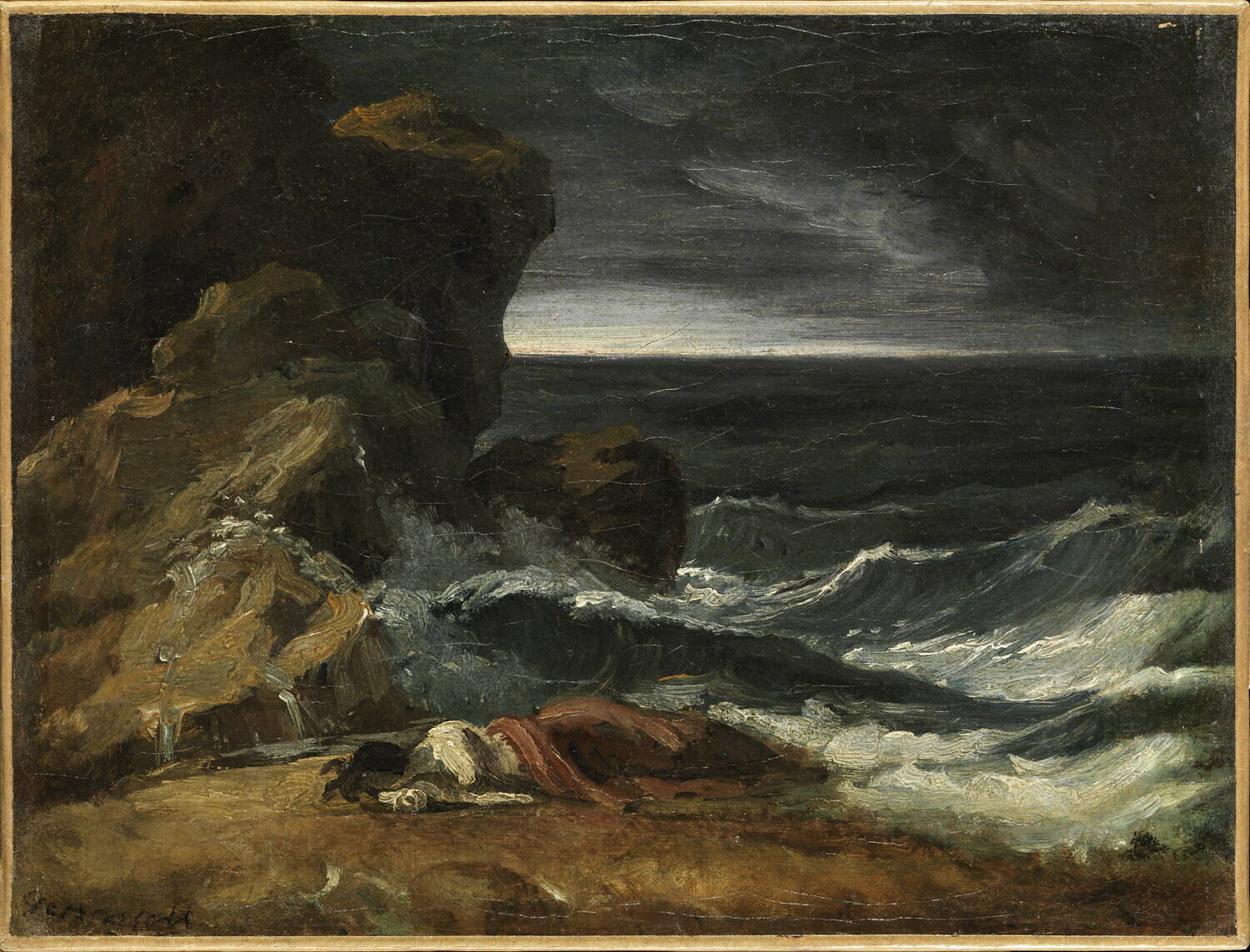
Géricault re-created the event by studying the available materials and meeting witnesses: he got to know Corréard and Savigny, a carpenter from the Méduse made a scale model of the raft for him, and the artist modelled wax figures himself. He visited hospital morgues, drawing dead heads, emaciated bodies and severed limbs, and the preparation ended with a trip to Le Havre, where he painted studies of sea and sky.
1819
“The Raft of the Medusa” sparks a political controversy at the Salon
When first exhibited at the Paris Salon of 1819, “The Raft of the Medusa” ignited political controversy: it indicted a corrupt establishment, in which the captain had left the crew and passengers to die, but also dramatized the eternal struggle of man against nature.
12 June – 30 December 1820
London: 50,000 visitors and 20,000 francs
The entrepreneur Bullock exhibited “The Raft of the Medusa” in London from 12 June to 30 December 1820; about 50,000 people saw it, critics called it a masterpiece, and its author was compared to Michelangelo and Caravaggio. Géricault was entitled to a third of the ticket receipts and received 20,000 francs.
1821–1824
Illness and falls from horses after his return from England
After returning to Paris from England Géricault was often ill, and his condition was made worse by several falls during horseback rides.
26 de enero de 1824
Died