ART WIKI32.963 en sala
MapaColecciónArtistasMuseosExposicionesRevista
Acceder

ART WIKI

Dónde cuelga la obra maestra y cuándo le dejan pasar.

Colecciones: Galería Nacional de Arte, Galería Nacional de Dinamarca, Galería Nacional de Retratos, Galería Tretiakov, Harvard Art Museums, Instituto de Arte de Chicago, Instituto de Artes de Mineápolis, MoMA, Museo de Arte de Cleveland, Museo de Victoria y Alberto, Museo del Hermitage, Museo del Louvre, Museo Estatal Ruso, Museo Hirshhorn y Jardín de Esculturas, Museo J. Paul Getty, Museo Metropolitano de Arte, Museo Pushkin, Museo Smithsoniano de Arte Americano, Museo Whitney de Arte Estadounidense, National Museum of Asian Art, Rijksmuseum, Villa Getty, Catálogo Estatal del Fondo Museístico de Rusia (274 museos), Europeana (19 museos), Wikidata (6 museos), Paris Musées (12 museos) y Joconde, la base de museos del Ministerio de Cultura de Francia (495 museos). Las imágenes pertenecen a sus titulares de derechos.

Secciones

  • Mapa
  • Búsqueda
  • Colección
  • Obras maestras
  • Expuestas ahora
  • Artistas

Más

  • Museos y galerías
  • Exposiciones
  • Revista
  • De dónde salen los datos
  • Privacidad y cookies
InicioMapaCatálogo
  1. Colección/
  2. Museo de Victoria y Alberto/
  3. Goat
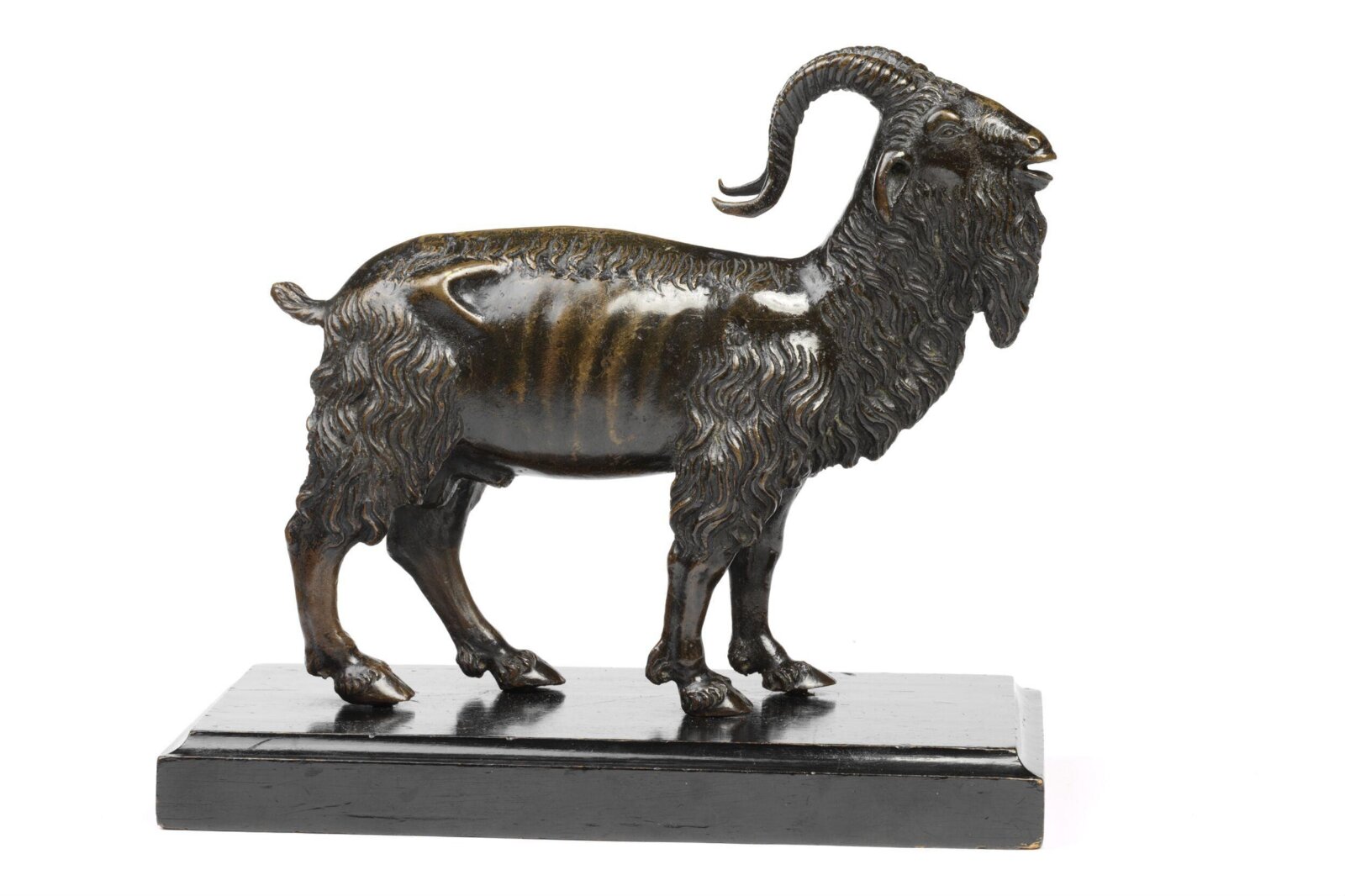
Goat, Andrea Briosco, ca. 1520

Goat

ca. 1520 · Statuette · 17 × 20 cm

Sobre la escultura

This bronze exists in several versions and is probably based on a model by the celebrated Paduan master, Il Riccio. During the Renaissance the goat was a symbol of male sexuality. It was also associated with the ancient Roman god of wine.

Riccio (1470-1532) - meaning 'Curly-Head' - worked primarily in bronze and is acknowledged as the master of the bronze statuette during the late 15th and early 16th centuries. He was active in the humanist circle of the University of Padua, in north-east Italy.

Riccio was trained as a goldsmith and lived and worked all his live in Padua. Today he is acknowledged as one of the greatest bronze sculptors of the Renaissance.

His statuettes, functional objects, like oil lamps, and reliefs reflect Riccio's inimitable ability to express the most refined humanist ideas prevalent in the Veneto in bronze.

Seguir leyendo

He was also a specialist in rendering themes of Classical mythology.

His oeuvre is often neglected because of its small scale, but it constitutes one of the most fascinating manifestations of the poetic paganism of the High Renaissance.

Museo de Victoria y Alberto

Ficha

ca. 1520

Más obras de Andrea Briosco, called Riccio

Todas las obras

En la misma sala · Medieval & Renaissance, Room 64, The Wolfson Gallery, Museo de Victoria y Alberto
Página del museo

Sobre el mismo tema · Goat

Todas las obras sobre el tema
14701532
Número de inventario
A.75-1952

Fuentes

  • Museo de Victoria y Alberto
  • Imagen: Museo de Victoria y Alberto — © Victoria and Albert Museum, London
Andrea Briosco, called Riccio, retratoAndrea Briosco, called RiccioItalia, 1470–1532

¿Se puede contemplar?

Sí, recibe visitas

Museo de Victoria y Alberto
Londres, Reino Unido

SalaMedieval & Renaissance, Room 64, The Wolfson Gallery

Expuesta al público. Quién lo avala figura más abajo.

Comprobado
hace 12 días
En este estado desde
25 sept 2026
Fuente
El museo
En el mapaPágina del museo
Rothschild lamp, Andrea Briosco, called Riccio, ca. 1510–20

Rothschild lamp

ca. 1510–20 · Museo Metropolitano de Arte

Striding Pan, Andrea Briosco, called Riccio, 1530–1539

Striding Pan

1530–1539 · Museo Metropolitano de Arte

Statuette : Arion, Riccio, Renaissance (Occident)

Statuette : Arion

Renaissance (Occident) · Museo del Louvre

Seated satyr with silvered eyes, Andrea Briosco, called Riccio, second quarter of the 16th century

Seated satyr with silvered eyes

second quarter of the 16th century · Museo Metropolitano de Arte

Bas-relief : enseignement, Riccio, Renaissance (Occident)

Date de création/fabrication : 1516 - 1521

Bas-relief : enseignement

Renaissance (Occident) Date de création/fabrication : 1516 - 1521 · Museo del Louvre

Triton and Nereid, Andrea Briosco, called Riccio, after 1532–before ca. 1550

Triton and Nereid

after 1532–before ca. 1550 · Museo Metropolitano de Arte

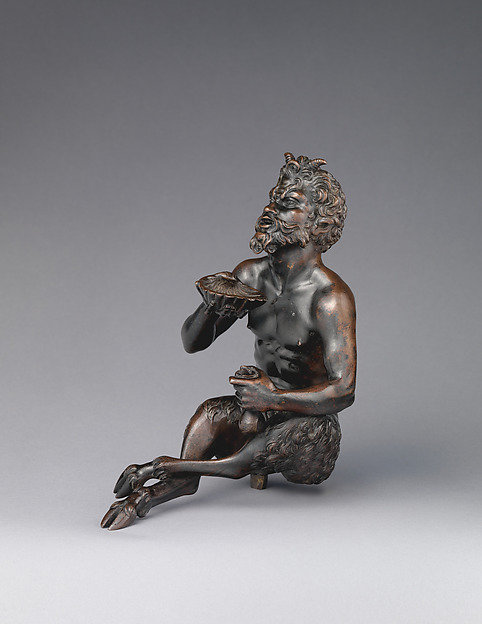
Seated satyr with a shell, Andrea Briosco, called Riccio, after 1600

Seated satyr with a shell

after 1600 · Museo Metropolitano de Arte

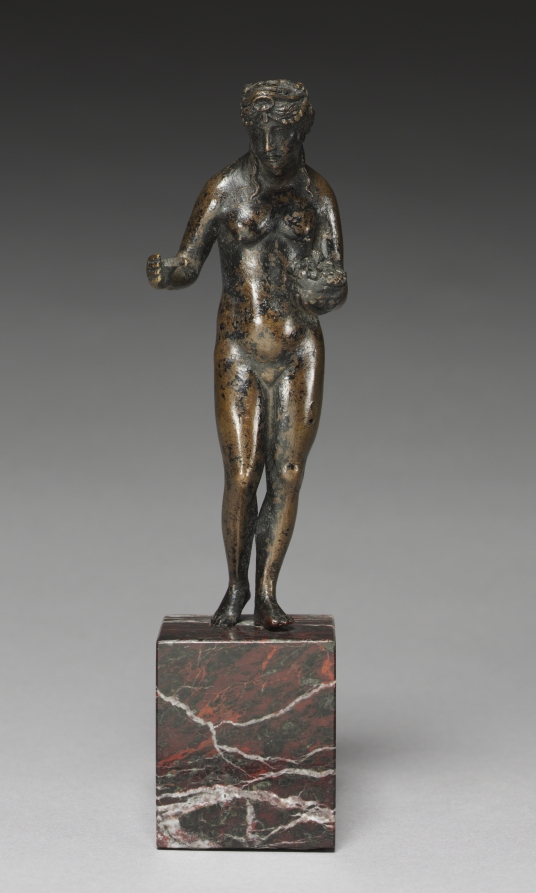
Pomona, Andrea Riccio, c. 1500

Pomona

c. 1500 · Museo de Arte de Cleveland

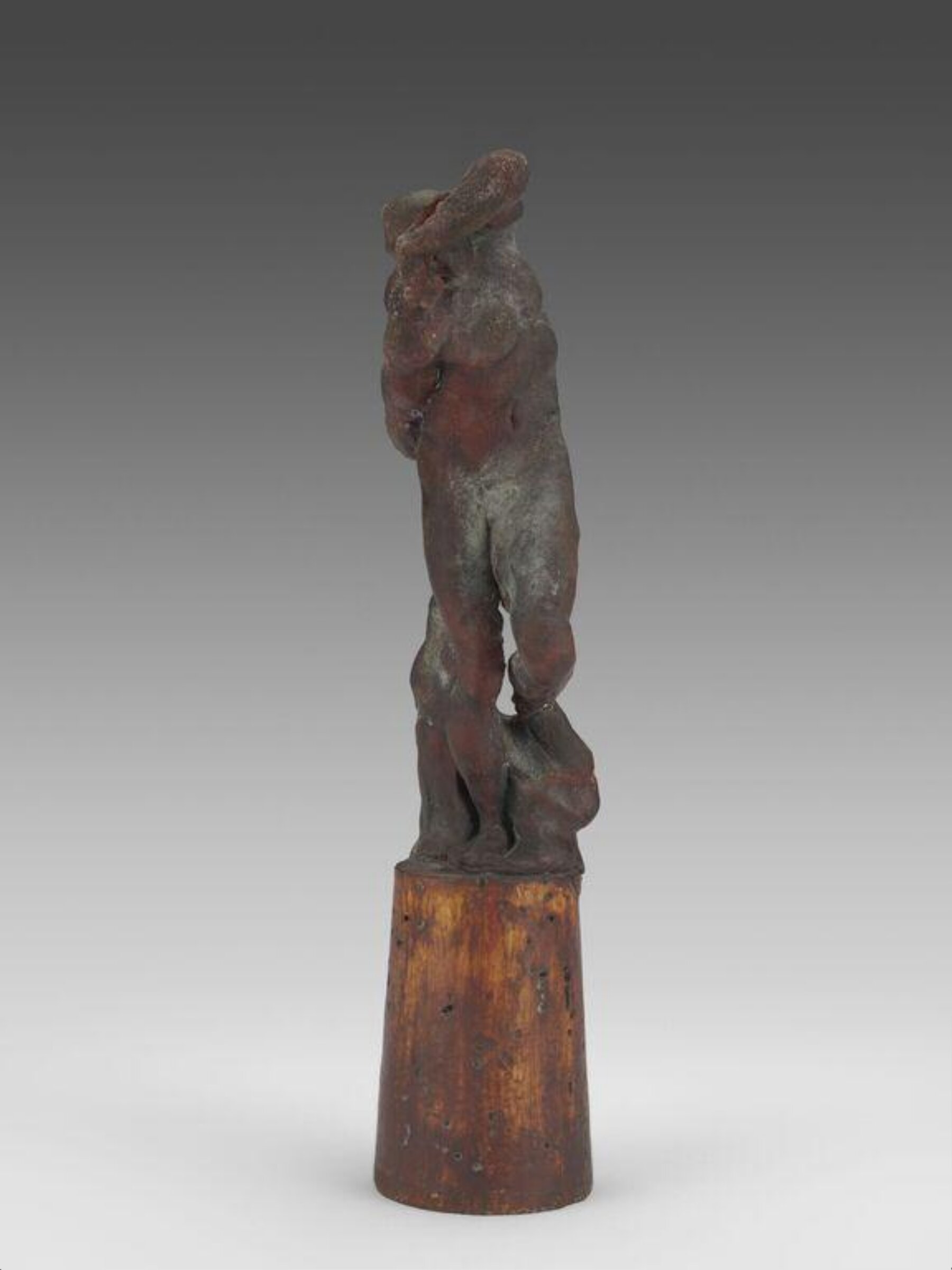
3D replica of Michelangelo's Prisoner (4117-1854), Factum Arte, 2024

Factum Arte

3D replica of Michelangelo's Prisoner (4117-1854), 2024

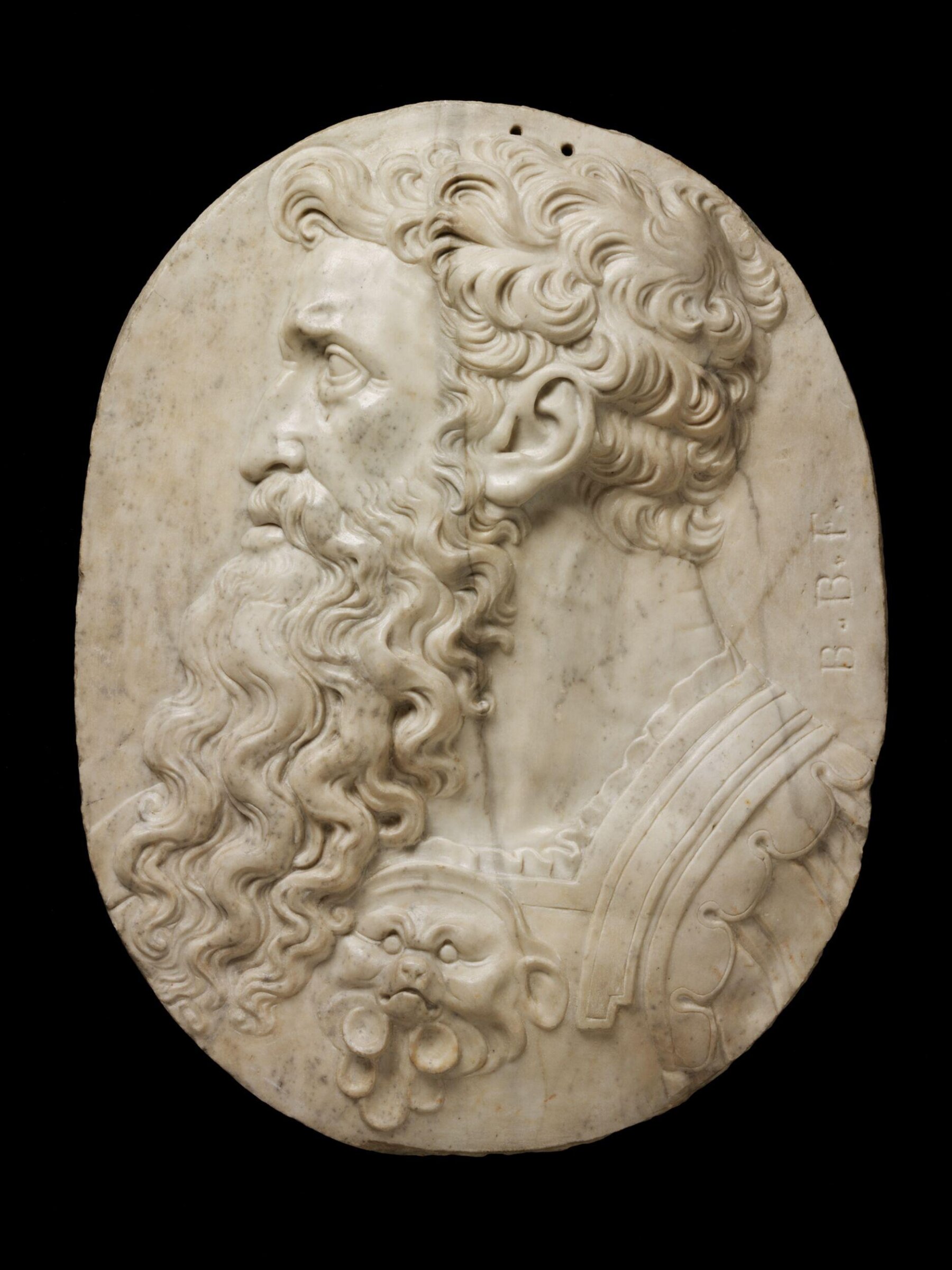
Head of a bearded man, Baccio Bandinelli, ca. 1550-1560

Baccio Bandinelli

Head of a bearded man, ca. 1550-1560

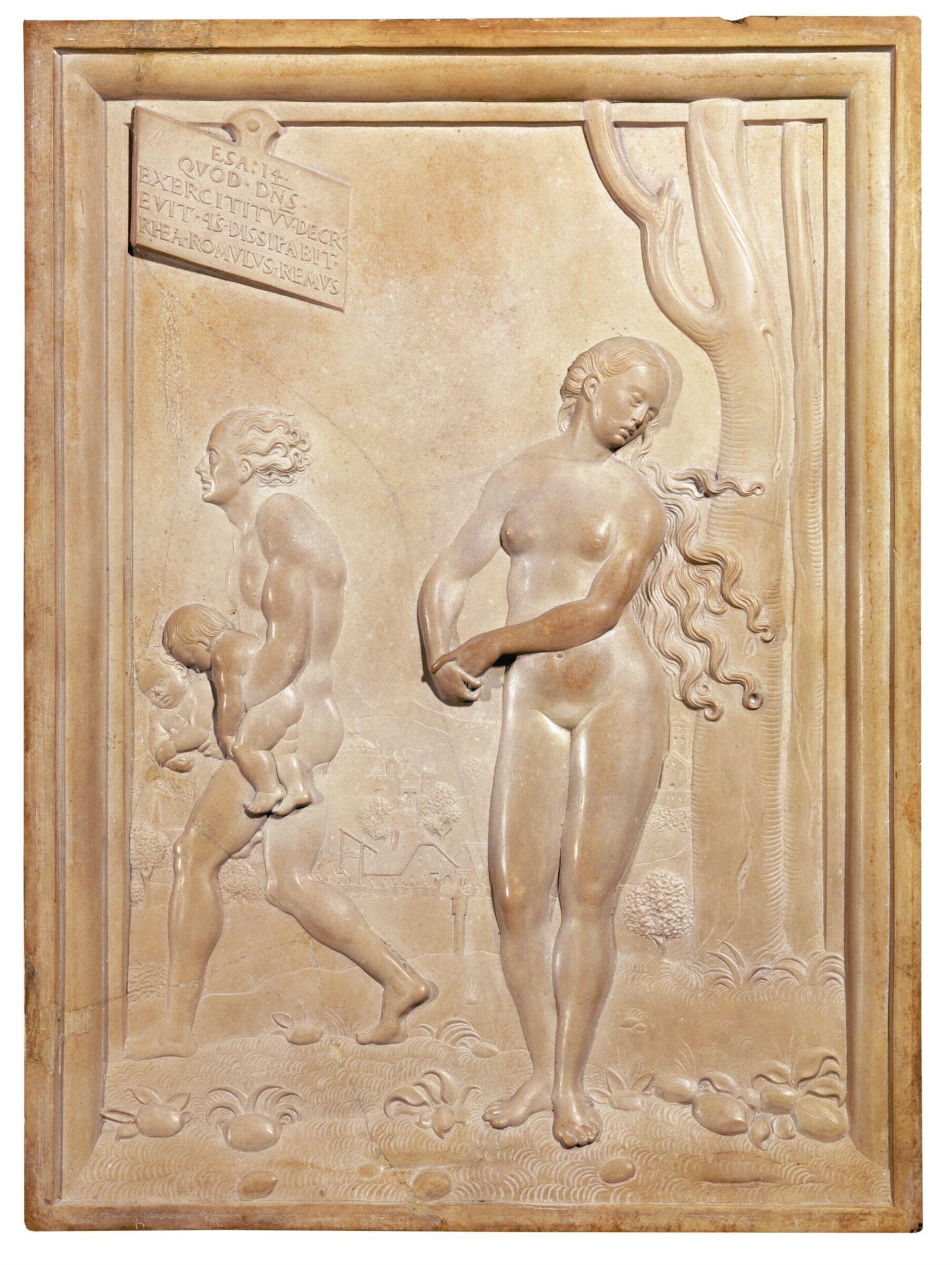
Romulus and Remus taken from their mother Rhea Sylvia, Loy Hering, ca. 1532-1535

Loy Hering

Romulus and Remus taken from their mother Rhea Sylvia, ca. 1532-1535

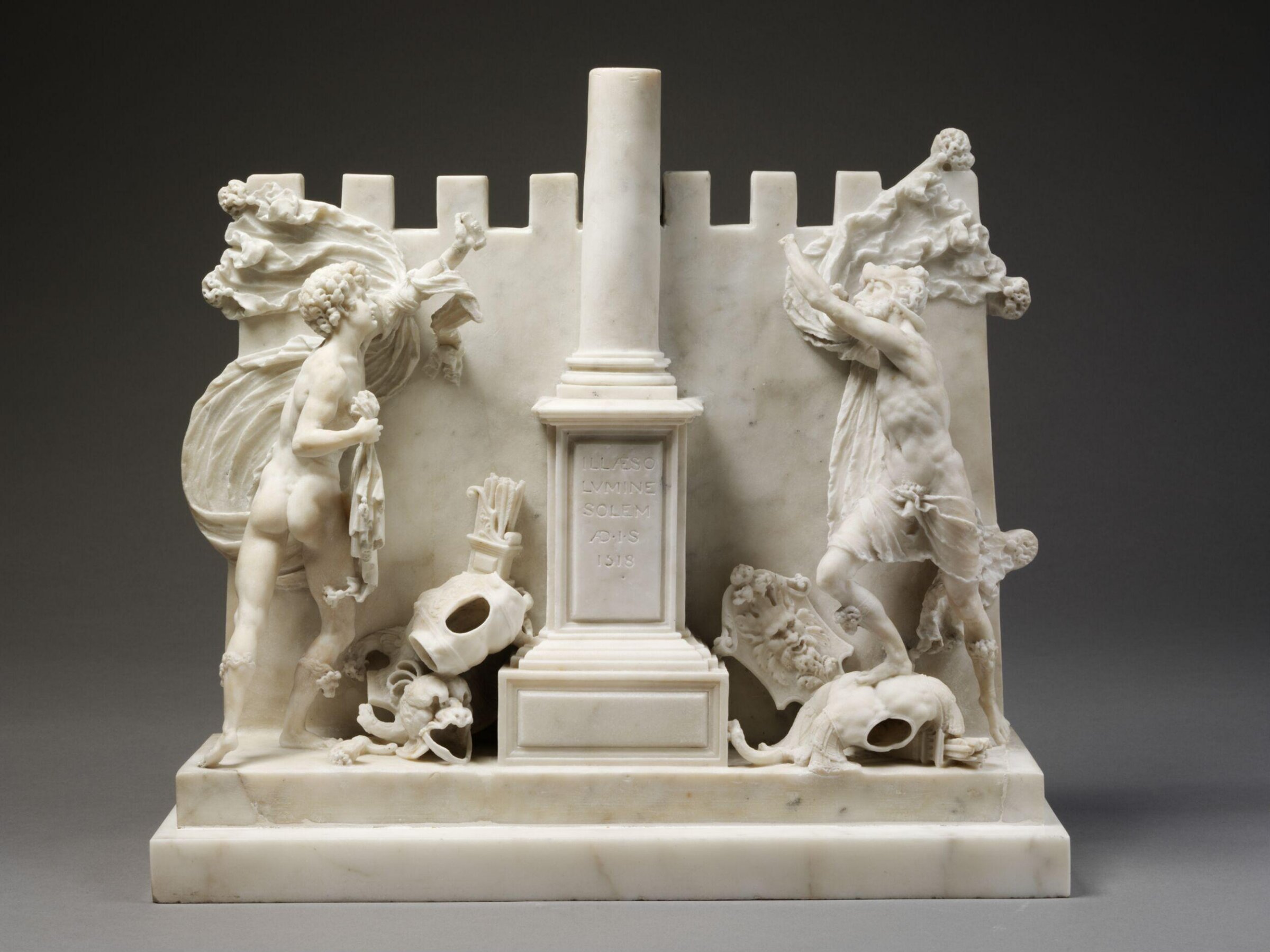
Relief depicting two warriors shooting at the sun, Benedetto Cervi, ca. 1531-1532

Benedetto Cervi

Relief depicting two warriors shooting at the sun, ca. 1531-1532

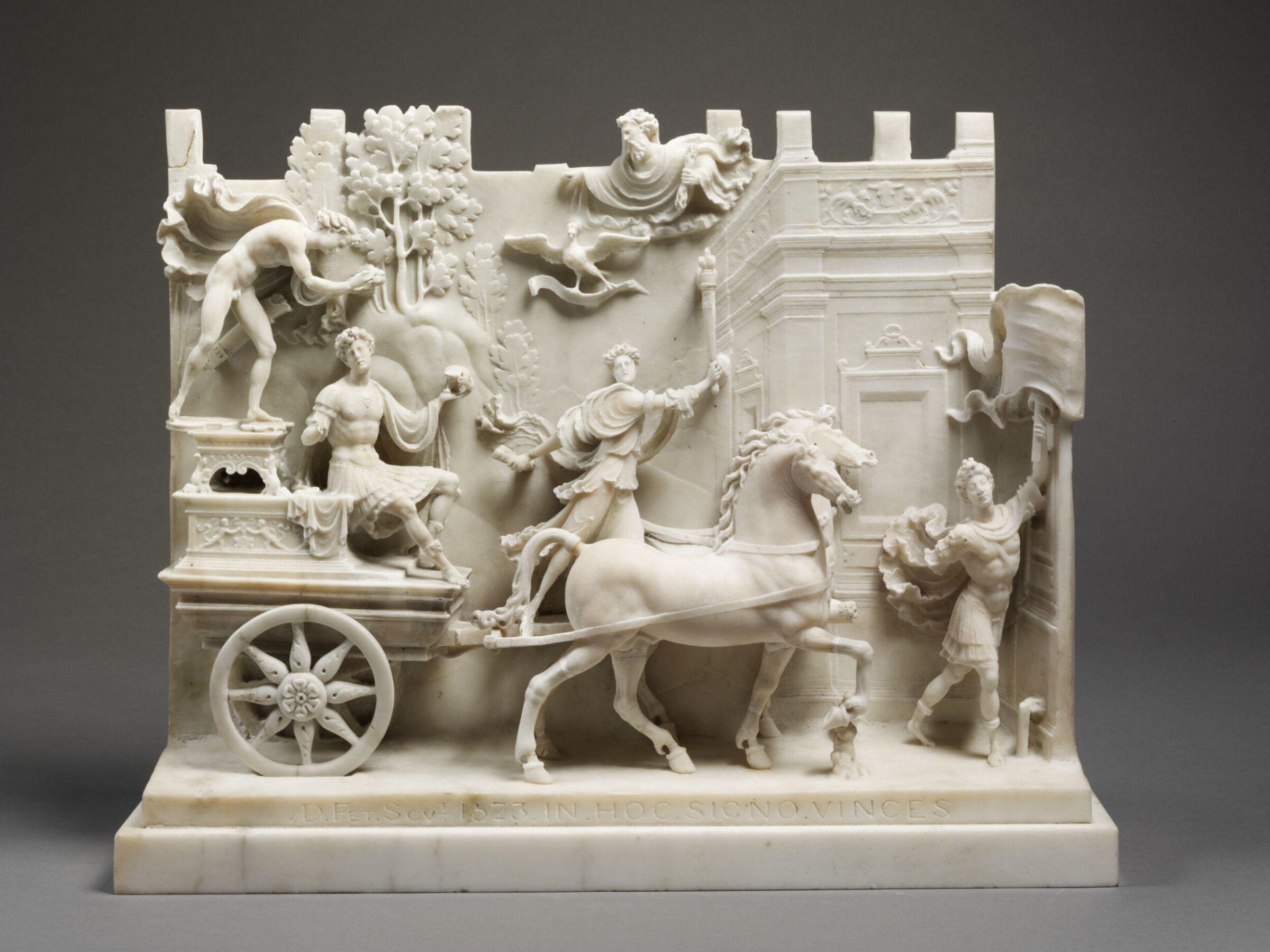
Relief depicting a Procession towards a contest, Benedetto Cervi, ca.1531-1532

Benedetto Cervi

Relief depicting a Procession towards a contest, ca.1531-1532

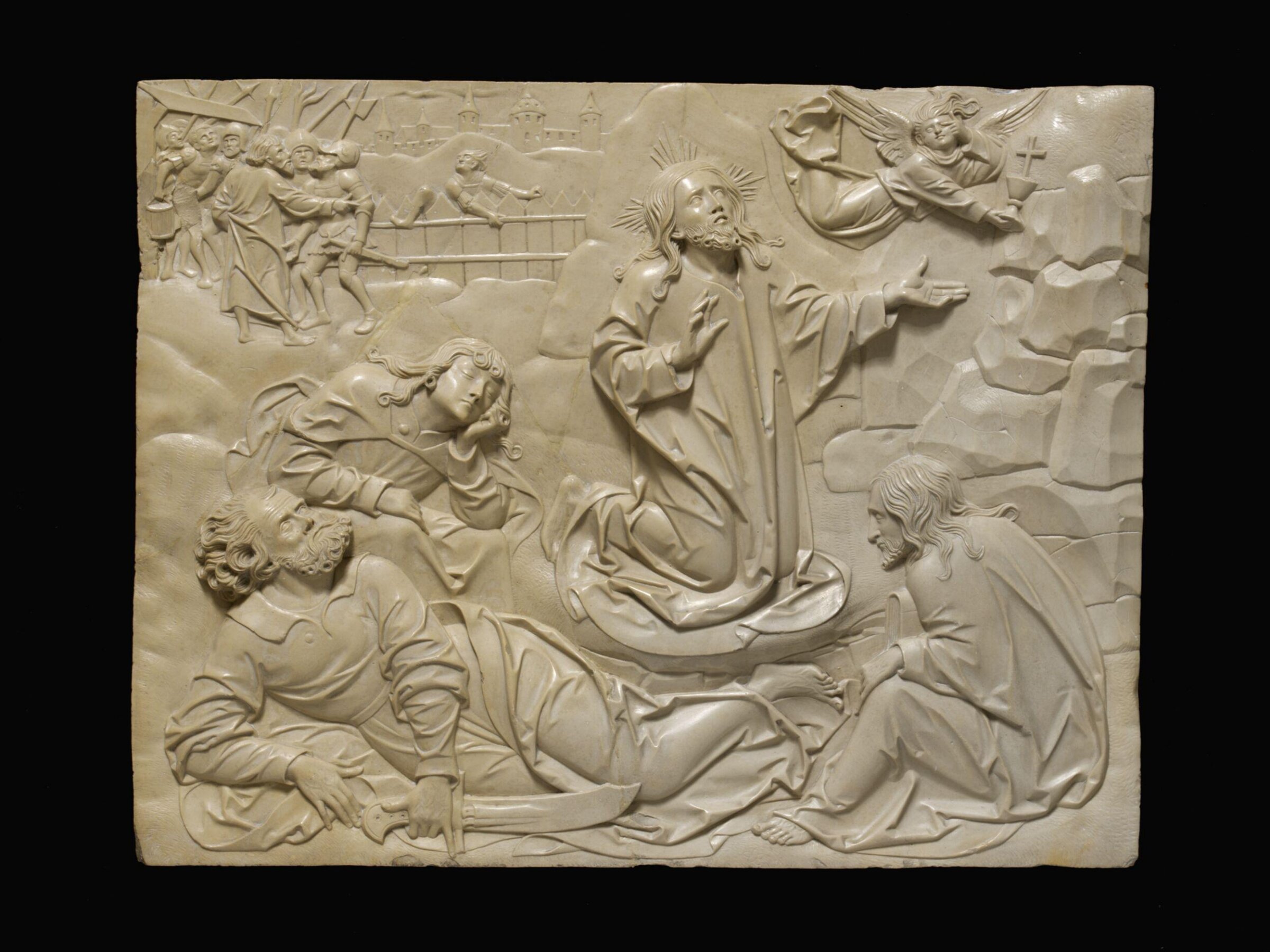
Agony in the Garden, Victor Kayser, ca. 1530-1535

Victor Kayser

Agony in the Garden, ca. 1530-1535

The Fall, Loy Hering, ca. 1530-1535

Loy Hering

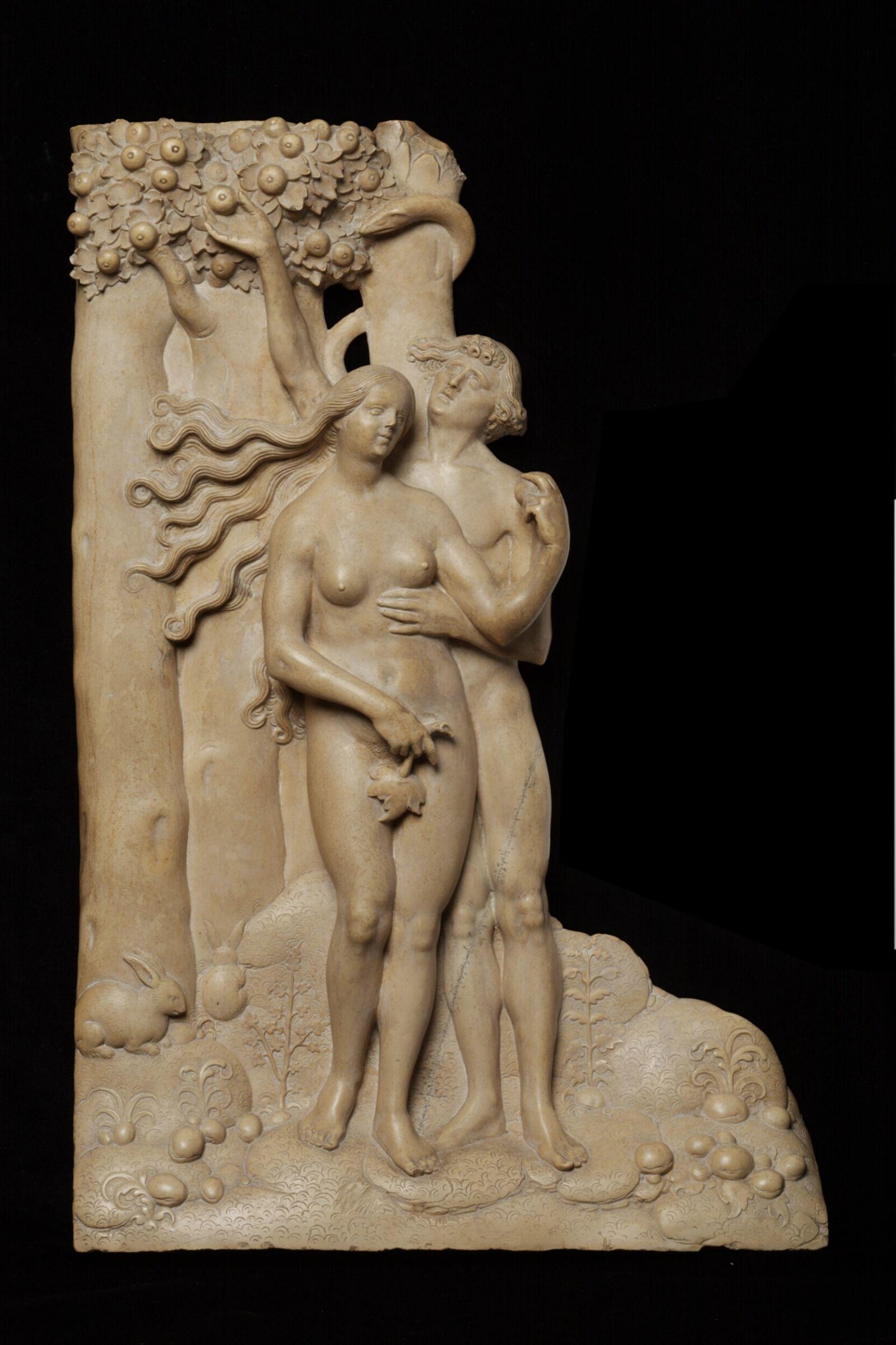
The Fall, ca. 1530-1535

The Judgement of Paris, Master I. P., ca. 1530

Master I. P.

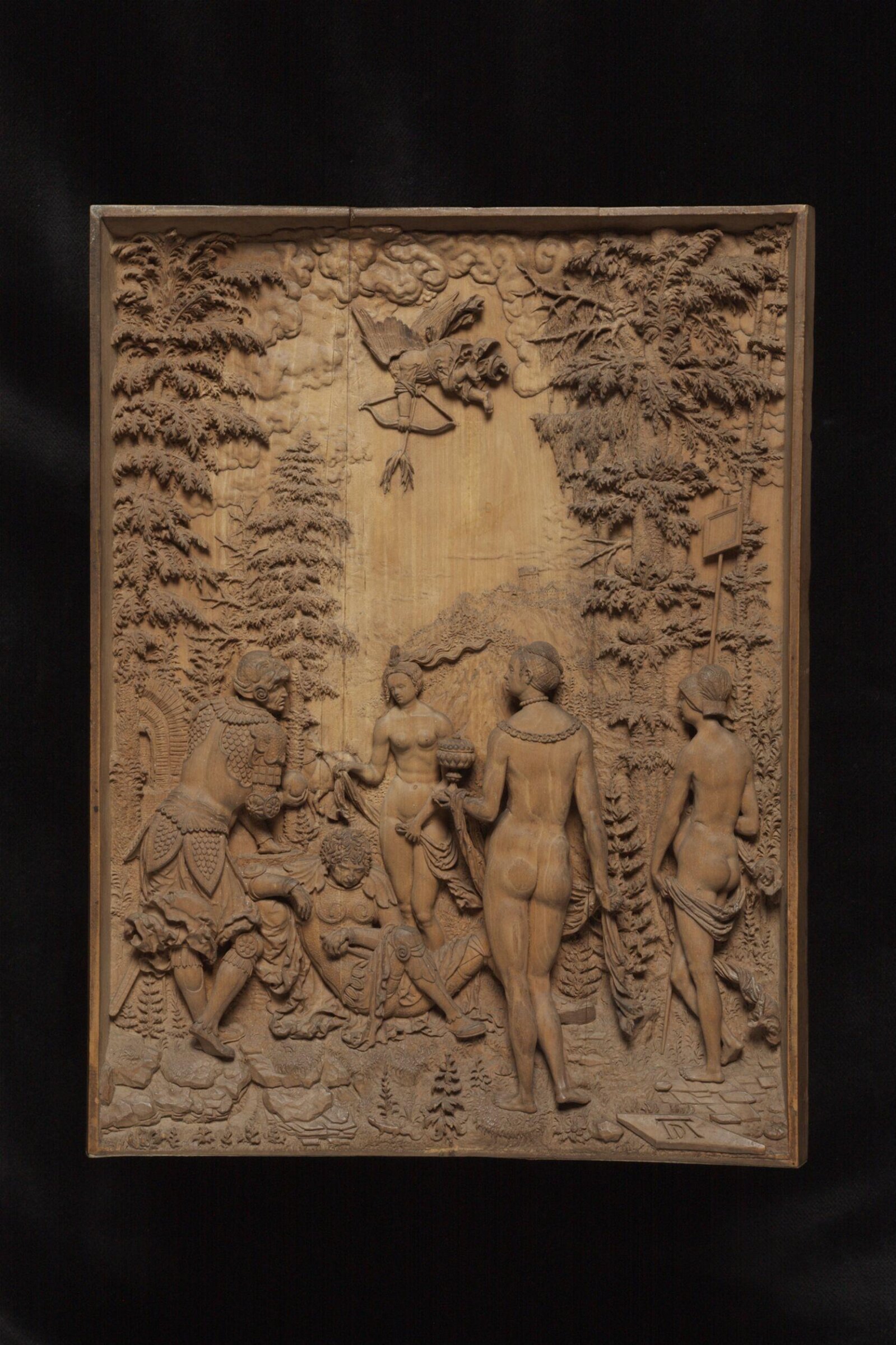
The Judgement of Paris, ca. 1530

Wacht tot je gezalfd bent, Francisco de Goya, 1797 - 1799

Francisco de Goya

Wacht tot je gezalfd bent, 1797 - 1799

Rijksmuseum

Greeting Card for 1966, Marc Chagall, 1965

Marc Chagall

Greeting Card for 1966, 1965

No expuesta · Galería Nacional de Arte

Die Hexe - Witch Riding on a Goat, Albrecht Dürer, c. 1500

Albrecht Dürer

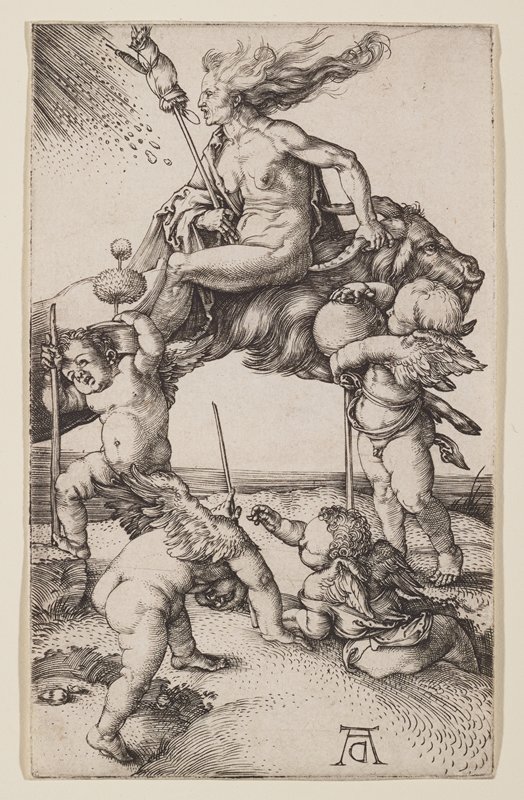
Die Hexe - Witch Riding on a Goat, c. 1500

No expuesta · Instituto de Artes de Mineápolis

Portrait of Rutger Jan Schimmelpenninck and Catharina Nahuys with their Children, Pierre Prud'hon, 1801 - 1802

Pierre Prud'hon

Portrait of Rutger Jan Schimmelpenninck and Catharina Nahuys with their Children, 1801 - 1802

Rijksmuseum

Plate Number 676. Goat; walking, Eadweard Muybridge, 1887

Eadweard Muybridge

Plate Number 676. Goat; walking, 1887

No expuesta · Galería Nacional de Arte

Plate Number 679. Goat; galloping, Eadweard Muybridge, 1887

Eadweard Muybridge

Plate Number 679. Goat; galloping, 1887

No expuesta · Galería Nacional de Arte

Plate Number 677. Goat; walking, in sulky, Eadweard Muybridge, 1887

Eadweard Muybridge

Plate Number 677. Goat; walking, in sulky, 1887

No expuesta · Galería Nacional de Arte

Geitenhoeder met zijn kudde in de bergen, Ernst Ludwig Kirchner, 1890 - 1938

Ernst Ludwig Kirchner

Geitenhoeder met zijn kudde in de bergen, 1890 - 1938

Rijksmuseum

Lo que muestra

Goat

En el catálogo

EsculturaBronceRenacimientoSiglo XVIPadua