Marcel DuchampFrancia, 1887–1968
Fresh Widow
¿Puedo verla?
No expuesta por ahora
¿Dónde está «Fresh Widow» hoy? Colección: Galería Nacional de Arte, Washington D. C. No expuesta por ahora. Comprobado 23 de noviembre de 2026.

Washington D. C., Estados Unidos
Pertenece a la colección, pero ahora mismo no está expuesta.
- Comprobado
- En este estado desde
- Fuente
- El museo
Sobre la escultura
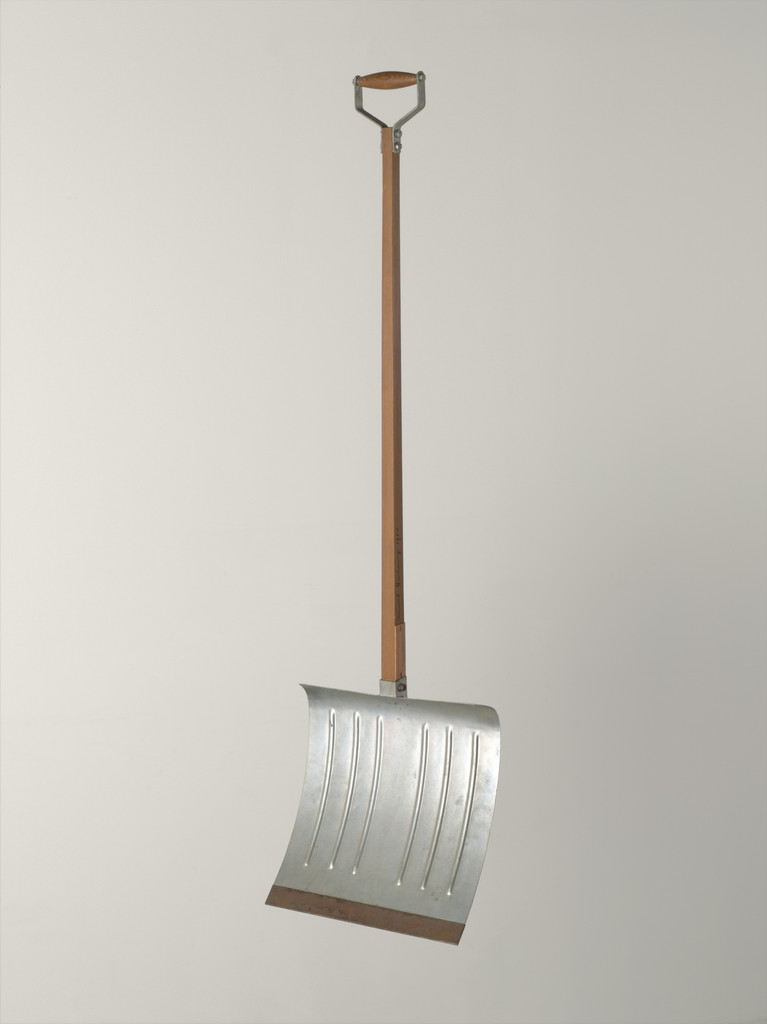
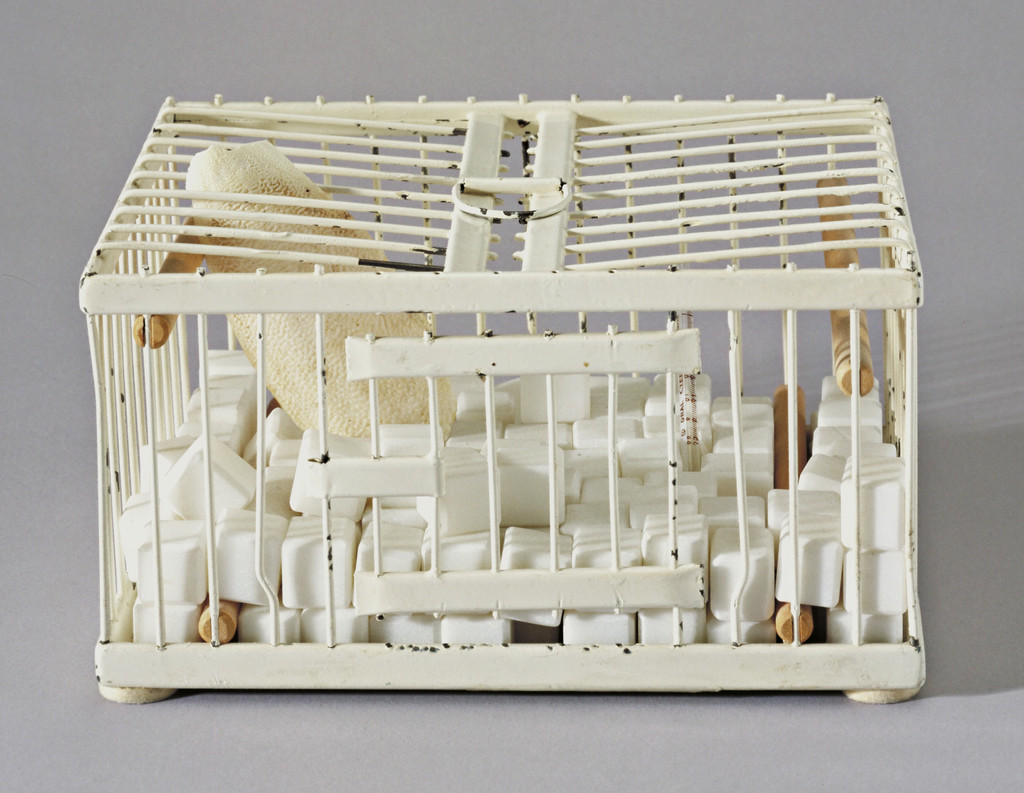
Marcel Duchamp devised Fresh Widow in 1920; Washington's National Gallery of Art owns a replica fabricated under his supervision in 1964. It is the second of eight numbered examples in Arturo Schwarz's edition. Black leather covers the panes of the miniature window. The title removes the letter n from both French and window, turning the phrase into a reference to recent widowhood. It is currently not on view.
Ficha
- Número de inventario
- 2008.33.1
Lo que muestra
En el catálogo
Exposiciones
Ahora no está expuesta
Galería Nacional de Arte · 2 nov 2026 — hoy · Verificado
Estaba expuesta · Sala 415B · Edificio Este, nivel superior
Galería Nacional de Arte · 19 ago 2026 — 2 nov 2026 · Verificado
Fuentes
- Galería Nacional de Arte
- Imagen: Galería Nacional de Arte — © the artist or rights holder
En la vida de Marcel Duchamp
La vida entera1920
Founds the Société Anonyme
With Katherine Dreier and Man Ray he created the Société Anonyme as an experimental exhibition context that predates the Museum of Modern Art and was the first modern art collection in the US. In the same year, 1920, he returned from Paris to the United States.
1921
Rrose Sélavy is born
In 1921, in a series of Man Ray’s photographs, Duchamp appeared dressed as a woman under the pseudonym Rrose Sélavy, a pun on “Éros, c’est la vie” (“Eros, such is life”); later he used the name as a byline and signed several works with it.
1923
Back in Paris, and into chess
Back in Paris in 1923 he was in essence no longer a practising artist: his main interest became chess, which he studied for the rest of his life to the exclusion of most other activities.
1931
Coins the word “mobile”
In Alexander Calder’s studio, looking at the sculptor’s kinetic works, he suggested calling them “mobiles”; Calder agreed to use the new term in his coming show, and sculptures of this kind have been called that ever since.
1938
“Generator-Arbiter” of the International Surrealist Exhibition
At the exhibition in Paris organised by Breton and Paul Éluard he was named “Générateur-arbitre” and showed the installation Twelve Hundred Coal Bags Suspended from the Ceiling over a Stove — literally 1,200 stuffed coal bags hanging from the ceiling of the Room of Superstition.
1942
The “mile of string” at First Papers of Surrealism
Surrealists asked him to design the show in New York: he strung a three-dimensional web of twine through the rooms so that the works were almost impossible to see. By a secret arrangement with an associate’s son, a dozen children in athletic clothes turned up at the opening, kicking and passing balls and skipping rope, and told puzzled guests: “Mr. Duchamp told us we could play here”.