
 William Henry Fox TalbotInglaterra, 1800–1877
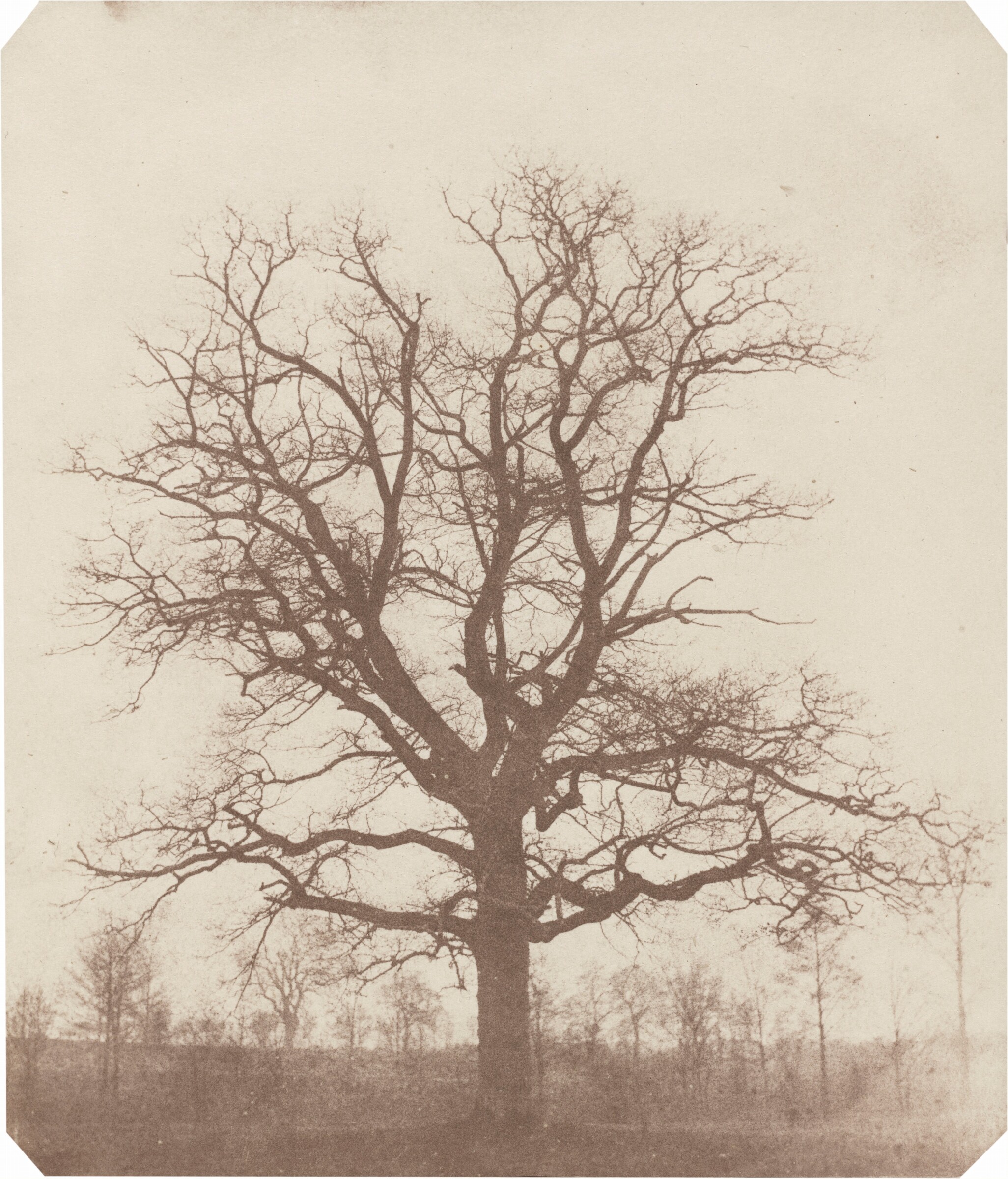
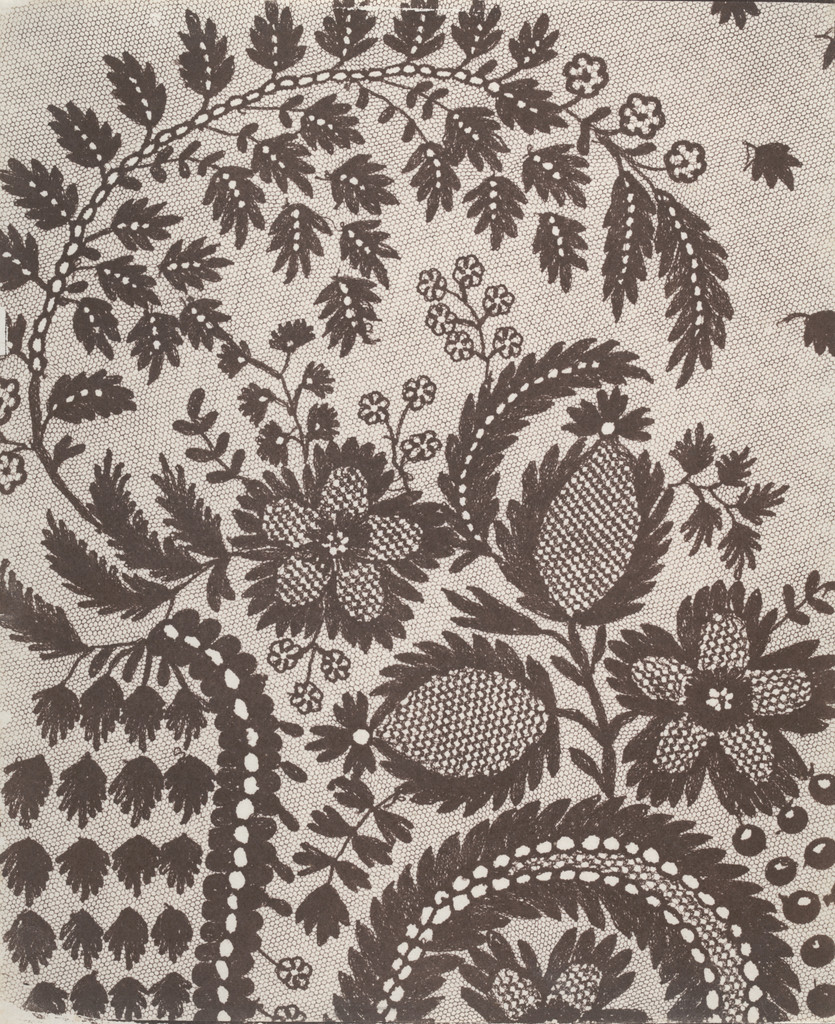
Fern
¿Se puede contemplar?
Por ahora no recibe

Galería Nacional de Arte
Washington D. C., Estados Unidos
Pertenece a la colección, pero ahora mismo no está expuesta.
- Comprobado
- En este estado desde
- Fuente
- Los datos de colección del propio museo
Ficha
- Número de inventario
- 2023.33.1
What it shows
En el catálogo
Fuentes
- Galería Nacional de Arte: the museum's own open data · obtenido hace 6 días
- Imagen: Galería Nacional de Arte — Museum open access
Mientras tanto, en la vida de William Henry Fox Talbot
La vida entera1822–1872
Half a century of papers for the Royal Society
From 1822 to 1872 Talbot communicated papers to the Royal Society of London, a large share of them on mathematical subjects.
1851
Archer’s collodion process displaces the calotype
In the year of Daguerre’s death Frederick Scott Archer publicised the wet collodion process with a glass negative, which soon replaced the calotype in commercial use. Reading his patent broadly, Talbot declared that collodion users, too, needed his licence.
1852
Dichromated gelatine: the basis of carbon printing
Talbot discovered that gelatine treated with potassium dichromate (a sensitiser introduced by Mungo Ponton in 1839) becomes less soluble on exposure to light. This later gave rise to carbon printing, and dichromated gelatine is still used in laser holography.
August 1852
An open letter in The Times against the patent
Lord Rosse, President of the Royal Society, and Charles Lock Eastlake, President of the Royal Academy, called on Talbot to ease the patent pressure that was stifling photography. Talbot waived the fees for amateurs but went on suing professional portrait photographers.
1854
The case of Talbot v. Laroche
Talbot sought to extend his 14-year patent while the court heard his suit against the photographer Martin Laroche: the jury upheld the patent but found that Laroche, working in collodion, did not infringe it. Disappointed, Talbot chose not to extend the patent.


![Ginevra de' Benci [obverse], Leonardo da Vinci, c. 1474/1478](https://api.nga.gov/iiif/8f29e3c9-a289-4d53-abf0-31a66e9e98fa/full/!2400,2400/0/default.jpg)
![Wreath of Laurel, Palm, and Juniper with a Scroll inscribed Virtutem Forma Decorat [reverse], Leonardo da Vinci, c. 1474/1478](https://api.nga.gov/iiif/ff62e8d0-45c4-498f-ad36-6358de827e04/full/!2400,2400/0/default.jpg)


