Betye SaarEstados Unidos, 1926–2026
Eshu (The Trickster)
¿Se puede contemplar?
Sí, recibe visitas

Instituto de Arte de Chicago
Sala297Chicago, Estados Unidos
Expuesta al público. Quién lo avala figura más abajo.
- Comprobado
- En este estado desde
- Fuente
- Los datos de colección del propio museo
About the sculpture
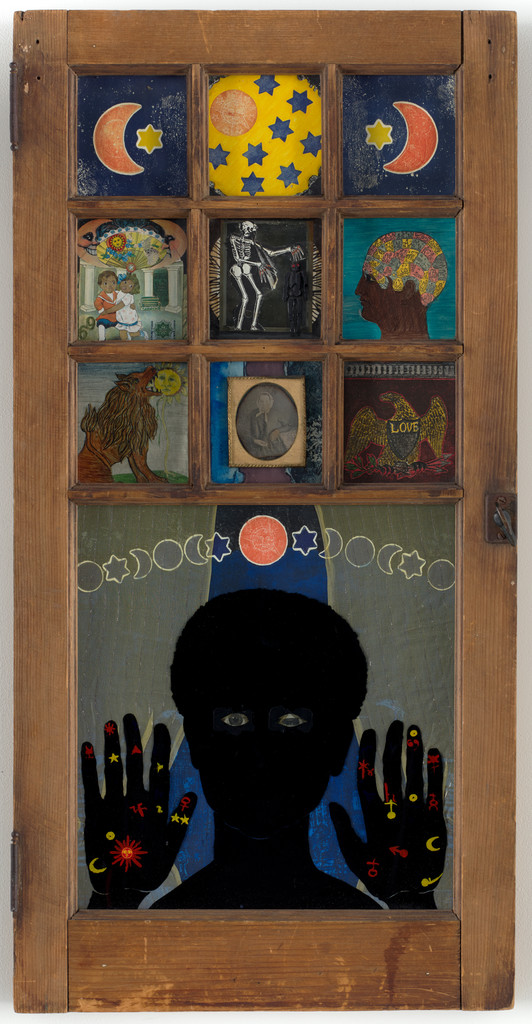
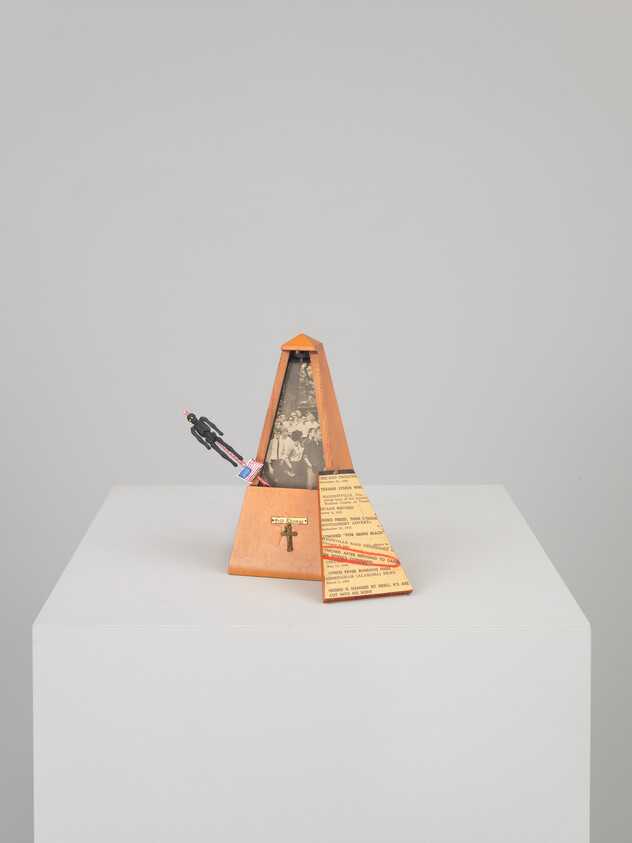
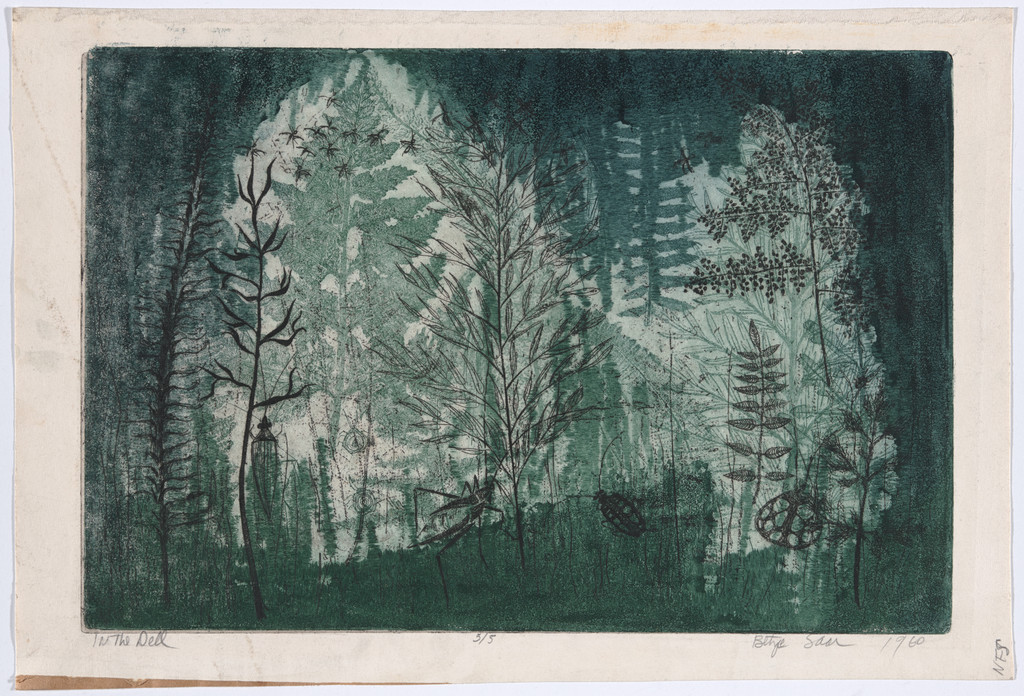
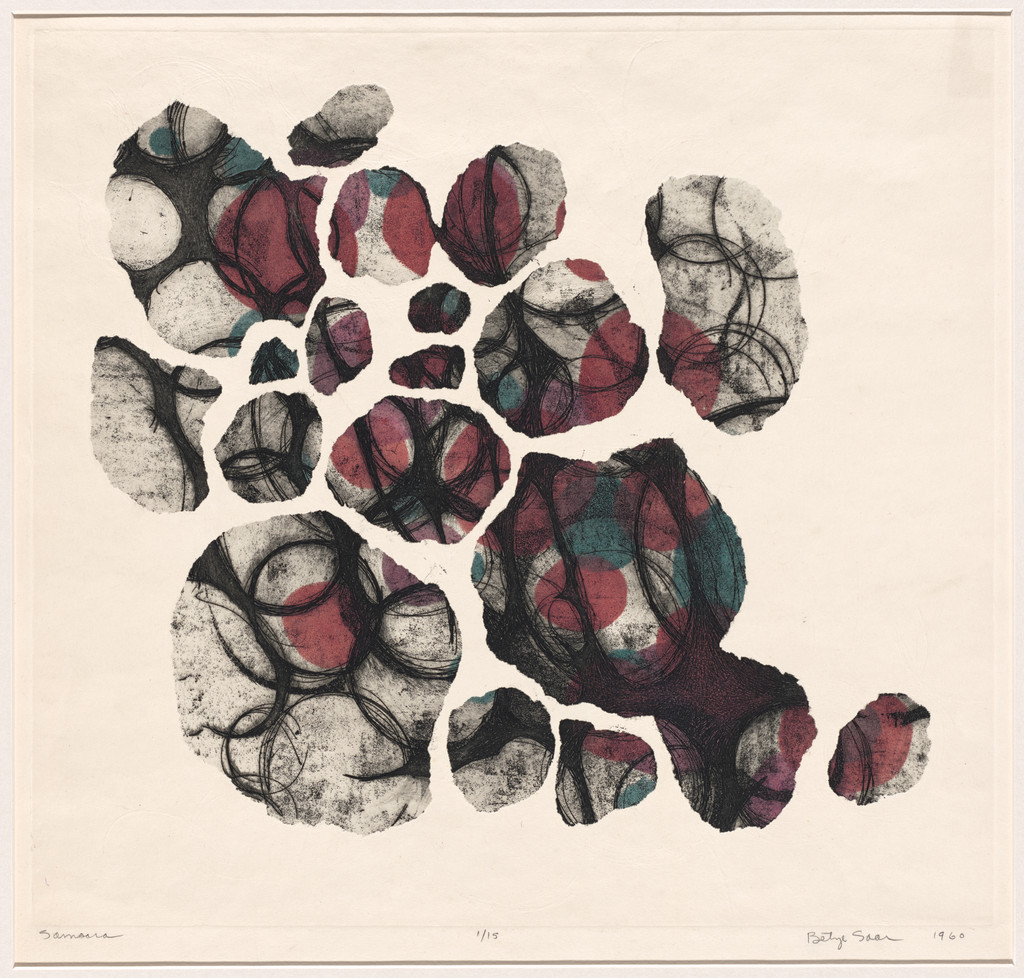
Betye Saar began her career as a printmaker in Los Angeles in the 1960s, incorporating metaphysical elements from a wide range of sources including phrenology, palm reading, and astrology. In the 1970s she started to incorporate imagery from Africa and the African diaspora, creating iconic works such as her assemblage The Liberation of Aunt Jemima (1972; Berkeley Art Museum) that appropriated racially offensive characters of the Jim Crow era to evoke and debunk stereotypes associated with blackness.
Read on
Eshu (The Trickster) was inspired by Saar’s visit to Chicago’s Field Museum of Natural History in 1970. Deeply impressed with the multitude of African objects she encountered, Saar returned home to start a new series of “ritual pieces” that she described as “mojos.” The titles of the work and the series are of African origin: Eshu is the trickster god of the Yoruba people of West Africa, known for his unpredictability and disruptive pranks, and mojo, in the artist’s words, “is a term referring to a magical amulet or charm that either works magic or heals.” To create this assemblage, Saar adhered fabric to a found leather support. “When I saw the main shape,” Saar reflected, “I knew I wanted to create a body.” She traced the contours of her own hands and feet in paint onto the surface to conjure an abstract version of Eshu and underscore the role of the artist as a conduit between the occult and intangible aspects of her art and their material manifestations.
Instituto de Arte de ChicagoCC BY 4.0
Ficha
- Número de inventario
- 2018.273
What it shows
En el catálogo
Idas y venidas
Expuesta · Sala 297
Instituto de Arte de Chicago · 28 sept 2026 — hoy · Verificado
Expuesta · Regenstein Hall
Instituto de Arte de Chicago · 19 ago 2026 — 28 sept 2026 · Verificado
Fuentes
- Instituto de Arte de Chicago: the museum's own open data · obtenido hace 7 días
- Imagen: Instituto de Arte de Chicago — © the artist or rights holder