ART WIKI32.963 en sala
MapaColecciónArtistasMuseosExposicionesRevista
Acceder

ART WIKI

Dónde cuelga la obra maestra y cuándo le dejan pasar.

Colecciones: Galería Nacional de Arte, Galería Nacional de Dinamarca, Galería Nacional de Retratos, Galería Tretiakov, Harvard Art Museums, Instituto de Arte de Chicago, Instituto de Artes de Mineápolis, MoMA, Museo de Arte de Cleveland, Museo de Victoria y Alberto, Museo del Hermitage, Museo del Louvre, Museo Estatal Ruso, Museo Hirshhorn y Jardín de Esculturas, Museo J. Paul Getty, Museo Metropolitano de Arte, Museo Pushkin, Museo Smithsoniano de Arte Americano, Museo Whitney de Arte Estadounidense, National Museum of Asian Art, Rijksmuseum, Villa Getty, Catálogo Estatal del Fondo Museístico de Rusia (274 museos), Europeana (19 museos), Wikidata (6 museos), Paris Musées (12 museos) y Joconde, la base de museos del Ministerio de Cultura de Francia (495 museos). Las imágenes pertenecen a sus titulares de derechos.

Secciones

  • Mapa
  • Búsqueda
  • Colección
  • Obras maestras
  • Expuestas ahora
  • Artistas

Más

  • Museos y galerías
  • Exposiciones
  • Revista
  • De dónde salen los datos
  • Privacidad y cookies
InicioMapaCatálogo
  1. Colección/
  2. Museo de Victoria y Alberto/
  3. Edward and Eleanor
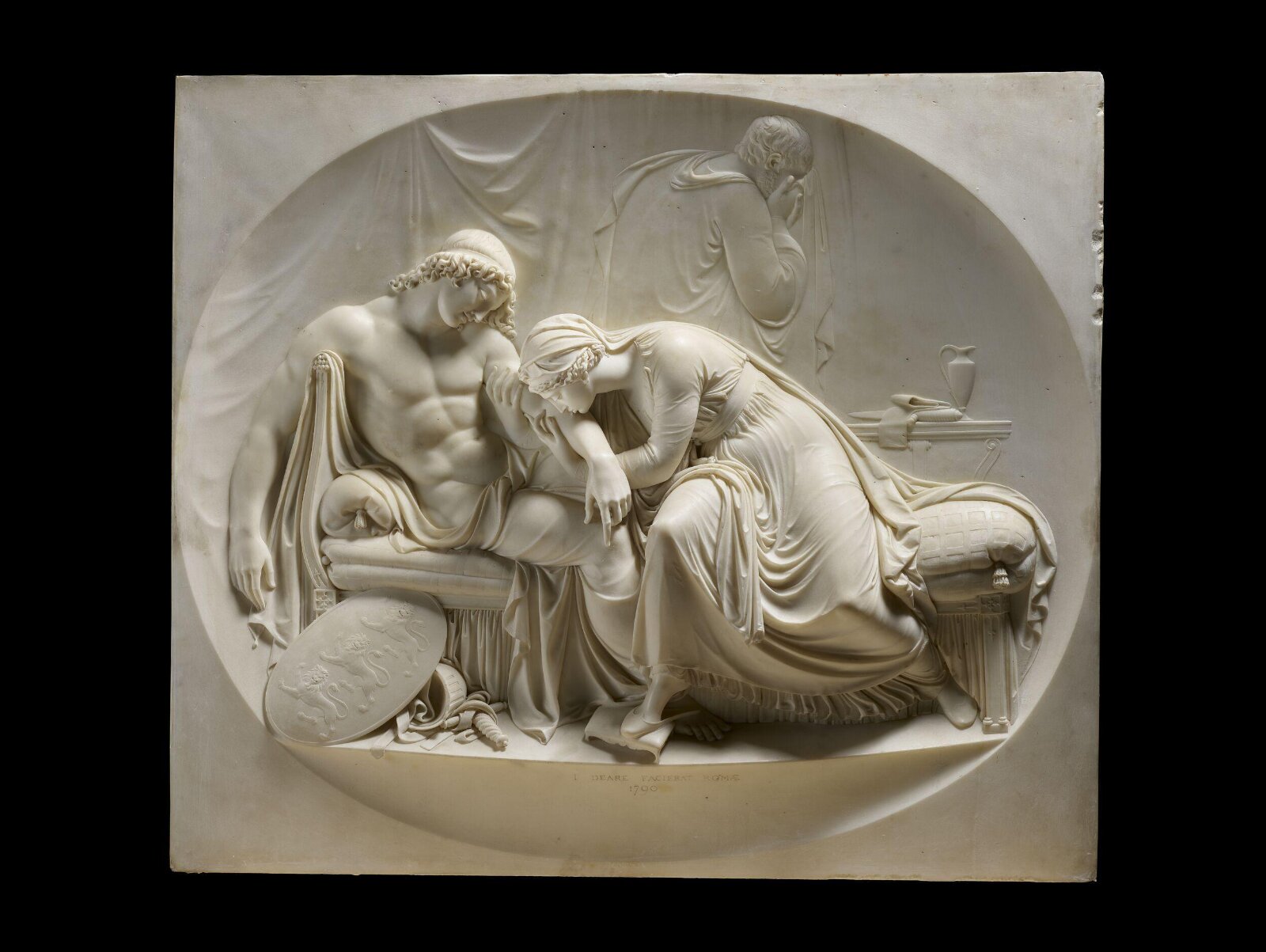
Edward and Eleanor, John Deare, 1790

Edward and Eleanor

1790 · Relief · 85.5 × 98.7 cm

Sobre la escultura

This large marble relief was carved in Rome in 1790 by John Deare (1759-1798), a British sculptor, born in Liverpool. At the age of 25, he settled in Rome, where he specialised in the production of a relatively affordable genre for the Grand Tourist clientele, that of chimney pieces and adaptable reliefs used as overmantel for which he created original compositions that he duplicated in plaster and marble. He was highly recognised by his contemporaries for his remarkable carving skills, but he died prematurely at the age of 38. The V&A owns another larger overmantel by Deare (A.10-2011) and several sketchbooks. One of them includes a preparatory study for the Edward and Eleanor relief (E.260-1968).

Seguir leyendo

Although this scene appears to be taken from ancient Greek history, it actually depicts an episode of medieval British history centred on Prince Edward (1239-1307), who later became King Edward I, and his wife Eleanor of Castile. At Acre, in 1272, during the Ninth Crusade, the prince was stabbed with a poisoned dagger by a Muslim assassin. According to legend, Eleanor heroically sucked the poison from the wound, saving her husband’s life. While the assassination attempt is recorded in historical sources, the role of Eleanor is believed to be apocryphal.

Deare may have been inspired to depict the scene of Edward and Eleanor by a tragedy written by James Thomson in 1739. Originally banned, the play was first performed in London, at Covent Garden, in 1775. This historical melodrama received particular attention in those years. Deare was also likely aware of Angelica Kauffman's painting of the same subject, exhibited at the Royal Academy in 1776 and later distributed as a stipple etching by W. W. Ryland in 1780.

Más obras de John Deare

Todas las obras

Bajo el mismo techo: Museo de Victoria y Alberto

Página del museo

There are three marble versions of Deare’s composition and several in plaster. The first iteration was a partially coloured plaster, created in 1786 for Henry Blundell of Ince Blundell Hall in Lancashire, where it remains to this day. Prior to installation, the work was presented at the Royal Academy in 1788 as the sculptor’s first exhibition piece. Other plaster versions can be found at the Walker Art Gallery in Liverpool, at Lyons Demesne in County Kildare (Ireland), and at Wimpole Hall in Cambridgeshire.

The first marble version was commissioned in December 1789 by Patrick Lattin, a Catholic Irish captain, for his Parisian residence. Due to the political unrest in those years, it isn’t known whether the relief ever went to Paris. A few decades later, the relief belonged to Henry Harrington of Grange in County Wicklow, a house located not far from Lattin’s Irish estate. It was sold in 1832 and reappeared on the London art market in the 1940s. It later belonged to art historians Hugh Honour and John Fleming, and was sold at Sotheby's London in 2017 (5 July, lot 35). This version bears the apocryphal inscription 'Roubiliac Sc.', referring to the French sculptor who was active in England in the 1700s. Although the composition is identical to the plaster versions, Deare adapted the design of the shield for this commission. For Lattin, a strong reference to English history may have been unwelcome. Deare therefore replaced the three lions passant, which represent the Royal Arms of England, with a single lion.

The V&A marble relief is signed “I DEARE FACIEBAT ROMAE” and dated 1790. It was probably carved around the same time as the one for Patrick Lattin, either for an undocumented patron who subsequently withdrew their offer or to be kept in the workshop for a future buyer. In May 1792, Deare sold the marble relief to Andrew Corbet Corbet (1752–1823), an Englishman who spent three years on a Grand Tour of Italy with his wife, Lady Hester. The following year, the couple commissioned a chimneypiece with a relief of the Nine Muses from Deare. By 1810, both the chimneypiece and the Eleanor and Edward relief had been installed in their house, Adderley Hall in Shropshire. When the house was demolished in 1955, the chimneypiece was sold and the relief remained with the family.

A third version in marble is listed in Deare’s post-mortem inventory; it’s current whereabout is unknown.

Museo de Victoria y Alberto

Ficha

1790 · a los 31 años
17591798
Número de inventario
A.1-2025

Fuentes

  • Museo de Victoria y Alberto
  • Imagen: Museo de Victoria y Alberto — © Victoria and Albert Museum, London
JJohn DeareInglaterra, 1759–1798

¿Se puede contemplar?

Sí, recibe visitas

Museo de Victoria y Alberto

Londres, Reino Unido

SalaBritish Galleries, Room 119

Expuesta al público. Quién lo avala figura más abajo.

Comprobado
hace 12 días
En este estado desde
25 sept 2026
Fuente
El museo
En el mapaPágina del museo
Venus Reclining on a Sea Monster with Cupid and a Putto, John Deare, 1787/1788–1790

Venus Reclining on a Sea Monster with Cupid and a Putto

1787/1788–1790 · Museo J. Paul Getty

Bacchus Feeding a Panther, John Deare, 1792

Bacchus Feeding a Panther

1792 · Instituto de Arte de Chicago

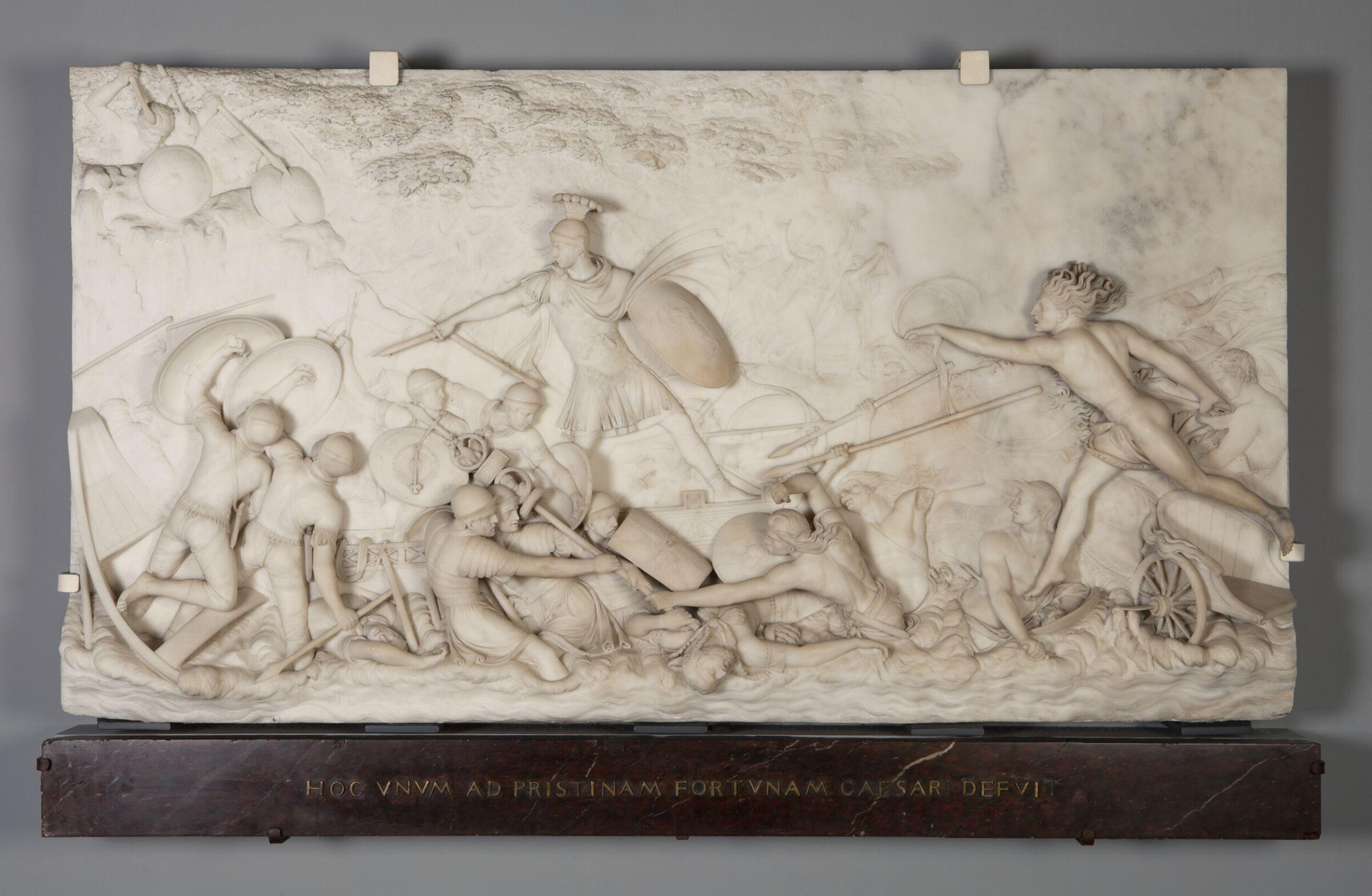
Caesar Invading Britain, John Deare, 1796

Caesar Invading Britain

1796 · Museo de Victoria y Alberto

Two Mounted Warriors, John Deare, n.d.

Two Mounted Warriors

n.d. · No expuesta · Instituto de Arte de Chicago

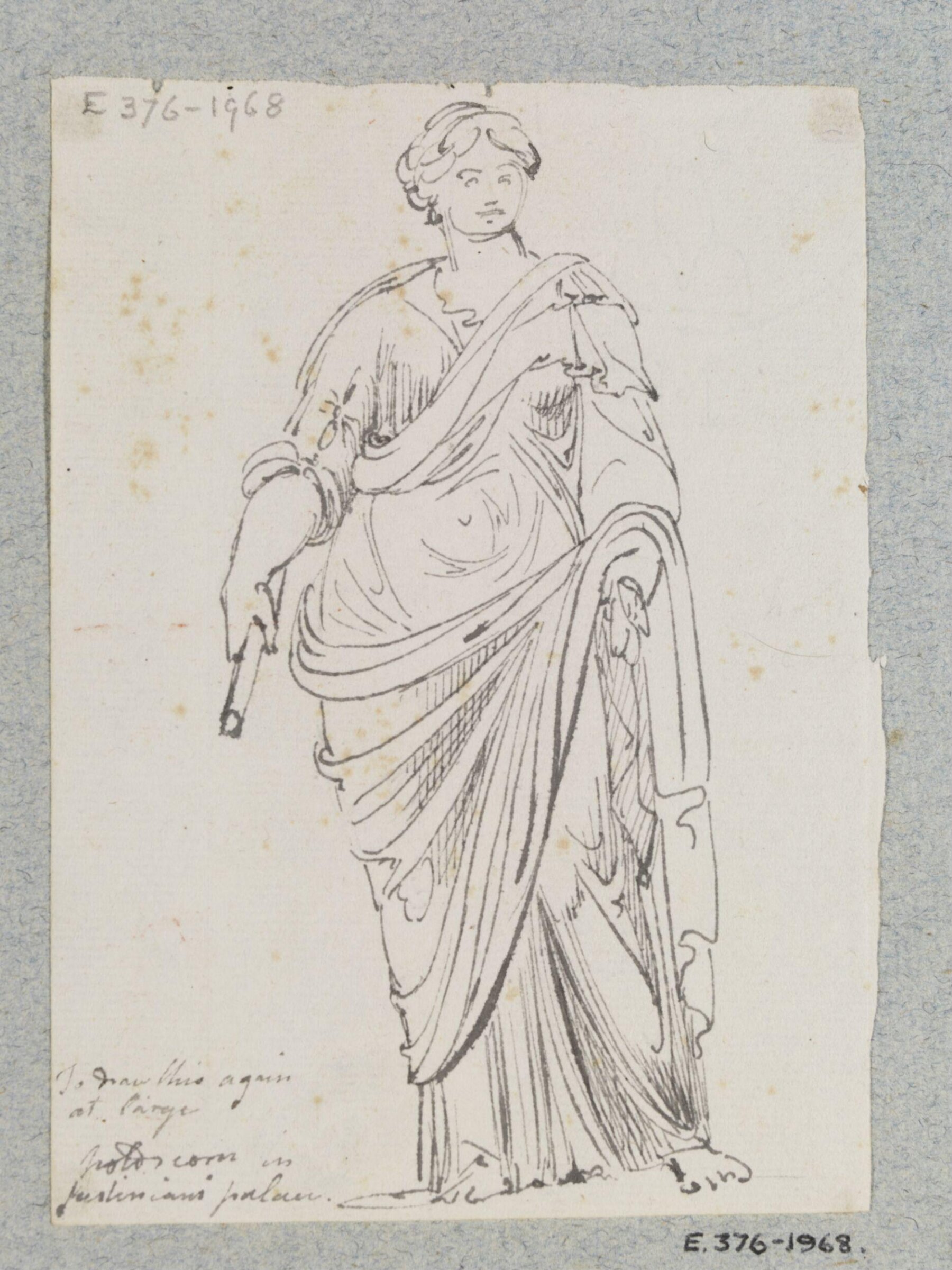
Drawing, John Deare, 1784-1790

Drawing

1784-1790 · No expuesta · Museo de Victoria y Alberto

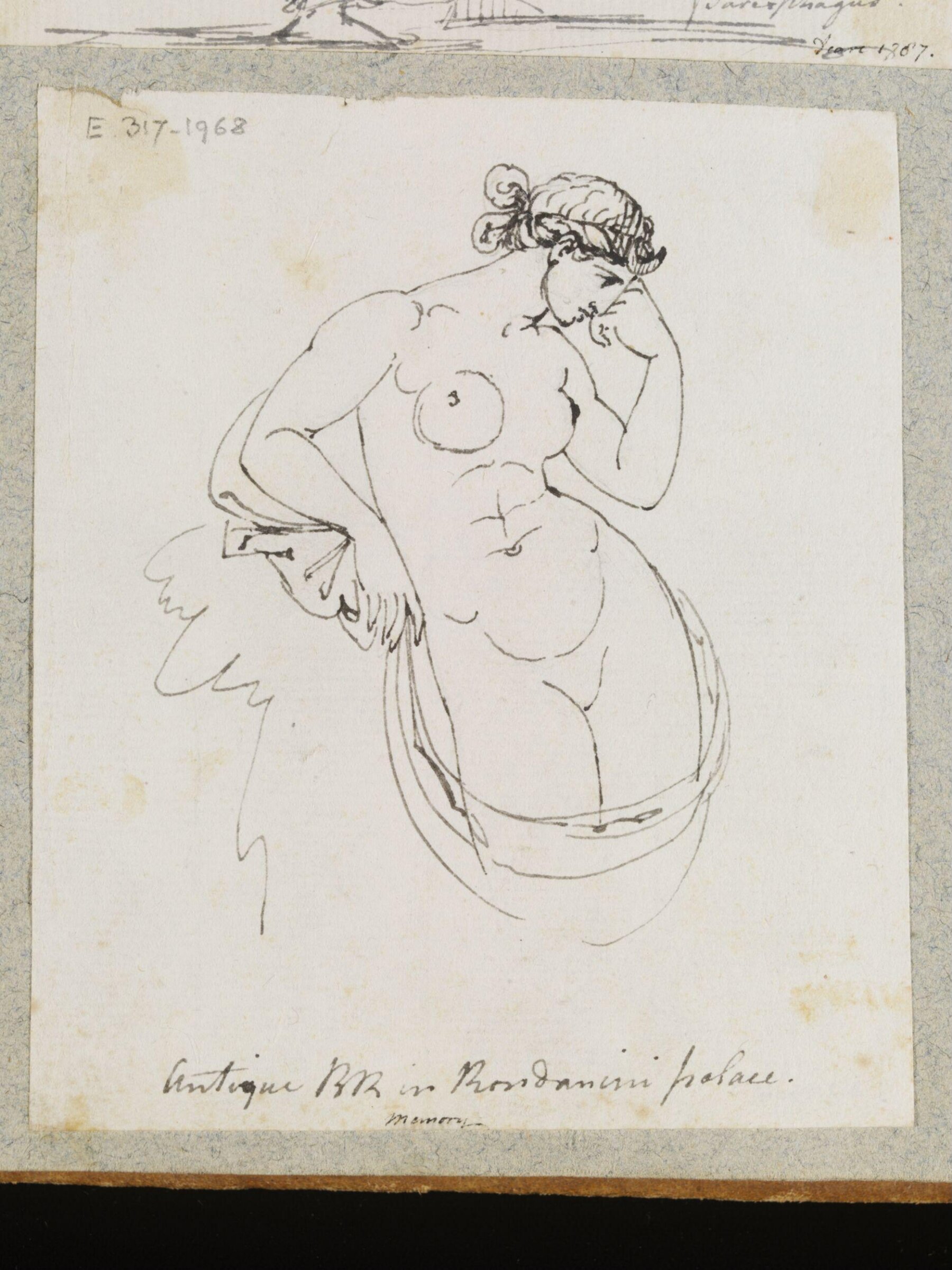
Drawing, John Deare, 1784-1790

Drawing

1784-1790 · No expuesta · Museo de Victoria y Alberto

Venus and Cupid, John Deare, 1789

Venus and Cupid

1789 · No expuesta · Instituto de Arte de Chicago

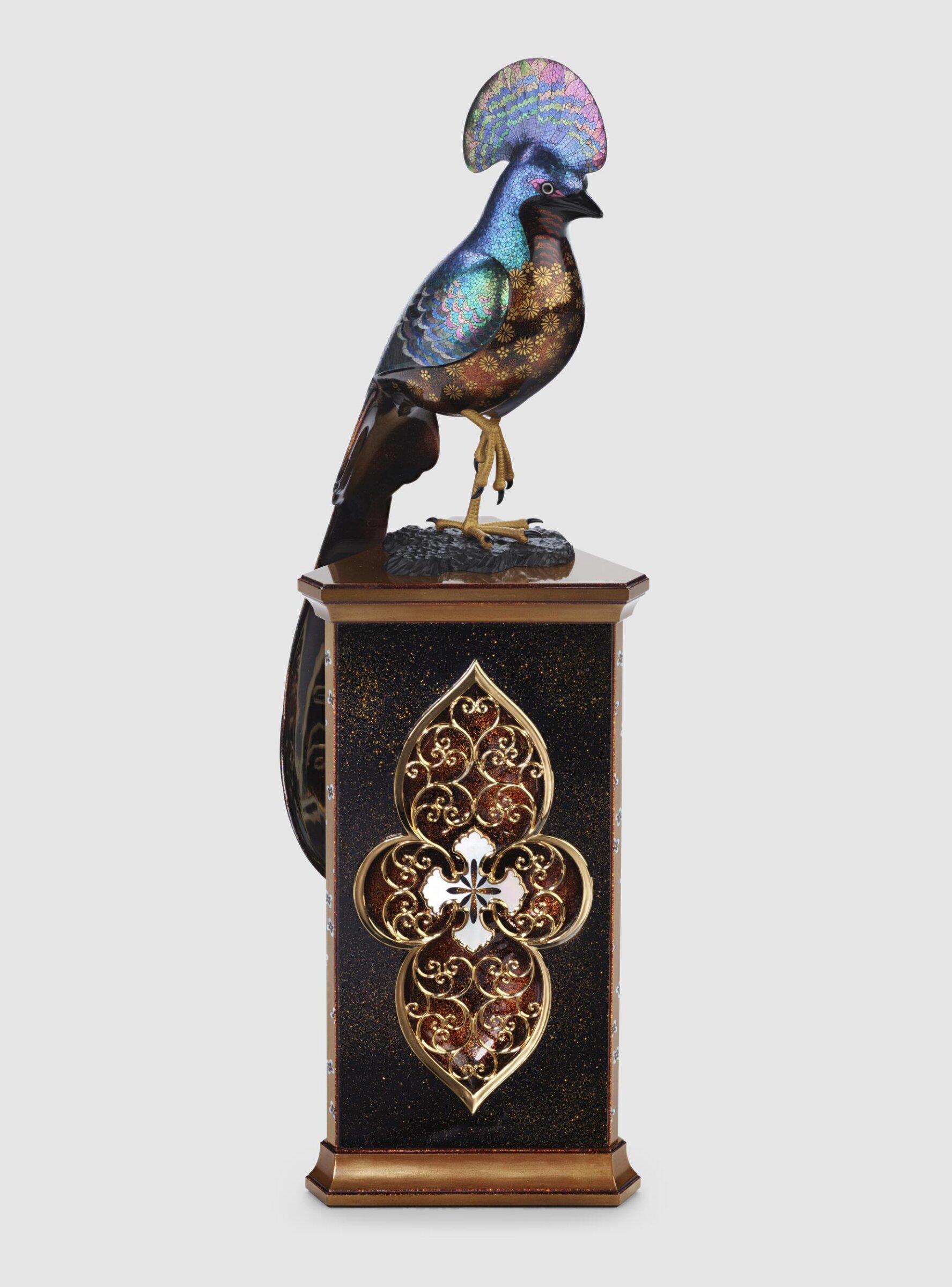
Bird of Paradise, Hashimoto Chitaka, 2026

Hashimoto Chitaka

Bird of Paradise, 2026

Torsion 2, Taruma Shoko, 2025

Taruma Shoko

Torsion 2, 2025

Fu, Someya Satoshi, 2025

Someya Satoshi

Fu, 2025

Bow Before the Curtain Falls, 2024

Bow Before the Curtain Falls, 2024

Summer, 2024

Summer, 2024

Red Flow, Ishizuka Genta, 2024

Ishizuka Genta

Red Flow, 2024

3D replica of Michelangelo's Prisoner (4117-1854), Factum Arte, 2024

Factum Arte

3D replica of Michelangelo's Prisoner (4117-1854), 2024

Sculpture, ‘Co-Existence – the Man and the Monkey’, Zhao Lin, 2024

Zhao Lin

Sculpture, ‘Co-Existence – the Man and the Monkey’, 2024

Lo que muestra

Edward I, King of England and Lord of IrelandEleanor of Castile, Queen Consort of England

En el catálogo

EsculturaMármolNeoclasicismoSiglo XVIIINeoclassicalRoma