ART WIKI32.963 en sala
MapaColecciónArtistasMuseosExposicionesRevista
Acceder

ART WIKI

Dónde cuelga la obra maestra y cuándo le dejan pasar.

Colecciones: Galería Nacional de Arte, Galería Nacional de Dinamarca, Galería Nacional de Retratos, Galería Tretiakov, Harvard Art Museums, Instituto de Arte de Chicago, Instituto de Artes de Mineápolis, MoMA, Museo de Arte de Cleveland, Museo de Victoria y Alberto, Museo del Hermitage, Museo del Louvre, Museo Estatal Ruso, Museo Hirshhorn y Jardín de Esculturas, Museo J. Paul Getty, Museo Metropolitano de Arte, Museo Pushkin, Museo Smithsoniano de Arte Americano, Museo Whitney de Arte Estadounidense, National Museum of Asian Art, Rijksmuseum, Villa Getty, Catálogo Estatal del Fondo Museístico de Rusia (274 museos), Europeana (19 museos), Wikidata (6 museos), Paris Musées (12 museos) y Joconde, la base de museos del Ministerio de Cultura de Francia (495 museos). Las imágenes pertenecen a sus titulares de derechos.

Secciones

  • Mapa
  • Búsqueda
  • Colección
  • Obras maestras
  • Expuestas ahora
  • Artistas

Más

  • Museos y galerías
  • Exposiciones
  • Revista
  • De dónde salen los datos
  • Privacidad y cookies
InicioMapaCatálogo
  1. Colección/
  2. Museo de Victoria y Alberto/
  3. Durga Mahishasuramardini
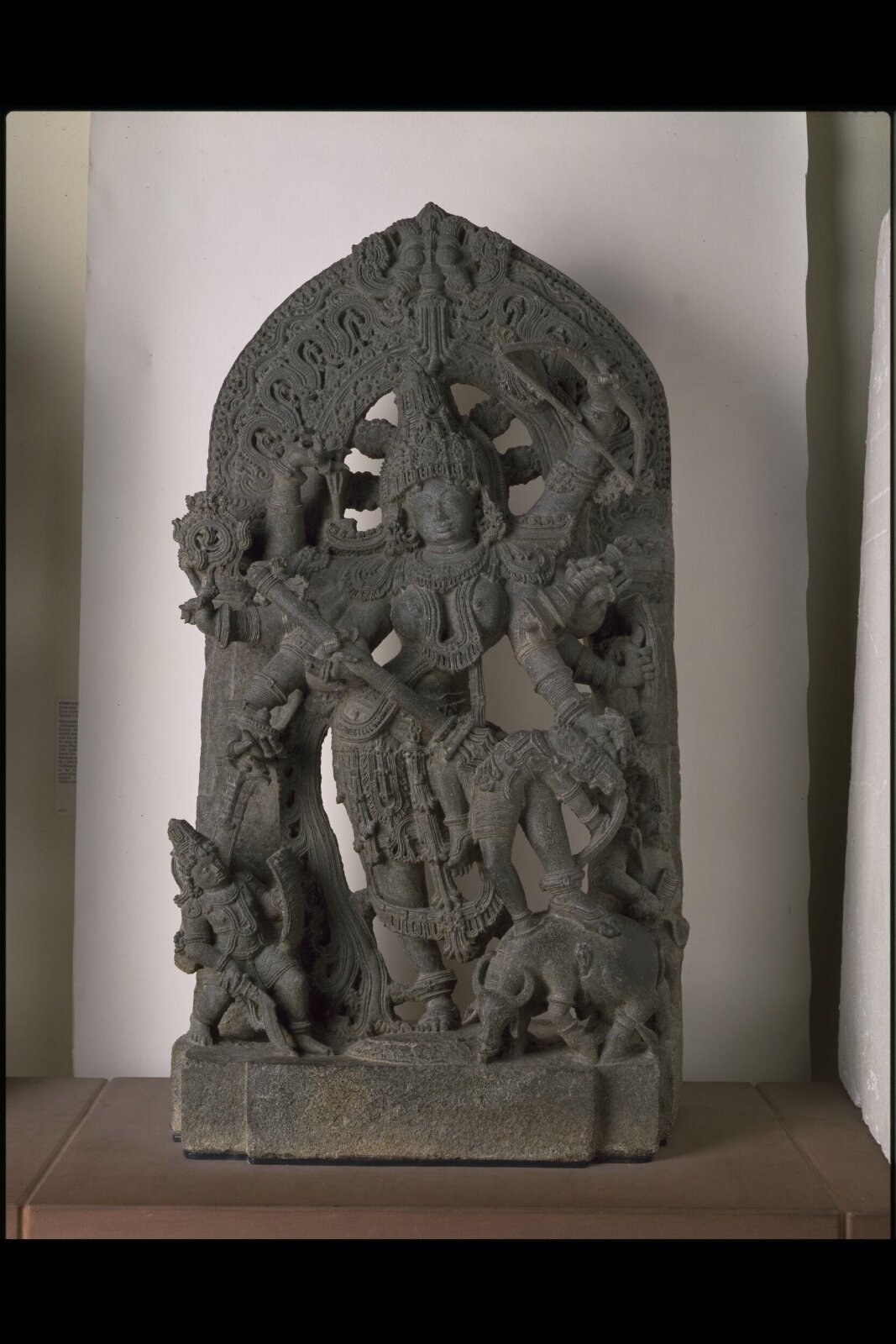
Durga Mahishasuramardini, mid-13th century

Durga Mahishasuramardini

mid-13th century · Figure group · 147 × 82 cm

Sobre la escultura

The goddess Durga, the sakti or female energy of Shiva, in her ferocious form as the slayer of the buffalo demon Mahisa. Durga is represented in her eight-armed aspect, wielding the sacred weapons used against the forces of evil. The demon is seen emerging from his buffalo guise as Durga’s trisula (trident) pierces his body. The goddess is eight-armed and holds the supernatural weapons of the gods, notably the bana, chakra, khadga and trisula in her right arms and the dhanus, ghanta and khetaka in her upper left hands, pressing Mahisa's head with the remaining hand. The demon is pierced by Durga's trident as he emerges from the dying buffalo form. Two other demons (asuras) are shown - one is pierced by an arrow and the other receives a thrust from Durga's sword. The goddess wears elaborate ornaments including a ratna mukuta, karas, yajna pavita, katibandha, makara kindalas and rings, bracelets, armlets and anklets. Behind the group is makara torana with kirttimukha at the top.

Seguir leyendo

The Hoysalas established their capital at Halebid early in the 11th century and endowed many major temples in southern Karnataka. Their flamboyant sculptural style derived from the late Calyuka traditions and flourished throughout the 12th and 13th centuries. This sculpture was presented to the seventh Viscount Powerscourt whilst in Karnataka in 1861. The precise provenance of this sculpture is not recorded but close parallels can be seen in the sculptures at Sadasiva Temple, Nuggihalli, southeast of Halebid.

Museo de Victoria y Alberto

Ficha

Número de inventario
IS.77-1965

Bajo el mismo techo: Museo de Victoria y Alberto

Página del museo

Sobre el mismo tema · Hindu

Todas las obras sobre el tema

¿Se puede contemplar?

Por ahora no recibe

Museo de Victoria y Alberto

Londres, Reino Unido

Pertenece a la colección, pero ahora mismo no está expuesta.

Comprobado
hace 12 días
En este estado desde
25 sept 2026
Fuente
El museo
En el mapaPágina del museo

Lo que muestra

Hindu

En el catálogo

EsculturaPiedraHoysala styleKarnataka

Fuentes

  • Museo de Victoria y Alberto
  • Imagen: Museo de Victoria y Alberto — © Victoria and Albert Museum, London
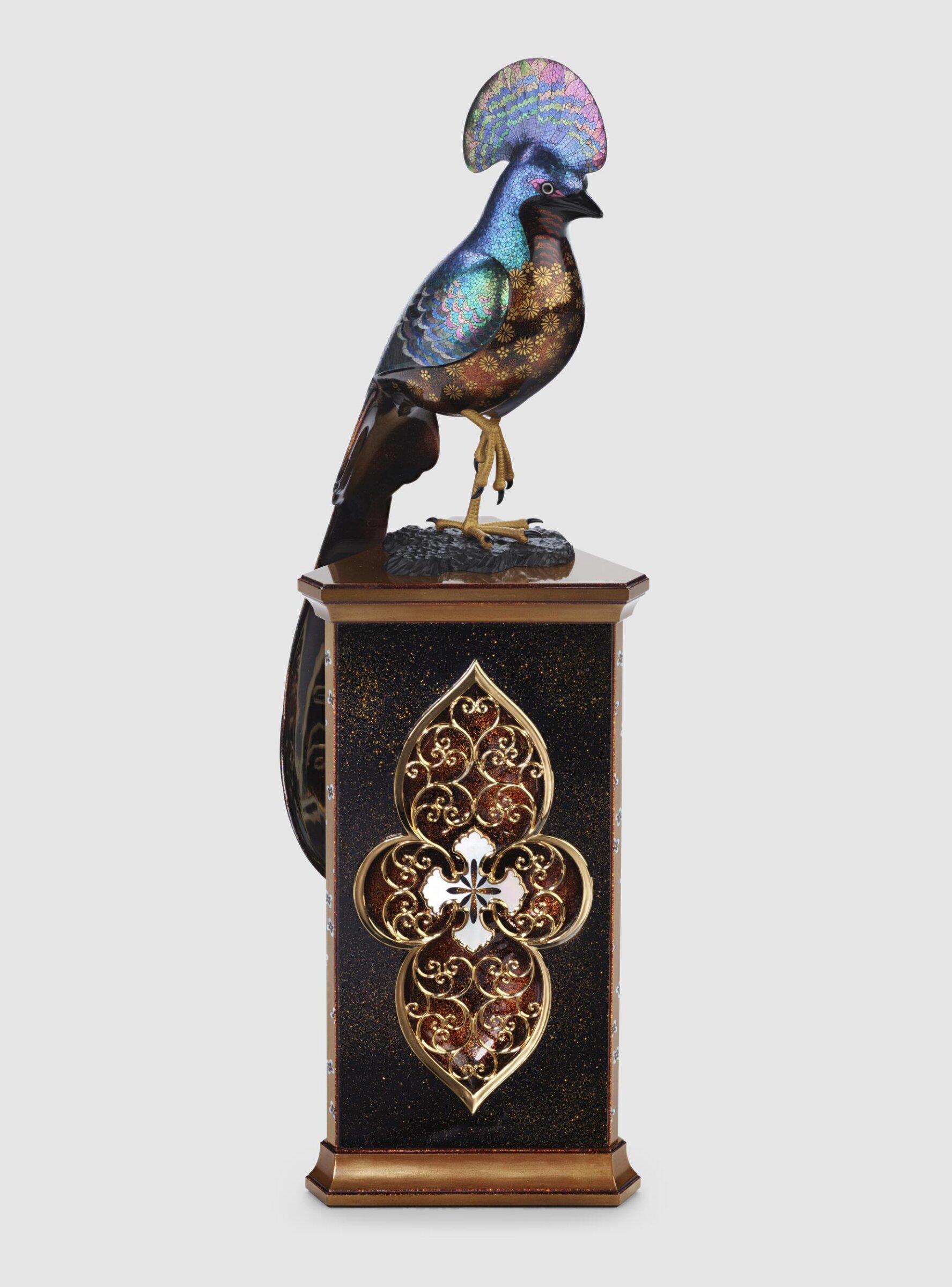
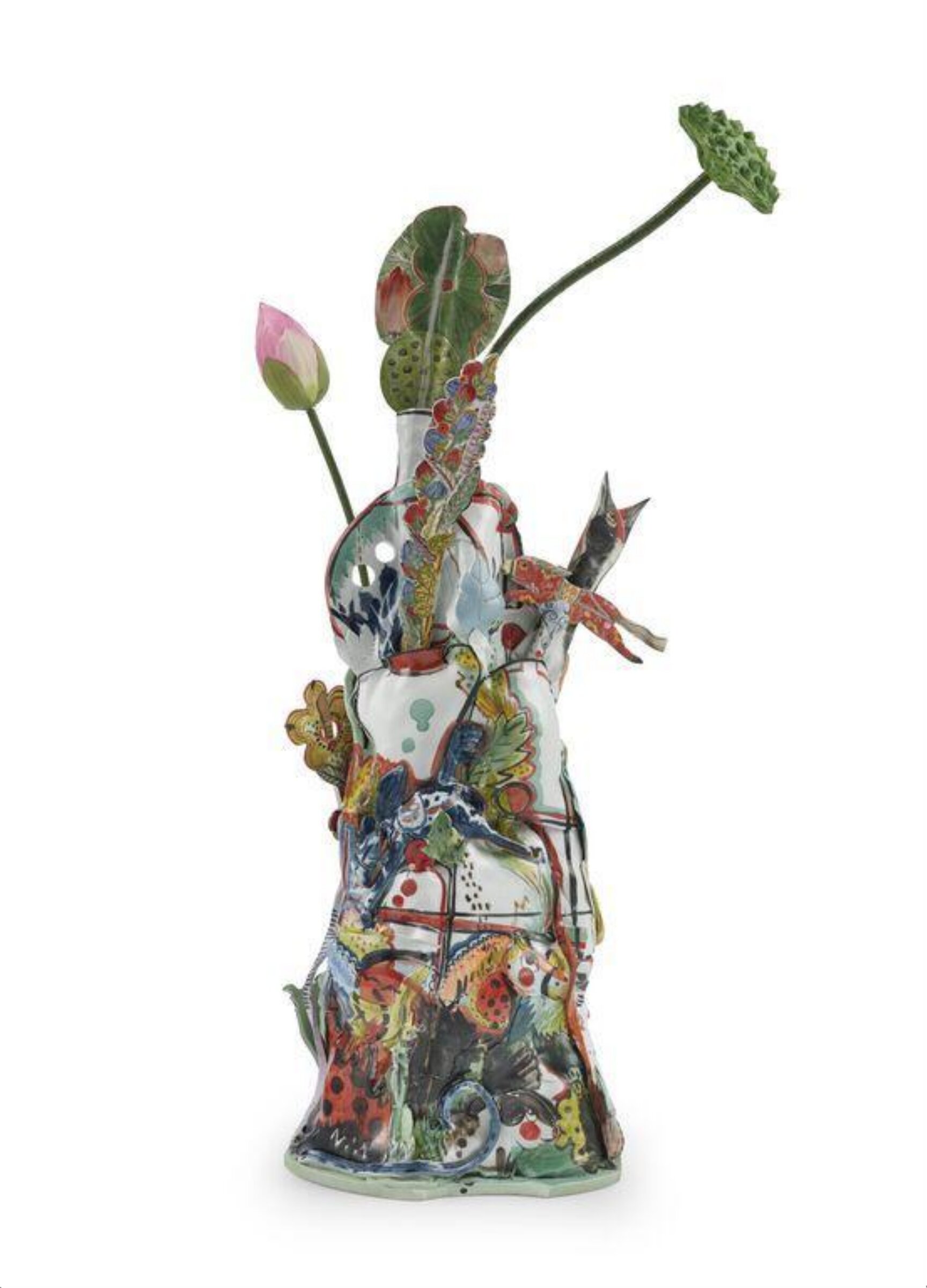
Bird of Paradise, Hashimoto Chitaka, 2026

Hashimoto Chitaka

Bird of Paradise, 2026

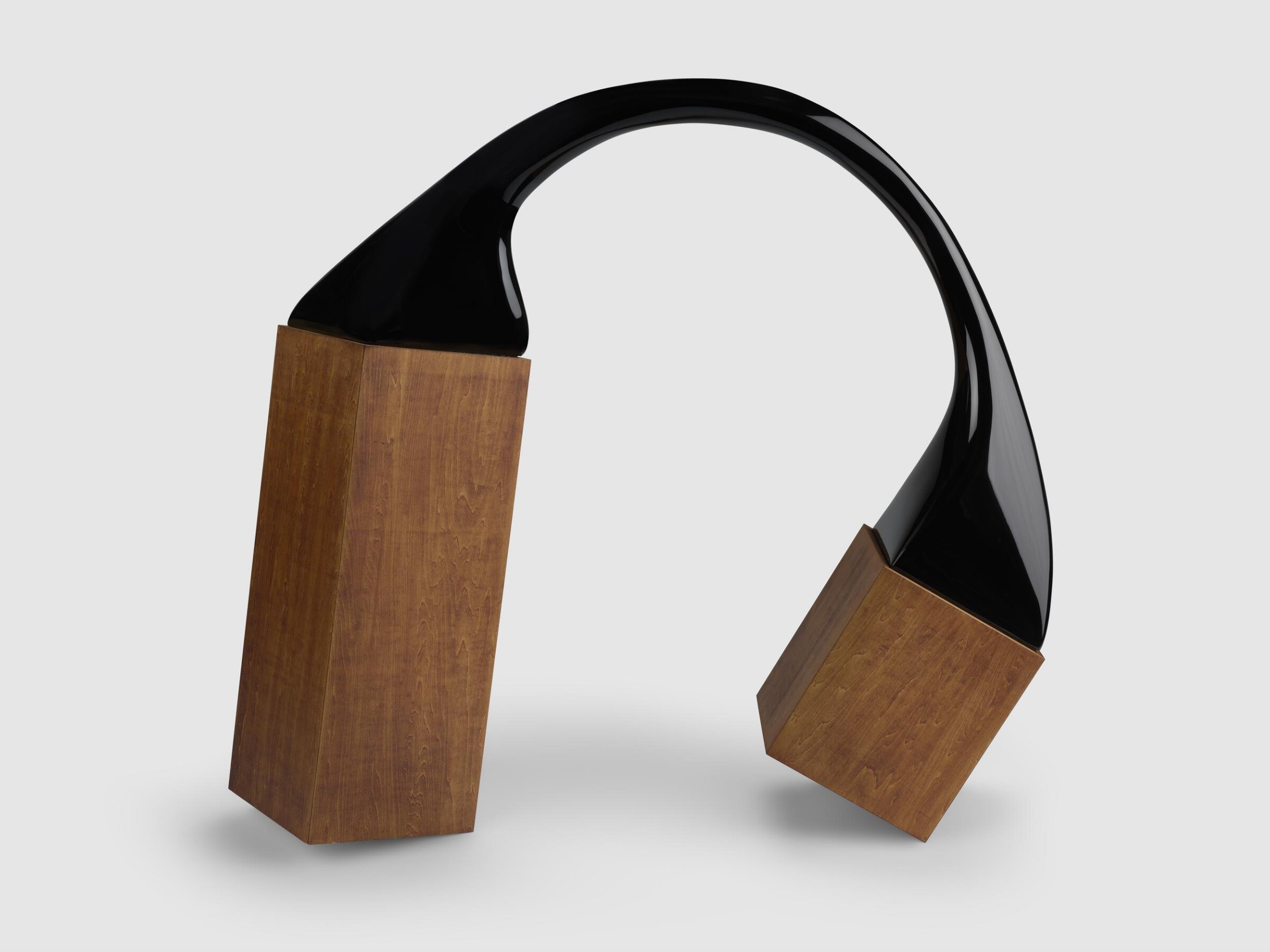
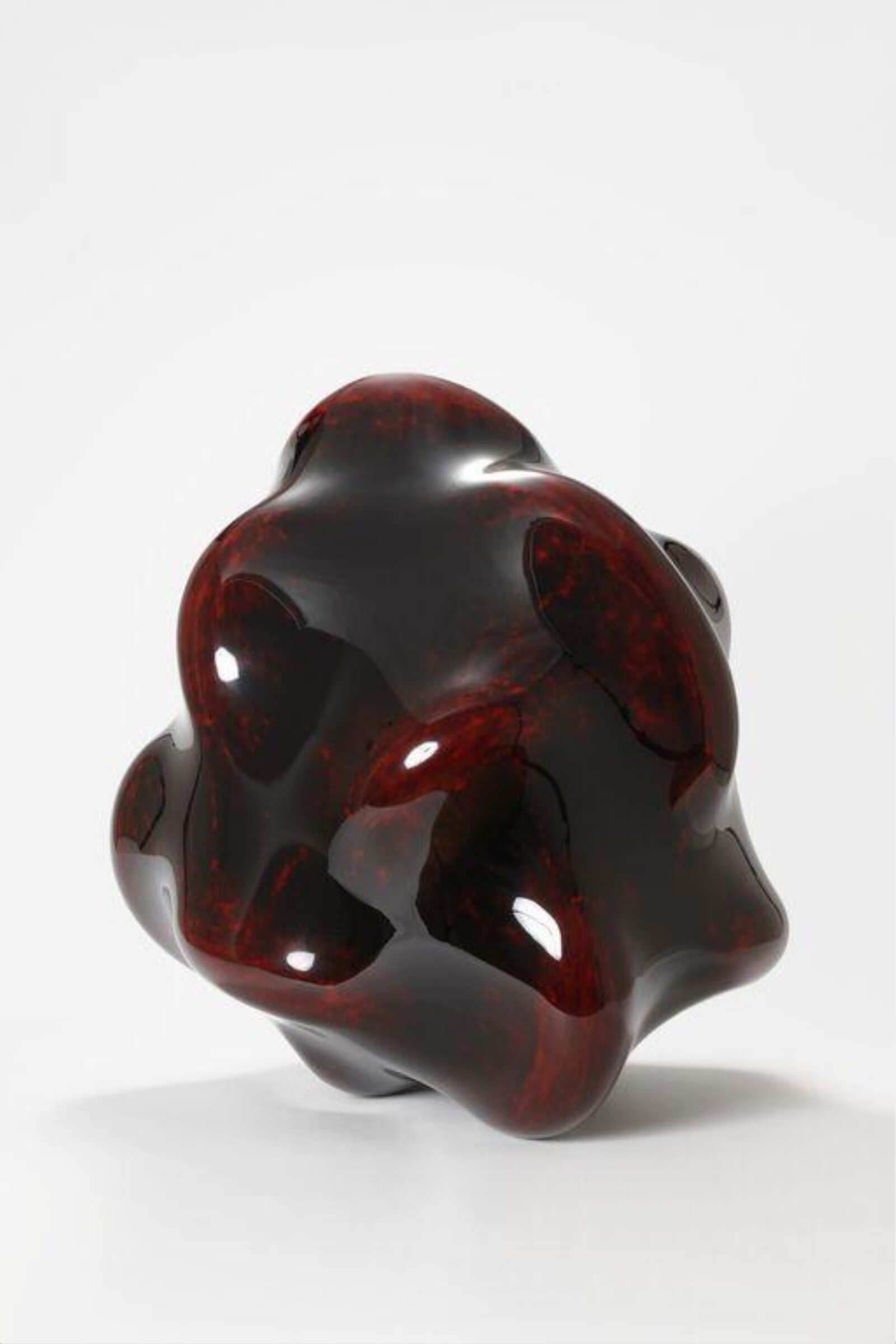
Torsion 2, Taruma Shoko, 2025

Taruma Shoko

Torsion 2, 2025

Fu, Someya Satoshi, 2025

Someya Satoshi

Fu, 2025

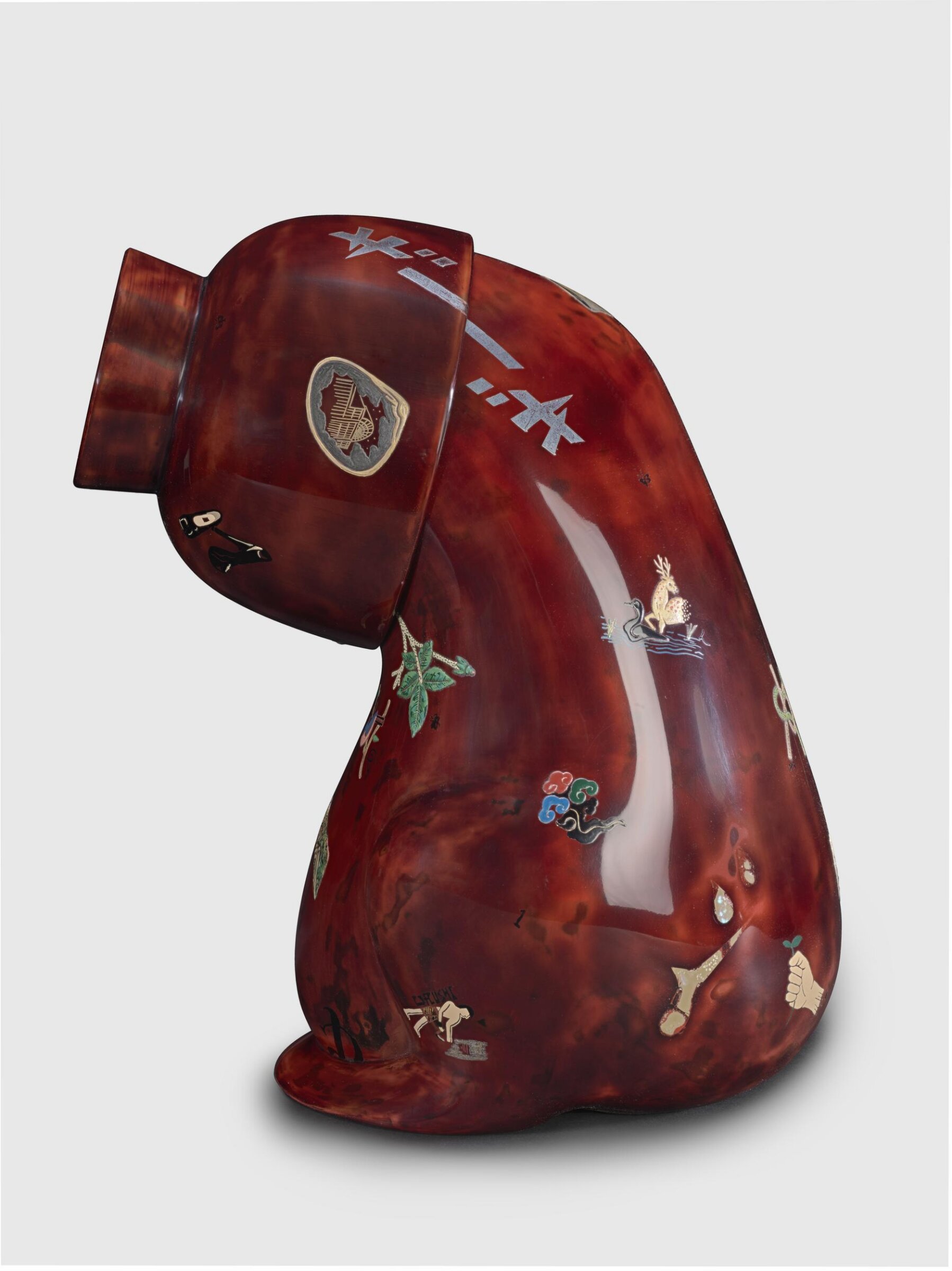
Bow Before the Curtain Falls, 2024

Bow Before the Curtain Falls, 2024

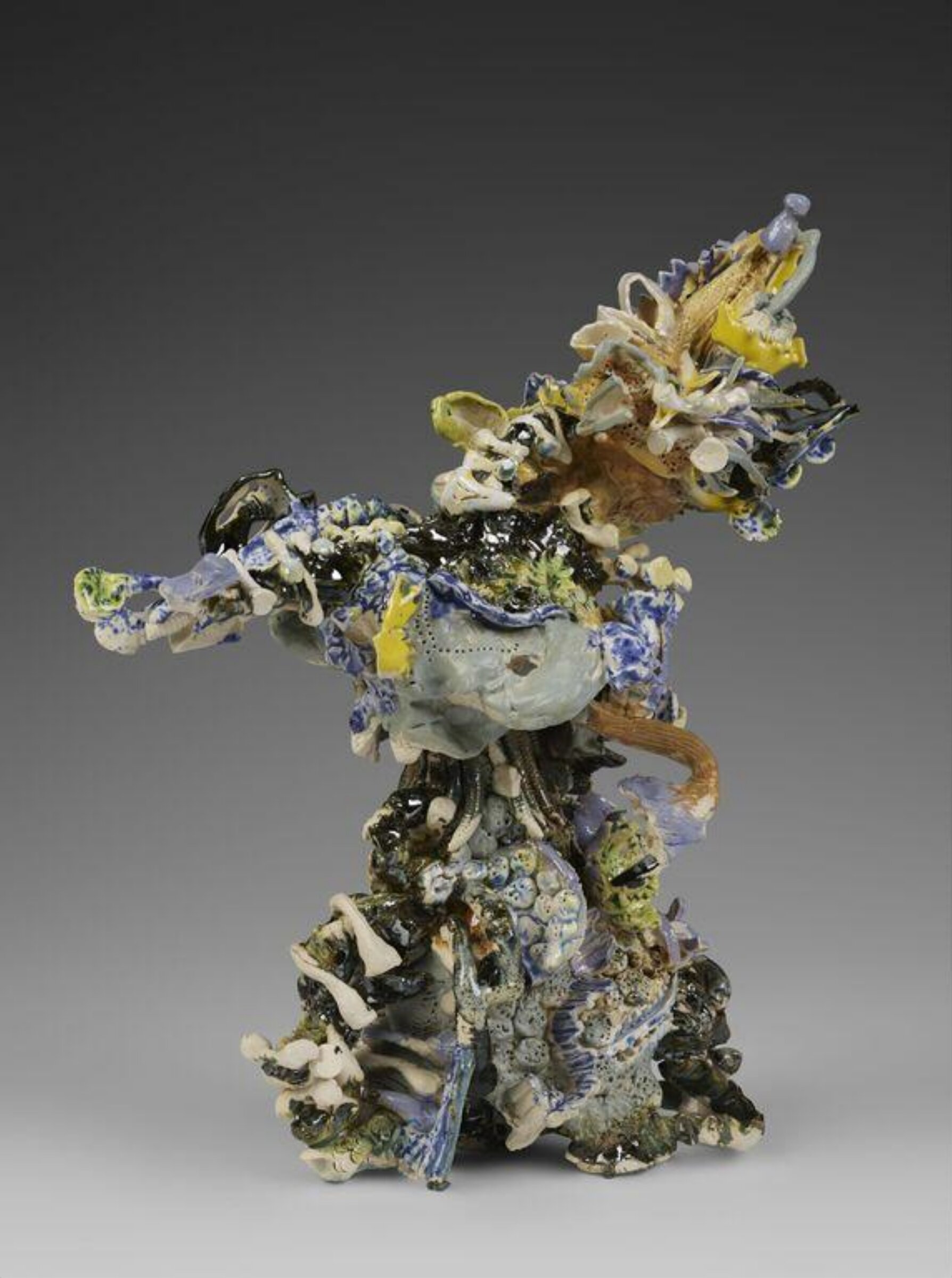
Summer, 2024

Summer, 2024

Red Flow, Ishizuka Genta, 2024

Ishizuka Genta

Red Flow, 2024

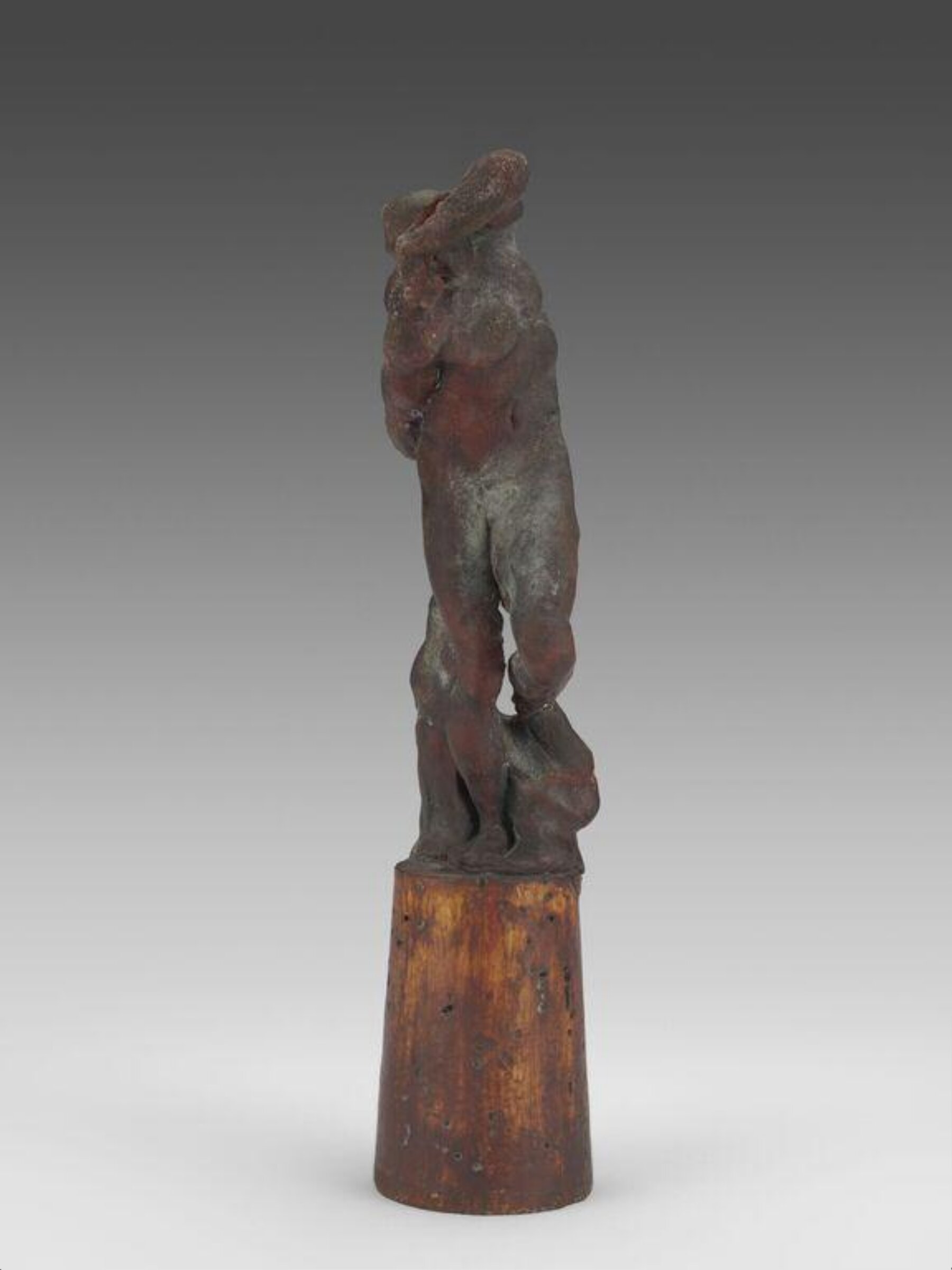
3D replica of Michelangelo's Prisoner (4117-1854), Factum Arte, 2024

Factum Arte

3D replica of Michelangelo's Prisoner (4117-1854), 2024

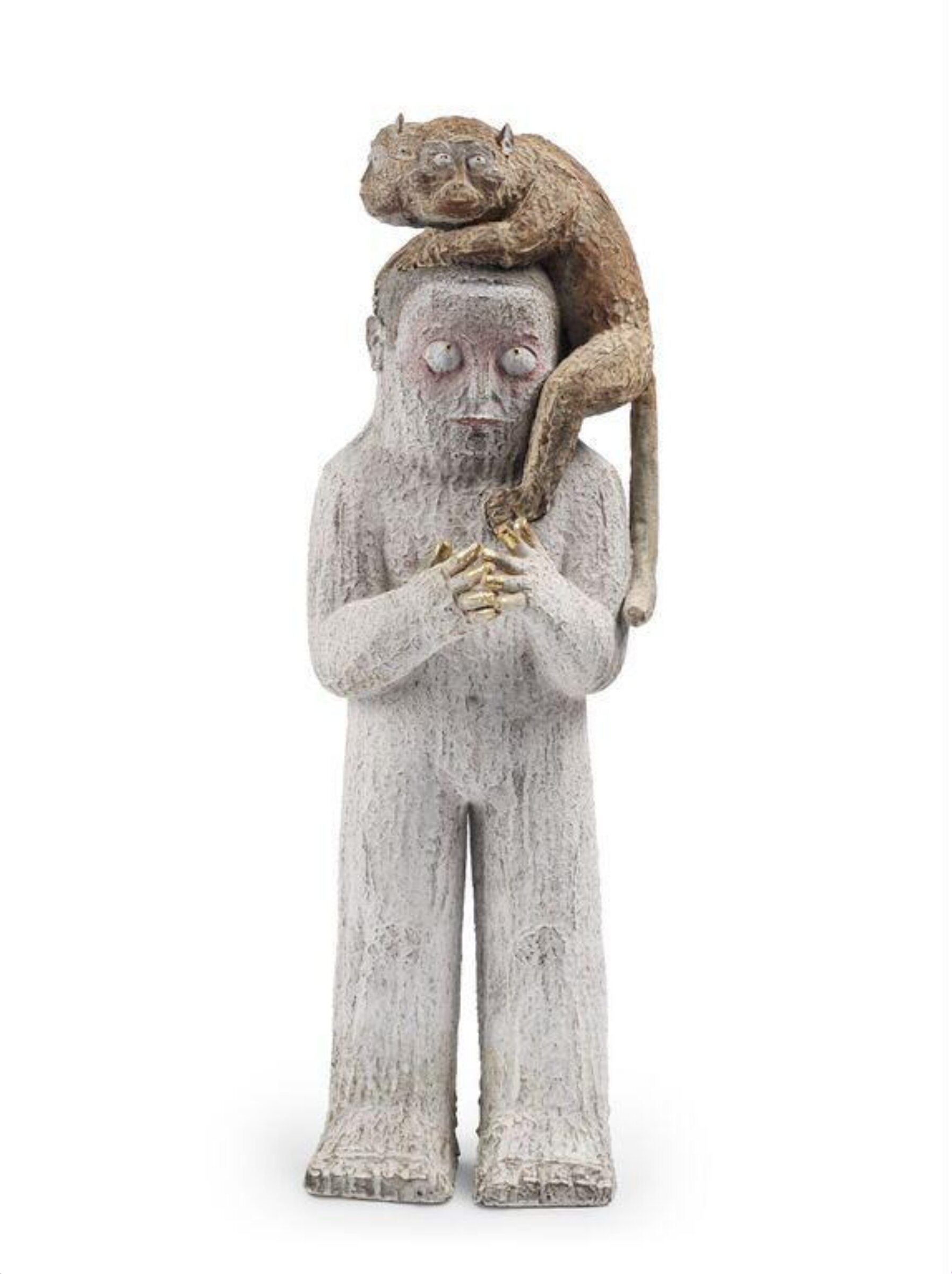
Sculpture, ‘Co-Existence – the Man and the Monkey’, Zhao Lin, 2024

Zhao Lin

Sculpture, ‘Co-Existence – the Man and the Monkey’, 2024

Shiva as Lord of the Dance (Nataraja), India, Chola period, about 10th/11th century

India

Shiva as Lord of the Dance (Nataraja), Chola period, about 10th/11th century

Instituto de Arte de Chicago

Karttikeya, Commander of the Divine Army, Seated on a Peacock, India, Ganga Period, about 12th century

India

Karttikeya, Commander of the Divine Army, Seated on a Peacock, Ganga Period, about 12th century

Instituto de Arte de Chicago

Goddess Durga Slaying the Buffalo Demon (Mahishasuramardini), Cambodia, Angkor period, 10th century

Cambodia

Goddess Durga Slaying the Buffalo Demon (Mahishasuramardini), Angkor period, 10th century

No expuesta · Instituto de Arte de Chicago

Boar Incarnation of God Vishnu (Varaha) Lifting the Earth Goddess Bhudevi, India, 11th century

India

Boar Incarnation of God Vishnu (Varaha) Lifting the Earth Goddess Bhudevi, 11th century

No expuesta · Instituto de Arte de Chicago

God Vishnu's Mount, Garuda, Kneeling with Hands in Gesture of Adoration (Anjalimudra), Nepal, 14th century

Nepal

God Vishnu's Mount, Garuda, Kneeling with Hands in Gesture of Adoration (Anjalimudra), 14th century

No expuesta · Instituto de Arte de Chicago

Four-Armed Dancing God Ganesha with His Rat Mount, Nepal, 16th/17th century

Nepal

Four-Armed Dancing God Ganesha with His Rat Mount, 16th/17th century

Instituto de Arte de Chicago

Goddess Durga Slaying the Buffalo Demon, India or Pakistan, 9th century

India or Pakistan

Goddess Durga Slaying the Buffalo Demon, 9th century

No expuesta · Instituto de Arte de Chicago

Dancing God Shiva (Natesha), India, 10th/11th century

India

Dancing God Shiva (Natesha), 10th/11th century

No expuesta · Instituto de Arte de Chicago