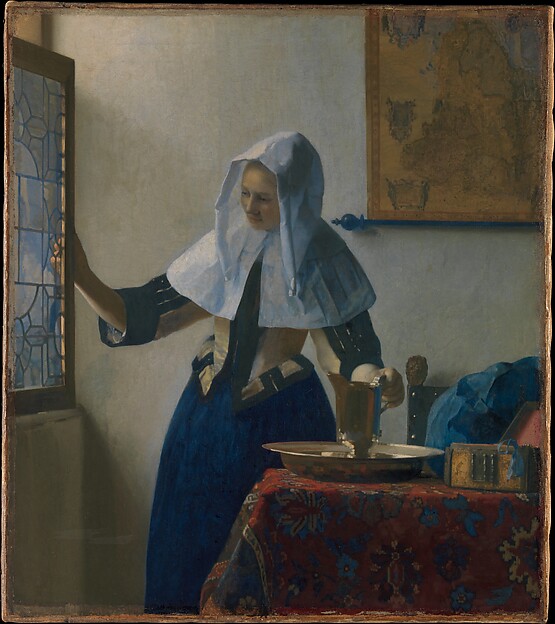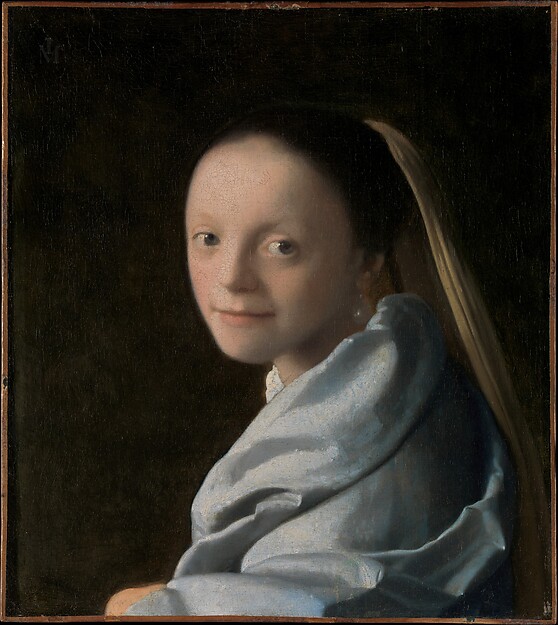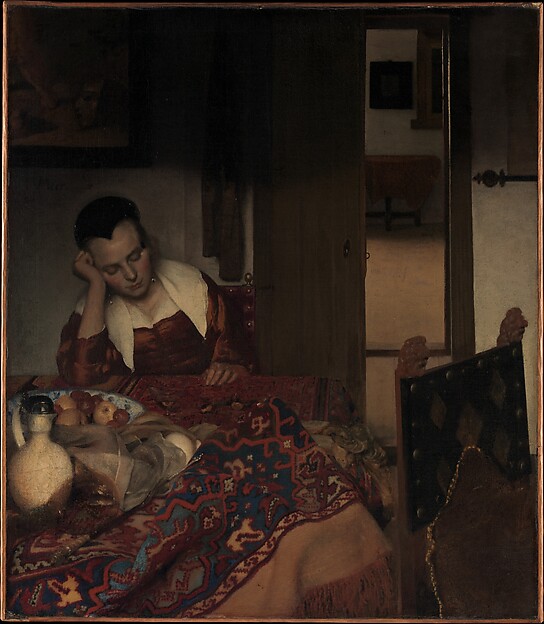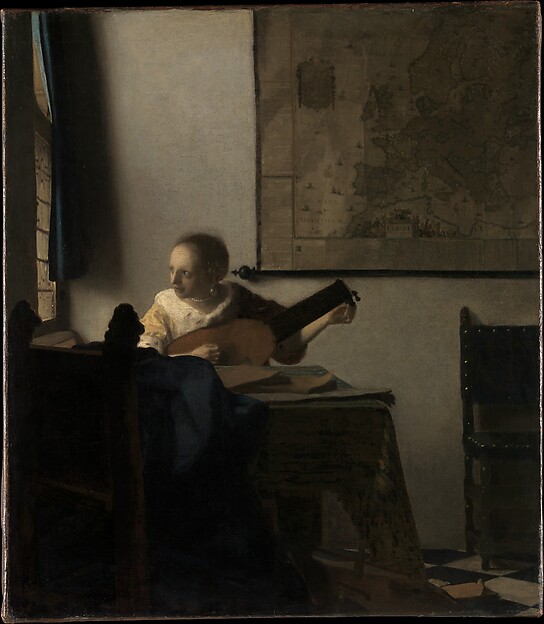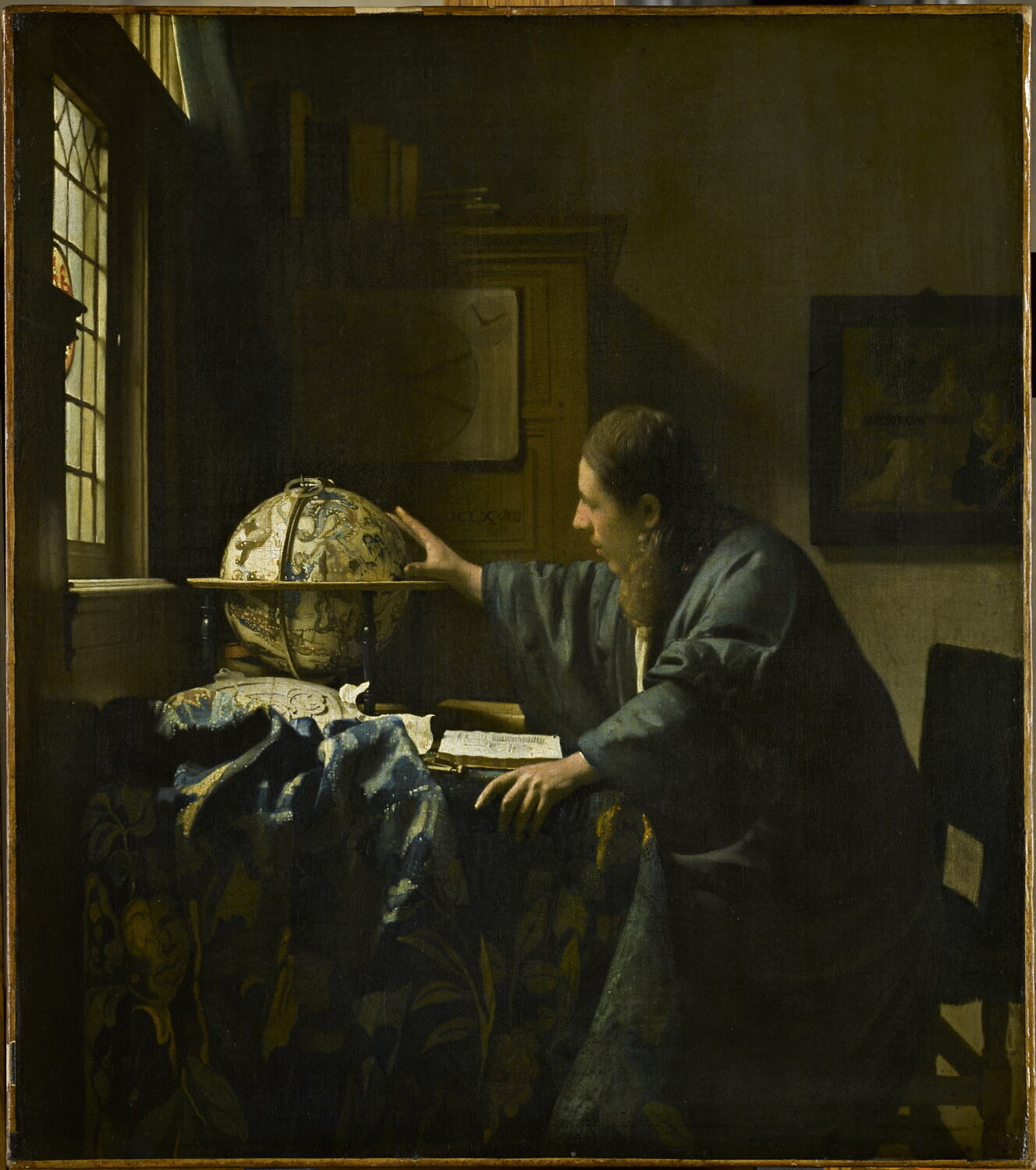
 Johannes VermeerPaíses Bajos, 1632–1675
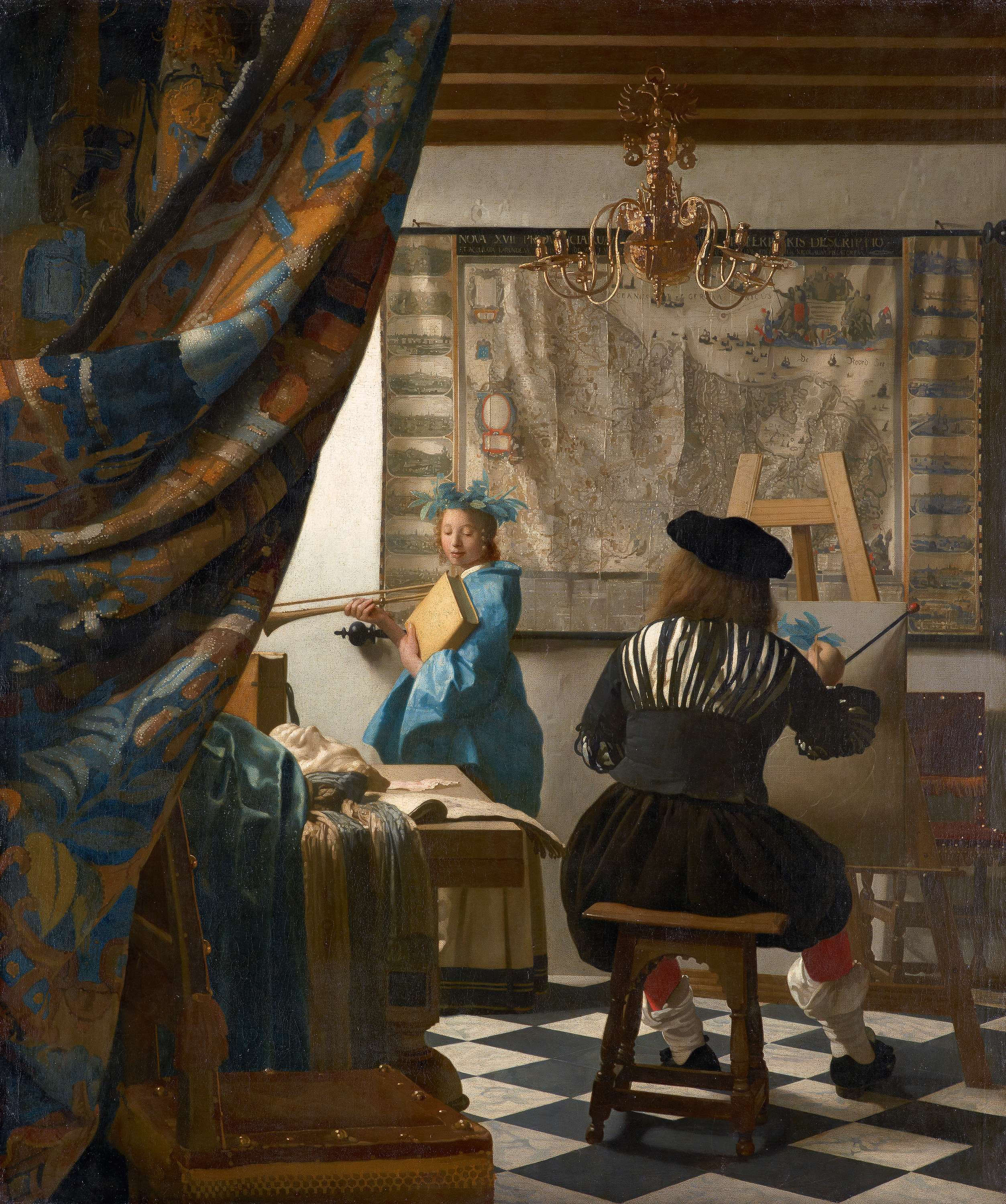
Die Malkunst
¿Puedo verla?
Sí, expuesta ahora
¿Dónde está «Die Malkunst» hoy? Museo de Historia del Arte de Viena, Gemäldegalerie, Saal XII, Viena. Sí, expuesta ahora. Comprobado 9 de octubre de 2026.

Cerrado· abre mañana a las 10:00
Expuesta al público.
- Comprobado
- En este estado desde
- Fuente
- El sitio web del museo
Ficha
En el catálogo
Exposiciones
Expuesta · Gemäldegalerie, Saal XII
Museo de Historia del Arte de Viena · 9 oct 2026 — hoy · Verificado
Se desconoce si estaba expuesta
Museo de Historia del Arte de Viena · 27 sept 2026 — 9 oct 2026 · Sin confirmar
Fuentes
- Museo de Historia del Arte de Viena
- Imagen: Museo de Historia del Arte de Viena — CC BY-NC-SA 4.0
En la vida de Johannes Vermeer
La vida entera1653–1675 · Lugar de trabajo
Delft
1653–1675
Patrons: van Ruijven and van Buyten
Pieter van Ruijven and his wife Maria de Knuijt were Vermeer's patrons for the better part of his career: van Ruijven bought much of his output, which kept Vermeer afloat financially but reduced the chances of his fame spreading beyond Delft. The baker Hendrick van Buyten held a couple of his paintings as collateral.
1660
Moving into his mother-in-law's house on the Oude Langendijk
In 1660 Vermeer and his wife moved into the eleven-room house of his mother-in-law Maria Thins on the Oude Langendijk. Here he worked in his own studio.
1662
Elected head of the Guild of Saint Luke
In 1662 Vermeer was elected head of the guild and was re-elected in 1663, 1670 and 1671, evidence that his peers considered him an established craftsman.
1672
The “Year of Disaster”: war and the collapse of the market
In 1672 the Rampjaar, a severe economic downturn, struck the Dutch Republic after French troops under Louis XIV invaded from the south and troops from Münster and Cologne from the east. Vermeer's sale of a painting that year was his last, and five years passed before circumstances improved.
1672
To The Hague: appraising a collection for the Elector
In 1672 Vermeer, a recognised connoisseur, travelled to The Hague, where together with the painter Jacob Jordaens he appraised Venetian and Roman paintings offered to the Elector of Brandenburg for 30,000 guilders. Before a notary he denied the collection's authenticity and declared it worth no more than a tenth of the asking price.