ART WIKI32.963 en sala
MapaColecciónArtistasMuseosExposicionesRevista
Acceder

ART WIKI

Dónde cuelga la obra maestra y cuándo le dejan pasar.

Colecciones: Galería Nacional de Arte, Galería Nacional de Dinamarca, Galería Nacional de Retratos, Galería Tretiakov, Harvard Art Museums, Instituto de Arte de Chicago, Instituto de Artes de Mineápolis, MoMA, Museo de Arte de Cleveland, Museo de Victoria y Alberto, Museo del Hermitage, Museo del Louvre, Museo Estatal Ruso, Museo Hirshhorn y Jardín de Esculturas, Museo J. Paul Getty, Museo Metropolitano de Arte, Museo Pushkin, Museo Smithsoniano de Arte Americano, Museo Whitney de Arte Estadounidense, National Museum of Asian Art, Rijksmuseum, Villa Getty, Catálogo Estatal del Fondo Museístico de Rusia (274 museos), Europeana (19 museos), Wikidata (6 museos), Paris Musées (12 museos) y Joconde, la base de museos del Ministerio de Cultura de Francia (495 museos). Las imágenes pertenecen a sus titulares de derechos.

Secciones

  • Mapa
  • Búsqueda
  • Colección
  • Obras maestras
  • Expuestas ahora
  • Artistas

Más

  • Museos y galerías
  • Exposiciones
  • Revista
  • De dónde salen los datos
  • Privacidad y cookies
InicioMapaCatálogo
  1. Colección/
  2. Instituto de Arte de Chicago/
  3. Crouching Figure
Crouching Figure, Luluwa, Late 19th/early 20th century
LLuluwa

Crouching Figure

Late 19th/early 20th century · Sculpture

¿Se puede contemplar?

Por ahora no recibe

Instituto de Arte de Chicago

Chicago, Estados Unidos

Pertenece a la colección, pero ahora mismo no está expuesta.

Comprobado
hace 3 días
En este estado desde
19 ago 2026
Fuente
El museo
En el mapaPágina del museo

Sobre la escultura

As a sculpture, this work is striking from both frontal and profile perspectives. The artist employed tense forms, repetition, and angularity to suggest a pregnant moment of repose before action. The stillness of the figure is not one of relaxation and calm—despite the serene facial expression—but of tension and anticipation. The seated figure with elbows touching knees was a common pose in sculpture from West and south central Africa during the 19th and early 20th centuries. This work is from the southern region of the Democratic Republic of the Congo and was carved by a Luluwa, Nsapo, or Songye artist. Most art produced by these groups were privately owned and were employed in pre-colonial times to mediate between the living and the ancestral realm and to impart protection and good fortune onto their owners.

Instituto de Arte de Chicago · CC BY 4.0

Ficha

Número de inventario
1999.377

En el catálogo

EsculturaMaderaLuluaArts of AfricaSongyeNsapoAfrican ArtCentral AfricaDemocratic Republic of the Congo

Fuentes

  • Instituto de Arte de Chicago
  • Imagen: Instituto de Arte de Chicago — © the artist or rights holder

Más obras de Luluwa

Todas las obras
Mother-and-Child Figure (Bwanga bwa Chibola), Luluwa, Mid–late 19th century

Mother-and-Child Figure (Bwanga bwa Chibola)

Mid–late 19th century · No expuesta · Instituto de Arte de Chicago

Bajo el mismo techo: Instituto de Arte de Chicago

Página del museo
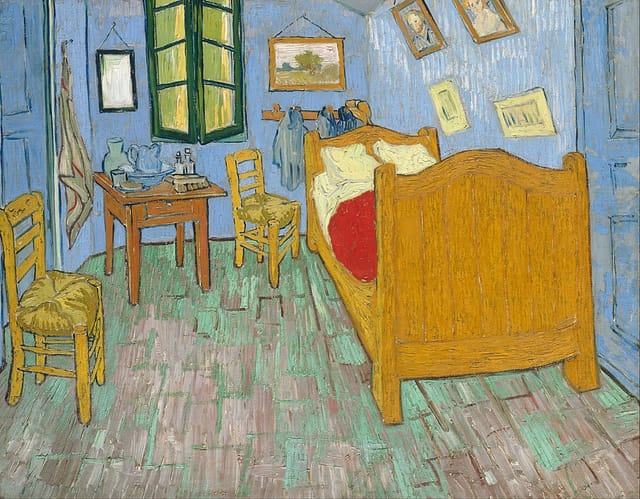
The Bedroom, Vincent van Gogh, 1889

Vincent van Gogh

The Bedroom, 1889

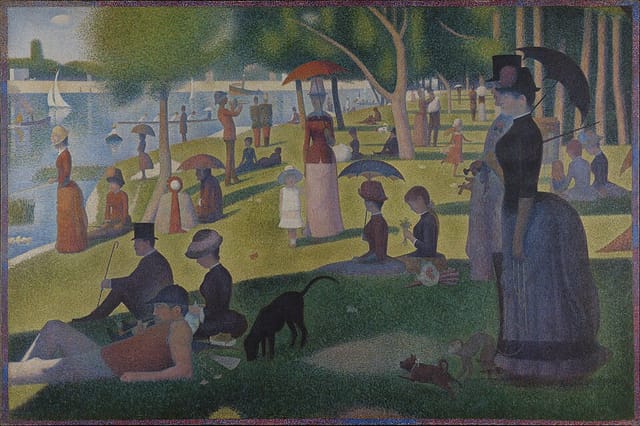
A Sunday on La Grande Jatte — 1884, Georges Seurat, 1884–86, border added 1888–89

Georges Seurat

Tarde de domingo en la isla de la Grande Jatte, 1884–86, border added 1888–89

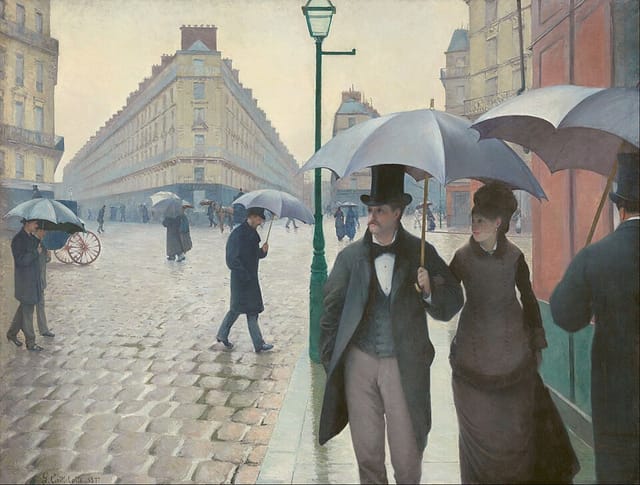
Paris Street; Rainy Day, Gustave Caillebotte, 1877

Gustave Caillebotte

Calle de Paris, dia de lluvia, 1877

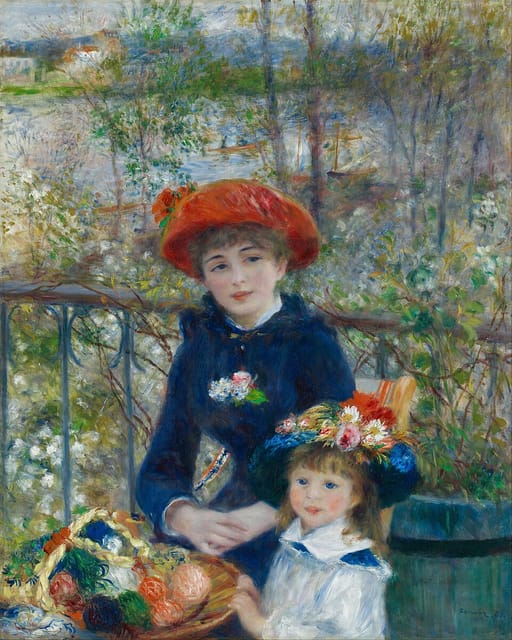
Two Sisters (On the Terrace), Pierre-Auguste Renoir, 1881

Pierre-Auguste Renoir

En la terraza, 1881

The Basket of Apples, Paul Cézanne, c. 1893

Paul Cézanne

Cesto de manzanas, c. 1893

Stacks of Wheat (End of Summer), Claude Monet, 1890–91

Claude Monet

Stacks of Wheat (End of Summer), 1890–91

American Gothic, Grant Wood, 1930

Grant Wood

American Gothic, 1930

Nighthawks, Edward Hopper, 1942

Edward Hopper

Noctámbulos, 1942