 Piet MondrianPaíses Bajos, 1872–1944
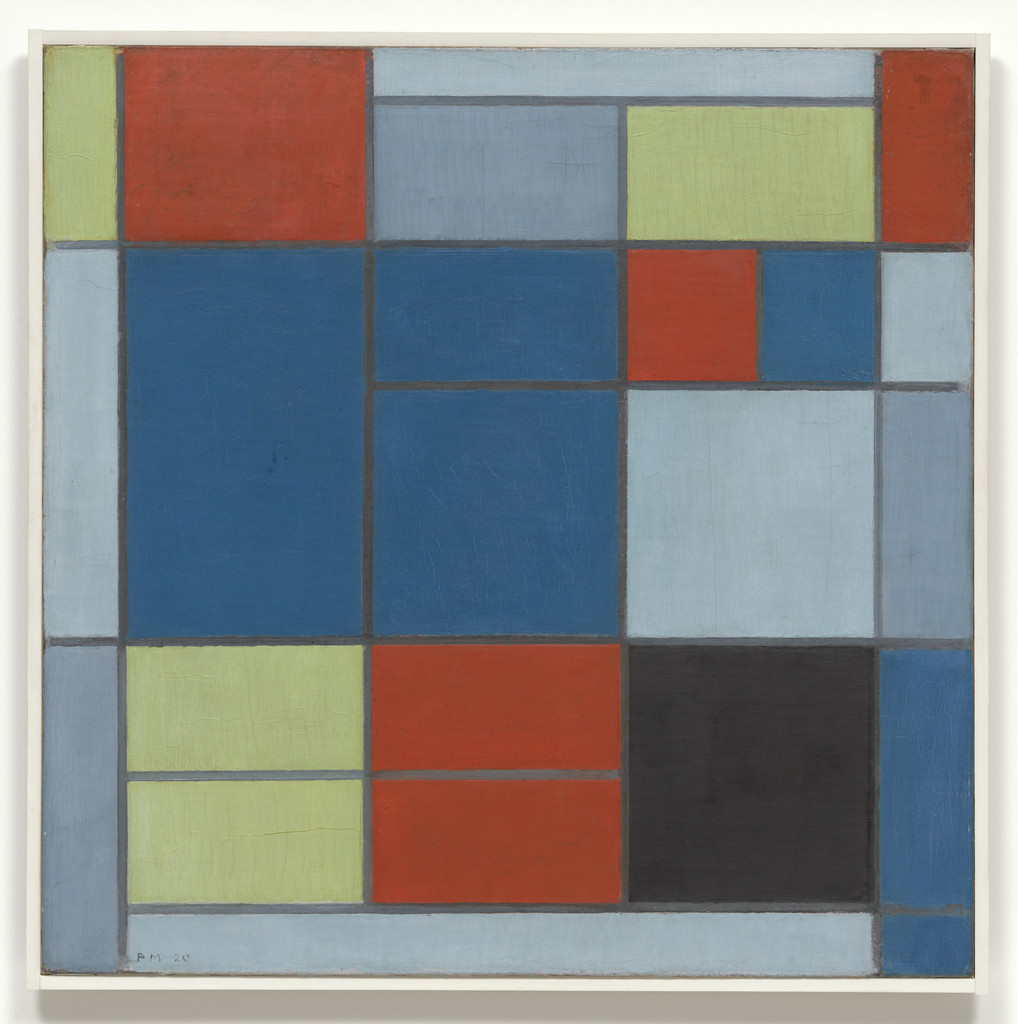
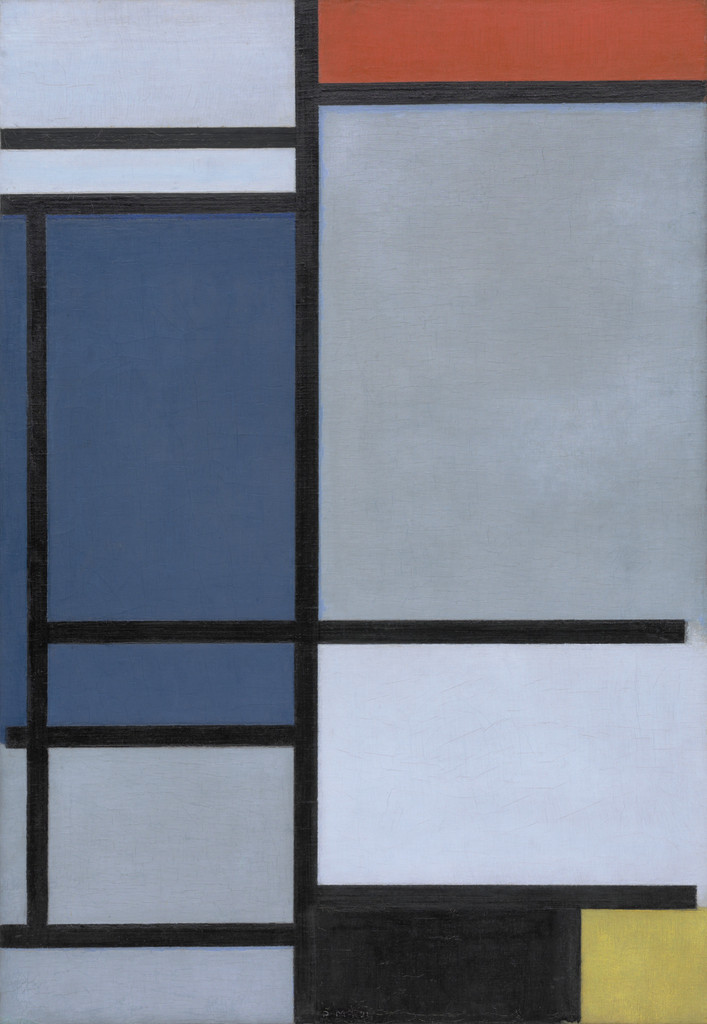
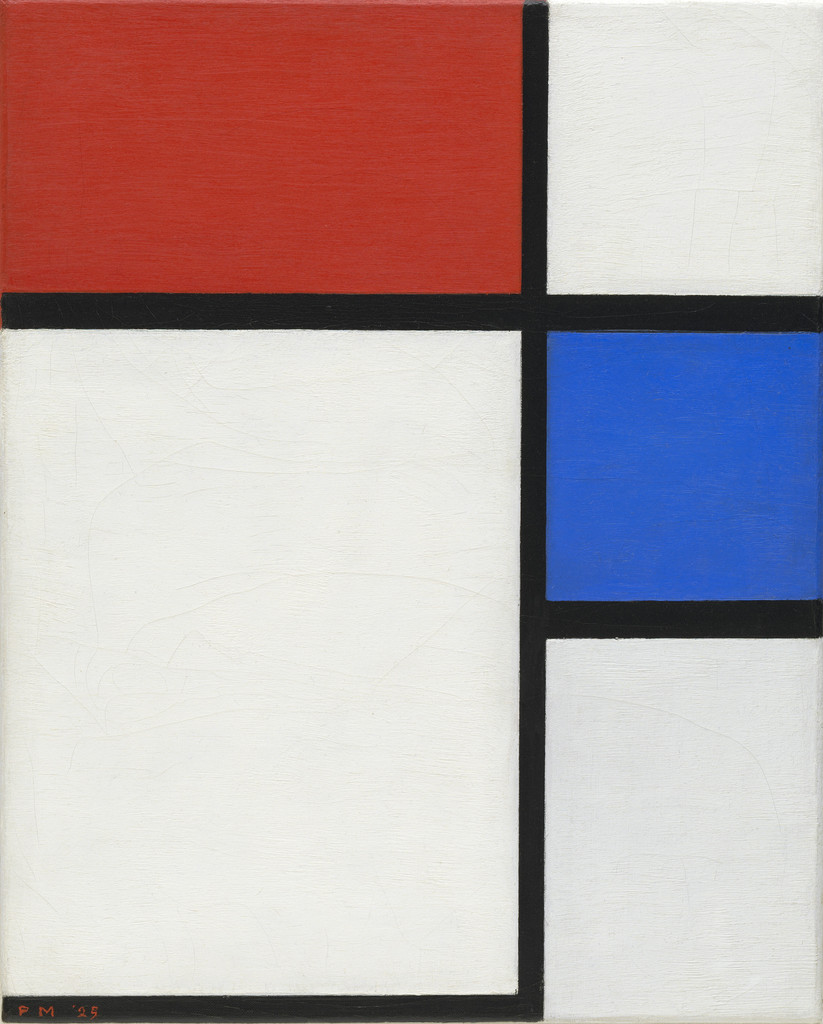
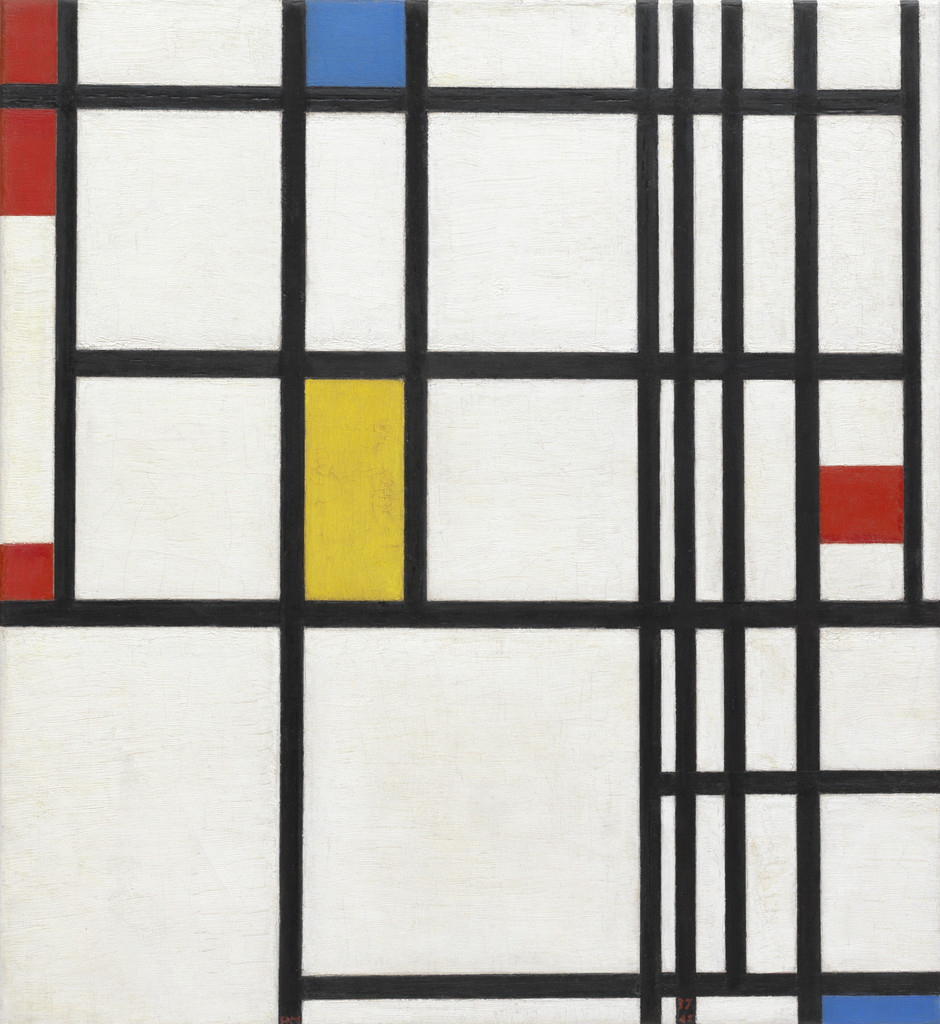
Composition in Red, Blue, and Yellow
¿Puedo verla?
No expuesta por ahora
¿Dónde está «Composition in Red, Blue, and Yellow» hoy? Colección: MoMA, Nueva York. No expuesta por ahora. Comprobado 22 de septiembre de 2026.

Nueva York, Estados Unidos
Pertenece a la colección, pero ahora mismo no está expuesta.
- Comprobado
- Fuente
- El museo
Ficha
- Número de inventario
- 638.1967
En el catálogo
Fuentes
- MoMA
- Imagen: MoMA — © the artist or rights holder
En la vida de Piet Mondrian
La vida entera1919–1938
Return to Paris
In 1919 Mondrian left the Netherlands for Paris for the second and last time and at once turned to his studio: to hide its flaws he tacked large single-colour placards to the walls, accented by compositions of smaller coloured paper rectangles. From then on, periods of painting alternated with experiments in regrouping the papers on the walls.
1930s
Double lines, influenced by Marlow Moss
In the 1930s Mondrian began to use thinner and double lines more often, punctuated by a few small coloured forms; the double line, in which he saw a new dynamism, was influenced by the work of his friend and contemporary Marlow Moss.
1938
Moves to London to escape advancing fascism
In September 1938 Mondrian left Paris in the face of advancing fascism and moved to London (Hampstead); many canvases begun in Paris or London were finished only months or years later in Manhattan.
23 September 1940
Sailing from Liverpool to New York
After the Netherlands were invaded and Paris fell, Mondrian left London and on 23 September 1940 sailed from Liverpool aboard the Cunard White Star liner RMS Samaria for New York, where he remained until his death.
autumn 1943
His last studio on East 59th Street
In the autumn of 1943 Mondrian moved into his second and final Manhattan studio, painted the walls the same off-white as his easel and made furniture from orange and apple crates; he said that the eight large compositions of coloured paper on the walls made it the best space he had ever lived in.
1 de febrero de 1944
Died