 John RuskinInglaterra, 1819–1900
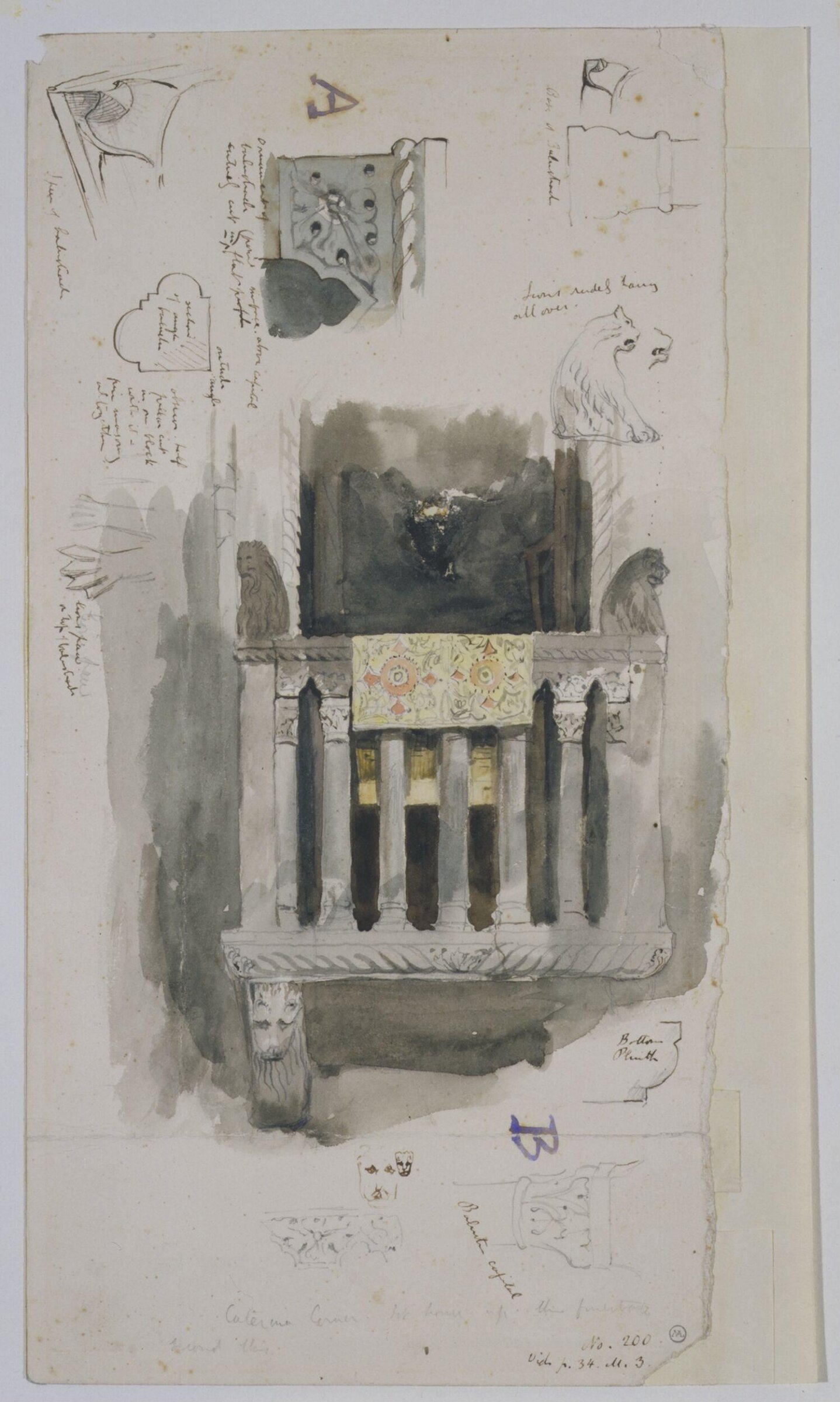
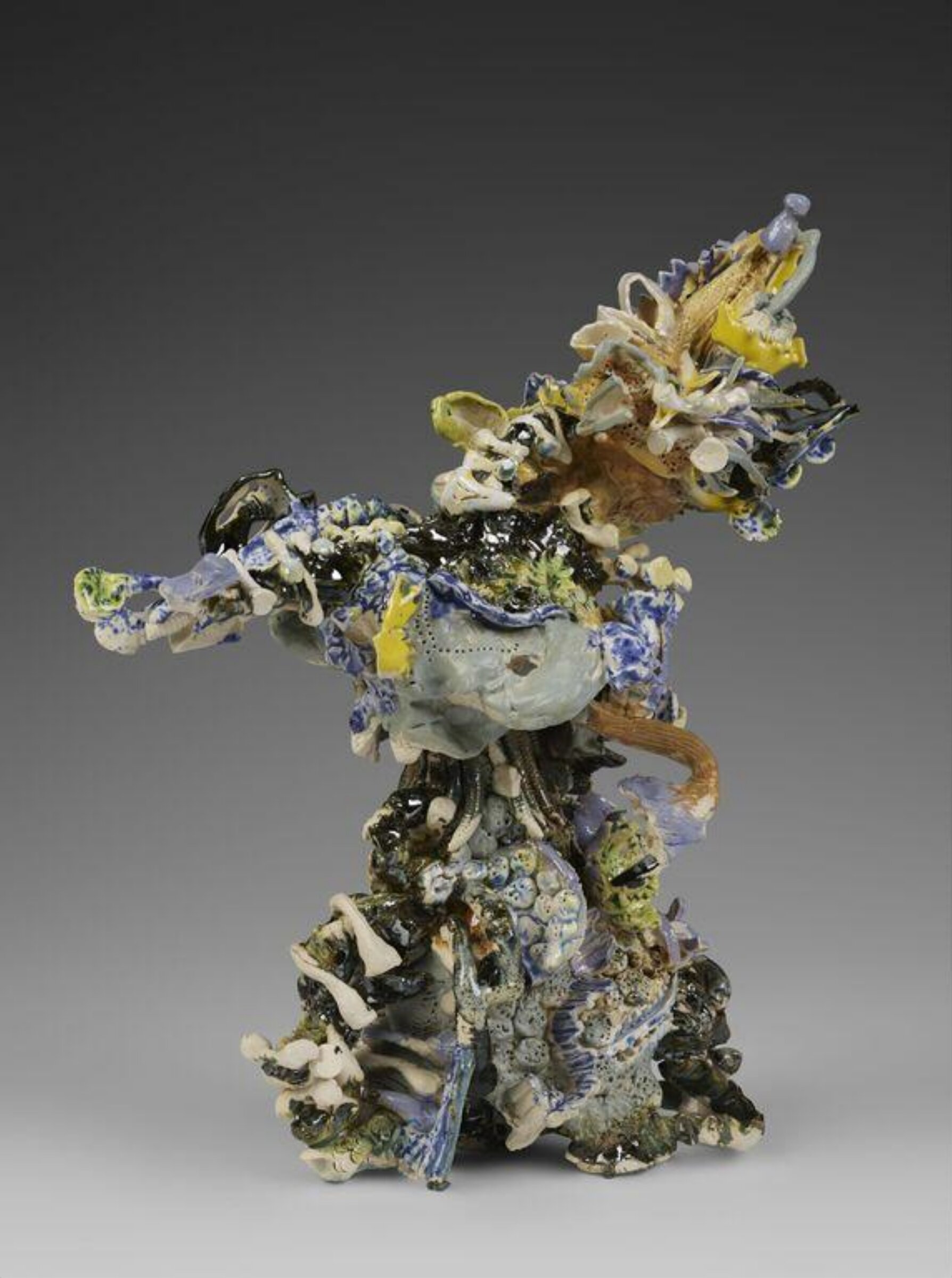
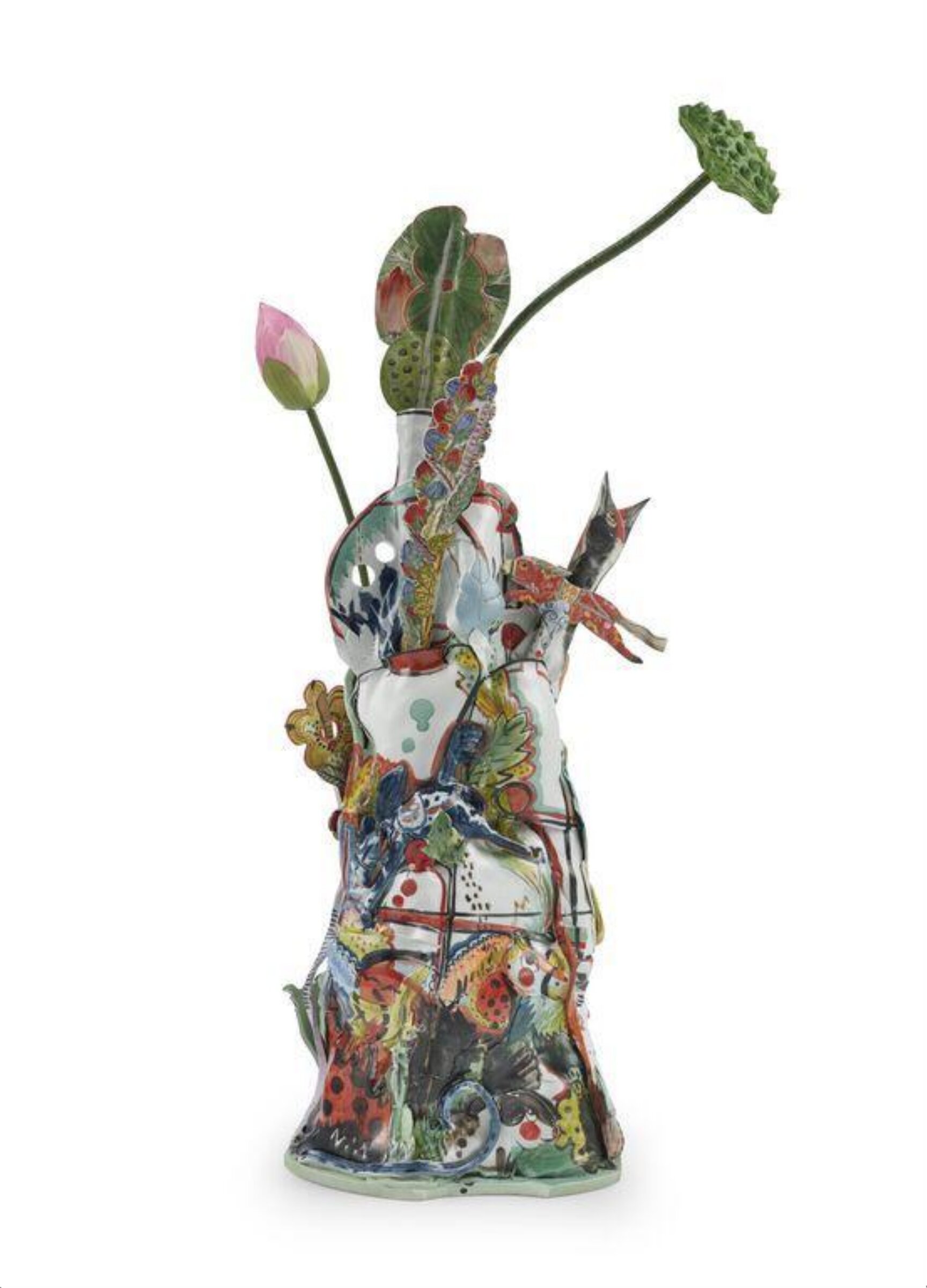
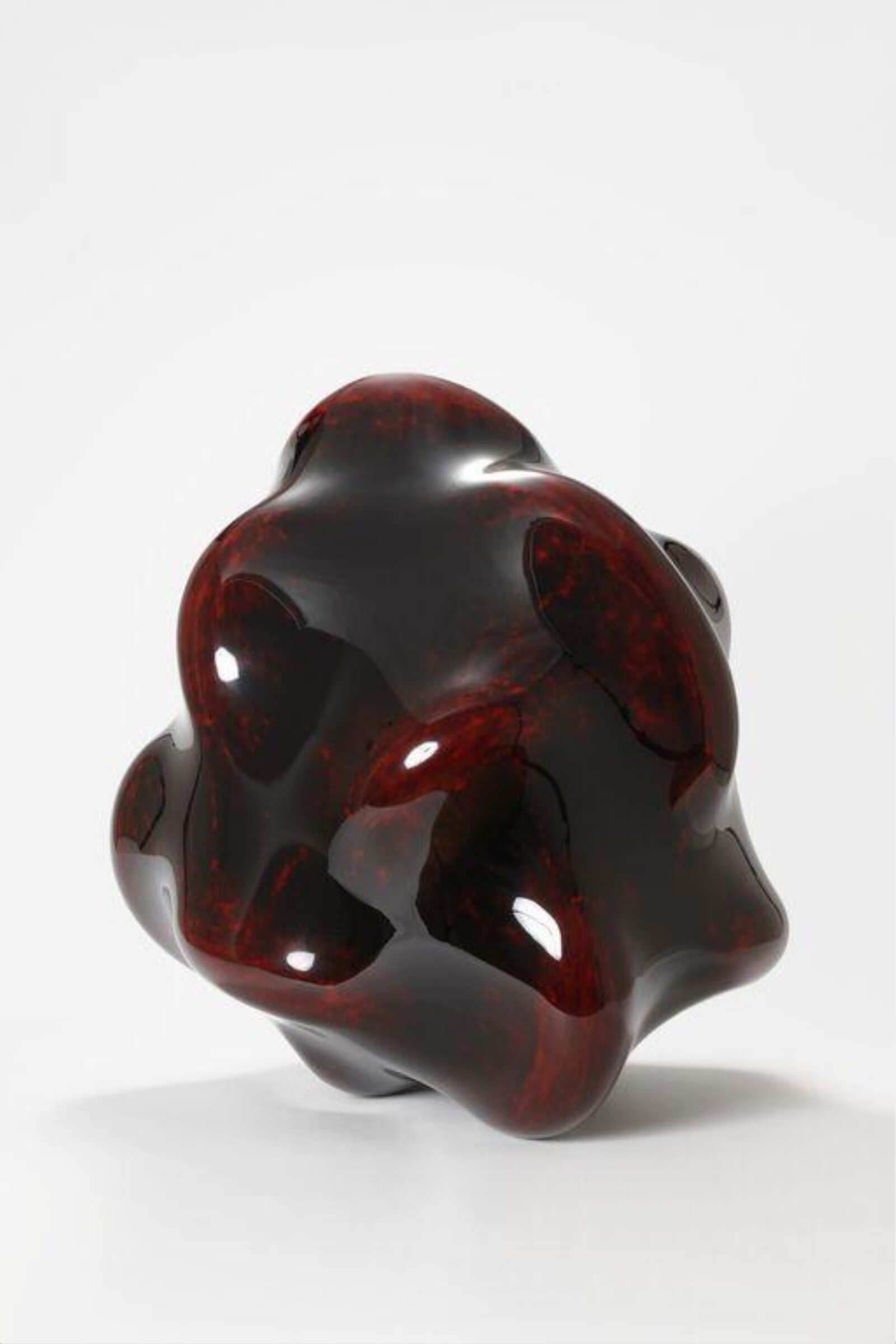
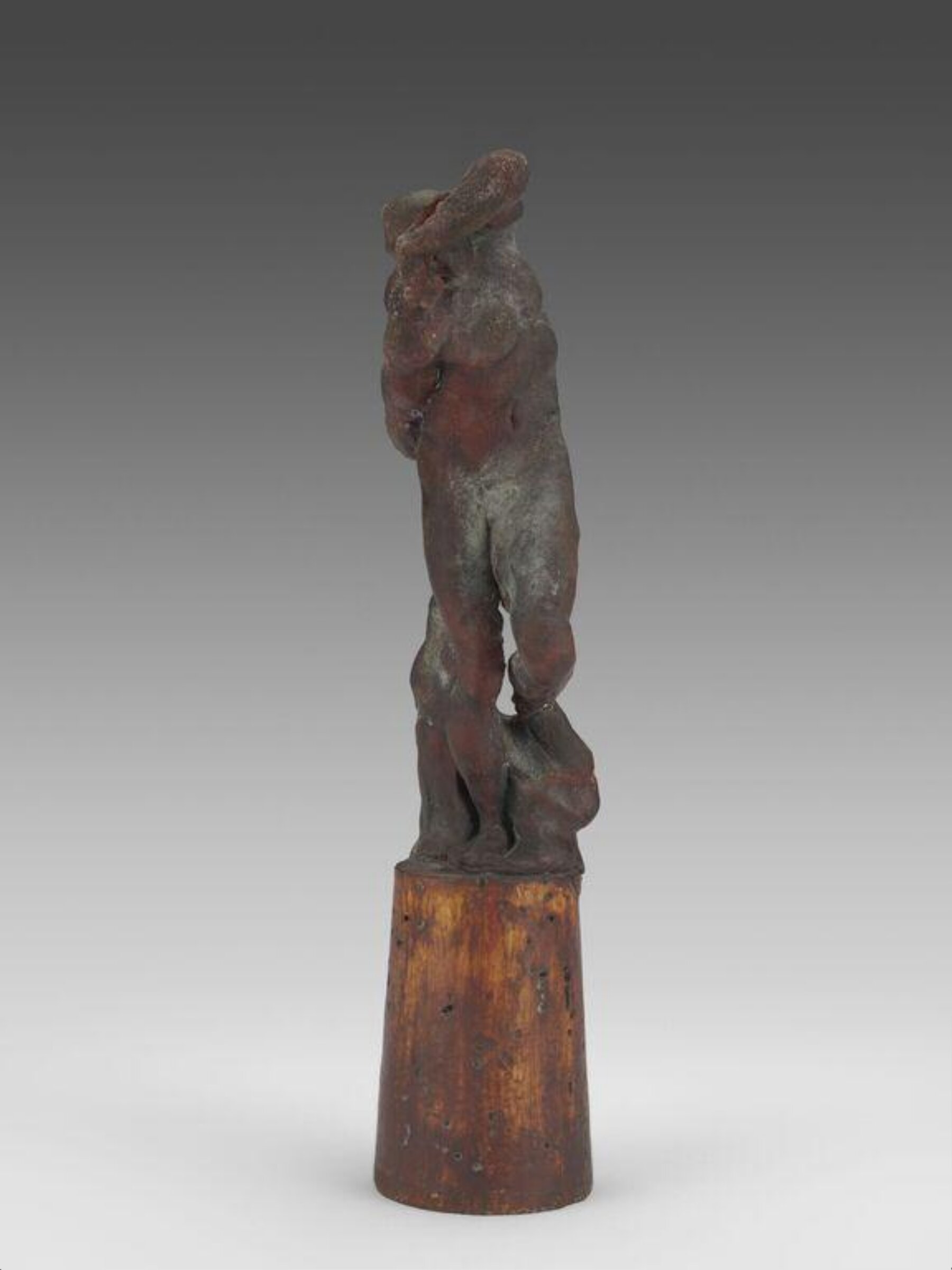
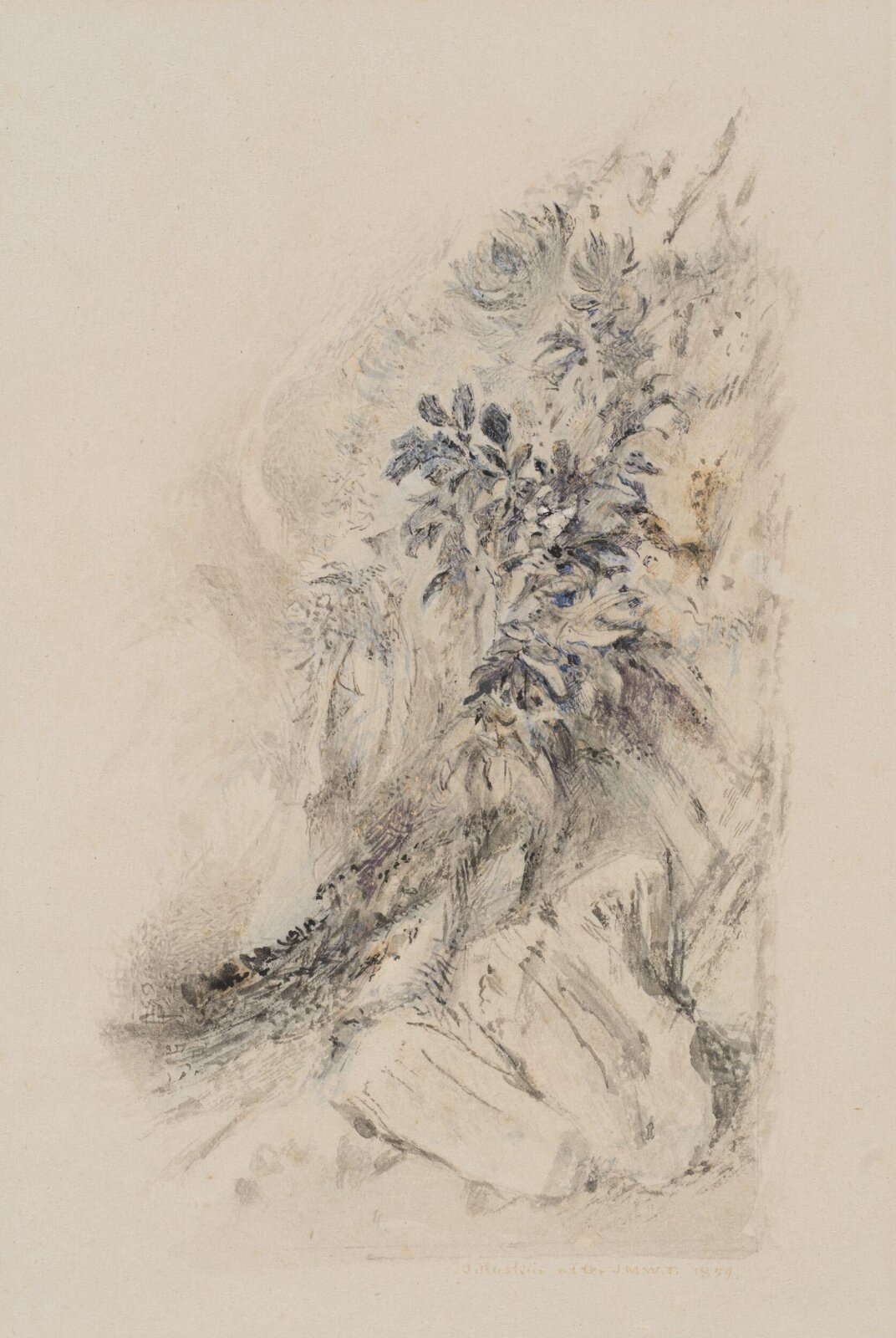
By the Way-side
¿Se puede contemplar?
Por ahora no recibe

Londres, Reino Unido
Pertenece a la colección, pero ahora mismo no está expuesta.
- Comprobado
- En este estado desde
- Fuente
- El museo
Ficha
- Número de inventario
- E.309-1952
En el catálogo
Fuentes
- Museo de Victoria y Alberto
- Imagen: Museo de Victoria y Alberto — © Victoria and Albert Museum, London
Mientras tanto, en la vida de John Ruskin
La vida entera1834–1900 · Lugar de trabajo
Great Britain
1850s
Patron of Hunt, Rossetti and Burne-Jones
Ruskin continues to support Holman Hunt and Rossetti, provides an annuity of £150 in 1855–57 to Rossetti's wife Elizabeth Siddal (and pays for Henry Acland's medical care of her), and gives critical and financial help to John Brett, John William Inchbold and Edward Burne-Jones, whom he calls “Brother Ned”. His father disapproves of such friends — a further cause of tension between them.
1858
Turin: Veronese against a dull sermon
In Turin Ruskin sits through a particularly dull sermon at a Waldensian church and sees Paolo Veronese's “Presentation of the Queen of Sheba” at the Galleria Sabauda; later, in April 1877, he will name this as the start of his “unconversion” from Evangelical Christianity. His faith, long shaken by Biblical and geological scholarship, collapses, and, believing that much of his writing had rested on lies and half-truths, Ruskin goes through a deep personal crisis before returning to Christianity after a long struggle.
1858
Meeting Rose La Touche
In 1858 Ruskin meets Rose La Touche (1848–1875), from an extremely devout Protestant family; during a period of acute religious crisis he falls passionately in love, first with the girl and then with the young woman.
May 1858
Completes his work on the Turner Bequest
Having persuaded the National Gallery to let him work on the Turner Bequest — nearly 20,000 works left to the nation by the painter — Ruskin completes the enormous task of cataloguing, framing and conserving them by May 1858. Four hundred watercolours are displayed in cabinets of his own design.
August – November 1860
“Unto This Last” in the Cornhill Magazine
In four essays published in the Cornhill Magazine Ruskin rejects the division of labour as dehumanising and calls political economy a false “science” that ignores the social affections that bind communities together, but the editor, Thackeray, is forced to abandon the series by the outcry of conservative readers and a nervous publisher. The national press is hostile and his father disapproves, while Carlyle is delighted and declares that they are henceforth “a minority of two”.