ART WIKI32.963 en sala
MapaColecciónArtistasMuseosExposicionesRevista
Acceder

ART WIKI

Dónde cuelga la obra maestra y cuándo le dejan pasar.

Colecciones: Galería Nacional de Arte, Galería Nacional de Dinamarca, Galería Nacional de Retratos, Galería Tretiakov, Harvard Art Museums, Instituto de Arte de Chicago, Instituto de Artes de Mineápolis, MoMA, Museo de Arte de Cleveland, Museo de Victoria y Alberto, Museo del Hermitage, Museo del Louvre, Museo Estatal Ruso, Museo Hirshhorn y Jardín de Esculturas, Museo J. Paul Getty, Museo Metropolitano de Arte, Museo Pushkin, Museo Smithsoniano de Arte Americano, Museo Whitney de Arte Estadounidense, National Museum of Asian Art, Rijksmuseum, Villa Getty, Catálogo Estatal del Fondo Museístico de Rusia (274 museos), Europeana (19 museos), Wikidata (6 museos), Paris Musées (12 museos) y Joconde, la base de museos del Ministerio de Cultura de Francia (495 museos). Las imágenes pertenecen a sus titulares de derechos.

Secciones

  • Mapa
  • Búsqueda
  • Colección
  • Obras maestras
  • Expuestas ahora
  • Artistas

Más

  • Museos y galerías
  • Exposiciones
  • Revista
  • De dónde salen los datos
  • Privacidad y cookies
InicioMapaCatálogo
  1. Colección/
  2. Instituto de Arte de Chicago/
  3. Berthe Morisot
Berthe Morisot, Édouard Manet, 1872
Édouard Manet, retratoÉdouard ManetFrancia, 1832–1883

Berthe Morisot

1872 · Print

¿Se puede contemplar?

Por ahora no recibe

Instituto de Arte de Chicago

Chicago, Estados Unidos

Pertenece a la colección, pero ahora mismo no está expuesta.

Comprobado
hace 3 días
En este estado desde
19 ago 2026
Fuente
El museo
En el mapaPágina del museo

Ficha

1872 · a los 40 años
18321883
Número de inventario
1970.148

En el catálogo

EstampasAguafuerteRealismoImpresionismoSiglo XIXFrancia

Fuentes

  • Instituto de Arte de Chicago
  • Imagen: Instituto de Arte de Chicago — CC0

Mientras tanto, en la vida de Édouard Manet

La vida entera
  1. 1870

    The siege of Paris: Manet in the army

    During the siege of Paris Manet, a convinced republican, sent his family to Oloron-Sainte-Marie in the south of France, while he himself, with many fellow artists, joined the army and took part in the defence of the capital; he was lucky to survive.

  2. 1870s

    Refuses to exhibit with the Impressionists

    Although his own work influenced and anticipated the Impressionist style, Manet resisted involvement in Impressionist exhibitions: he did not wish to be seen as the representative of a group identity and held that modern artists should seek to exhibit at the Salon.

  3. 1871

    Manet's name on the Commune's Fédération des artistes

    In his absence his friends added his name to the Paris Commune's “Fédération des artistes”; he himself stayed out of politics and perhaps returned to the city only after the “bloody week” — in a letter to Berthe Morisot of 10 June he writes that they had come back a few days earlier.

  4. 1871

    Oloron and Bordeaux: letters to Bracquemond

    In January 1871 Manet travelled to Oloron-Sainte-Marie in the Pyrenees and then visited Bordeaux, the provisional seat of the National Assembly, where Émile Zola showed him the sights. On 18 March he wrote to Félix Bracquemond that he had never imagined France could be represented by such doddering old fools.

  5. 1873

    “Le Bon Bock”: a huge success

    In his new studio in 1873 Manet painted “Le Bon Bock”, which became famous: for the first time in almost fifteen years he had a huge success, yet he did not turn into a fashionable, opportunistic painter.

  6. 1874

    “The Railway”: ridicule at the Salon of 1874

    “The Railway”, painted in 1873, puzzled visitors and critics at the Salon of 1874: its subject seemed baffling, its composition incoherent and its execution sketchy; caricaturists ridiculed it, and only later was it recognised as a symbol of modernity. The model was Victorine Meurent, for the last time.

Más obras de Édouard Manet

Todas las obras
The Spanish Singer, Edouard Manet, 1860

El cantante español

1860 · Museo Metropolitano de Arte

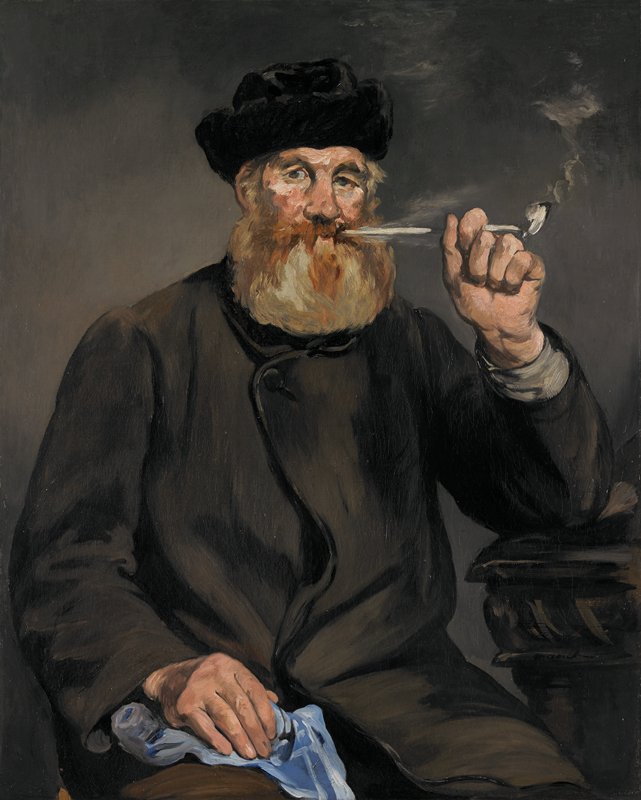
The Smoker, Édouard Manet, 1866

The Smoker

1866 · Instituto de Artes de Mineápolis

Young Lady in 1866, Edouard Manet, 1866

Young Lady in 1866

1866 · Museo Metropolitano de Arte

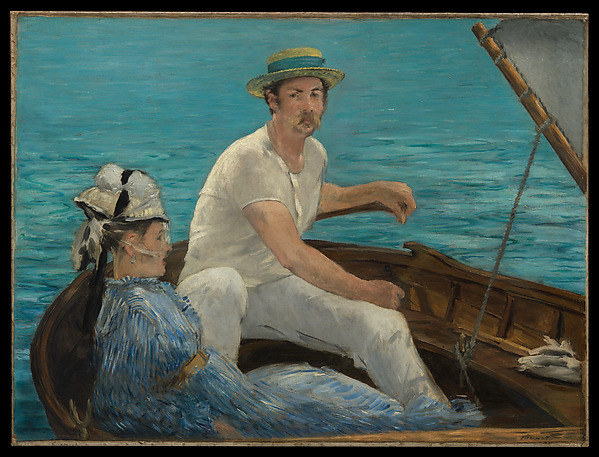
Boating, Edouard Manet, 1874

En un bote en Argenteuil

1874 · Museo Metropolitano de Arte

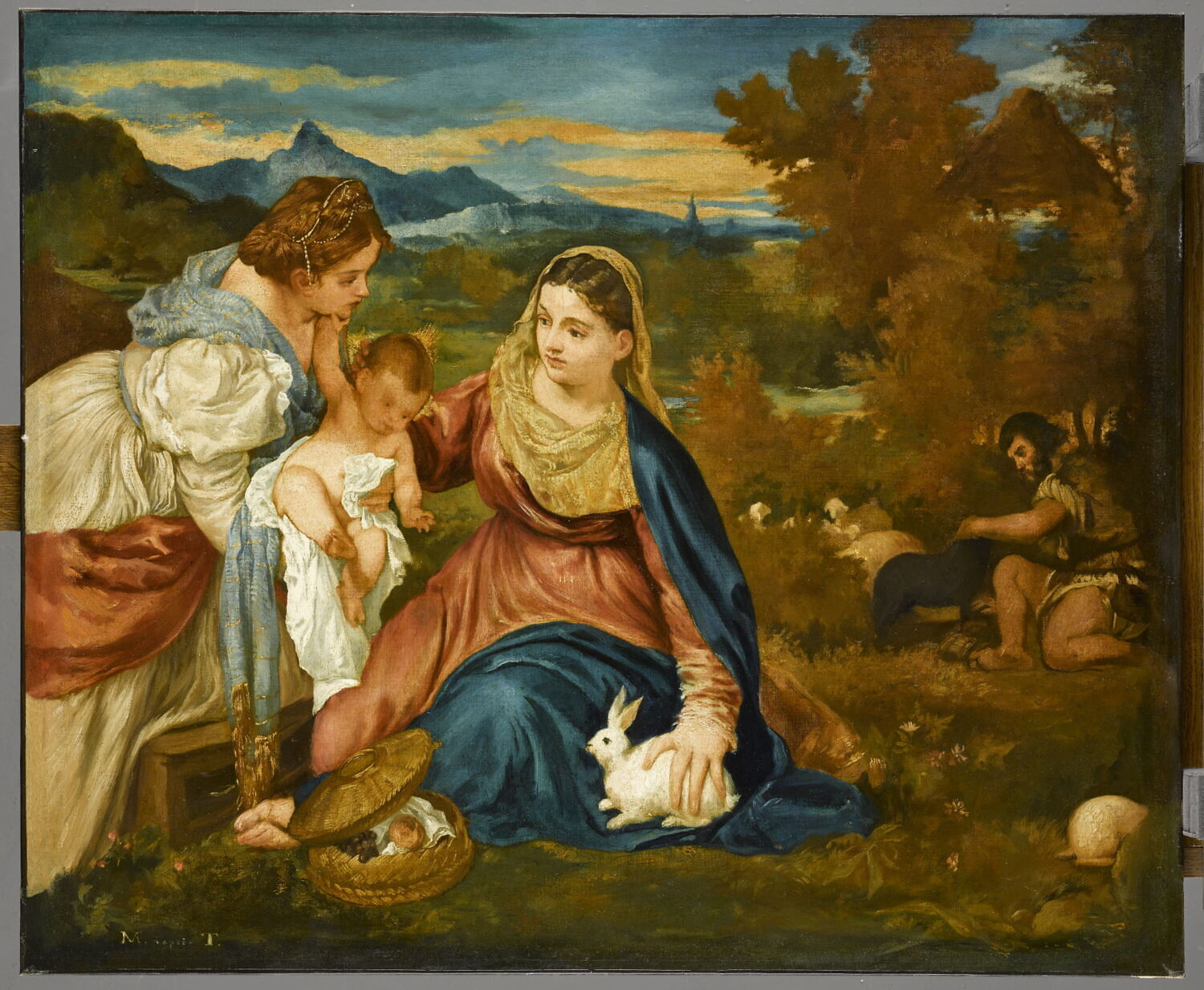
La Vierge au lapin, Manet, Édouard, Milieu du XIXe siècle (1840 - 1860)

La Vierge au lapin

Milieu du XIXe siècle (1840 - 1860) · Museo del Louvre

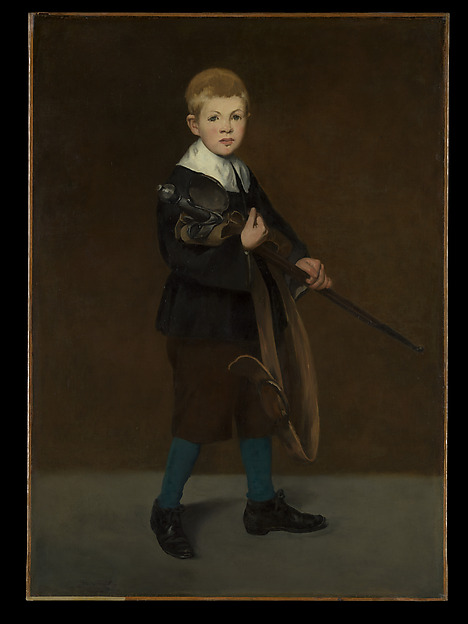
Boy with a Sword, Edouard Manet, 1861

Boy with a Sword

1861 · Museo Metropolitano de Arte

Portrait of Madame Brunet, Édouard Manet, about 1861–1863, reworked by 1867

Portrait of Madame Brunet

about 1861–1863, reworked by 1867 · Museo J. Paul Getty

The Old Musician, Edouard Manet, 1862

El viejo músico

1862 · Galería Nacional de Arte

Bajo el mismo techo: Instituto de Arte de Chicago

Página del museo
The Bedroom, Vincent van Gogh, 1889

Vincent van Gogh

The Bedroom, 1889

A Sunday on La Grande Jatte — 1884, Georges Seurat, 1884–86, border added 1888–89

Georges Seurat

Tarde de domingo en la isla de la Grande Jatte, 1884–86, border added 1888–89

Paris Street; Rainy Day, Gustave Caillebotte, 1877

Gustave Caillebotte

Calle de Paris, dia de lluvia, 1877

Two Sisters (On the Terrace), Pierre-Auguste Renoir, 1881

Pierre-Auguste Renoir

En la terraza, 1881

The Basket of Apples, Paul Cézanne, c. 1893

Paul Cézanne

Cesto de manzanas, c. 1893

Stacks of Wheat (End of Summer), Claude Monet, 1890–91

Claude Monet

Stacks of Wheat (End of Summer), 1890–91

American Gothic, Grant Wood, 1930

Grant Wood

American Gothic, 1930

Nighthawks, Edward Hopper, 1942

Edward Hopper

Noctámbulos, 1942