ART WIKI32.979 en sala
MapaColecciónArtistasMuseosExposicionesRevista
Acceder

ART WIKI

Dónde cuelga la obra maestra y cuándo le dejan pasar.

Colecciones: Galería Nacional de Arte, Galería Nacional de Dinamarca, Galería Nacional de Retratos, Galería Tretiakov, Harvard Art Museums, Instituto de Arte de Chicago, Instituto de Artes de Mineápolis, MoMA, Museo de Arte de Cleveland, Museo de Victoria y Alberto, Museo del Hermitage, Museo del Louvre, Museo Estatal Ruso, Museo Hirshhorn y Jardín de Esculturas, Museo J. Paul Getty, Museo Metropolitano de Arte, Museo Pushkin, Museo Smithsoniano de Arte Americano, Museo Whitney de Arte Estadounidense, National Museum of Asian Art, Rijksmuseum, Villa Getty, Catálogo Estatal del Fondo Museístico de Rusia (274 museos), Europeana (19 museos), Wikidata (6 museos), Paris Musées (12 museos) y Joconde, la base de museos del Ministerio de Cultura de Francia (495 museos). Las imágenes pertenecen a sus titulares de derechos.

Secciones

  • Mapa
  • Búsqueda
  • Colección
  • Obras maestras
  • Expuestas ahora
  • Artistas

Más

  • Museos y galerías
  • Exposiciones
  • Revista
  • De dónde salen los datos
  • Privacidad y cookies
InicioMapaCatálogo
  1. Colección/
  2. MoMA/
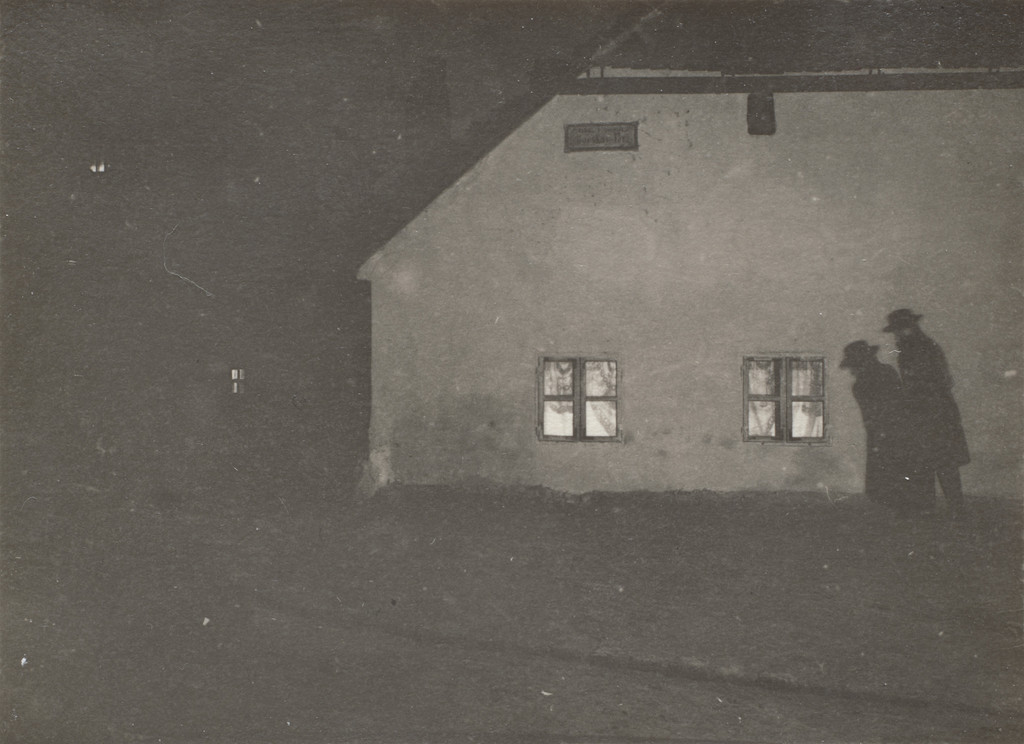
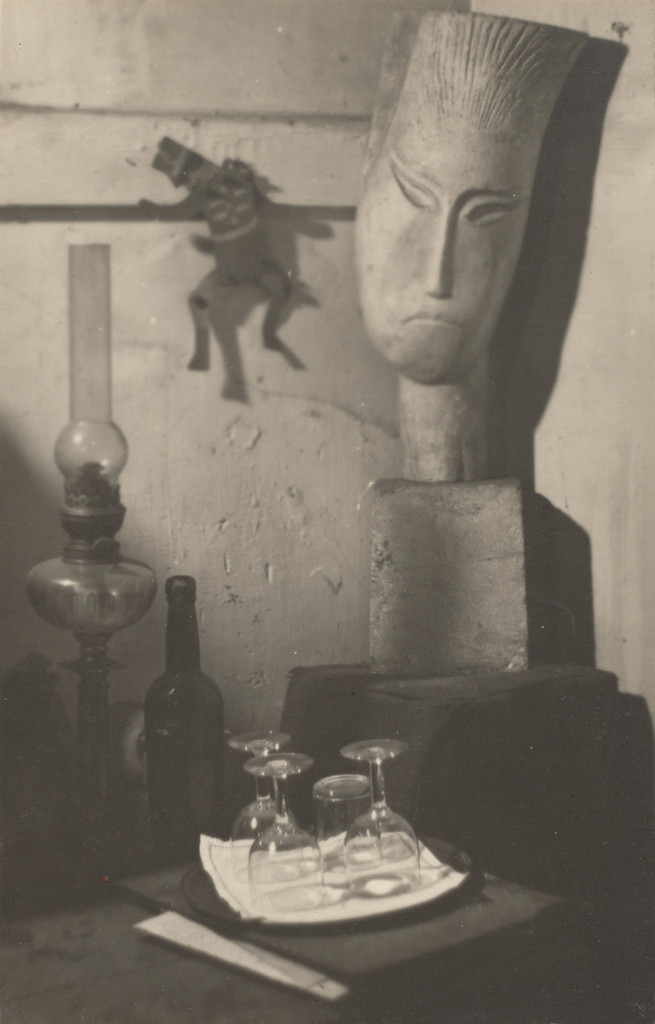
  3. At Zadkine's
At Zadkine's, André Kertész, 1926
André Kertész, retratoAndré KertészEstados Unidos, 1894–1985

At Zadkine's

1926 · Photograph

¿Se puede contemplar?

Por ahora no recibe

MoMA

Nueva York, Estados Unidos

Pertenece a la colección, pero ahora mismo no está expuesta.

Comprobado
hace 9 días
Fuente
El museo
En el mapaPágina del museo

Ficha

1926 · a los 32 años
18941985
Número de inventario
1724.2001

En el catálogo

FotografíaGelatina de plataModernismoSiglo XX

Fuentes

  • MoMA
  • Imagen: MoMA — © the artist or rights holder

Mientras tanto, en la vida de André Kertész

La vida entera
  1. 26 June 1925

    A photograph on the cover of Érdekes Újság

    The Hungarian news magazine Érdekes Újság uses one of his photographs for its cover, giving him widespread publicity; by that time he is determined to photograph the sights of Paris and join its artistic culture.

  2. September 1925

    Moves to Paris against his family’s wishes

    He leaves for Paris, then the artistic capital of the world, against his family’s wishes, leaving behind his mother, his unofficial fiancée Elizabeth, both brothers and his uncle Hoffmann, who dies shortly afterward; Jenő later emigrates to Argentina. Soon after arriving he changes his first name from Andor to André, which he keeps for the rest of his life; at first he takes commissions from several European magazines, in Germany, France, Italy and Great Britain, and then works for VU, France’s first illustrated magazine.

  3. 1925–1936

    The circle of Hungarian émigrés and portraits of friends

    In Paris he is among numerous Hungarian artists, including François Kollar, Robert Capa, Emeric Fehér, Brassaï and Julia Bathory, as well as Man Ray, Germaine Krull and Lucien Aigner, who also emigrated there, and becomes involved with the Dada movement; visiting his sculptor friends, he is fascinated by Cubism. He makes photo portraits of the painters Piet Mondrian and Marc Chagall, the writer Colette and the film-maker Sergei Eisenstein.

  4. 1927

    His first solo exhibition at the Au Sacre du Printemps gallery

    Jan Slivinsky presents 30 of his photographs at the “Sacre du Printemps Gallery”, and Kertész becomes the first photographer to have a one-man exhibition. At the show Paul Dermée dubs him “Brother Seer” and “Brother Seeing Eye”, alluding to a medieval monastery where all the monks were blind but one; Kertész has become connected with members of the growing Dada movement.

  5. late 1920s

    A secret marriage to Rosza Klein (Rogi André)

    He secretly marries the French portrait photographer Rosza Klein, who worked under the name Rogi André; the marriage is short-lived and he never speaks about it.

  6. 1928

    Switches to a Leica

    He switches from plate-glass cameras to a Leica; this period is one of his most productive, with daily photographing divided between magazine commissions through the late 1920s and his personal pieces.
Más obras de André Kertész

Todas las obras
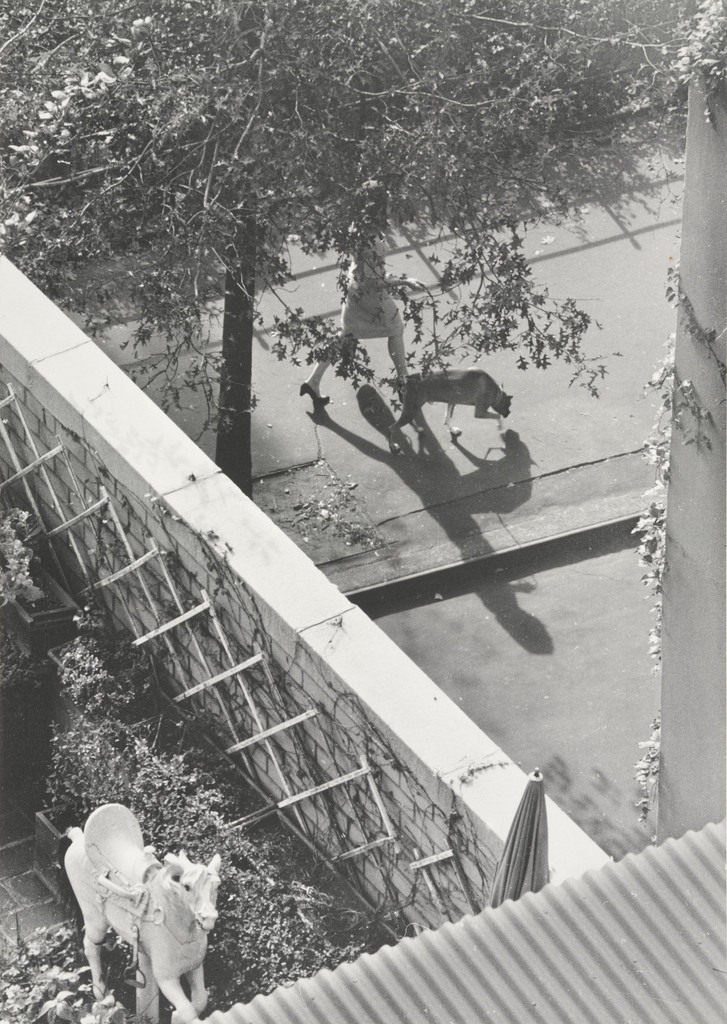
Promenade, André Kertész, 1962

Promenade

1962 · MoMA

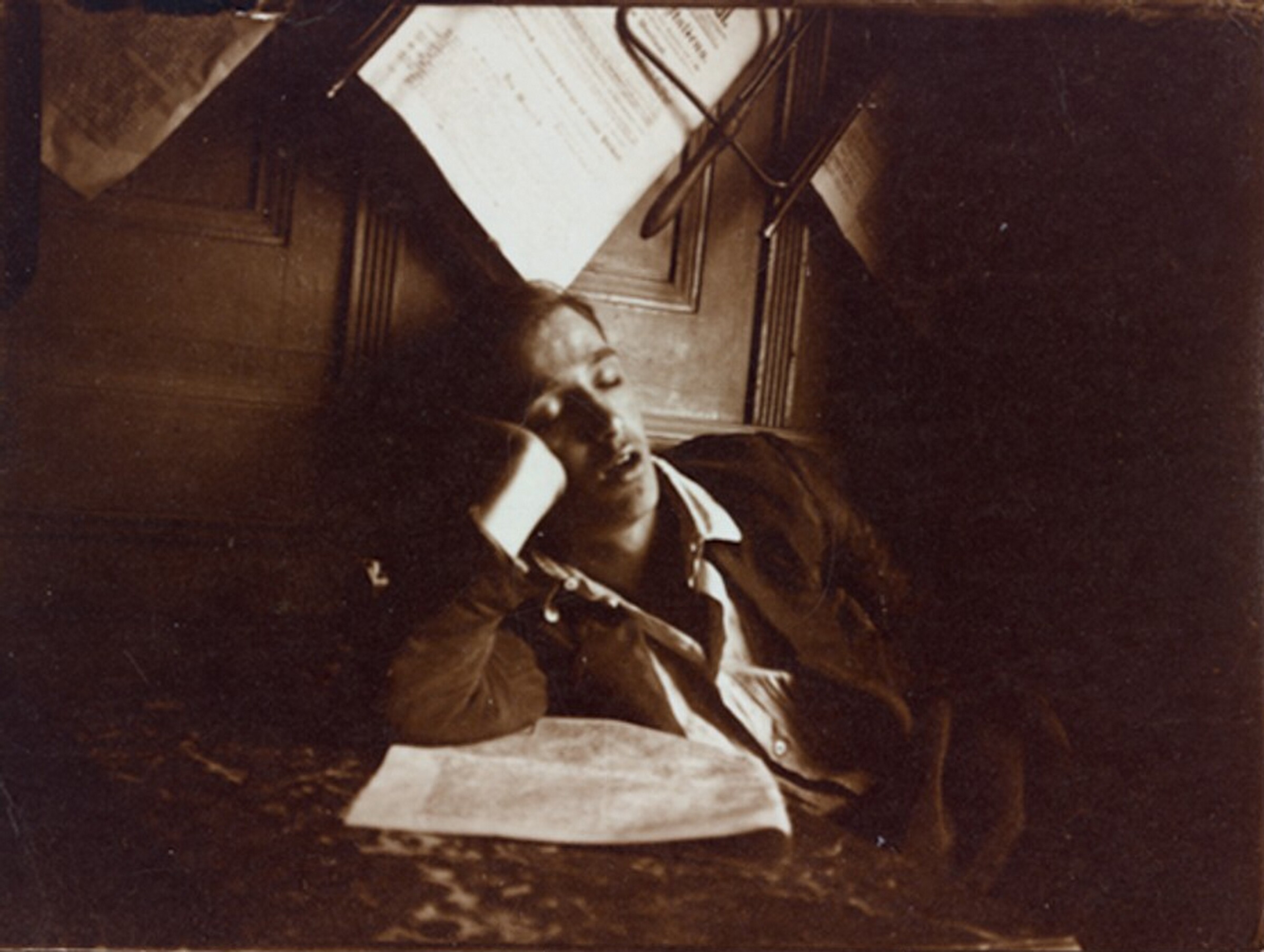
Sleeping Boy, André Kertész, 1912

Sleeping Boy

1912 · No expuesta · Galería Nacional de Arte

Bocskay-tér, Budapest, André Kertész, 1914

Bocskay-tér, Budapest

1914 · No expuesta · MoMA

Self-Portrait at Front, André Kertész, c. 1915-1916

Self-Portrait at Front

c. 1915-1916 · No expuesta · Galería Nacional de Arte

The Fairy Tale, André Kertész, 1915

The Fairy Tale

1915 · No expuesta · Galería Nacional de Arte

Self-Portrait, André Kertész, 1915

Self-Portrait

1915 · No expuesta · Galería Nacional de Arte

Self-Portrait, Wounded, with Officer, André Kertész, January 1916

Self-Portrait, Wounded, with Officer

January 1916 · No expuesta · Galería Nacional de Arte

Esztergom Cathedral, André Kertész, 1917

Esztergom Cathedral

1917 · No expuesta · Galería Nacional de Arte

Bajo el mismo techo: MoMA

Página del museo
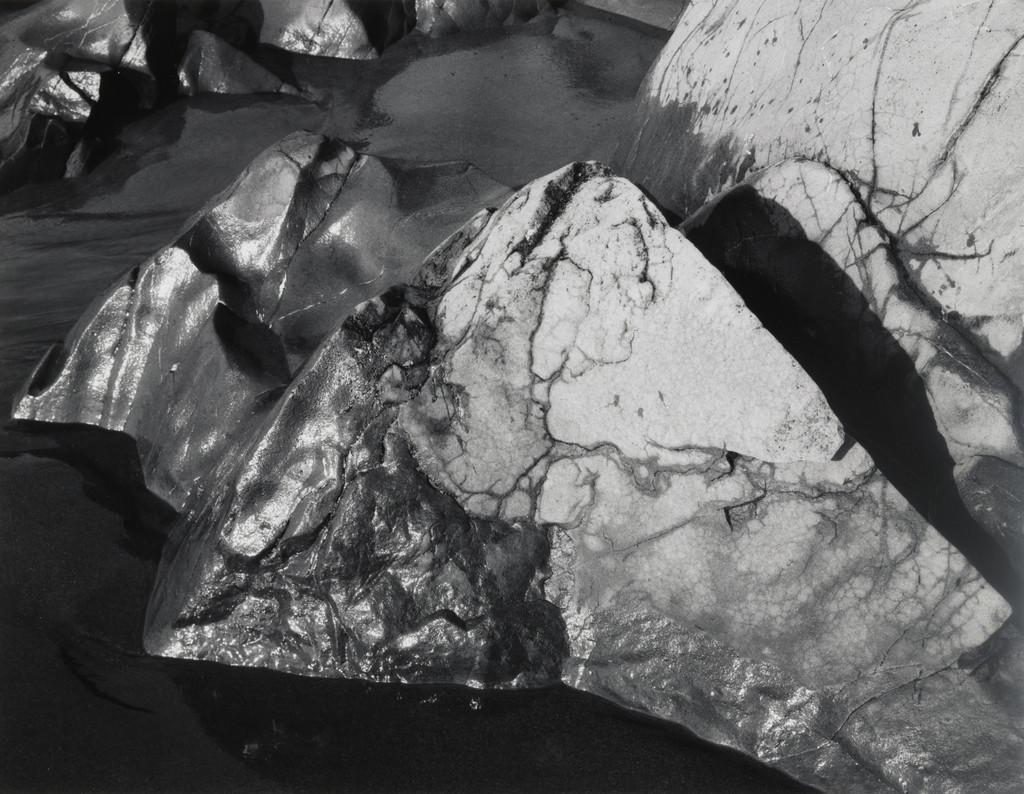
Rock, Bakers Beach, San Francisco, California, Ansel Adams, c. 1931

Ansel Adams

Rock, Bakers Beach, San Francisco, California, c. 1931

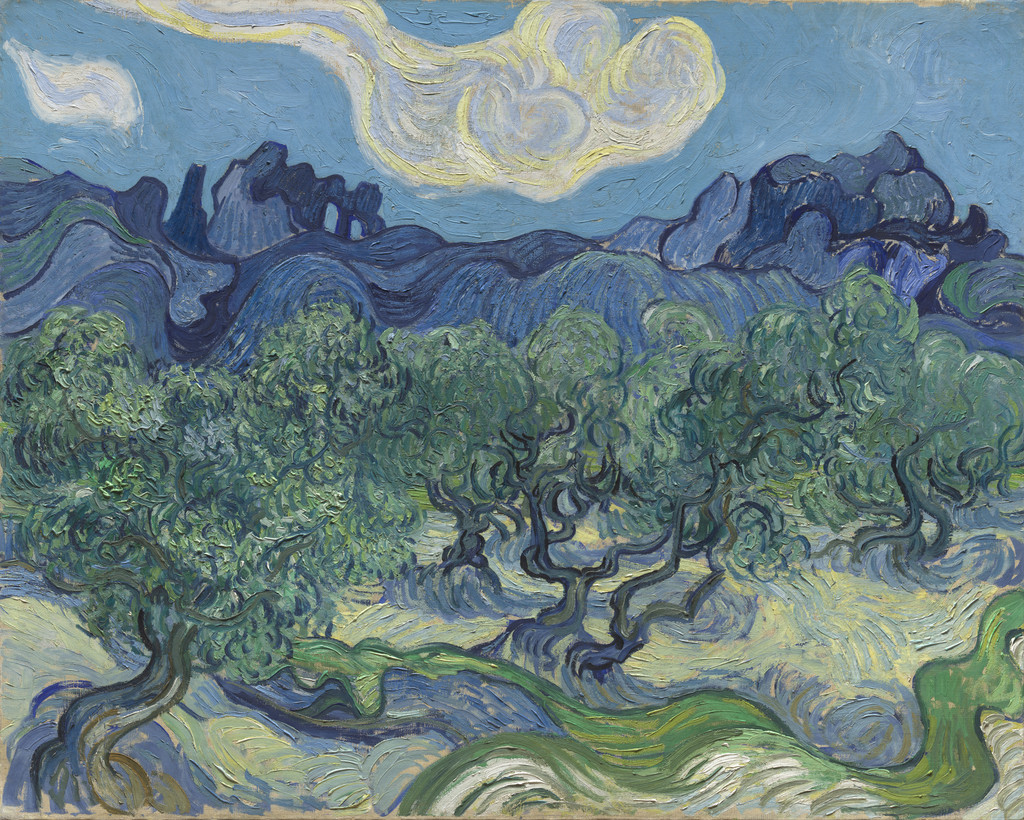
The Olive Trees, Vincent van Gogh, Saint Rémy, June-July 1889

Vincent van Gogh

The Olive Trees, Saint Rémy, June-July 1889

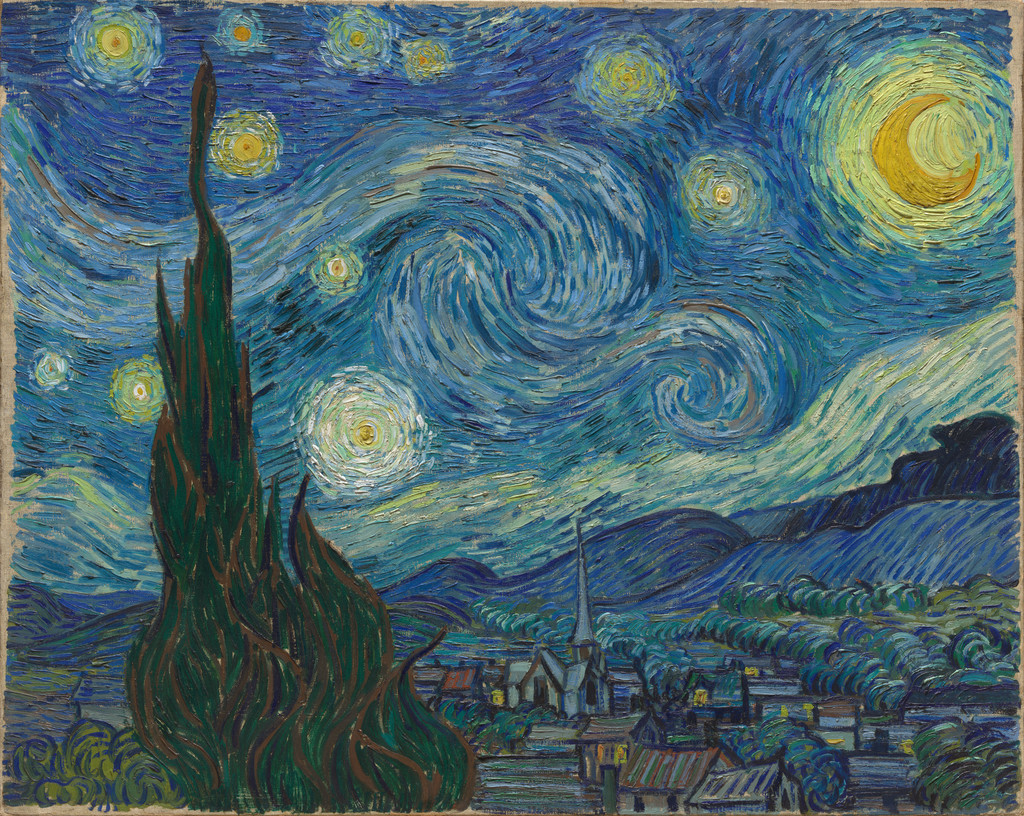
The Starry Night, Vincent van Gogh, Saint Rémy, June 1889

Vincent van Gogh

La noche estrellada, Saint Rémy, June 1889

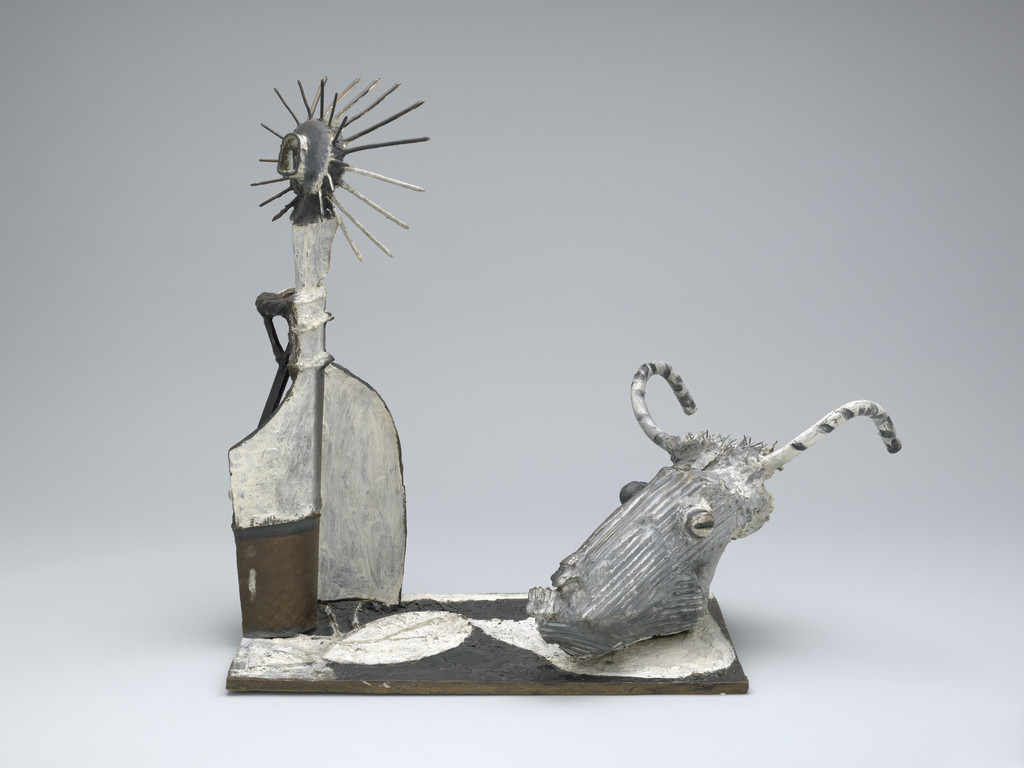
Goat Skull and Bottle, Pablo Picasso, Vallauris, 1951 (cast 1954)

Pablo Picasso

Goat Skull and Bottle, Vallauris, 1951 (cast 1954)

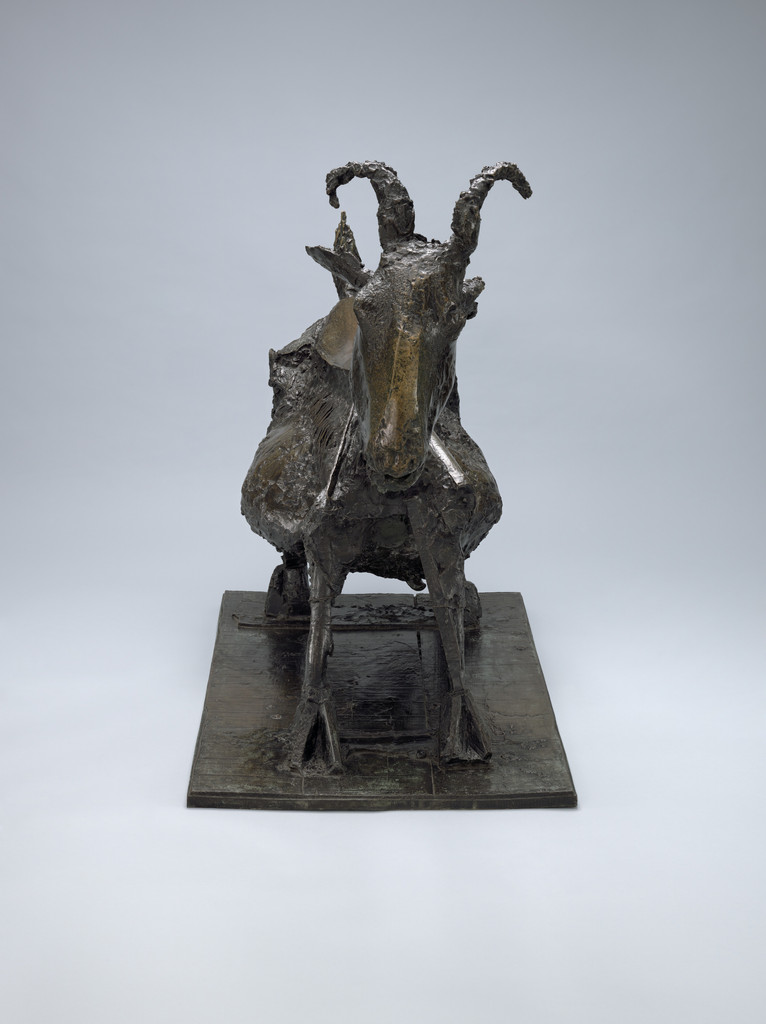
She-Goat, Pablo Picasso, Vallauris, 1950 (cast 1952)

Pablo Picasso

She-Goat, Vallauris, 1950 (cast 1952)

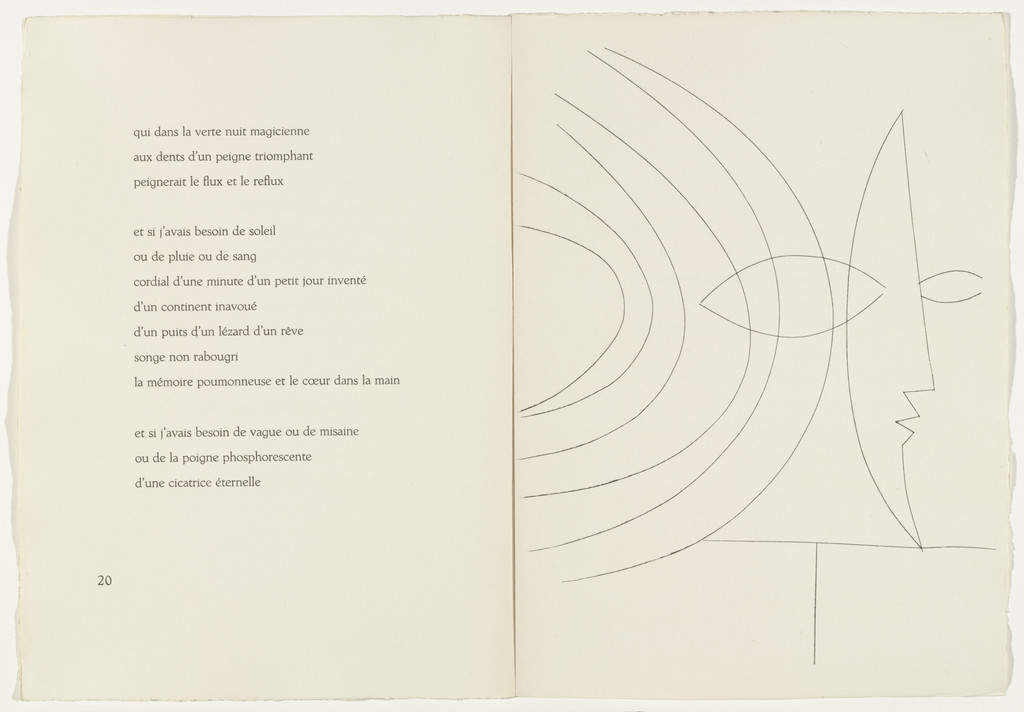
Face in Profile (plate, page 21) from Corps perdu, Pablo Picasso, 1949, published 1950

Pablo Picasso

Face in Profile (plate, page 21) from Corps perdu, 1949, published 1950

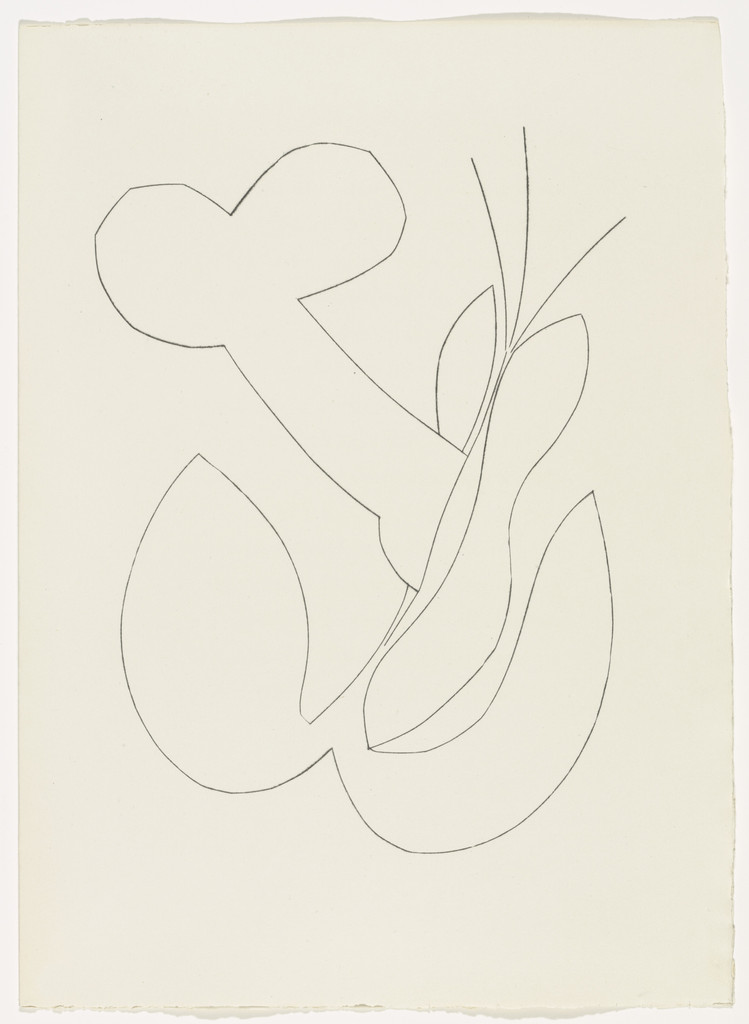
Coupling (plate, page 17) from Corps perdu, Pablo Picasso, 1949, published 1950

Pablo Picasso

Coupling (plate, page 17) from Corps perdu, 1949, published 1950

"Présence" (chapter title, page 13) from Corps perdu, Pablo Picasso, 1949, published 1950

Pablo Picasso

"Présence" (chapter title, page 13) from Corps perdu, 1949, published 1950