
Estados Unidos · 1917–2000
Jacob Lawrence
Jacob Lawrence: dónde ver sus obras hoy. 10 obras expuestas, principalmente en Nueva York, Chicago. Obras en nuestro catálogo: 82; colecciones: 8. Comprobado el 16 de noviembre de 2026.
Jacob Lawrence o más exacto, Jacob Armstead Lawrence fue un pintor estadounidense.
Dónde ver a Jacob Lawrence
Preguntas
- ¿Dónde ver a Jacob Lawrence hoy?
- 10 obras están expuestas. Ciudades con más obras expuestas: Nueva York (7); Chicago (1). Comprobado el 16 de noviembre de 2026.
- ¿Qué museo tiene más obras de Jacob Lawrence?
- MoMA tiene más en nuestro catálogo: 37 obras.
- ¿Cuántas obras de Jacob Lawrence hay en colecciones de museos?
- Obras en nuestro catálogo: 82. Colecciones de museos: 8. Países: 1.
- ¿Cuándo vivió Jacob Lawrence?
- Nació en 1917. Murió en 2000. Nacionalidad: Estados Unidos.

The Wedding
1948 · Instituto de Arte de Chicago
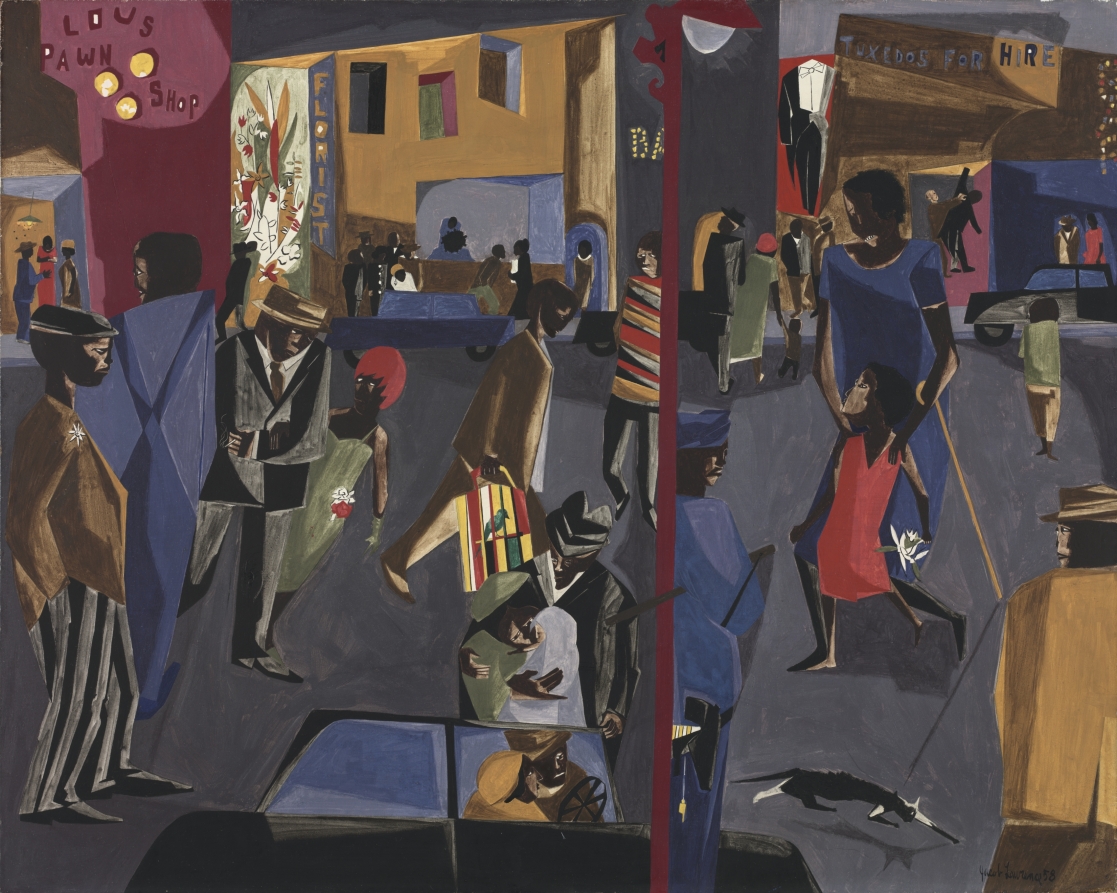
Fulton and Nostrand
1958 · Museo de Arte de Cleveland

War Series: The Letter
1946 · Museo Whitney de Arte Estadounidense

War Series: Docking - Cigarette, Joe?
1947 · Museo Whitney de Arte Estadounidense

War Series: How Long?
1947 · Museo Whitney de Arte Estadounidense

War Series: Shipping Out
1947 · Museo Whitney de Arte Estadounidense
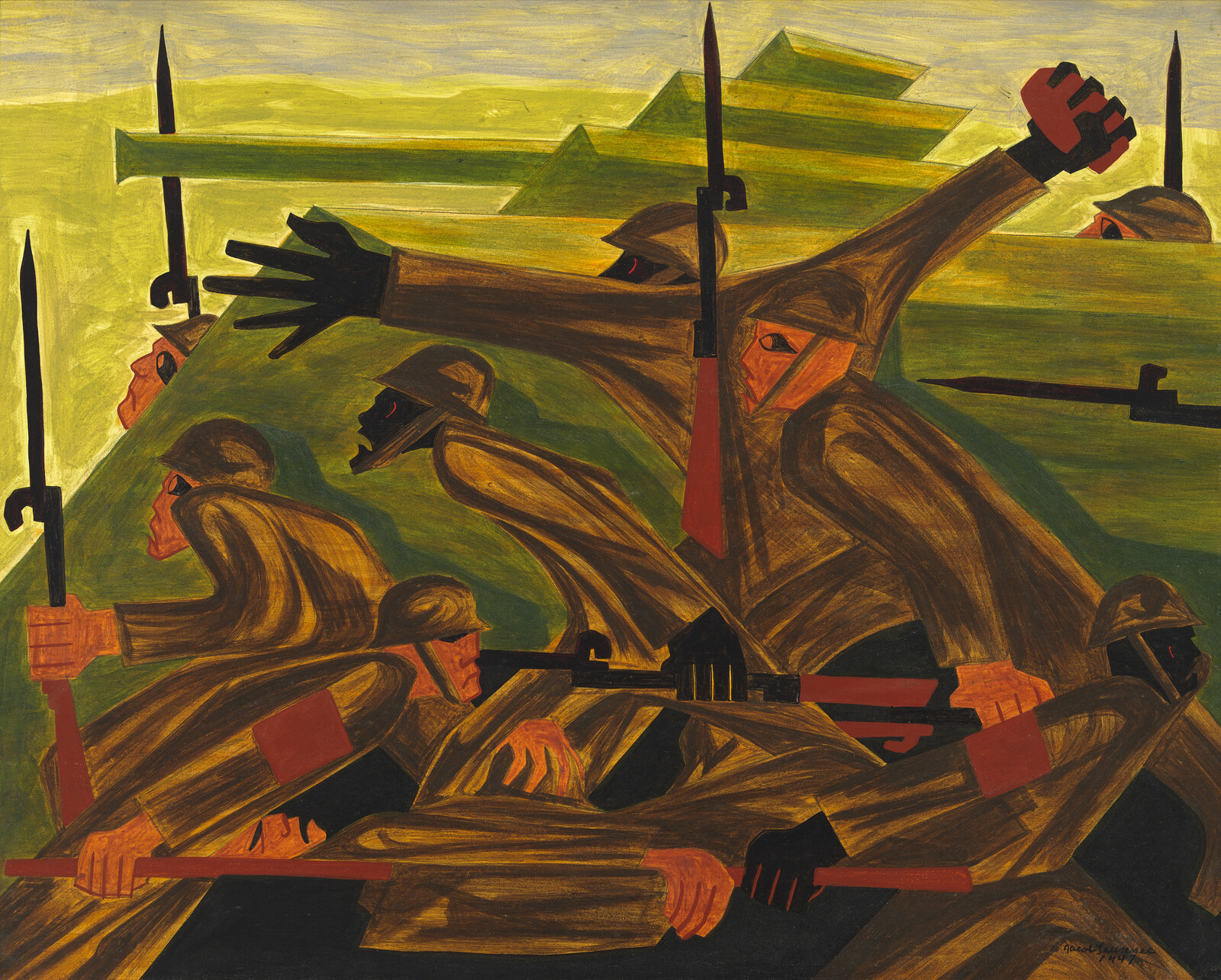
War Series: Beachhead
1947 · Museo Whitney de Arte Estadounidense

War Series: Victory
1947 · Museo Whitney de Arte Estadounidense

War Series: On Leave
1947 · Museo Whitney de Arte Estadounidense

Chess Players
1970 · Harvard Art Museums

The railroad stations in the South were crowded with people leaving for the North
1940-41 · No expuesta · MoMA

The trains were packed continually with migrants
1940-41 · No expuesta · MoMA
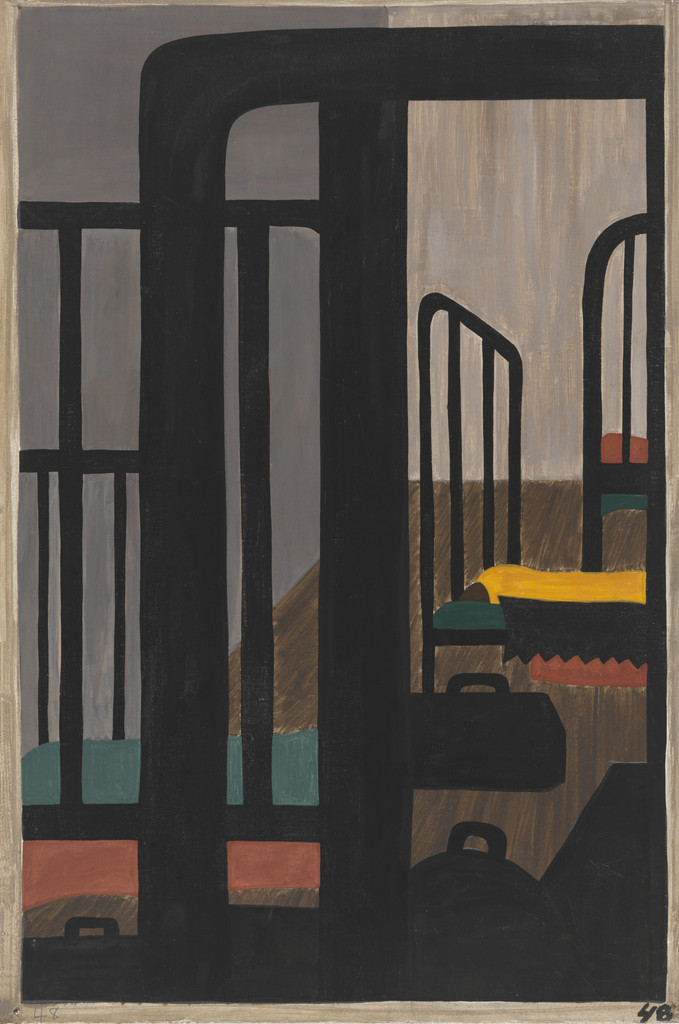
Housing for the Negroes was a very difficult problem
1940-41 · No expuesta · MoMA
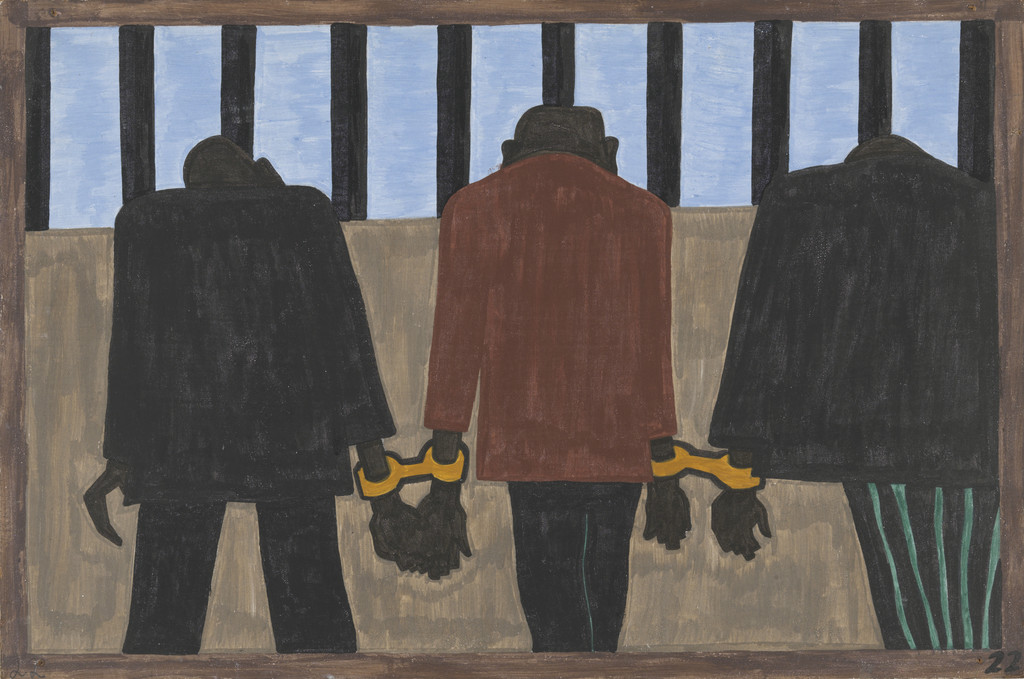
Another of the social causes of the migrants' leaving was that at times they did not feel safe, or it was not the best thing to be found on the streets late at night. They were arrested on the slightest provocation
1940-41 · No expuesta · MoMA
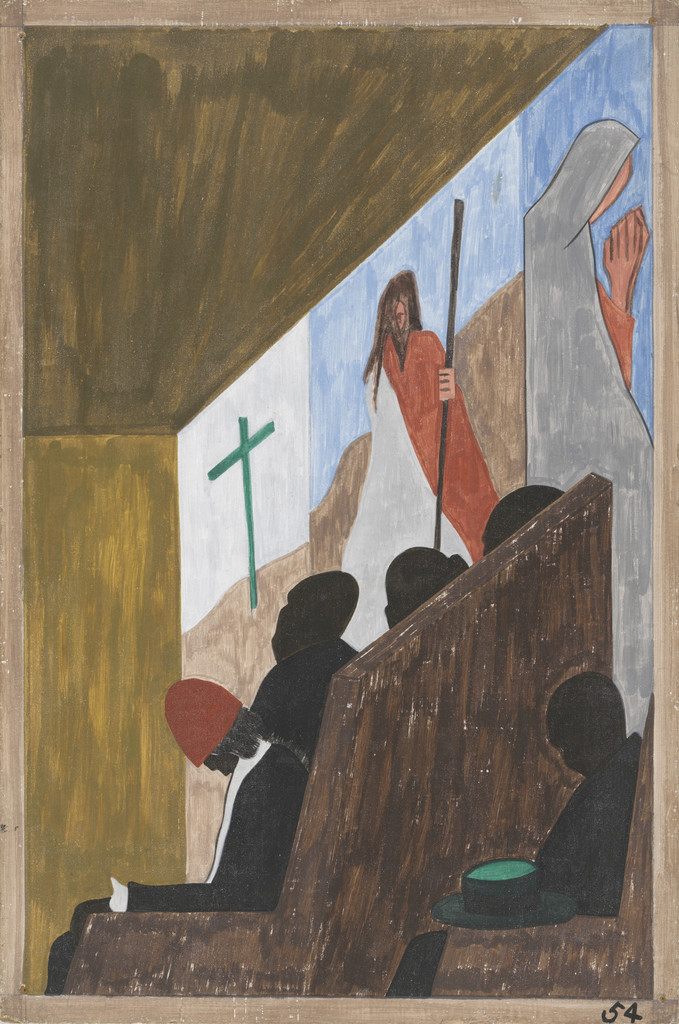
One of the main forms of social and recreational activities in which the migrants indulged occurred in the church
1940-41 · No expuesta · MoMA
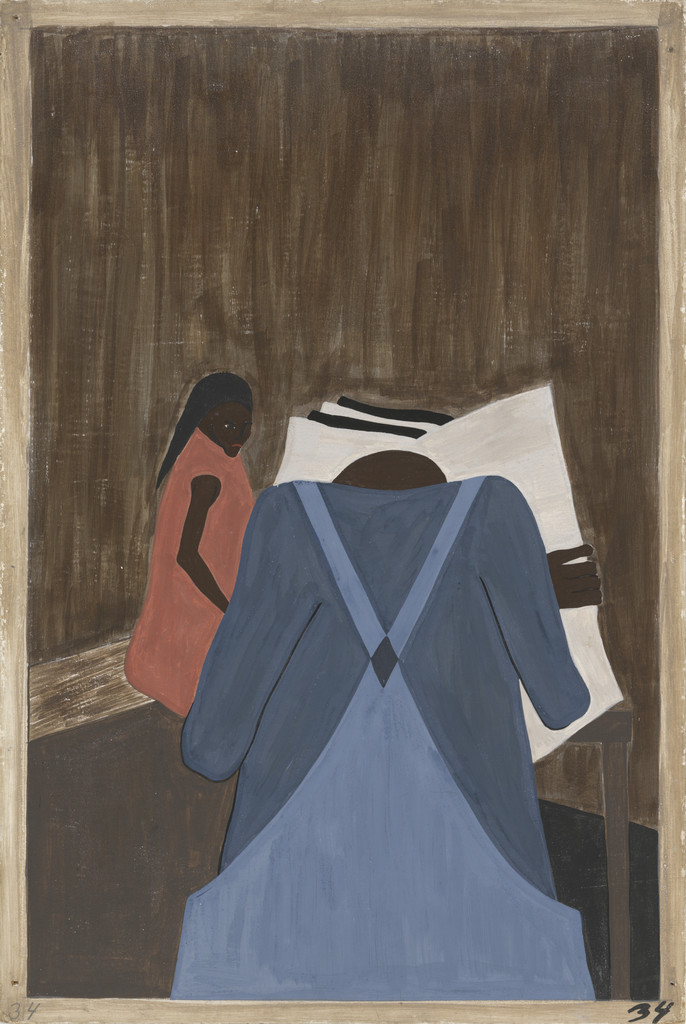
The Negro press was also influential in urging the people to leave the South
1940-41 · No expuesta · MoMA

They were very poor
1940-41 · No expuesta · MoMA
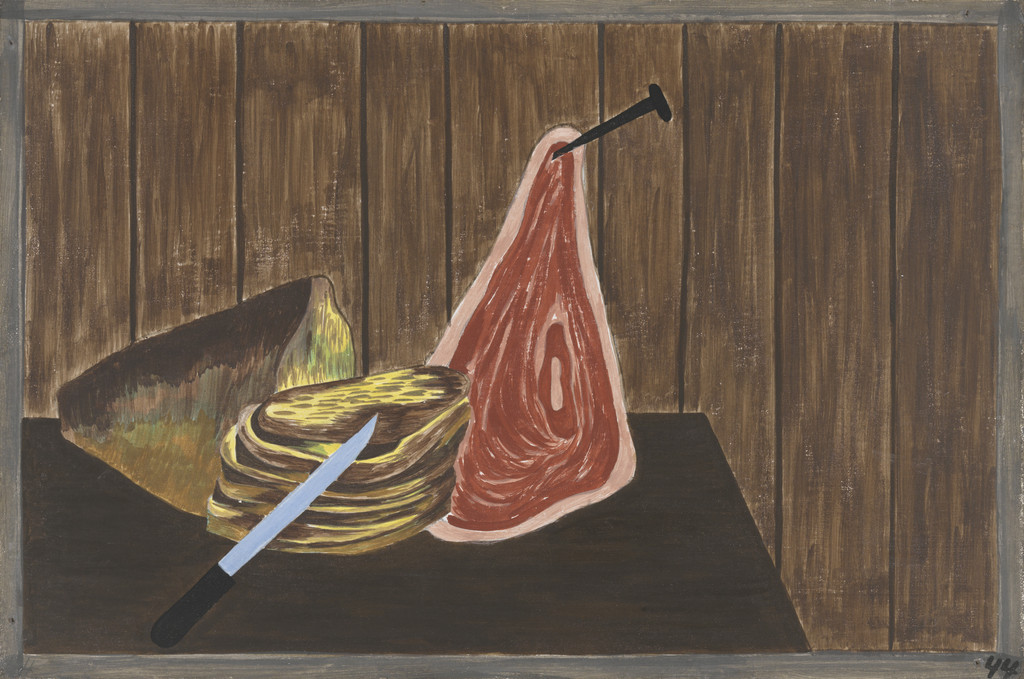
Living conditions were better in the North
1940-41 · No expuesta · MoMA

The railroad stations were at times so over-packed with people leaving that special guards had to be called in to keep order
1940-41 · No expuesta · MoMA
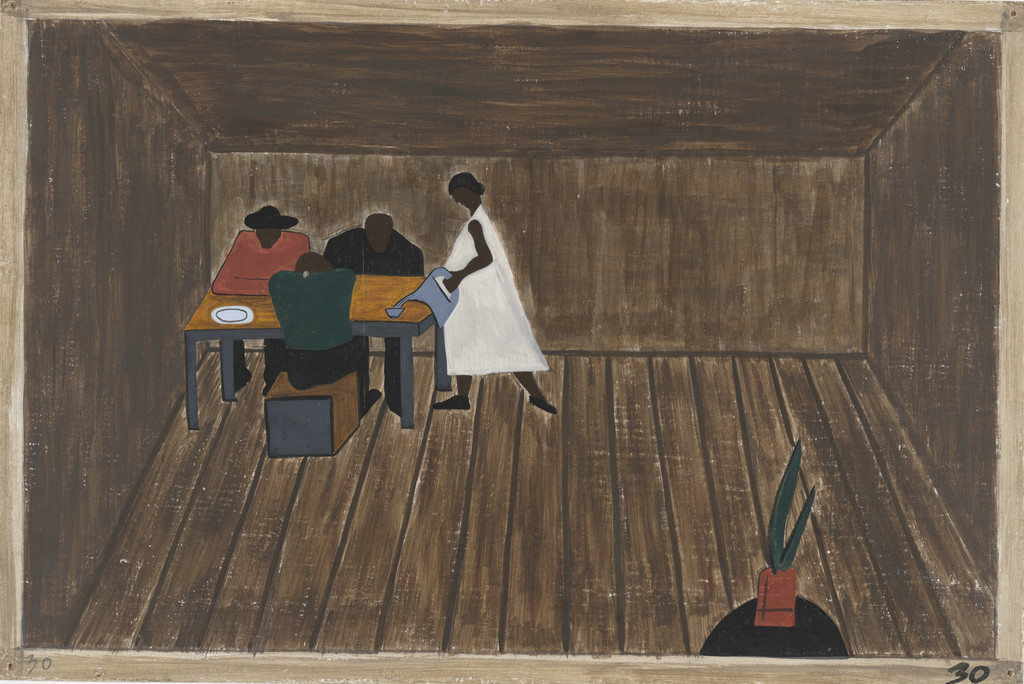
In every home people who had not gone North met and tried to decide if they should go North or not
1940-41 · No expuesta · MoMA
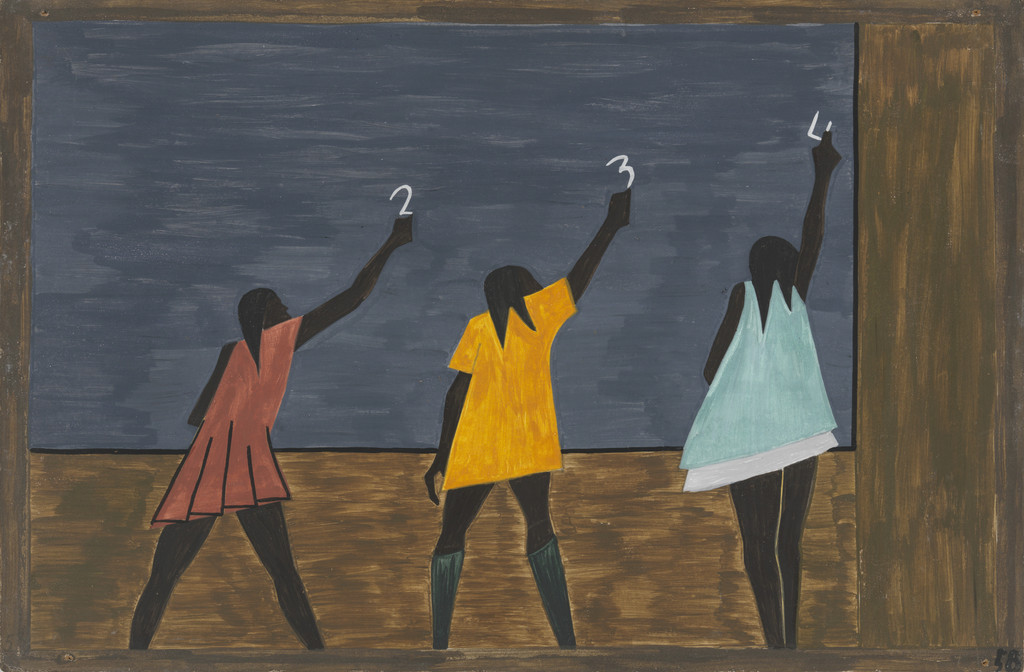
In the North the Negro had better educational facilities
1940-41 · No expuesta · MoMA
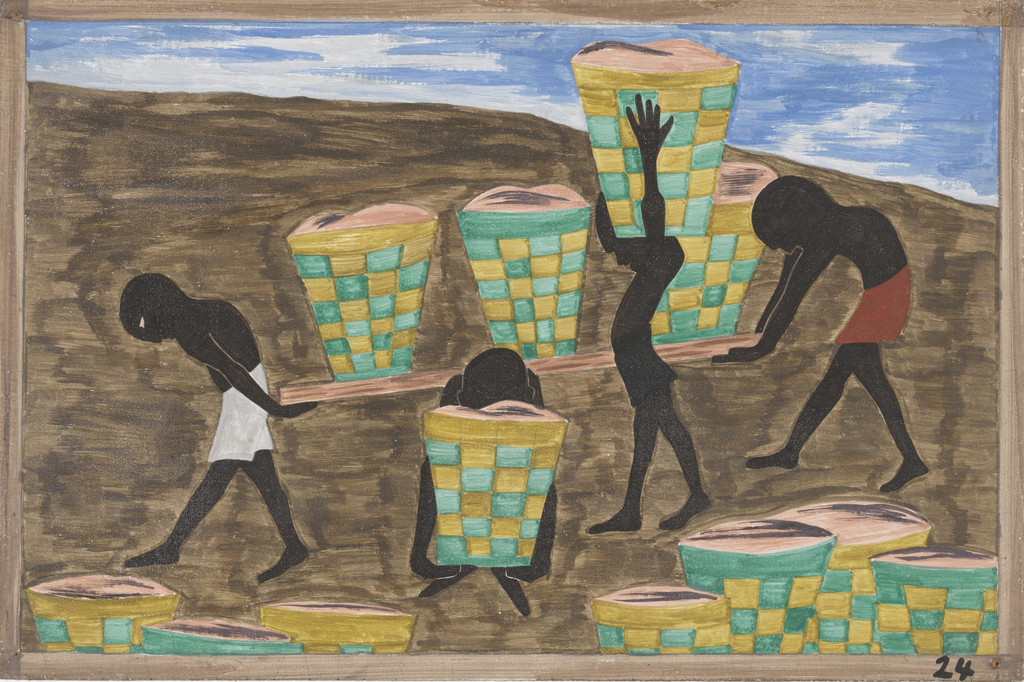
Child labor and a lack of education was one of the other reasons for people wishing to leave their homes
1940-41 · No expuesta · MoMA
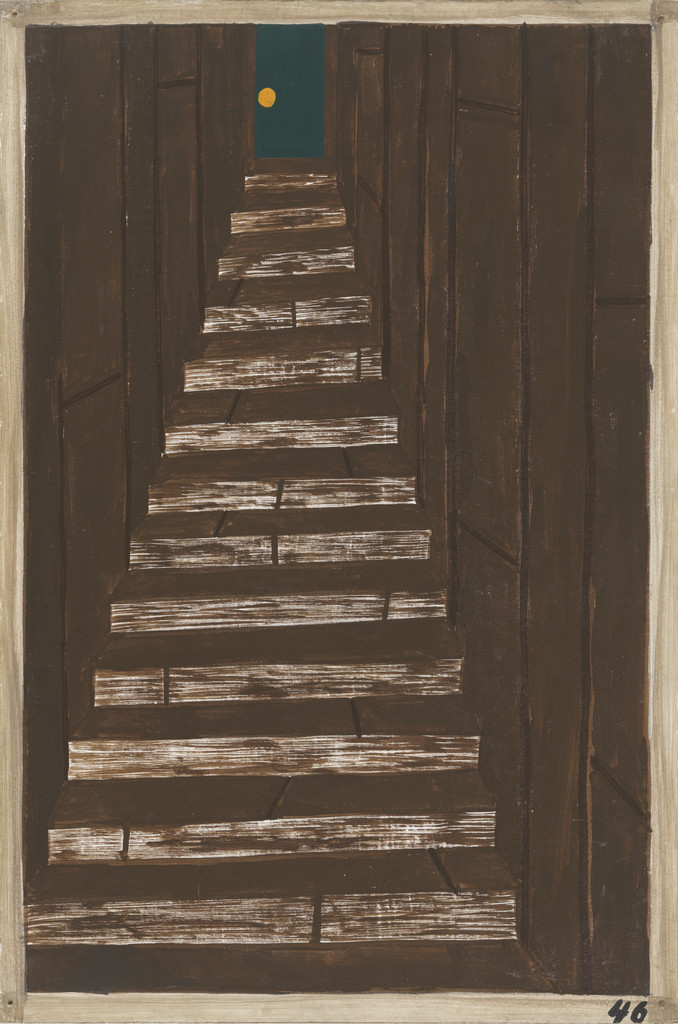
Industries attempted to board their labor in quarters that were oftentimes very unhealthy. Labor camps were numerous
1940-41 · No expuesta · MoMA
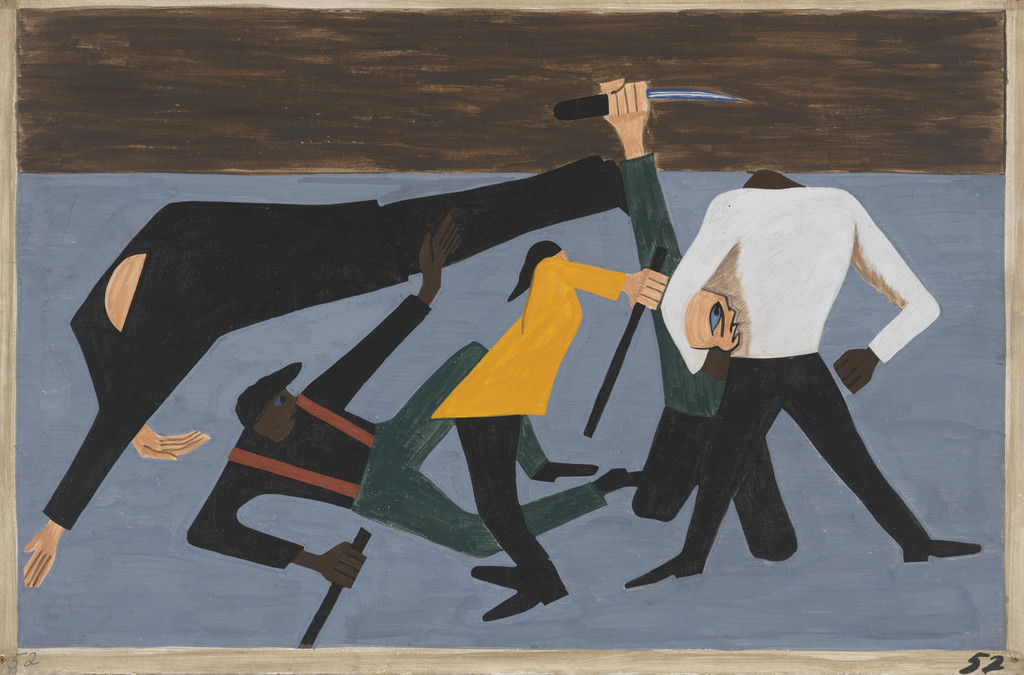
One of the largest race riots occurred in East St. Louis
1940-41 · No expuesta · MoMA
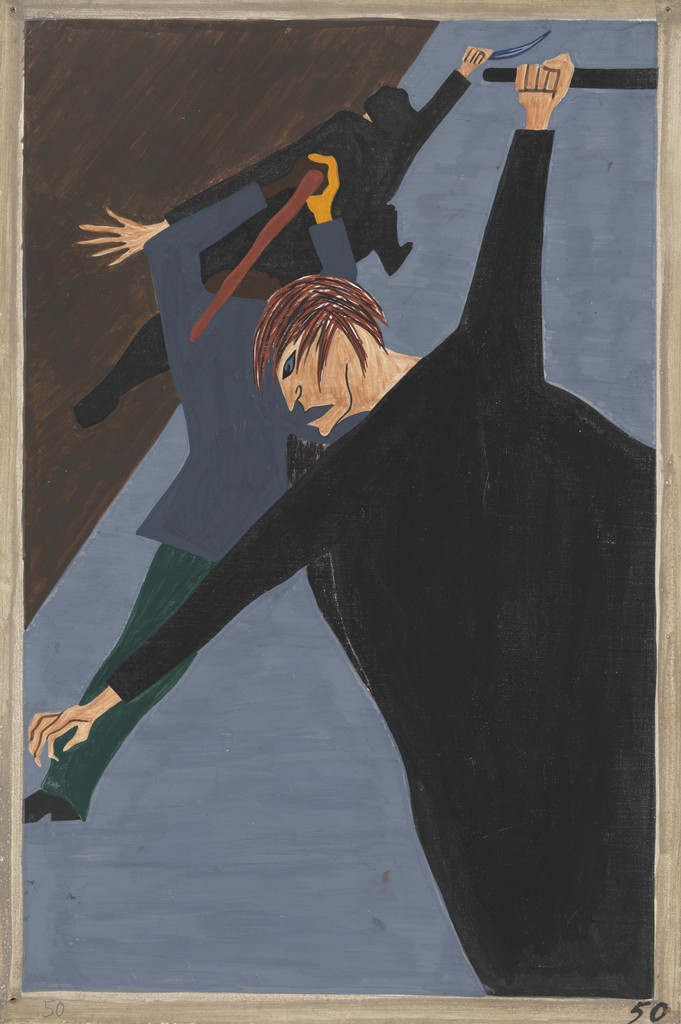
Race riots were very numerous all over the North because of the antagonism that was caused between the Negro and white workers. Many of these riots occurred because the Negro was used as a strike breaker in many of the Northern industries
1940-41 · No expuesta · MoMA
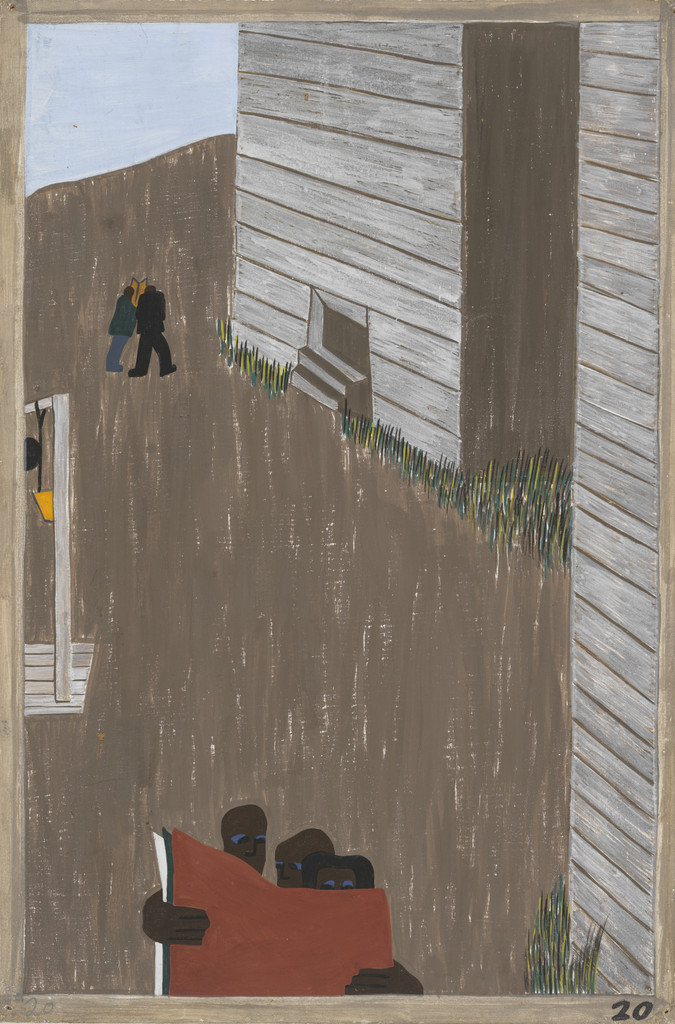
In many of the communities the Negro press was read continually because of its attitude and its encouragement of the movement
1940-41 · No expuesta · MoMA
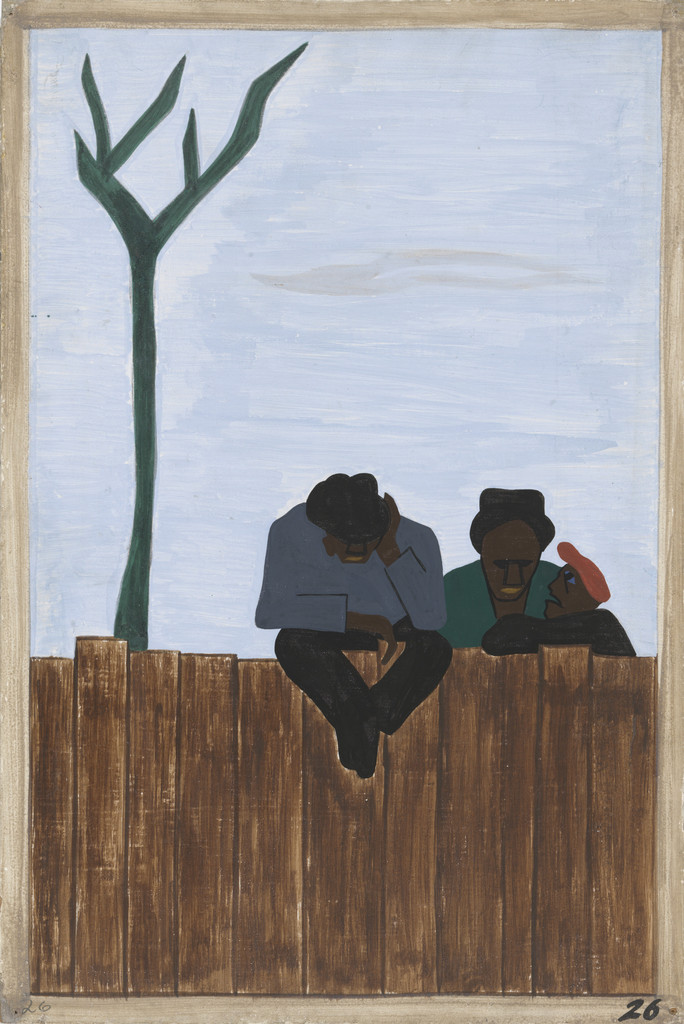
And people all over the South began to discuss this great movement
1940-41 · No expuesta · MoMA

The migrants arrived in great numbers
1940-41 · No expuesta · MoMA

They also made it very difficult for migrants leaving the South. They often went to railroad stations and arrested the Negroes wholesale, which in turn made them miss their train
1940-41 · No expuesta · MoMA

The World War had caused a great shortage in Northern industry and also citizens of foreign countries were returning home
1940-41 · No expuesta · MoMA

They also worked in large numbers on the railroad
1940-41 · No expuesta · MoMA
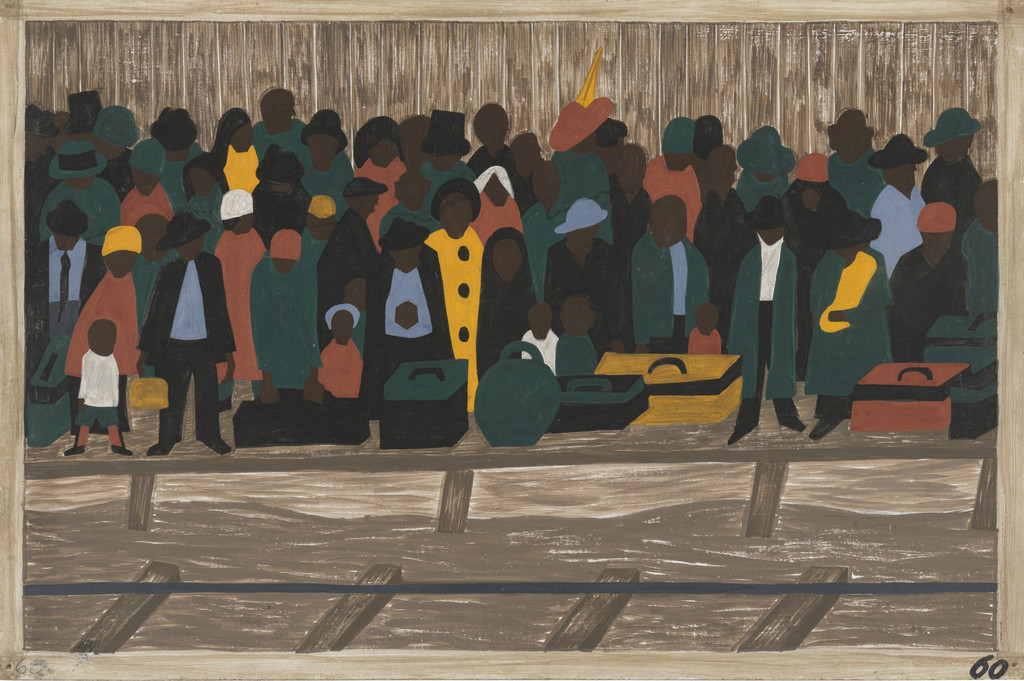
And the migrants kept coming
1940-41 · No expuesta · MoMA

The labor agent who had been sent South by Northern industry was a very familiar person in the Negro counties
1940-41 · No expuesta · MoMA
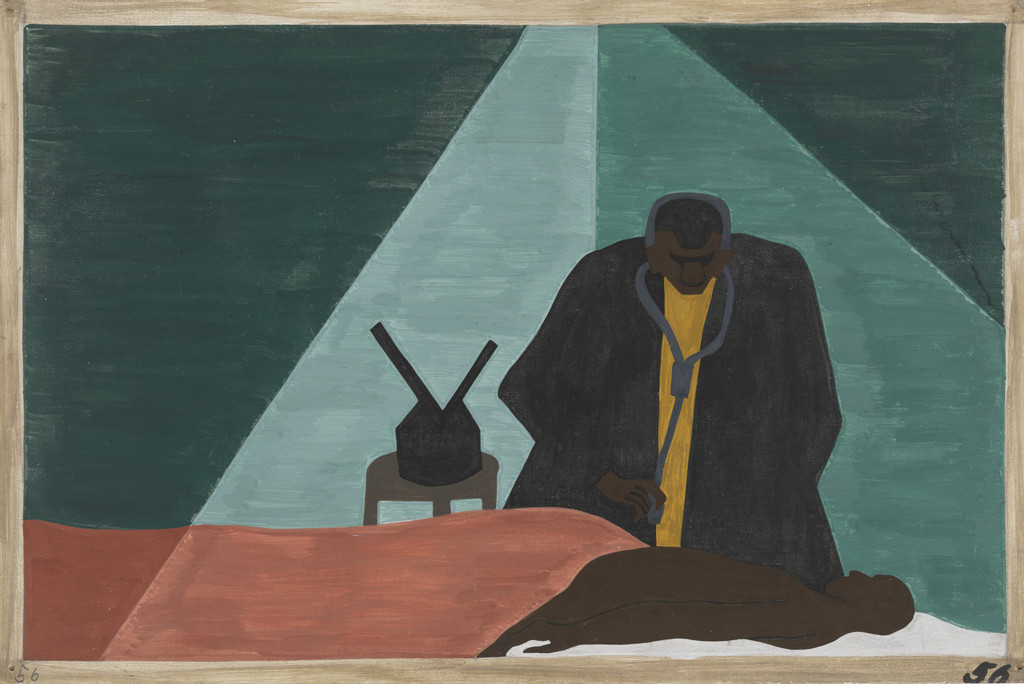
Among one of the last groups to leave the South was the Negro professional who was forced to follow his clientele to make a living
1940-41 · No expuesta · MoMA
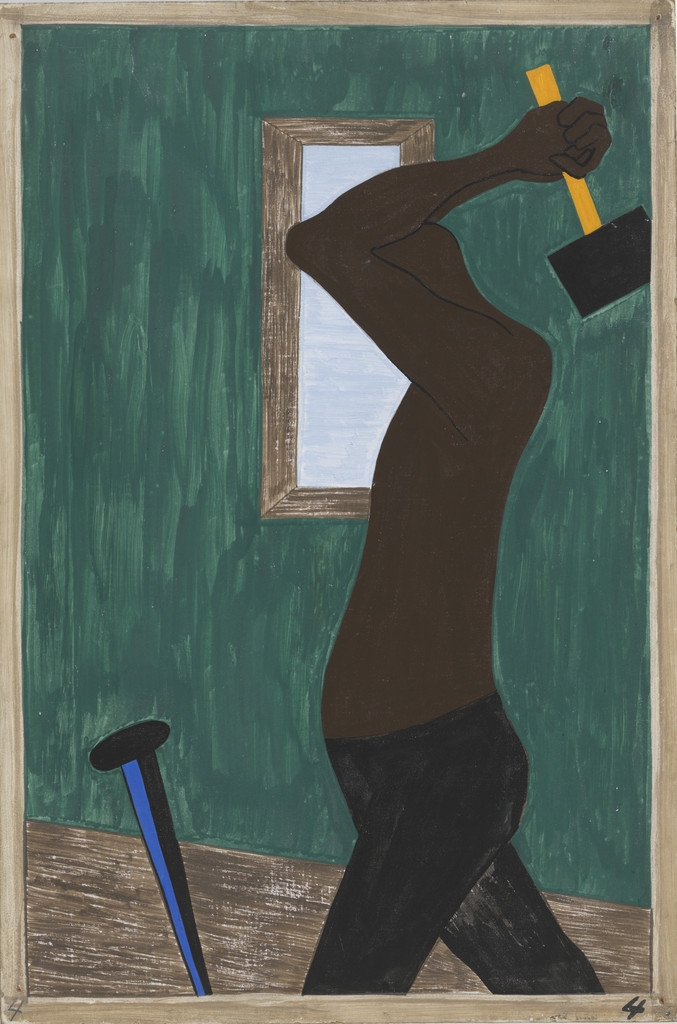
The Negro was the largest source of labor to be found after all others had been exhausted
1940-41 · No expuesta · MoMA

The migration gained in momentum
1940-41 · No expuesta · MoMA

They did not always leave because they were promised work in the North. Many of them left because of Southern conditions, one of them being great floods that ruined the crops, and therefore they were unable to make a living where they were
1940-41 · No expuesta · MoMA

They arrived in great numbers into Chicago, the gateway of the West
1940-41 · No expuesta · MoMA
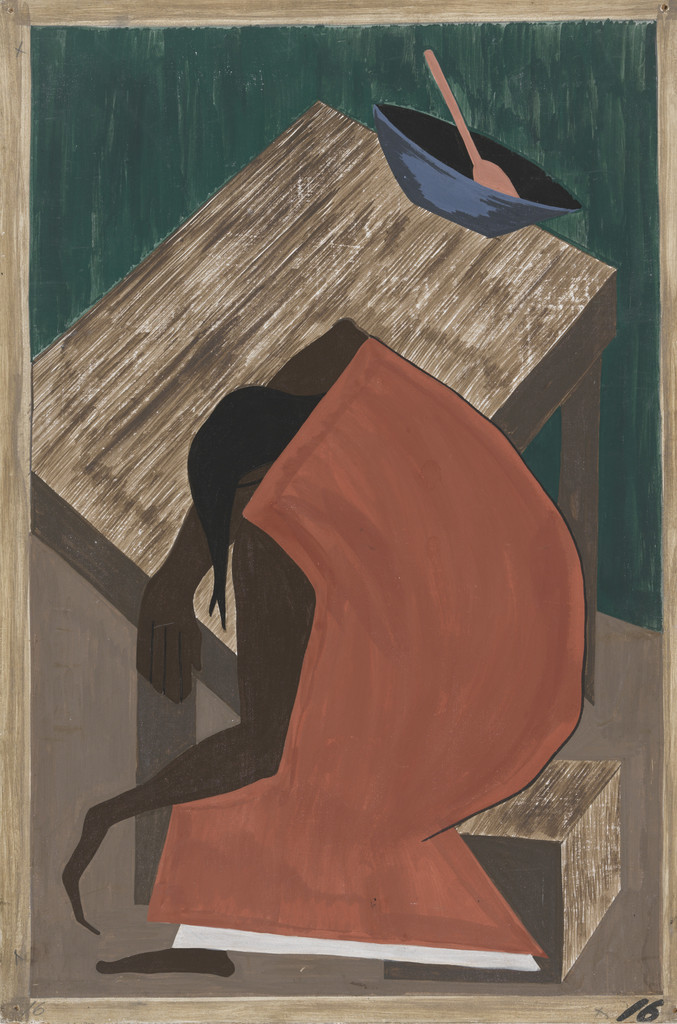
Although the Negro was used to lynching, he found this an opportune time for him to leave where one had occurred
1940-41 · No expuesta · MoMA
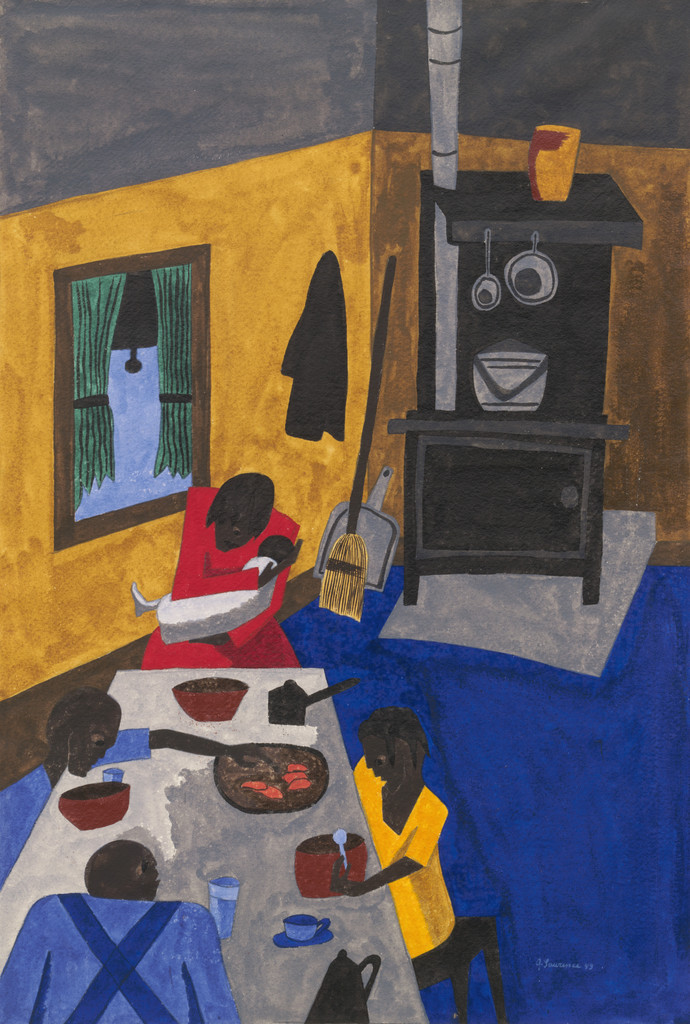
This Is a Family Living in Harlem
1943 · No expuesta · MoMA
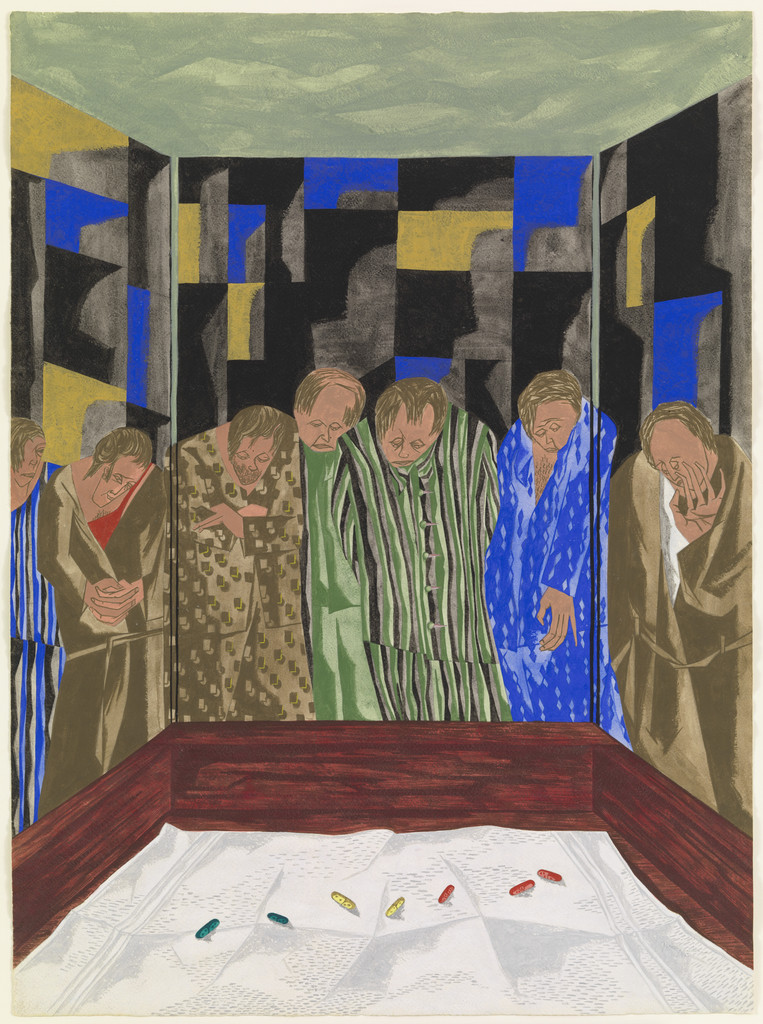
Sedation
1950 · No expuesta · MoMA

Still Life With Masks
1959 · No expuesta · Galería Nacional de Arte
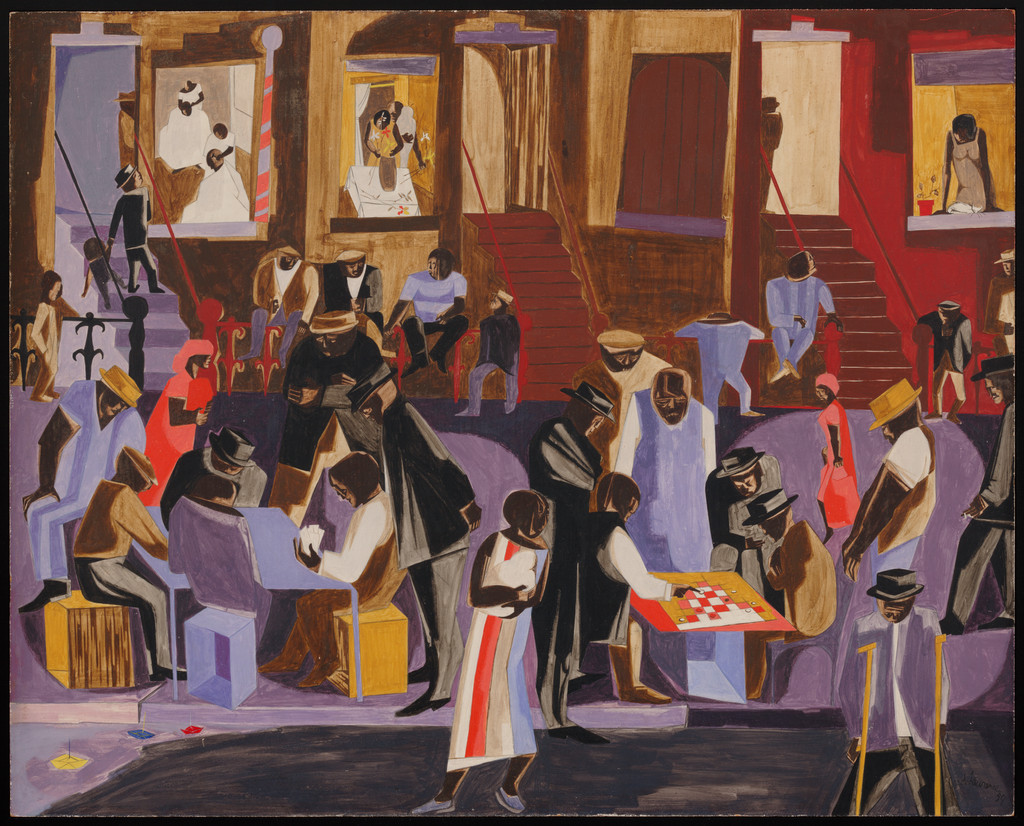
Street Shadows
1959 · No expuesta · MoMA

Street to Mbari
1964 · No expuesta · Galería Nacional de Arte

Daybreak - A Time to Rest
1967 · No expuesta · Galería Nacional de Arte

Olympic Games
1971 · No expuesta · Galería Nacional de Arte

The 1920's...The Migrants Arrive and Cast Their Ballots
1974 · No expuesta · Galería Nacional de Arte
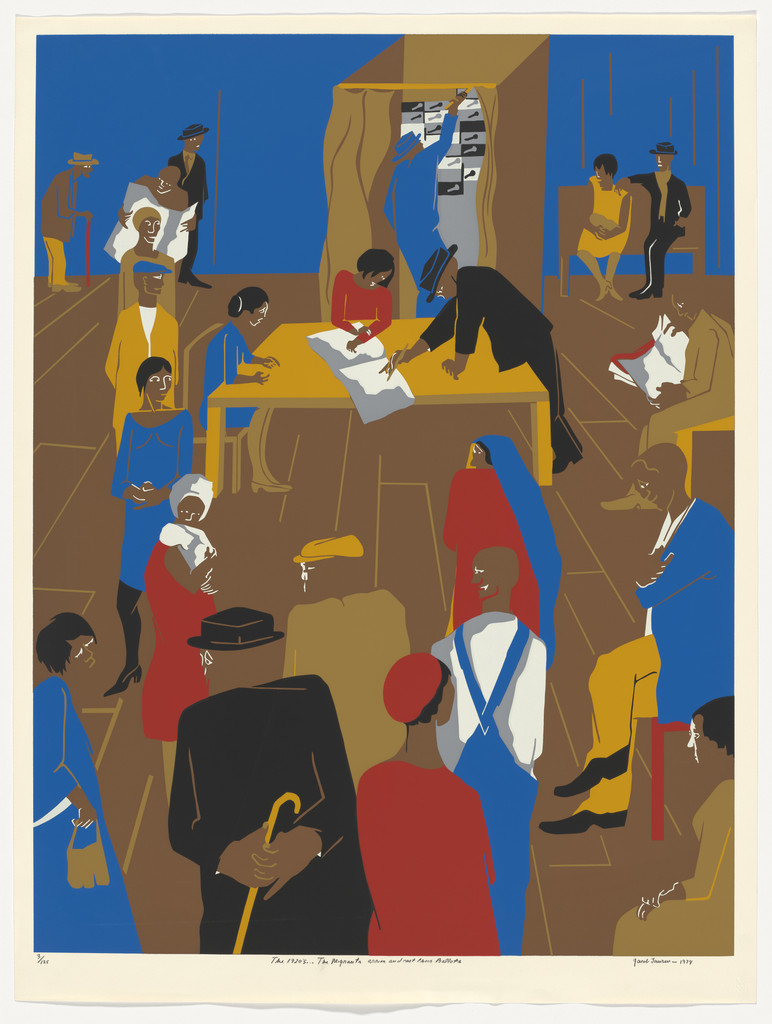
The 1920's ... The Migrants Arrive and Cast Their Ballots from Kent Bicentennial Portfolio: Spirit of Independence
1974, published 1975 · No expuesta · MoMA
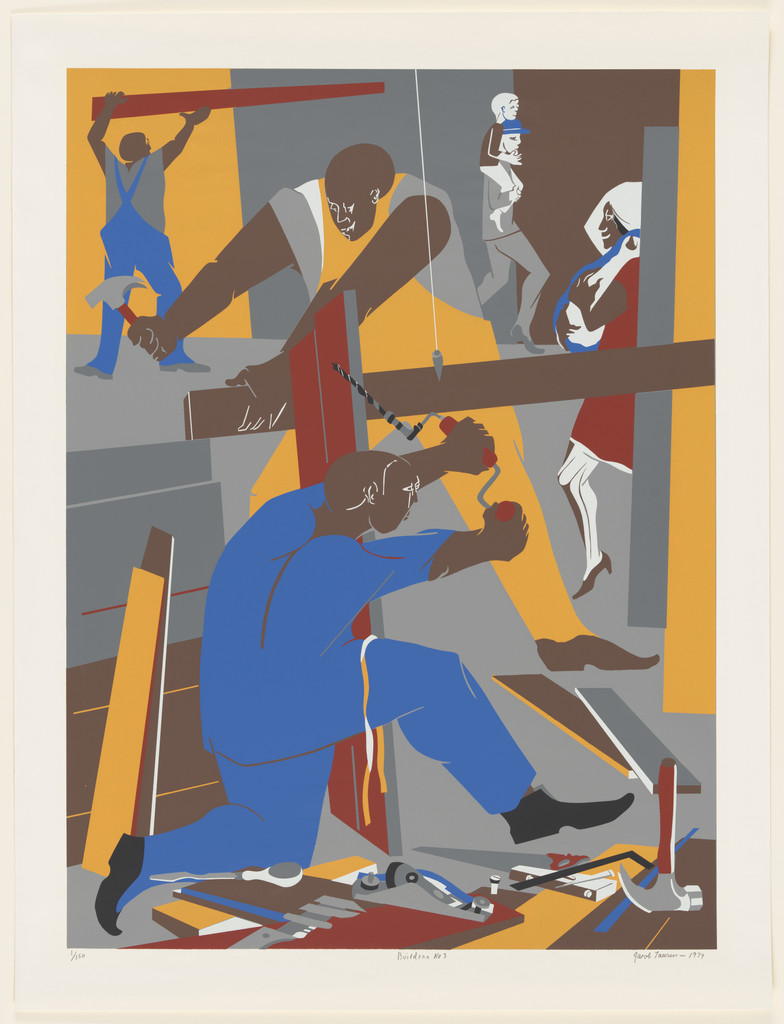
Builders No.3
1974 · No expuesta · MoMA

The Capture
1987 · No expuesta · Galería Nacional de Arte
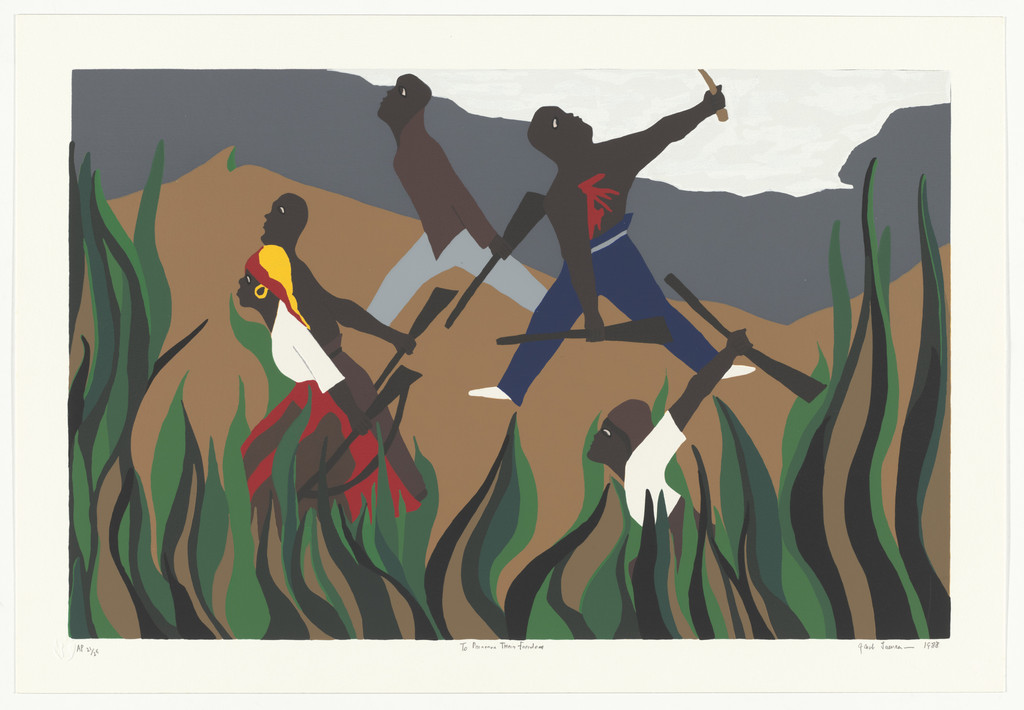
To Preserve Their Freedom from the series The Life of Toussaint L'Ouverture
1988 · No expuesta · MoMA

Revolt on the Amistad
1989 · No expuesta · Galería Nacional de Arte

Toussaint at Ennery
1989 · No expuesta · Galería Nacional de Arte

The Coachman
1990 · No expuesta · Galería Nacional de Arte

Dondon from The Life of Toussaint L’Ouverture
1992 · No expuesta · Galería Nacional de Arte
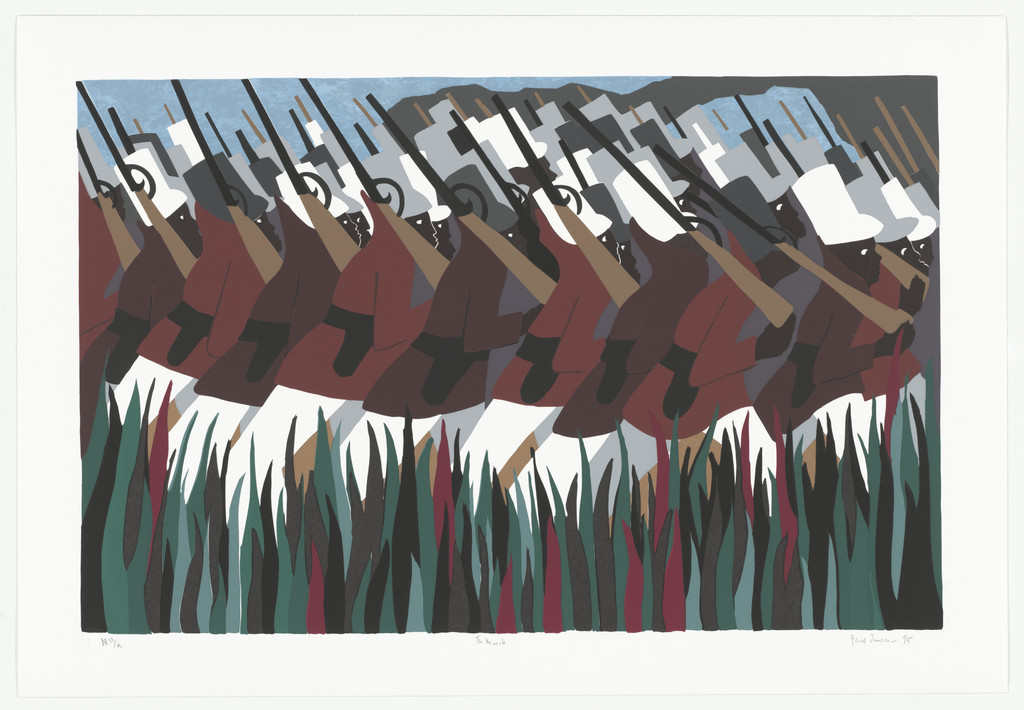
The March from the series The Life of Toussaint L'Ouverture
1995 · No expuesta · MoMA

The Opener from the series The Life of Toussaint L'Ouverture
1997 · No expuesta · MoMA

New York in Transit I
1998 · No expuesta · Galería Nacional de Arte

New York in Transit II
1998 · No expuesta · Galería Nacional de Arte
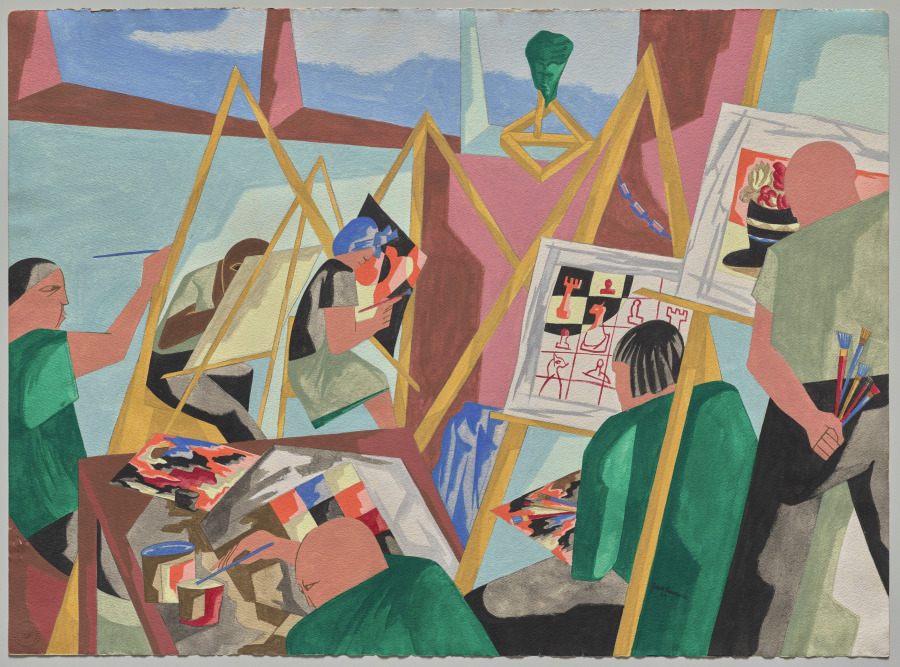
Creative Therapy
1949 · No expuesta · Museo de Arte de Cleveland

Free Clinic
1937 · No expuesta · Instituto de Arte de Chicago

The Legend of John Brown
1977, based on a series of gouache and tempera works of 1941 · Galería de Arte de la Universidad Yale

Virginia Interior
1942 · No expuesta · Instituto de Arte de Chicago

Tombstones
1942 · No expuesta · Museo Whitney de Arte Estadounidense

War Series: Another Patrol
1946 · No expuesta · Museo Whitney de Arte Estadounidense

War Series: Purple Hearts
1947 · No expuesta · Museo Whitney de Arte Estadounidense

War Series: Alert
1947 · No expuesta · Museo Whitney de Arte Estadounidense

War Series: Prayer
1947 · No expuesta · Museo Whitney de Arte Estadounidense

War Series: Reported Missing
1947 · No expuesta · Museo Whitney de Arte Estadounidense
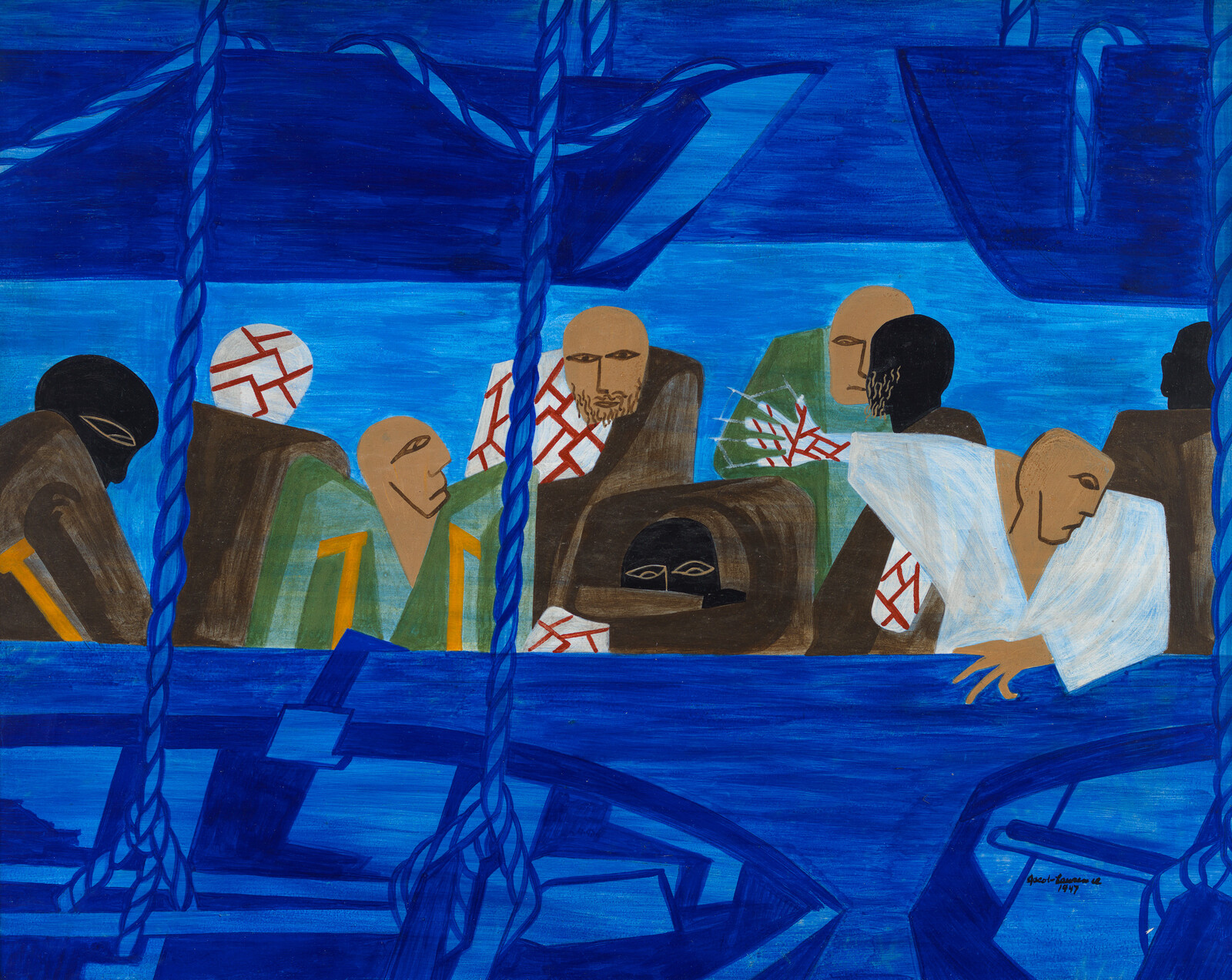
War Series: Going Home
1947 · No expuesta · Museo Whitney de Arte Estadounidense

War Series: Casualty - The Secretary of War Regrets
1947 · No expuesta · Museo Whitney de Arte Estadounidense

Hot Summer Night
1947 · Galería de Arte de la Universidad Yale

Graduation
1948 · No expuesta · Instituto de Arte de Chicago

Depression
1950 · No expuesta · Museo Whitney de Arte Estadounidense

Workshop
1972 · Galería de Arte de la Universidad Yale

The Builders
1974 · No expuesta · Instituto de Arte de Chicago

The 1920's ... The Migrants Arrive and Cast Their Ballots, from Kent Bicentennial Portfolio: Spirit of Independence
1974 · Galería de Arte de la Universidad Yale

Harlem Street Scene
1975 · No expuesta · Instituto de Arte de Chicago

Confrontation at the Bridge
1975 · No expuesta · Instituto de Arte de Chicago

Morning Still Life
1976 · Galería de Arte de la Universidad Yale
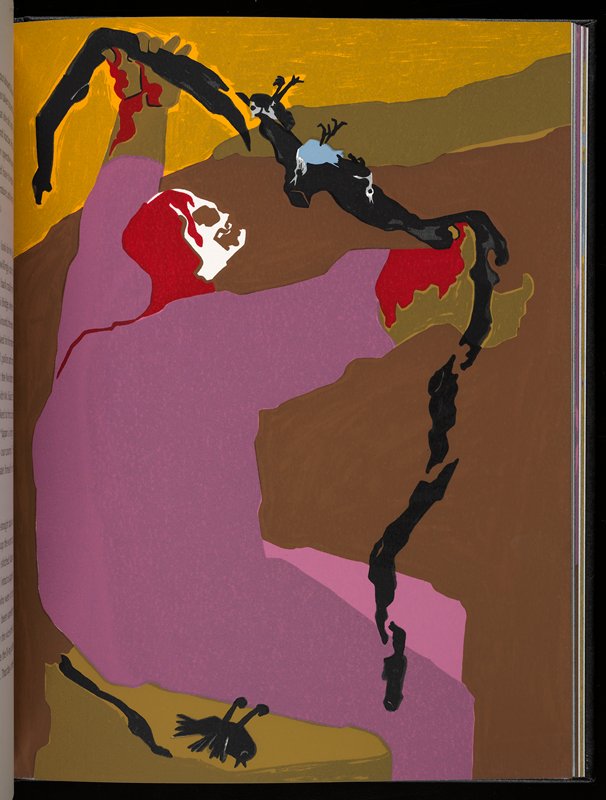
Hiroshima
1983 · No expuesta · Instituto de Artes de Mineápolis

The Birth of Toussaint
1986 · No expuesta · Harvard Art Museums