 Jean ArpFrench, 1887–1966
Vingt-cinq poèmes
Can I see it?
Not on view at present
Where is “Vingt-cinq poèmes” now? Collection: Minneapolis Institute of Art, Minneapolis. Not on view at present. Checked September 29, 2026.

Minneapolis, United States
It belongs to the collection, but is not on display at present.
- Checked
- In this state since
- Source
- The museum
About the work
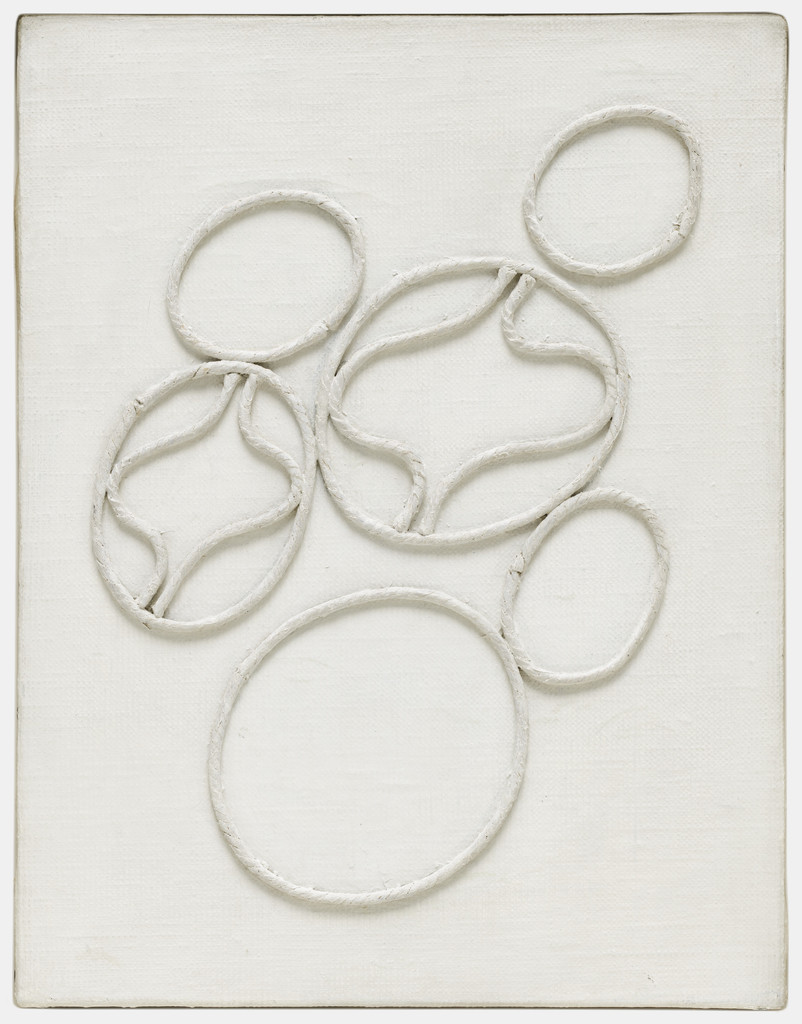
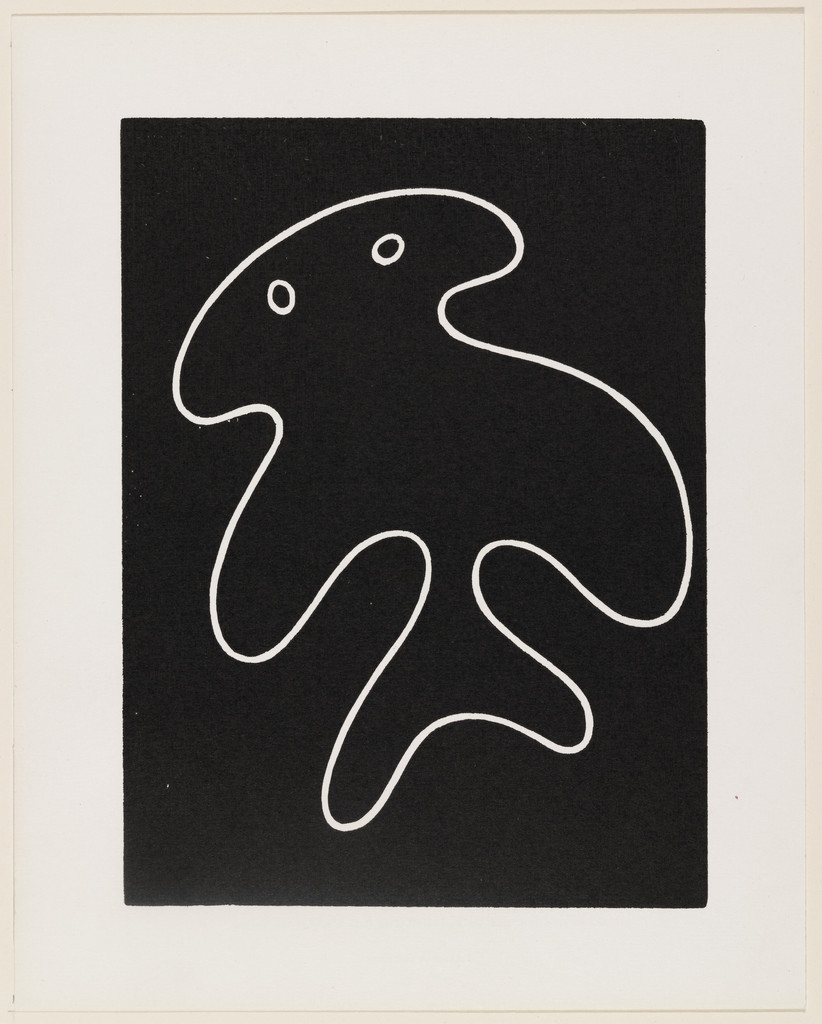
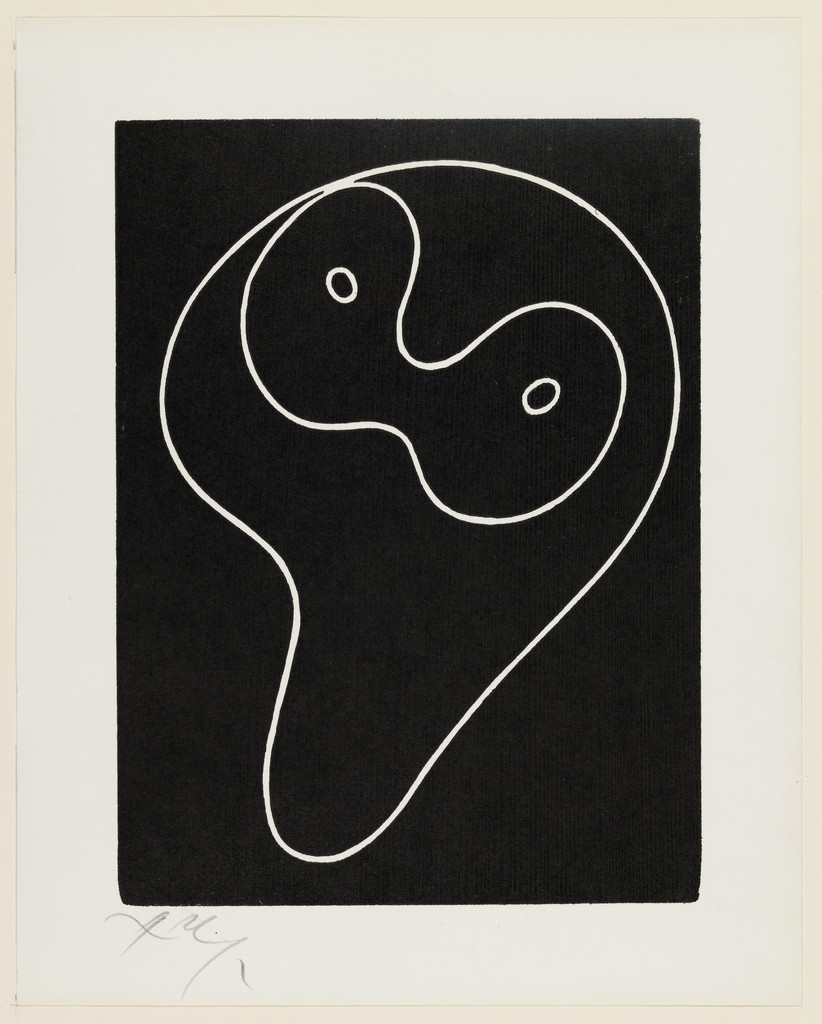
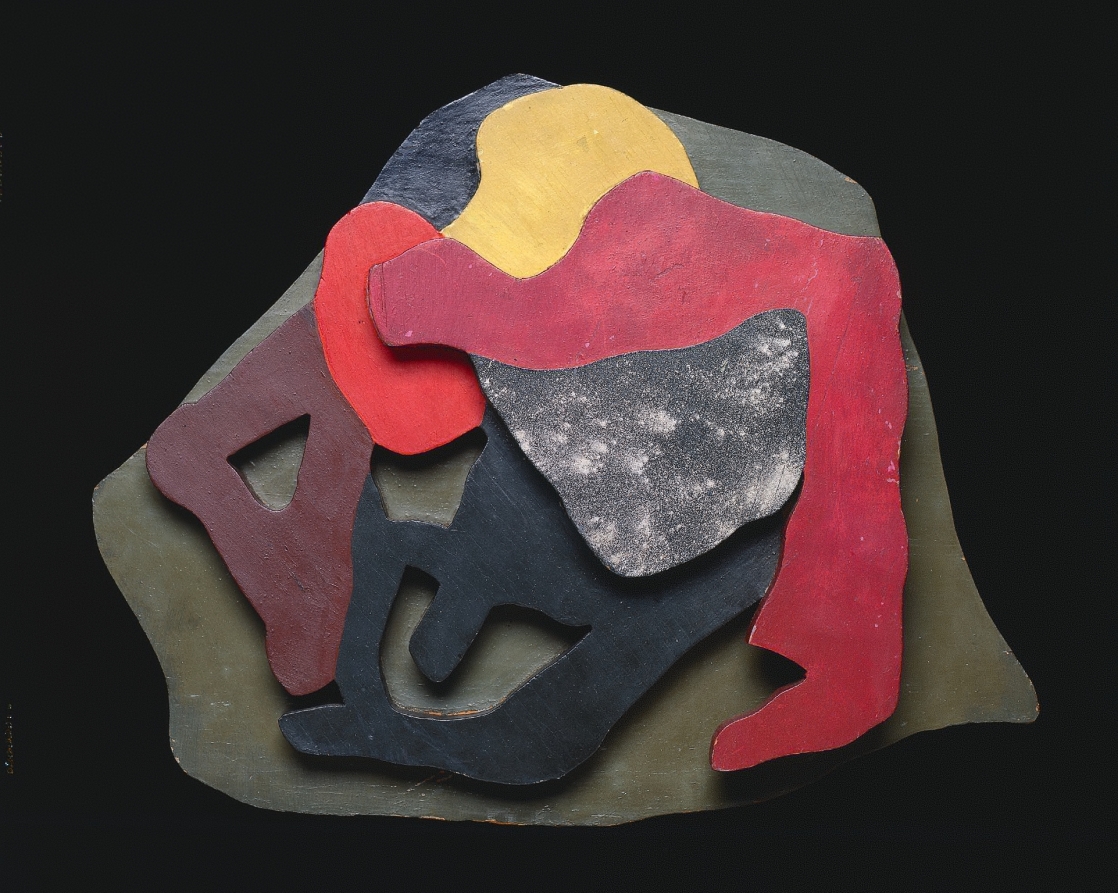
One of the first major books of the antiestablishment Dada movement (1915–23), Twenty-five Poems resulted from the collaboration of the German-French painter and sculptor Jean Arp and French avant-garde poet and essayist Tristin Tzara, the principal founders of Zurich Dada. An early proponent of pure abstraction, Arp exhibited his first abstract works in 1915. For this project, he created a series of ten abstract black-and-white woodcuts as visual complements to Tzara’s nihilist poems, which rejected the idea that life has meaning. In exploring abstraction, Arp attempted to free himself from “traditional forms of art, ” adopting a universal organic morphology and exploring the idea of chance in art.
Read on
A highly influential author and performer, Tzara described the nihilist intent of his Dada poems in the following passage: “I destroy the drawers of the brain and of social organization: spread demoralization wherever I go and cast my hand from heaven to hell, my eyes from hell to heaven, restore the fecund wheel of a universal circus to objective forces and the imagination of every individual.”
Minneapolis Institute of Art
Details
- Accession number
- 2006.16
In the catalog
Sources
- Minneapolis Institute of Art
- Image: Minneapolis Institute of Art — © Minneapolis Institute of Art
In the life of Jean Arp
The whole life1916
The Cabaret Voltaire becomes the centre of Zürich Dada
In 1916 Hugo Ball opened the Cabaret Voltaire in Zürich, which became the centre of Dada activity for a group that included Arp, Marcel Janco, Tristan Tzara and others.
1917
First steps in sculpture
In 1917 Arp began to work in sculpture.
end of the First World War
A French name: Hans becomes Jean
When Alsace reverted to France at the end of the First World War, French law required Arp to adopt a French name, and he legally became Jean Arp, although he kept calling himself “Hans” when speaking German.
1920
The Cologne Dada group
In 1920 Arp, working under the name Hans, set up the Cologne Dada group together with Max Ernst and the social activist Alfred Grünwald.
1920
Meets El Lissitzky and Kurt Schwitters in Berlin
In 1920 in Berlin Arp met El Lissitzky and Kurt Schwitters.