ART WIKI32,963 on view
MapCollectionArtistsMuseumsExhibitionsJournal
Sign in

ART WIKI

Where the masterpiece hangs, and when they let you in.

Collections: Art Institute of Chicago, Getty Villa, Harvard Art Museums, Hirshhorn Museum and Sculpture Garden, J. Paul Getty Museum, Minneapolis Institute of Art, Musée du Louvre, National Gallery of Art, National Museum of Asian Art, National Portrait Gallery (Smithsonian), Pushkin State Museum of Fine Arts, Rijksmuseum, Smithsonian American Art Museum, SMK — National Gallery of Denmark, State Hermitage Museum, State Russian Museum, The Cleveland Museum of Art, The Metropolitan Museum of Art, The Museum of Modern Art, Tretyakov Gallery, Victoria and Albert Museum, Whitney Museum of American Art, State Catalogue of the Museum Fund of Russia (274 museums), Europeana (19 museums), Wikidata (6 museums), Paris Musées (12 museums), and Joconde, the French Ministry of Culture's museum database (495 museums). Images belong to their rights holders.

Sections

  • Map
  • Search
  • Collection
  • Masterpieces
  • On view now
  • Artists

More

  • Museums & galleries
  • Exhibitions
  • Journal
  • Where the data comes from
  • Privacy & cookies
HomeMapBrowse
  1. Collection/
  2. The Museum of Modern Art/
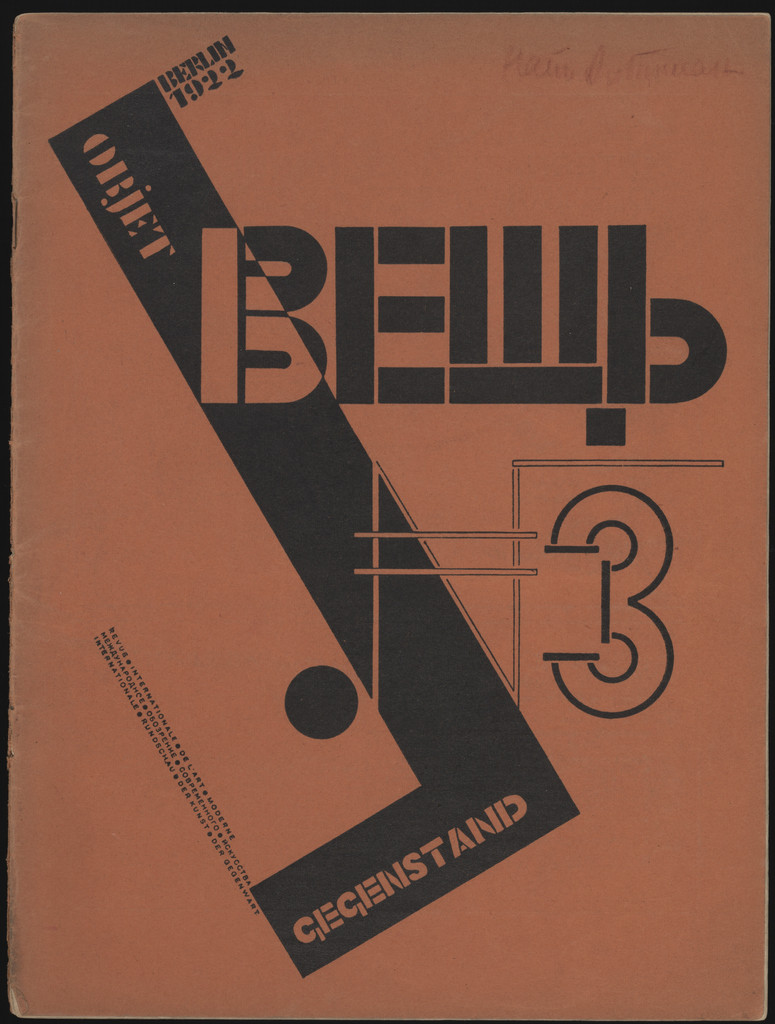
  3. Veshch, no. 3
Veshch, no. 3, El Lissitzky, 1922
El Lissitzky, portraitEl LissitzkyRussian, 1890–1941

Veshch, no. 3

1922 · Illustrated Book

May one see it?

Not receiving at present

The Museum of Modern Art

New York, United States

It belongs to the collection, but is not on display at present.

Checked
8 days ago
Source
The museum
On the mapMuseum page

Particulars

1922 · aged 32
18901941
Accession number
219.2001.B

In the catalog

PrintsModernism20th century

Sources

  • The Museum of Modern Art
  • Image: The Museum of Modern Art — © the artist or rights holder

Meanwhile, in the life of El Lissitzky

The whole life
  1. 1919–1920

    Choosing Malevich and breaking with Chagall

    Malevich replaces the school's classical teaching programme with his own and spreads suprematist theory school-wide; Lissitzky, still loyal to Chagall, is torn between two opposing paths but ultimately favours suprematism and breaks away from traditional Jewish art, and Chagall leaves the school shortly afterwards — he later recalled that his most zealous disciple, the moment he was appointed professor, went over to his opponents' camp. Lissitzky designs Malevich's book “On the New System in Art”, printed in 1,000 copies — an enormous number for an art book.

  2. 17 January – February 1920

    Malevich and Lissitzky found Molposnovis, which becomes UNOVIS

    On 17 January 1920 Malevich and Lissitzky co-found the short-lived group Molposnovis (“Young Followers of a New Art”); after a brief and stormy dispute and two rounds of renaming, it re-emerges in February as UNOVIS, the “Exponents of the New Art”. The group, disbanded in 1922, was pivotal in spreading suprematist ideology and launched Lissitzky's status as a leading figure of the avant-garde; its members signed works with a black square, while Lissitzky used a red one.

  3. 1921

    Leaving for Germany as a “cultural emissary”

    In 1921, as UNOVIS declines and suprematism begins to fracture into a utopian, spiritual half and a utilitarian one, Lissitzky aligns with neither and leaves Vitebsk: he takes a job as a “cultural emissary” of Soviet Russia and moves to Weimar Berlin to establish contacts between Russian and German artists — what exactly he did in this role remains unclear. In 1921–1925 he lives in Germany and Switzerland.

  4. 1922

    First solo exhibition in Hanover

    The year after the publication of his first Proun series in 1921, Kurt Schwitters introduces Lissitzky to the Hanover gallery Kestnergesellschaft, where he holds his first solo exhibition. The second Proun series, printed in Hanover in 1923, is a success.

  5. 1923

    The Proun Room at the Great Berlin Art Exhibition

    In 1923, for the Great Berlin Art Exhibition, Lissitzky transforms a small room (about 3 by 3 by 2.5 m) into a single work of art, the Proun Room, which lets viewers “walk into an image” and become active participants. He violates the unwritten rule of rejecting the commercialization of art by putting price tags on three elements of the room; the price tags, together with his “half-dance” during the demonstration of the room, alienate his friend Theo van Doesburg.

  6. 1923–1924

    Tuberculosis and a Swiss hospital

    In 1923–1924 Lissitzky is severely ill with tuberculosis and stays in a Swiss hospital; at this time he is reported even to have considered suicide. He will die of tuberculosis in 1941.
More by El Lissitzky

All works
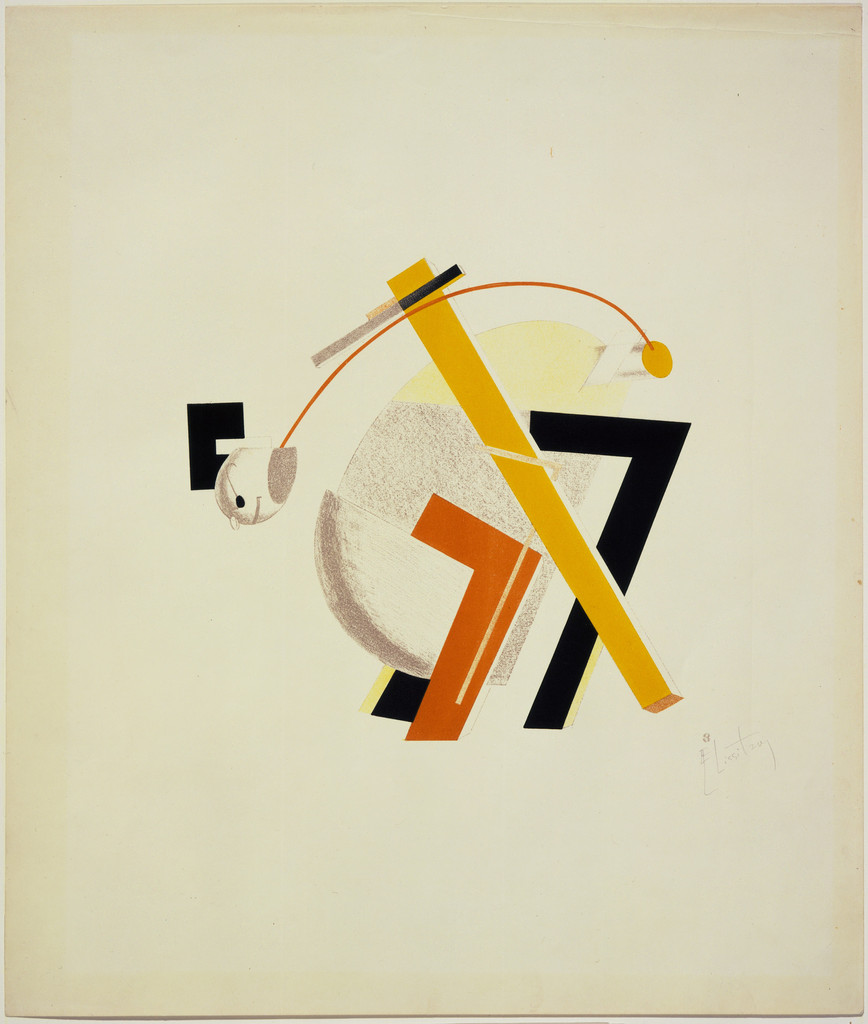
An Old Man, His Head Two Paces Behind (Alter) from Figurines: The Three-Dimensional Design of the Electro-Mechanical Show Victory over the Sun (Figurinen, die plastische Gestaltung der elektro-mechanischen Schau Sieg über die Sonne), El Lissitzky, 1920–21, published 1923

An Old Man, His Head Two Paces Behind (Alter) from Figurines: The Three-Dimensional Design of the Electro-Mechanical Show Victory over the Sun (Figurinen, die plastische Gestaltung der elektro-mechanischen Schau Sieg über die Sonne)

1920–21, published 1923 · The Museum of Modern Art

Proun 12E, El Lissitzky, 1923

Proun 12E

1923 · Harvard Art Museums

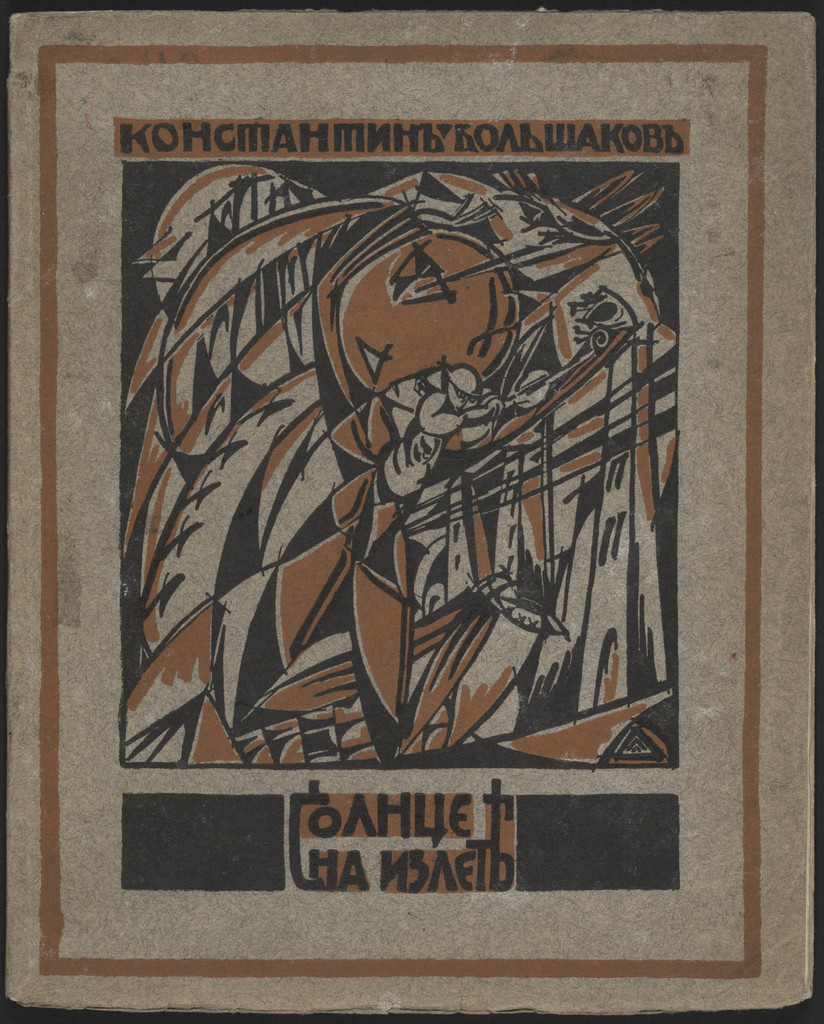
Solntse na izlete. Vtoraia kniga stikhov, 1913-1916 (The Spent Sun: Second Book of Poems, 1913-1916), El Lissitzky, 1916

Solntse na izlete. Vtoraia kniga stikhov, 1913-1916 (The Spent Sun: Second Book of Poems, 1913-1916)

1916 · Not on view · The Museum of Modern Art

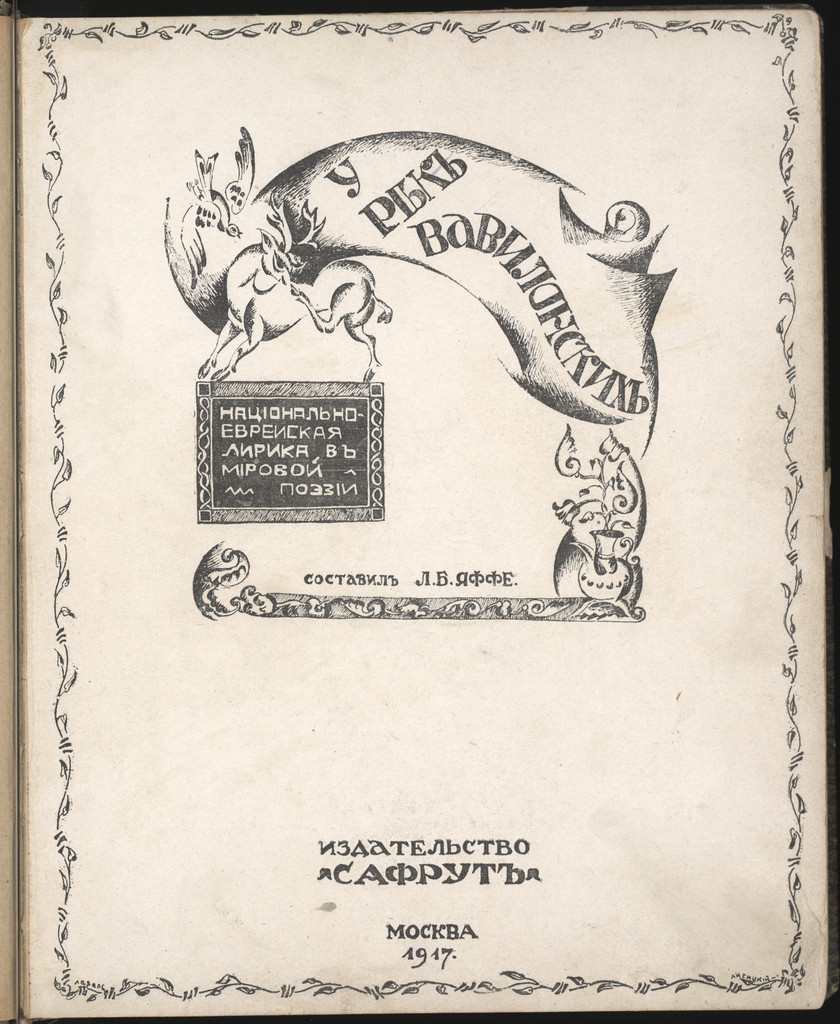
U rek vavilonskikh. Natsional'no-evreiskaia lirika v mirovoi poezii (By the Rivers of Babylon: Jewish Lyrics in World Poetry), El Lissitzky, 1917

U rek vavilonskikh. Natsional'no-evreiskaia lirika v mirovoi poezii (By the Rivers of Babylon: Jewish Lyrics in World Poetry)

1917 · Not on view · The Museum of Modern Art

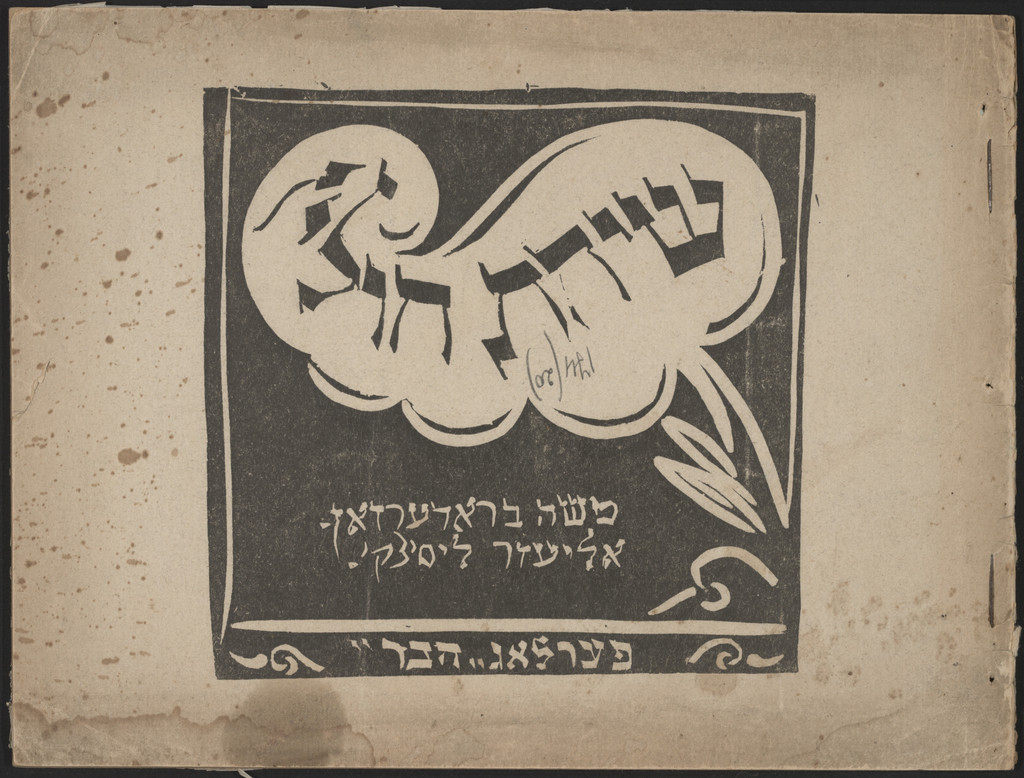
Sikhes kholin. Prager legende (Small Talk: The Legend of Prague), second edition, El Lissitzky, 1917

Sikhes kholin. Prager legende (Small Talk: The Legend of Prague), second edition

1917 · Not on view · The Museum of Modern Art

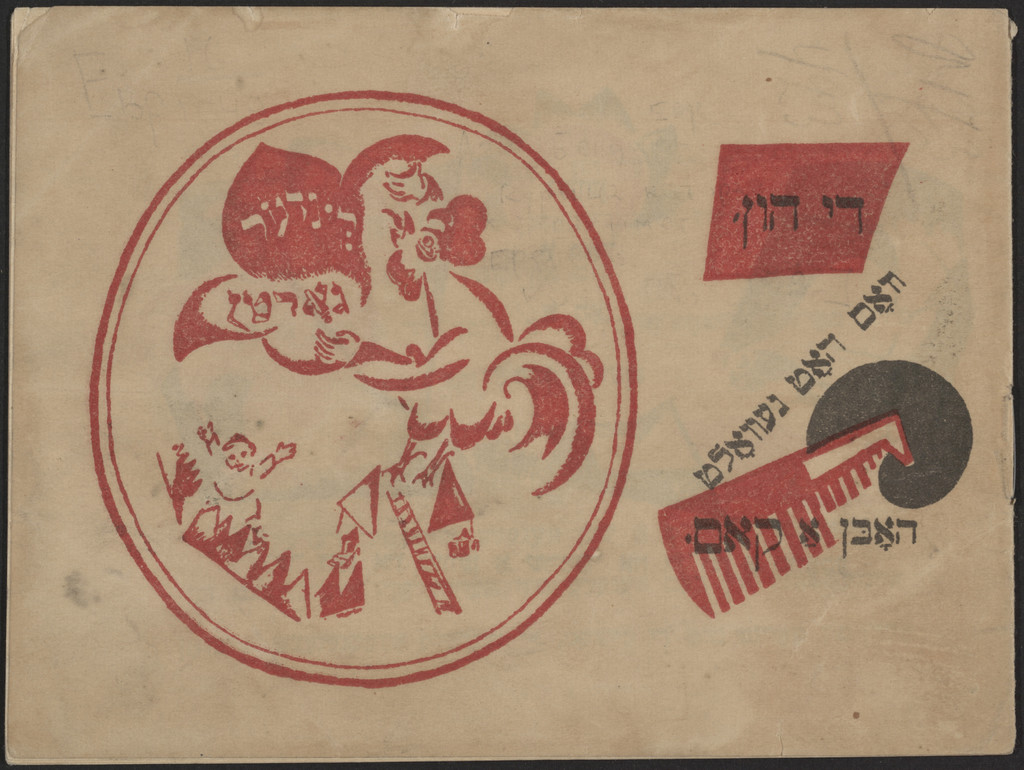
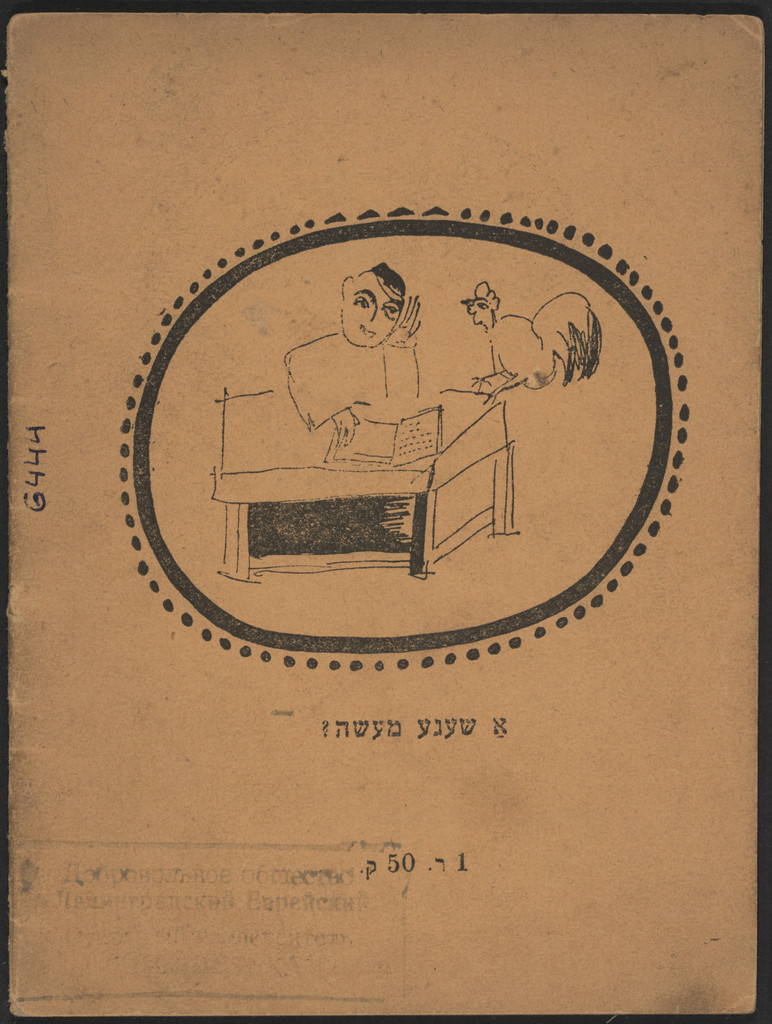
Di hun vos hot gevolt hoben a kam (The Hen that Wanted a Comb), El Lissitzky, 1919

Di hun vos hot gevolt hoben a kam (The Hen that Wanted a Comb)

1919 · Not on view · The Museum of Modern Art

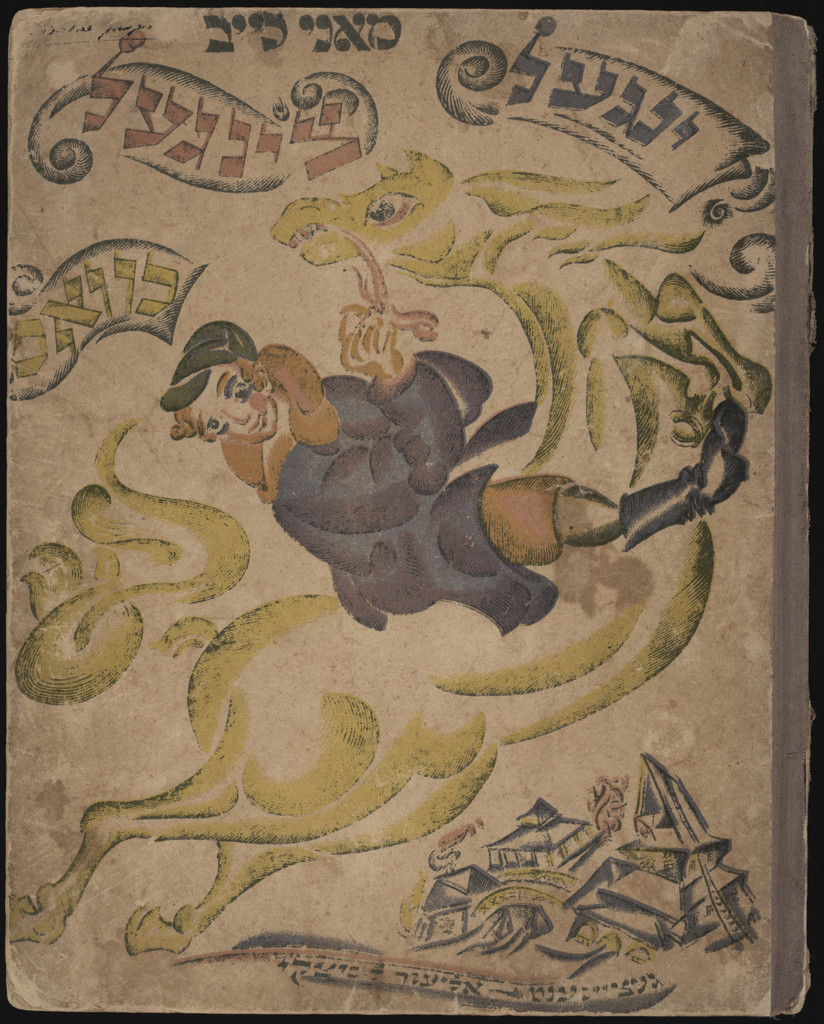
Yingl tsingl khvat (The Mischievous Boy), El Lissitzky, 1919

Yingl tsingl khvat (The Mischievous Boy)

1919 · Not on view · The Museum of Modern Art

Der milner, di milnerin, un di milshtayner (The Miller, His Wife, and Their Millstones), El Lissitzky, 1919

Der milner, di milnerin, un di milshtayner (The Miller, His Wife, and Their Millstones)

1919 · Not on view · The Museum of Modern Art

Neighbors at The Museum of Modern Art

Museum page
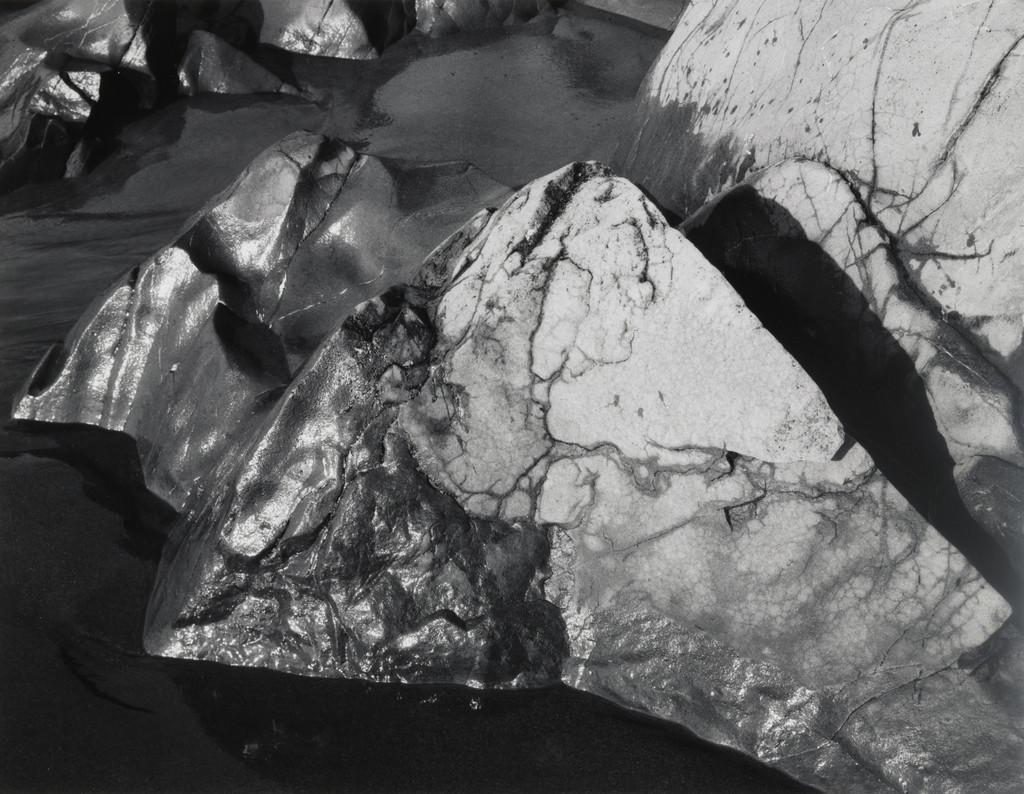
Rock, Bakers Beach, San Francisco, California, Ansel Adams, c. 1931

Ansel Adams

Rock, Bakers Beach, San Francisco, California, c. 1931

The Olive Trees, Vincent van Gogh, Saint Rémy, June-July 1889

Vincent van Gogh

The Olive Trees, Saint Rémy, June-July 1889

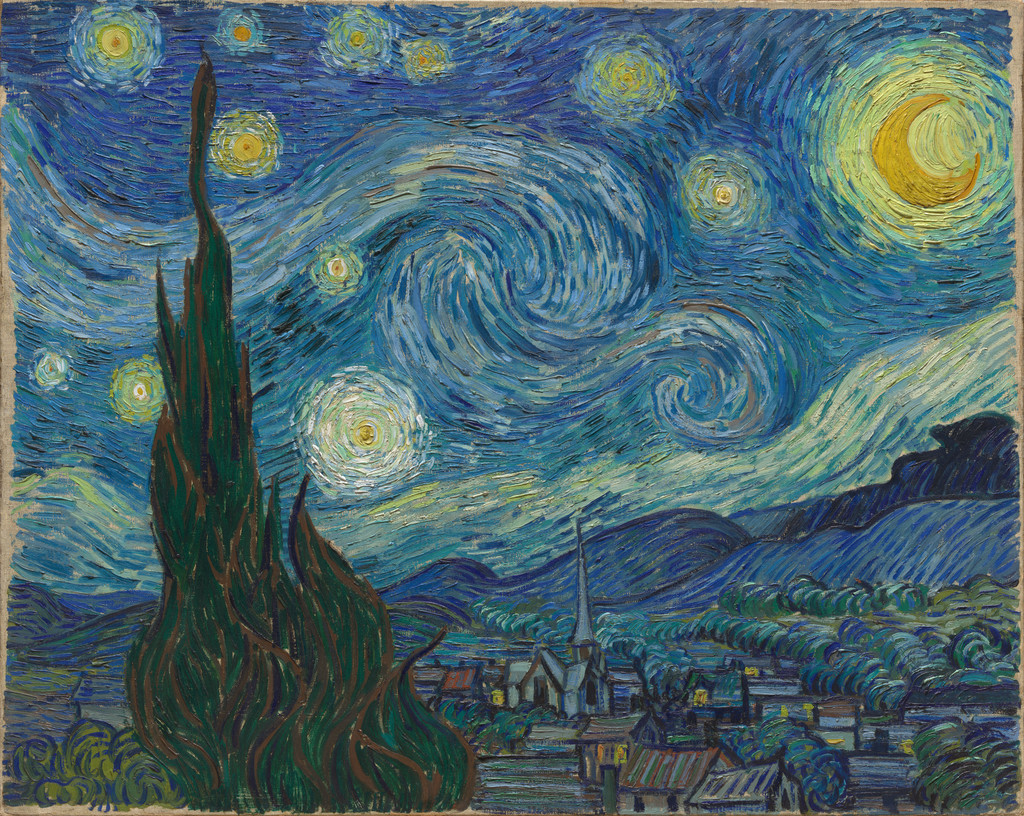
The Starry Night, Vincent van Gogh, Saint Rémy, June 1889

Vincent van Gogh

The Starry Night, Saint Rémy, June 1889

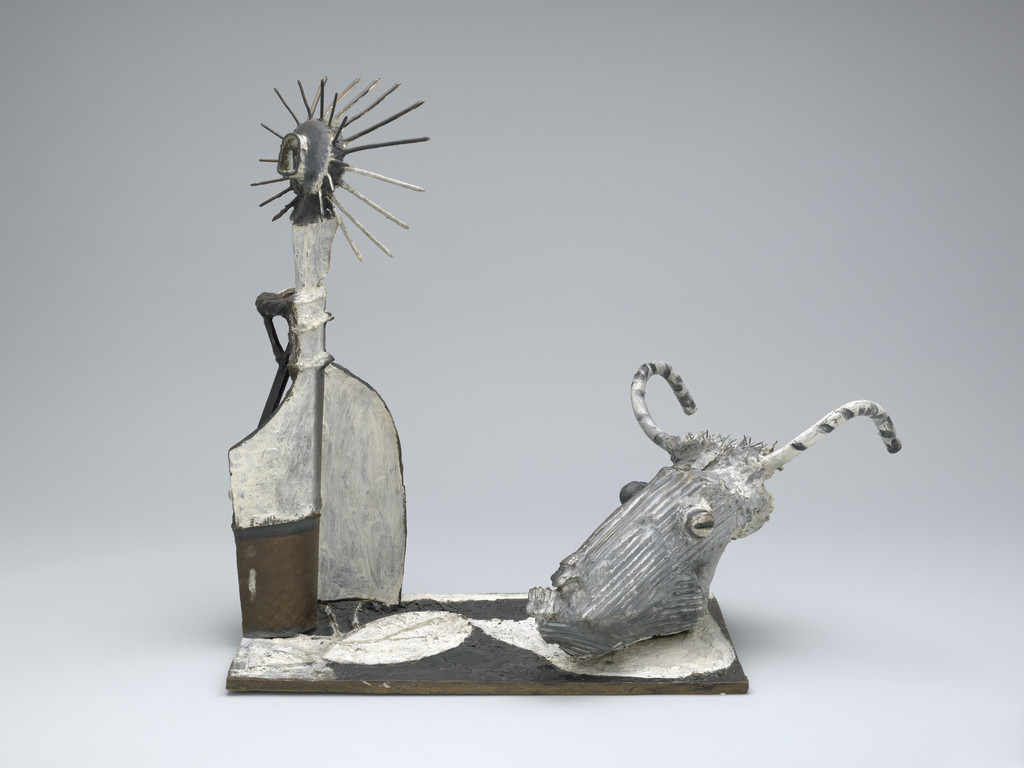
Goat Skull and Bottle, Pablo Picasso, Vallauris, 1951 (cast 1954)

Pablo Picasso

Goat Skull and Bottle, Vallauris, 1951 (cast 1954)

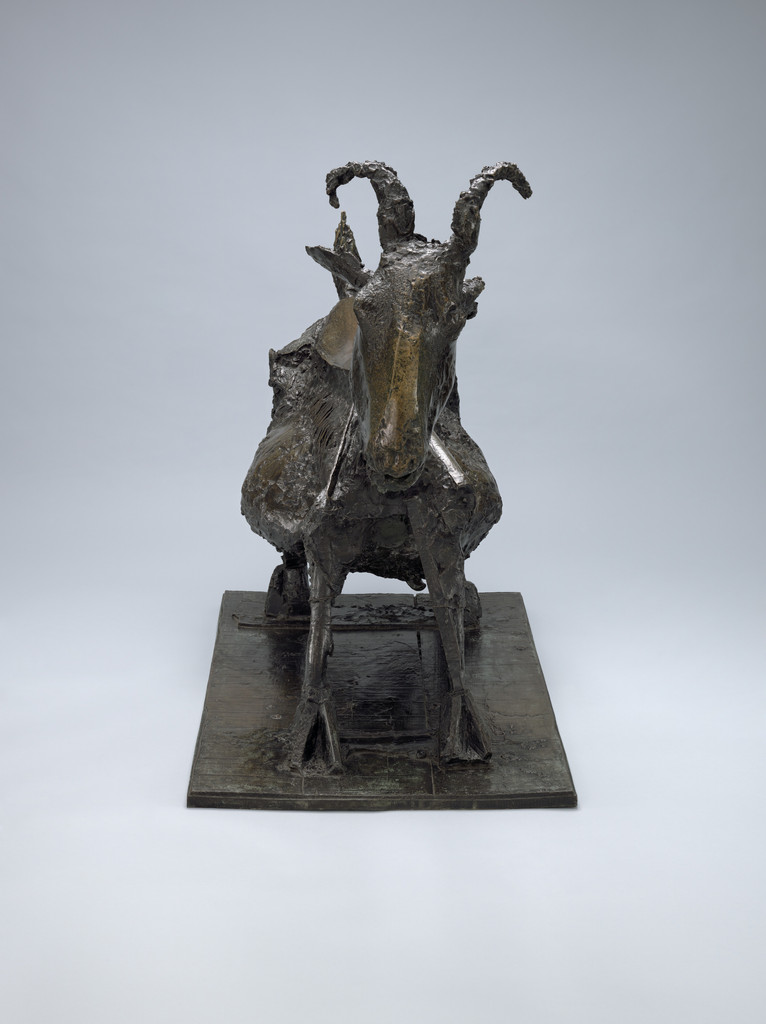
She-Goat, Pablo Picasso, Vallauris, 1950 (cast 1952)

Pablo Picasso

She-Goat, Vallauris, 1950 (cast 1952)

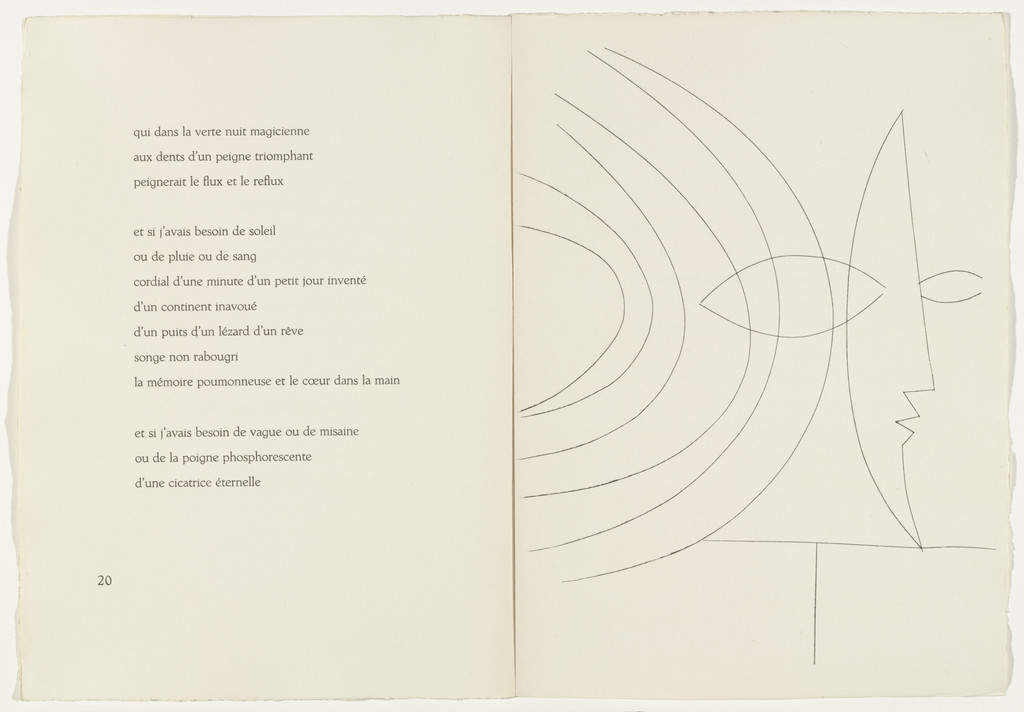
Face in Profile (plate, page 21) from Corps perdu, Pablo Picasso, 1949, published 1950

Pablo Picasso

Face in Profile (plate, page 21) from Corps perdu, 1949, published 1950

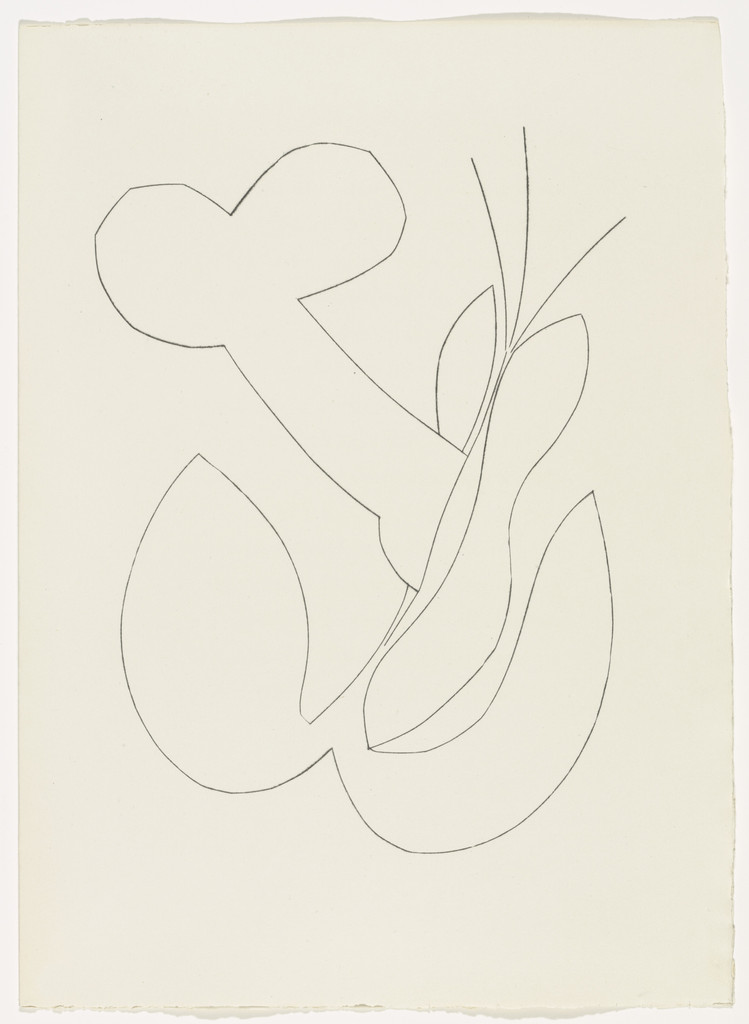
Coupling (plate, page 17) from Corps perdu, Pablo Picasso, 1949, published 1950

Pablo Picasso

Coupling (plate, page 17) from Corps perdu, 1949, published 1950

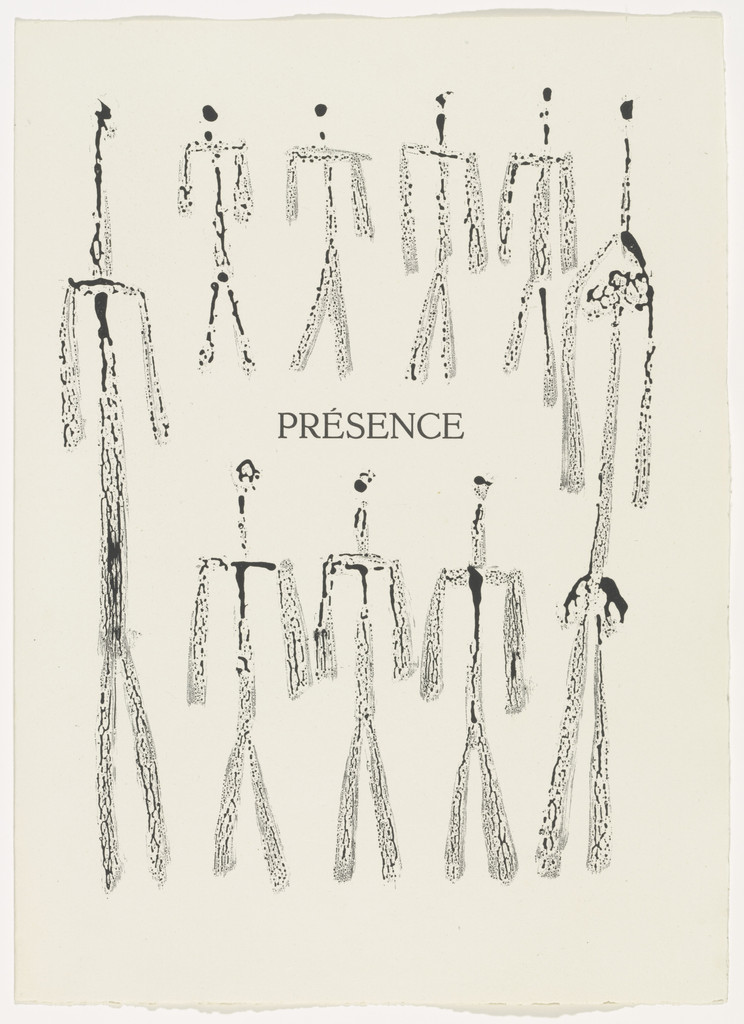
"Présence" (chapter title, page 13) from Corps perdu, Pablo Picasso, 1949, published 1950

Pablo Picasso

"Présence" (chapter title, page 13) from Corps perdu, 1949, published 1950