ART WIKI32,963 on view
MapCollectionArtistsMuseumsExhibitionsJournal
Sign in

ART WIKI

Where the masterpiece hangs, and when they let you in.

Collections: Art Institute of Chicago, Getty Villa, Harvard Art Museums, Hirshhorn Museum and Sculpture Garden, J. Paul Getty Museum, Minneapolis Institute of Art, Musée du Louvre, National Gallery of Art, National Museum of Asian Art, National Portrait Gallery (Smithsonian), Pushkin State Museum of Fine Arts, Rijksmuseum, Smithsonian American Art Museum, SMK — National Gallery of Denmark, State Hermitage Museum, State Russian Museum, The Cleveland Museum of Art, The Metropolitan Museum of Art, The Museum of Modern Art, Tretyakov Gallery, Victoria and Albert Museum, Whitney Museum of American Art, State Catalogue of the Museum Fund of Russia (274 museums), Europeana (19 museums), Wikidata (6 museums), Paris Musées (12 museums), and Joconde, the French Ministry of Culture's museum database (495 museums). Images belong to their rights holders.

Sections

  • Map
  • Search
  • Collection
  • Masterpieces
  • On view now
  • Artists

More

  • Museums & galleries
  • Exhibitions
  • Journal
  • Where the data comes from
  • Privacy & cookies
HomeMapBrowse
  1. Collection/
  2. Minneapolis Institute of Art/
  3. Vegetable Market
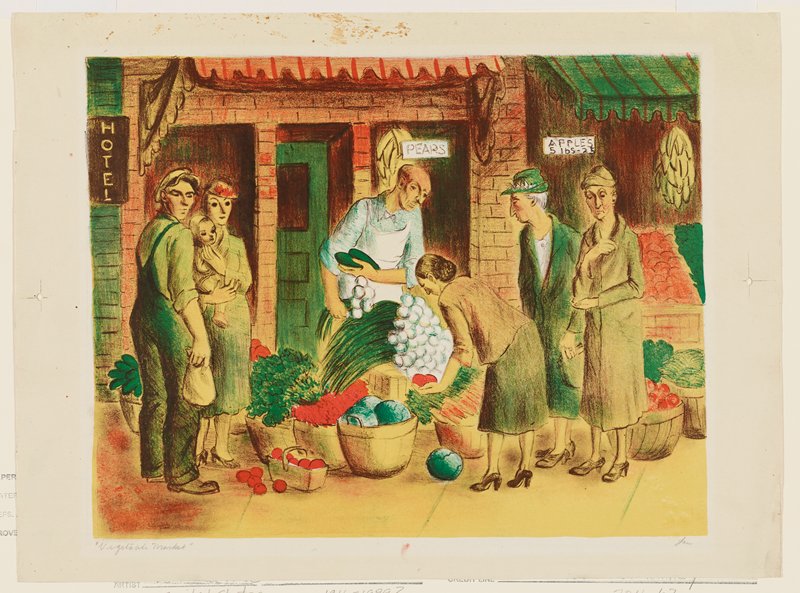
Vegetable Market, Dorothea Lau, c. 1940
DDorothea LauAmerican

Vegetable Market

c. 1940 · Print

May one see it?

Not receiving at present

Minneapolis Institute of Art

Minneapolis, United States

It belongs to the collection, but is not on display at present.

Checked
3 days ago
In this state since
Sep 25, 2026
Source
The museum
On the mapMuseum page

About the work

Wisconsin born artist Dorothea Lau was active in the 1930s and early 1940s as a painter and printmaker. She studied at the Minneapolis School of Art from 1936 to 1938 and exhibited paintings at the Minneapolis Institute of Art on a number of occasions in these years. She was selected to participate in the WPA [Works Progress Project] / Federal Art Project, Minnesota. The artists were charged with capturing a portrait of life in America, and thousands of paintings, watercolors, and prints were produced. While Lau often brought to light the difficult plight of rural America and the urban poor—joblessness, hard labor, flooding—Vegetable Market is uncharacteristically cheerful. The brightly colored print represents a bountiful fruit and vegetable market, with customers carefully selecting their purchases.

Minneapolis Institute of Art

Particulars

Accession number
2016.67

In the catalog

PrintsLithographModernism20th centuryUnited States

Sources

  • Minneapolis Institute of Art
  • Image: Minneapolis Institute of Art — © Estate Dorothea Lau

More by Dorothea Lau

All works
Refugees, Dorothea Lau, c. 1930s

Refugees

c. 1930s · Not on view · National Gallery of Art

Evening in the Gateway, Dorothea Lau, c. 1930s

Evening in the Gateway

c. 1930s · Not on view · National Gallery of Art

Flooded Land, Dorothea Lau, c. 1930s

Flooded Land

c. 1930s · Not on view · National Gallery of Art

Vegetable Market, Dorothea Lau, c. 1940

Vegetable Market

c. 1940 · Not on view · National Gallery of Art

Neighbors at Minneapolis Institute of Art

Museum page
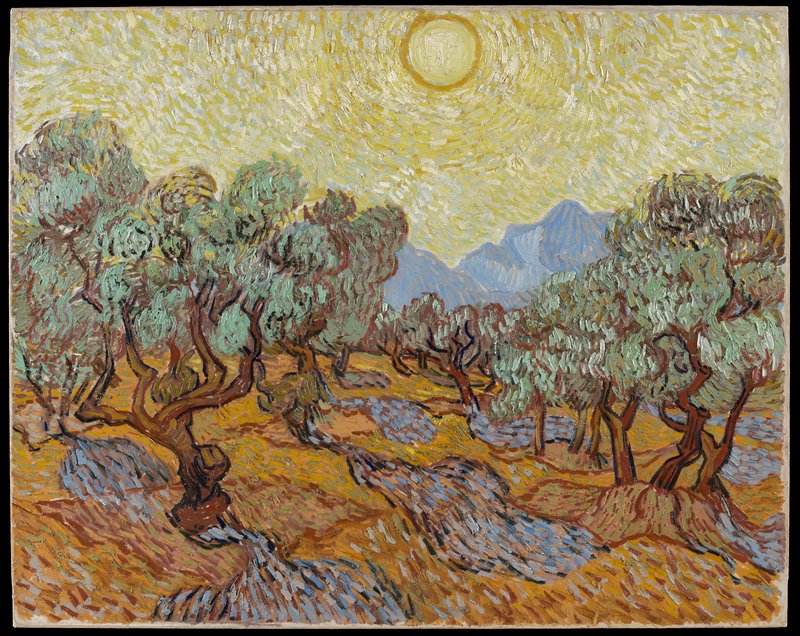
Olive Trees, Vincent van Gogh, 1889

Vincent van Gogh

Olive Trees, 1889

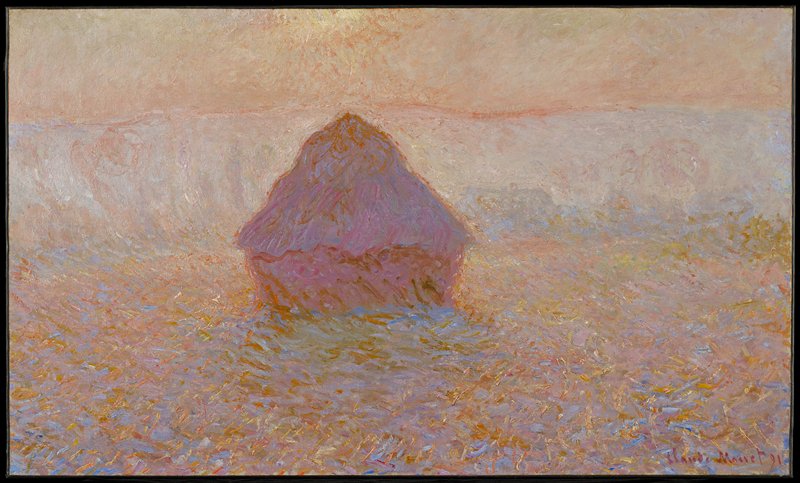
Grainstack, Sun in the Mist, Claude Monet, 1891

Claude Monet

Grainstack, Sun in the Mist, 1891

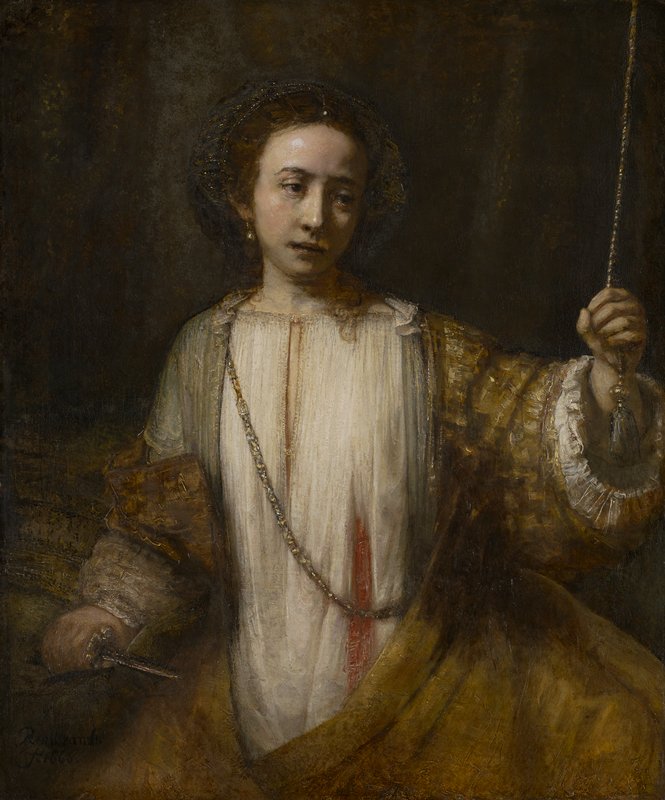
Lucretia, Rembrandt van Rijn, 1666

Rembrandt van Rijn

Lucretia, 1666

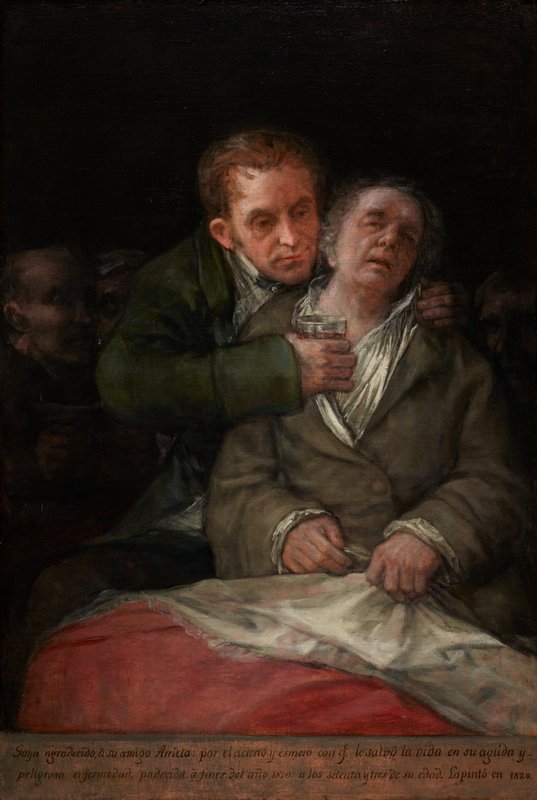
Self-Portrait with Dr. Arrieta, Francisco José de Goya y Lucientes, 1820

Francisco de Goya

Self-Portrait with Dr. Arrieta, 1820

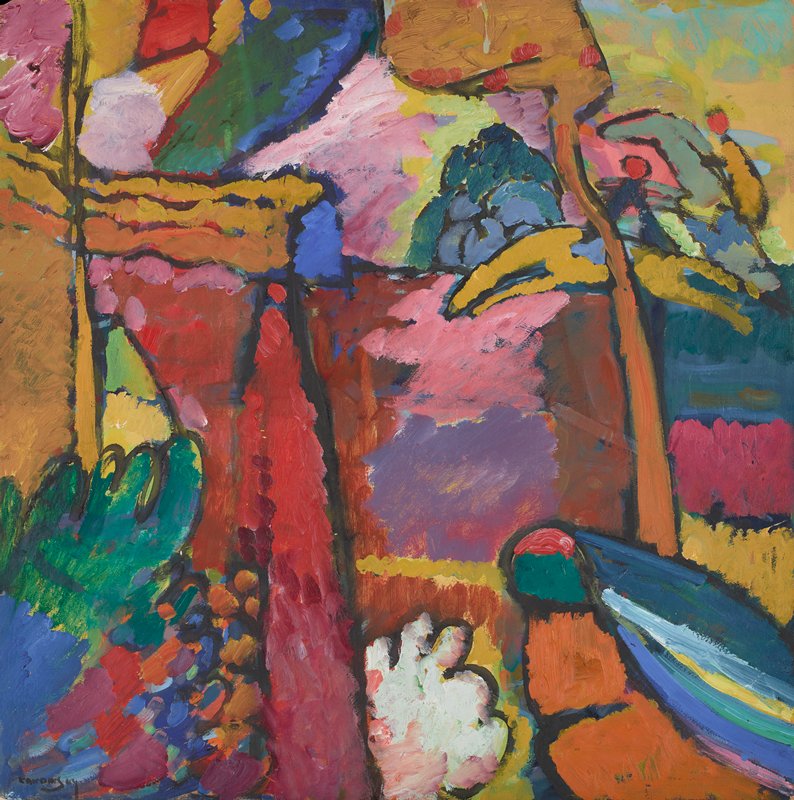
Study for Improvisation V, Vassily Kandinsky, 1910

Vasily Kandinsky

Study for Improvisation V, 1910

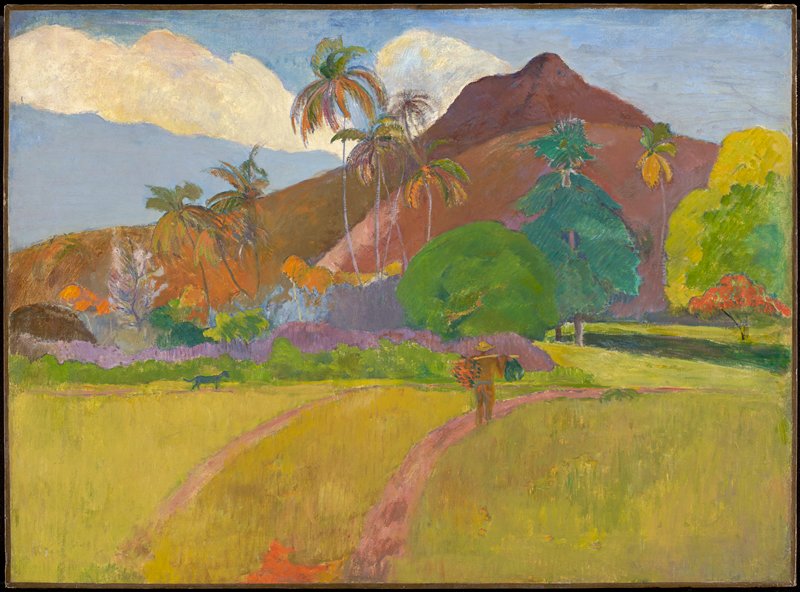
Tahitian Landscape, Paul Gauguin, 1891

Paul Gauguin

Tahitian Landscape, 1891

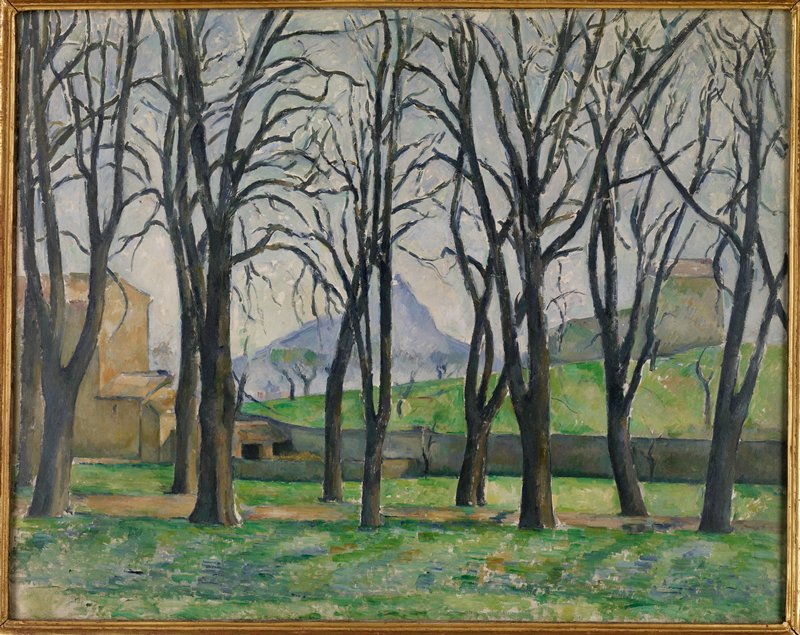
Chestnut Trees at Jas de Bouffan, Paul Cézanne, c. 1885–86

Paul Cézanne

Chestnut Trees at Jas de Bouffan, c. 1885–86

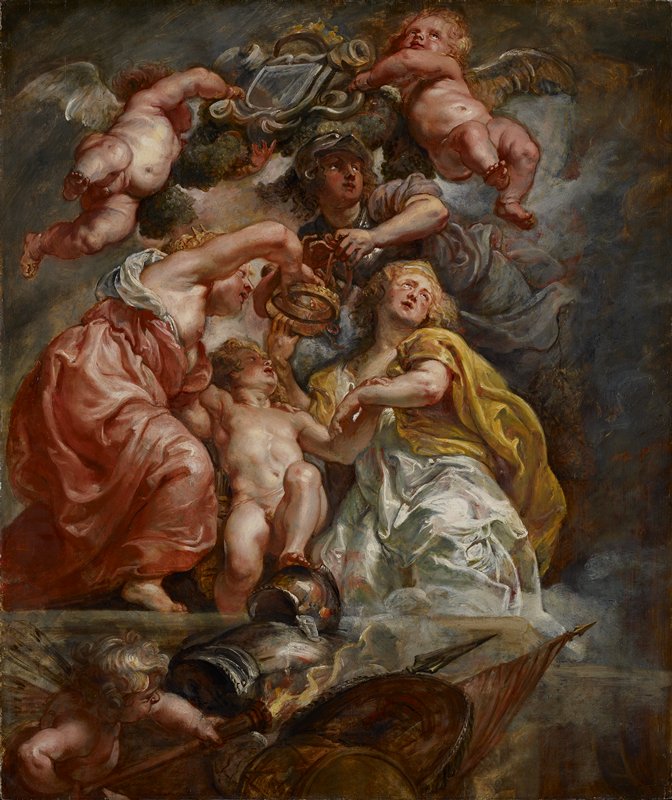
The Union of England and Scotland (Charles I as the Prince of Wales), Peter Paul Rubens, 1633–34

Peter Paul Rubens

The Union of England and Scotland (Charles I as the Prince of Wales), 1633–34