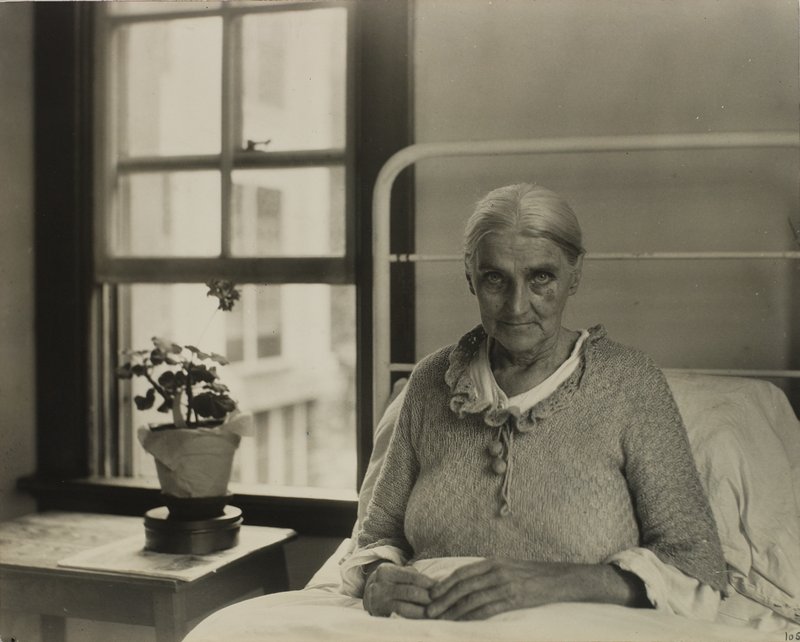
 Lewis Wickes HineAmerican, 1874–1940
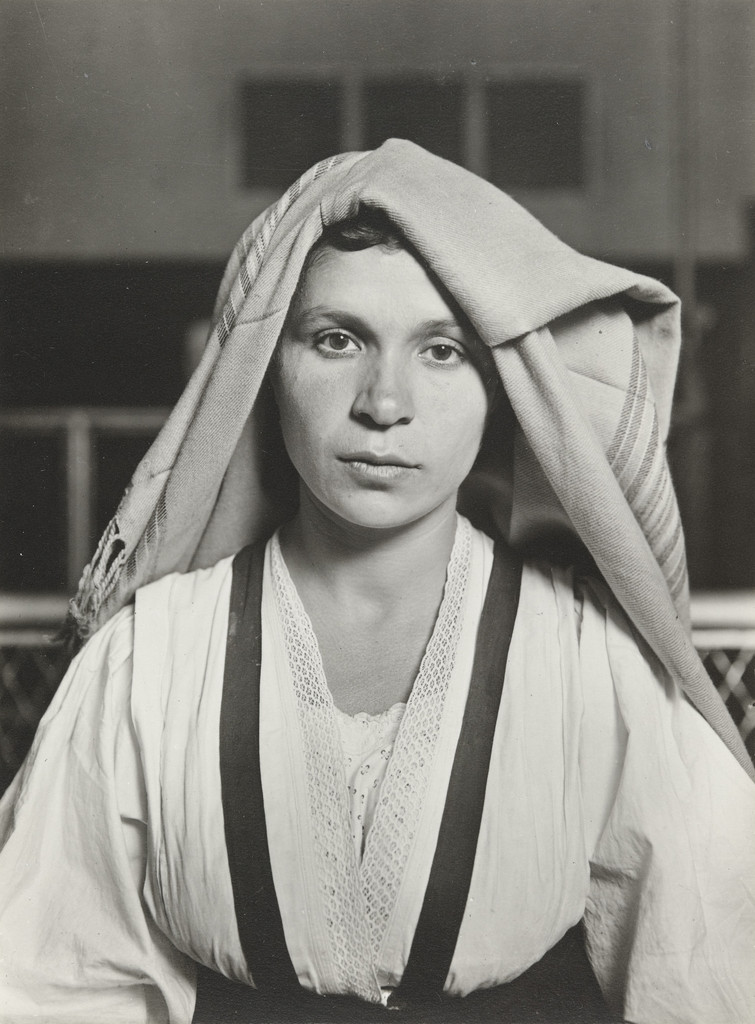
Untitled
Can I see it?
Not on view at present
Where is “Untitled” now? Collection: Minneapolis Institute of Art, Minneapolis. Not on view at present. Checked September 29, 2026.

Minneapolis, United States
It belongs to the collection, but is not on display at present.
- Checked
- In this state since
- Source
- The museum
Details
- Accession number
- 95.82.18
In the catalog
Sources
- Minneapolis Institute of Art
- Image: Minneapolis Institute of Art — © Minneapolis Institute of Art
In the life of Lewis Wickes Hine
The whole life1900
Enrolls at the University of Chicago, aspiring to be an educator
After the accidental death of his father, the teenaged Hine took on a number of jobs to support his widowed mother and sisters. Aspiring to become an educator like his mother, he saved part of his earnings to pay for schooling at the University of Chicago, where he enrolled in 1900.
1901
Moves to New York at Frank Manny's invitation
While a student in Chicago, Hine met Frank Manny, a professor of education who in 1901 was named superintendent of the Ethical Culture School in New York City. At Manny's invitation Hine accepted a position as an assistant teacher and relocated to New York, where he encouraged his students to use photography as an educational medium.
1903
Buys a camera and a magnesium flash gun
Hine acquires a camera and a magnesium flash gun and, by trial and error, masters his equipment in order to illustrate school life. Other accounts say he began photographing in 1905.
1907
Becomes staff photographer of the Russell Sage Foundation
Hine photographs life in the steel-making districts and the people of Pittsburgh, Pennsylvania, for the influential sociological study The Pittsburgh Survey.
1908
Becomes photographer for the National Child Labor Committee
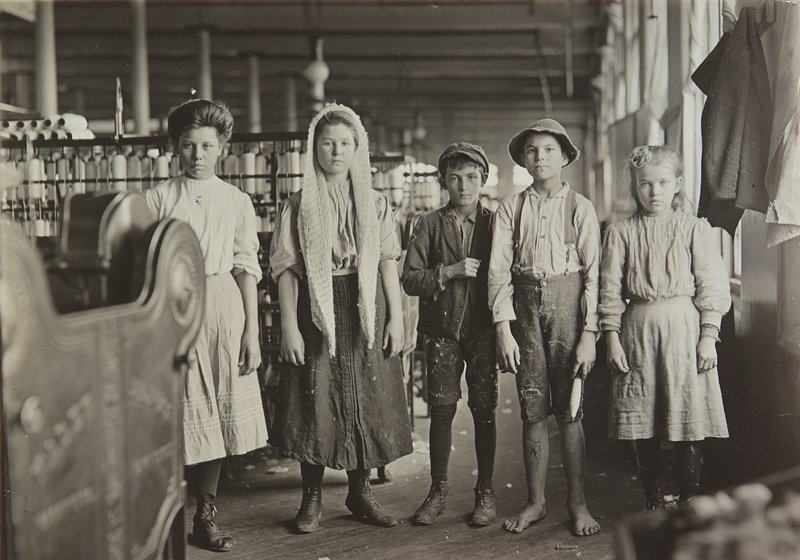
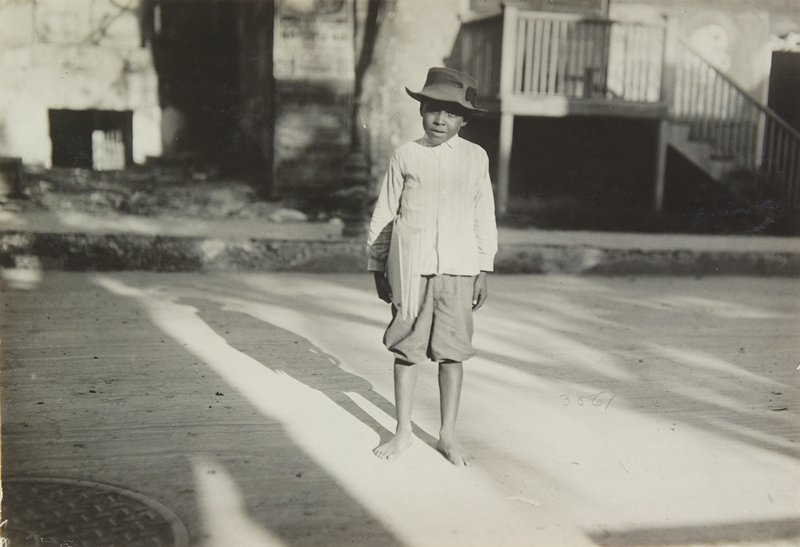
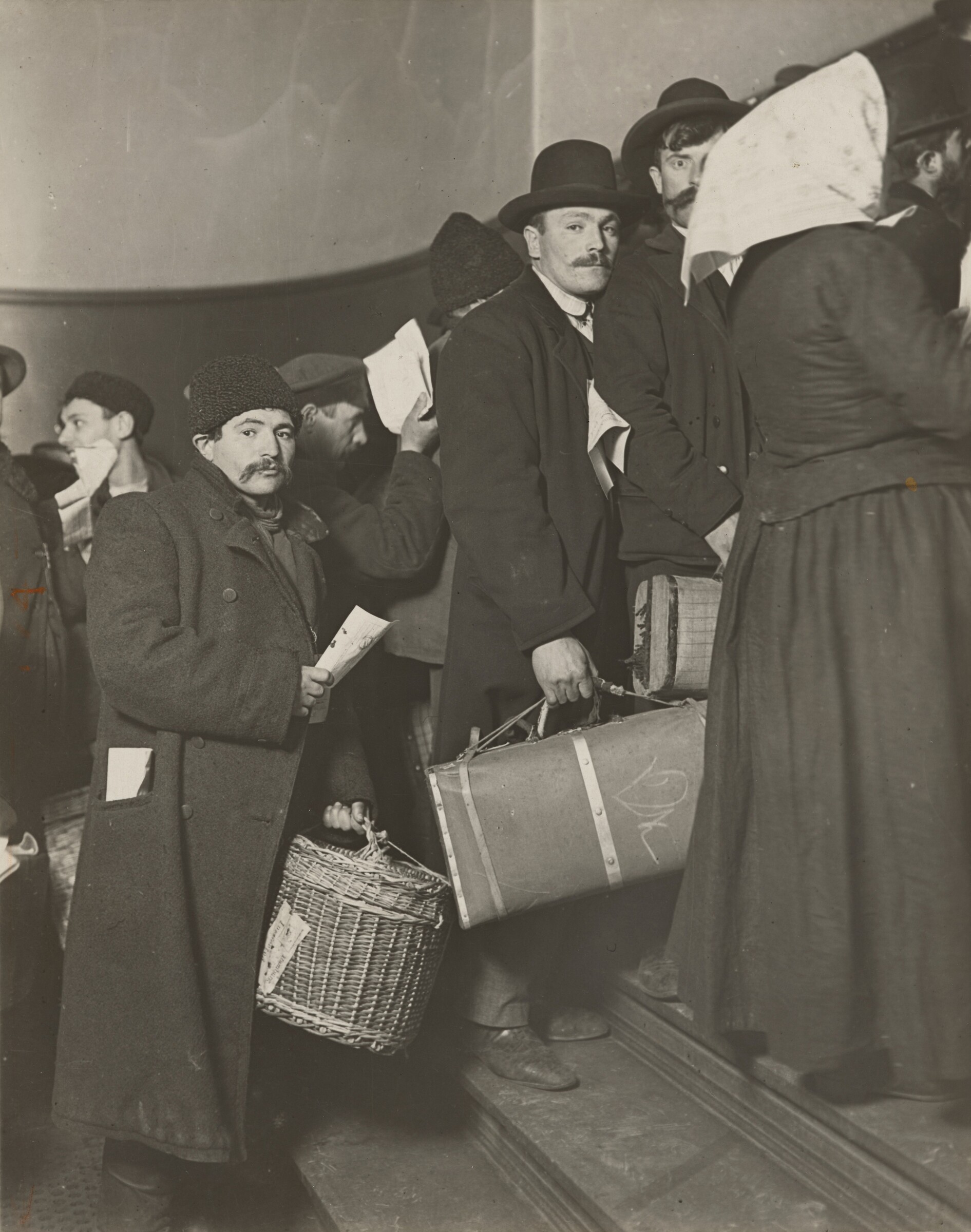
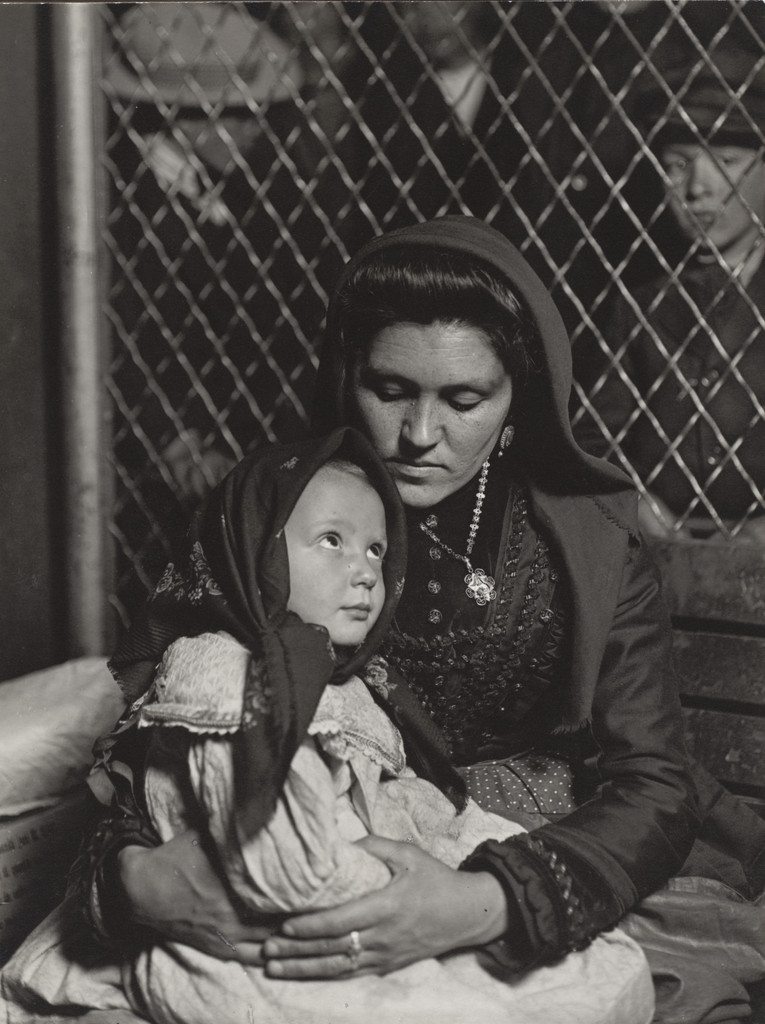
Inspired by the success of his photographs of immigrants, Hine leaves teaching to become the staff photographer of the National Child Labor Committee (NCLC), which launched the first campaign in US history against the exploitation of children in industry. Over the next decade he documents child labor, especially in the Carolina Piedmont, to aid the committee's lobbying to end the practice; Hine himself had worked long hours in a factory as a boy.
3 November 1940
Died