 Lewis Wickes HineAmerican, 1874–1940
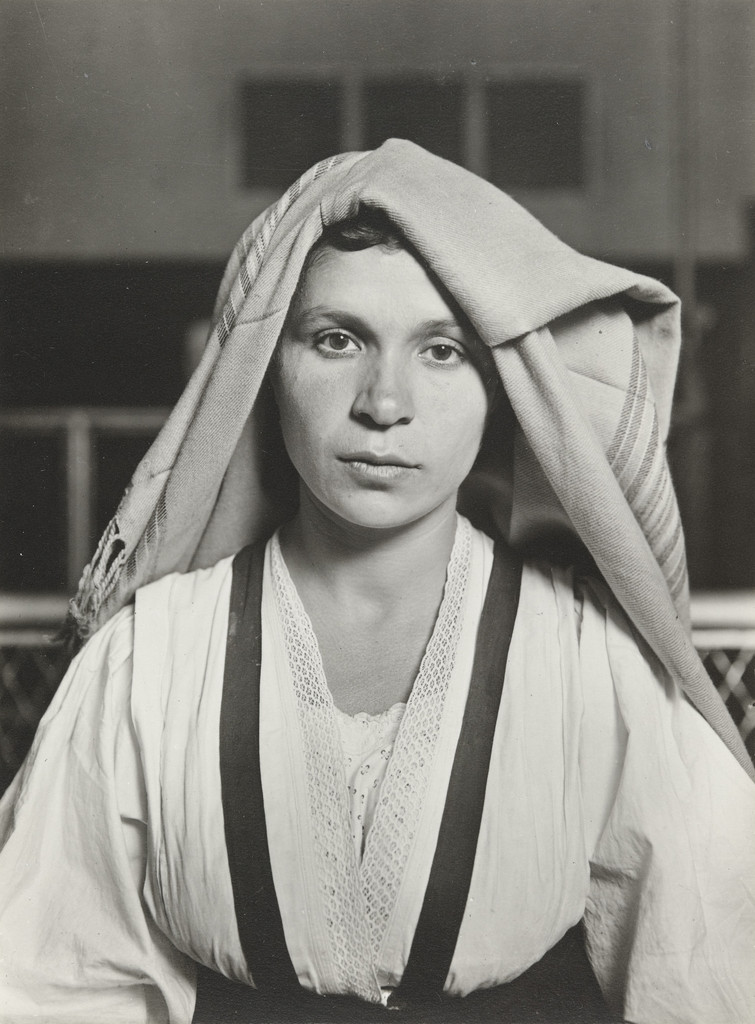
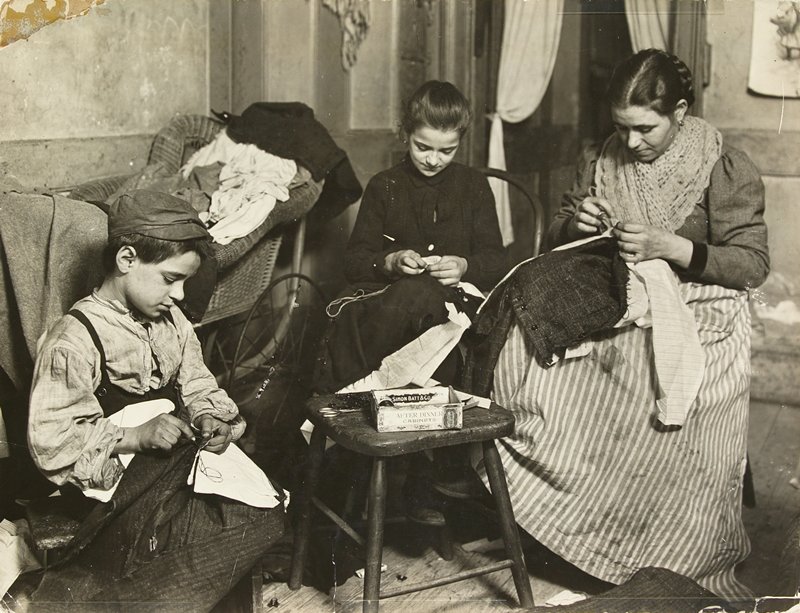
Untitled
Can I see it?
Not on view at present
Where is “Untitled” now? Collection: Minneapolis Institute of Art, Minneapolis. Not on view at present. Checked September 29, 2026.

Minneapolis, United States
It belongs to the collection, but is not on display at present.
- Checked
- In this state since
- Source
- The museum
Details
- Accession number
- 95.82.21
In the catalog
Sources
- Minneapolis Institute of Art
- Image: Minneapolis Institute of Art — © Minneapolis Institute of Art
In the life of Lewis Wickes Hine
The whole life1908
Becomes photographer for the National Child Labor Committee
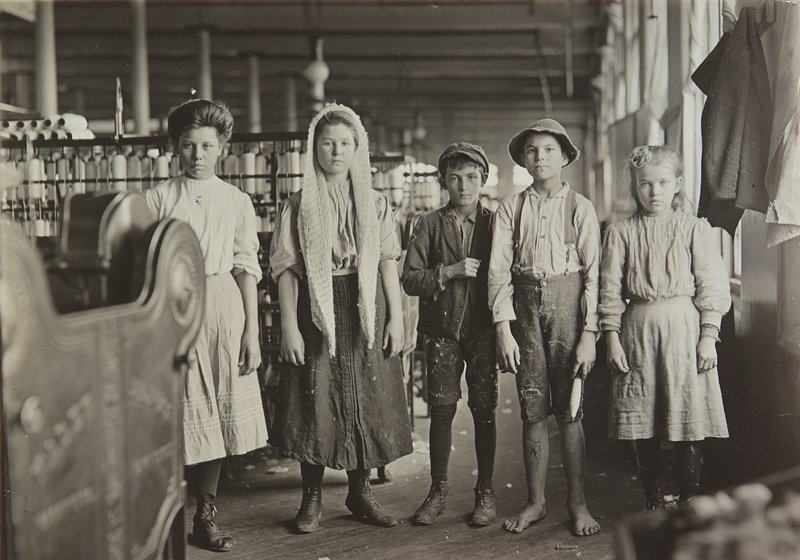
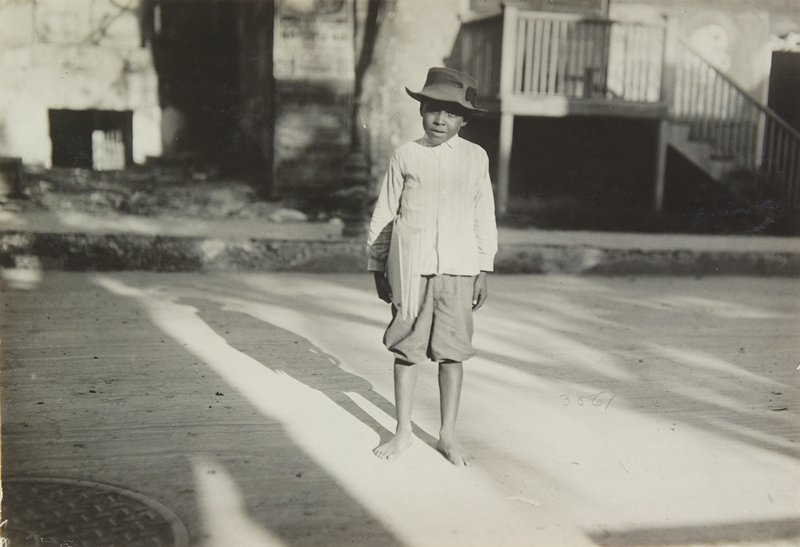
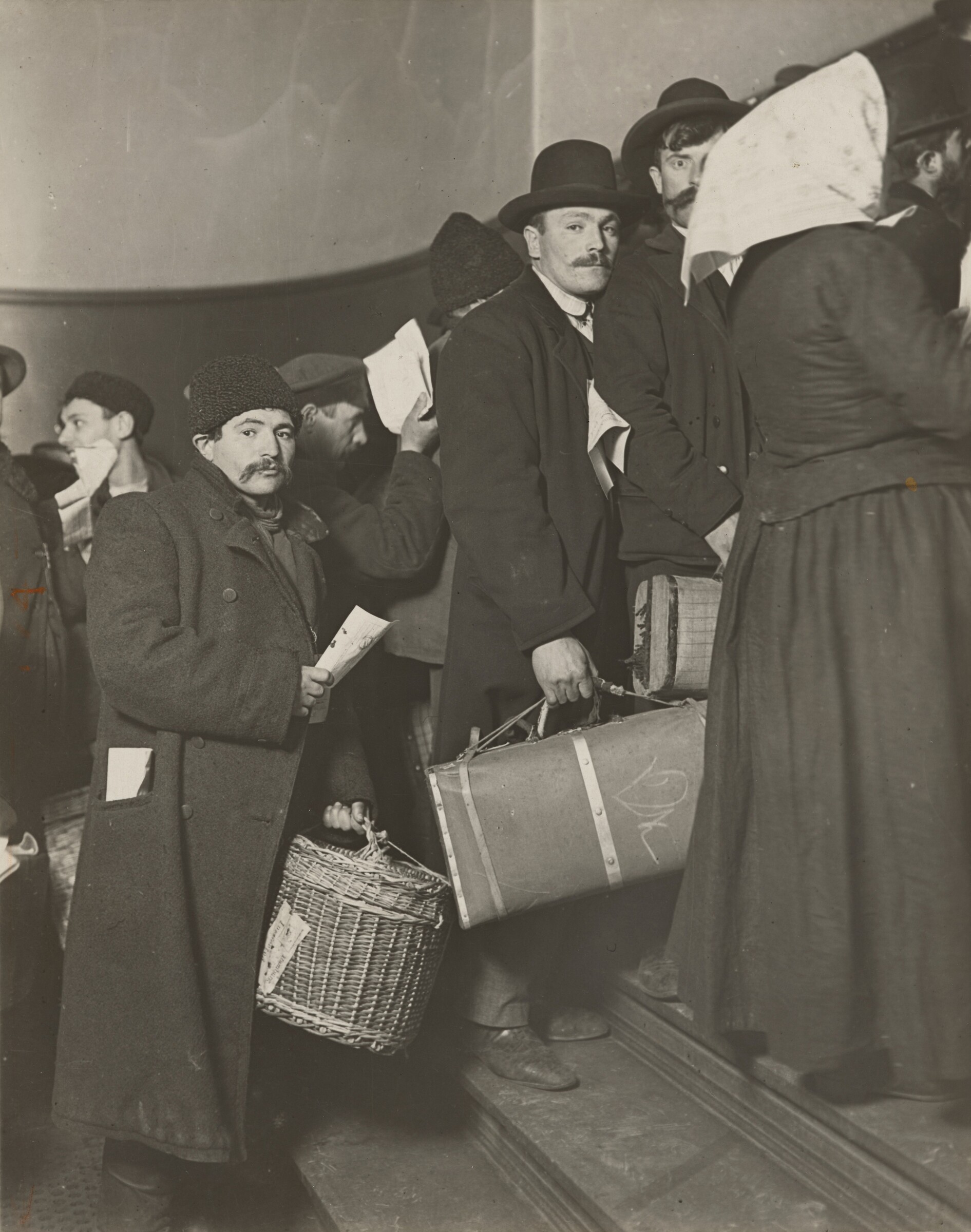
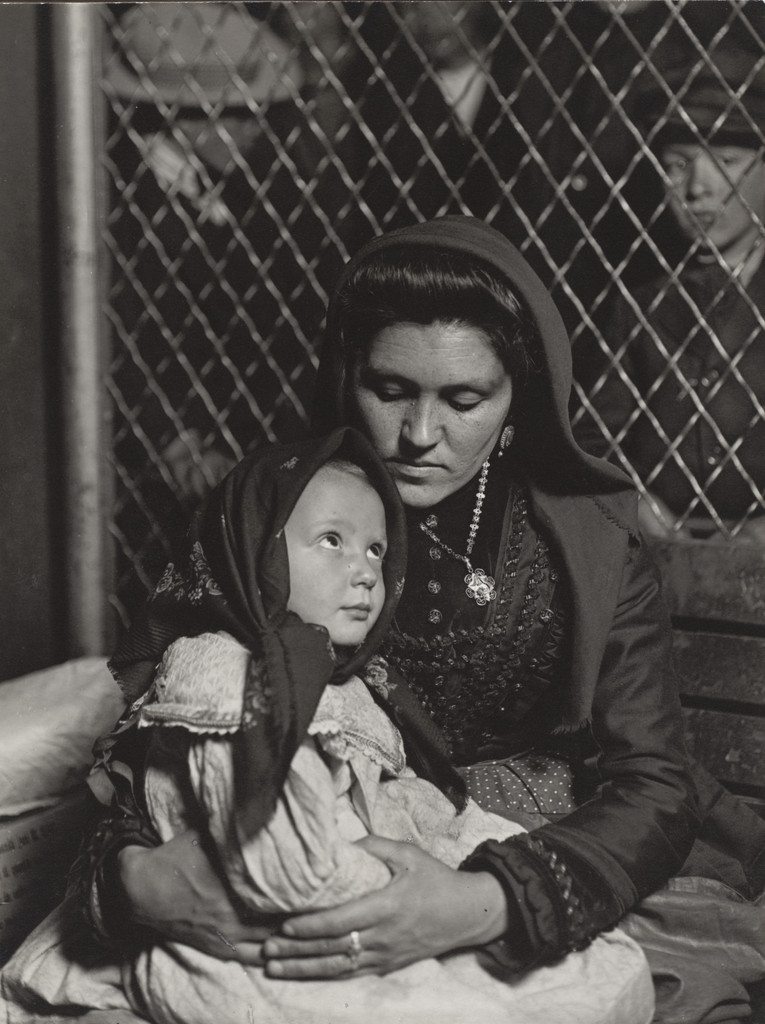
Inspired by the success of his photographs of immigrants, Hine leaves teaching to become the staff photographer of the National Child Labor Committee (NCLC), which launched the first campaign in US history against the exploitation of children in industry. Over the next decade he documents child labor, especially in the Carolina Piedmont, to aid the committee's lobbying to end the practice; Hine himself had worked long hours in a factory as a boy.
1908–1918
Gains entry to mills and factories under false guises
To get into the mills, mines and factories where child labor was hidden from the public, Hine posed as a fire inspector, an insurance agent, a postcard or Bible salesman, a preacher, or even an industrial photographer recording factory machinery. Factory police and foremen often threatened him with violence or even death; travelling the country from the Atlantic to the Pacific, he photographed child miners, weavers, dockers, stokers, farmhands and garbage collectors.
1918–1919
Travels to Europe with the Red Cross
In 1918 Hine joins the Red Cross and is sent to France, then to Italy and Greece, photographing the relief work of the American Red Cross in Europe; he returns to New York in 1919.
1936
Becomes chief photographer of the WPA research project
Hine is selected as chief photographer for the National Research Project of the Works Progress Administration, which studied changes in industry and their effect on employment; his work there was not completed.
last years of life
Loses his patrons and his house
In the last years of his life Hine lost government and corporate patronage; he hoped to join the Farm Security Administration photography project and wrote repeatedly to Roy Stryker, but Stryker always refused. Few people were interested in his work, and Hine lost his house and applied for welfare.
3 November 1940
Died