 Lewis Wickes HineAmerican, 1874–1940
Untitled
May one see it?
Not receiving at present

Minneapolis, United States
It belongs to the collection, but is not on display at present.
- Checked
- In this state since
- Source
- The museum
About the work
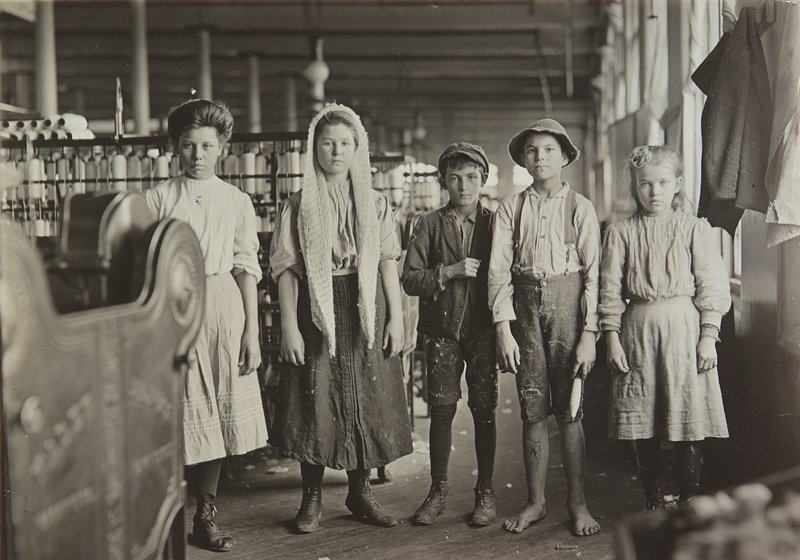
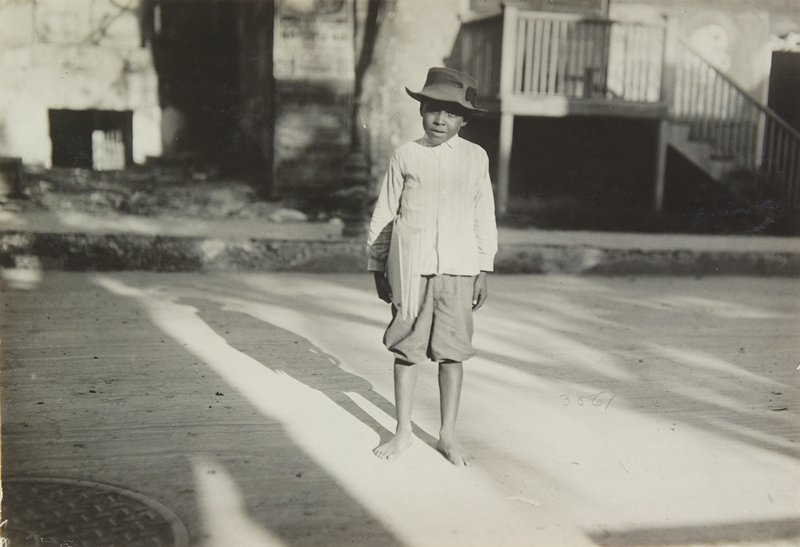
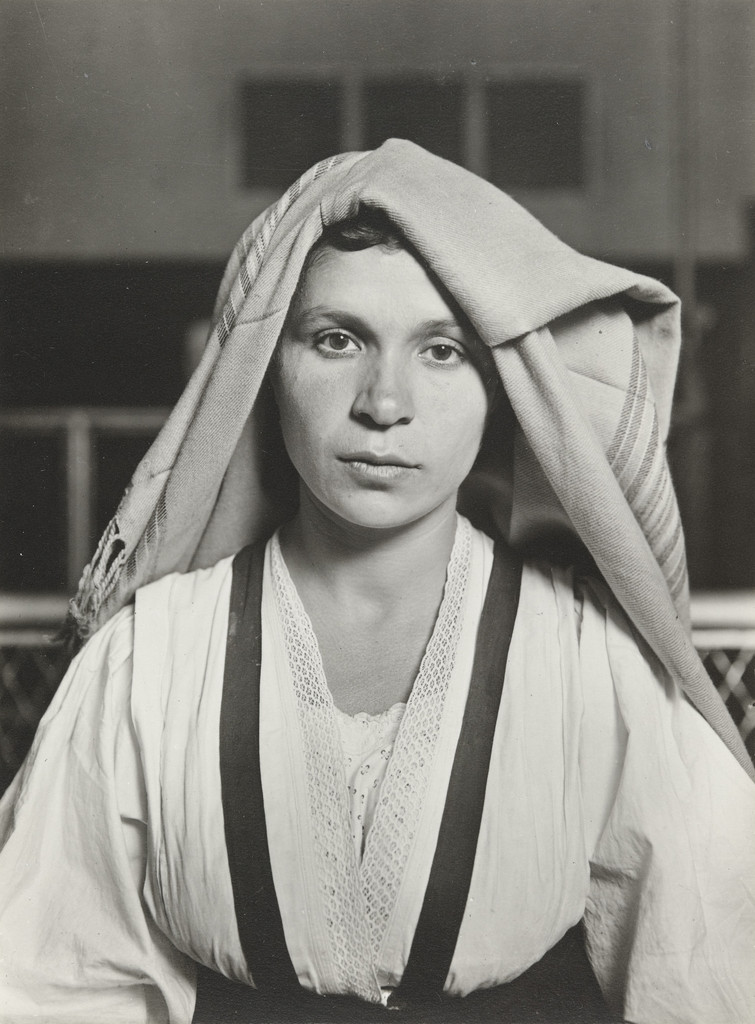
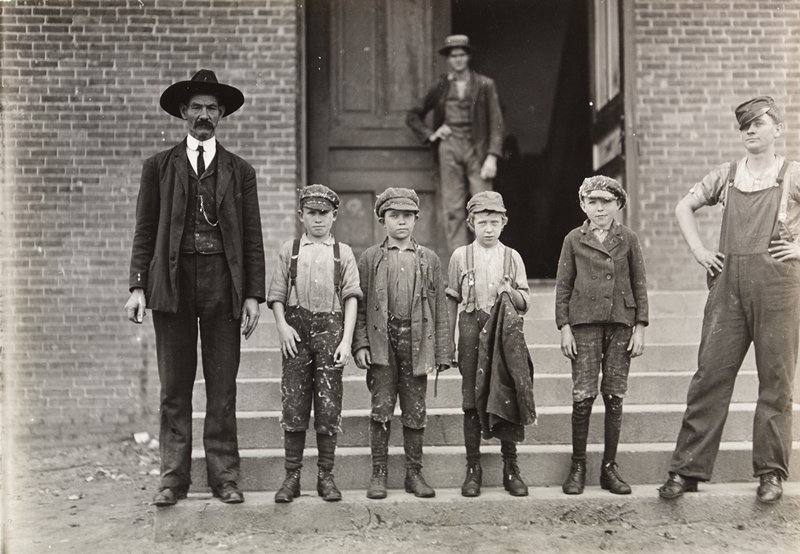
Lewis Hine was a documentary photographer, educator, and social reformer. Trained in sociology, Hine taught at the progressive Ethical Culture School in New York City before turning his attention to photography. As a photographer for the National Child Labor Committee (NCLC), Hine traveled the United States to document children in unsafe working conditions in factories, mines, fields, and city streets. Over ten years, he created an indelible record of the human cost of an exploitative labor market, documenting the tired faces of children at the end of their shifts, or even children mutilated by industrial machinery. These disturbing photographs were used in publications and presentations created by Hine and the NCLC, and ultimately promoted sweeping policy changes designed to protect children.
Minneapolis Institute of Art
Particulars
- Accession number
- 74.39.16
In the catalog
Sources
- Minneapolis Institute of Art
- Image: Minneapolis Institute of Art — © Minneapolis Institute of Art
Meanwhile, in the life of Lewis Wickes Hine
The whole life1907
Becomes staff photographer of the Russell Sage Foundation
Hine photographs life in the steel-making districts and the people of Pittsburgh, Pennsylvania, for the influential sociological study The Pittsburgh Survey.
1908
Becomes photographer for the National Child Labor Committee
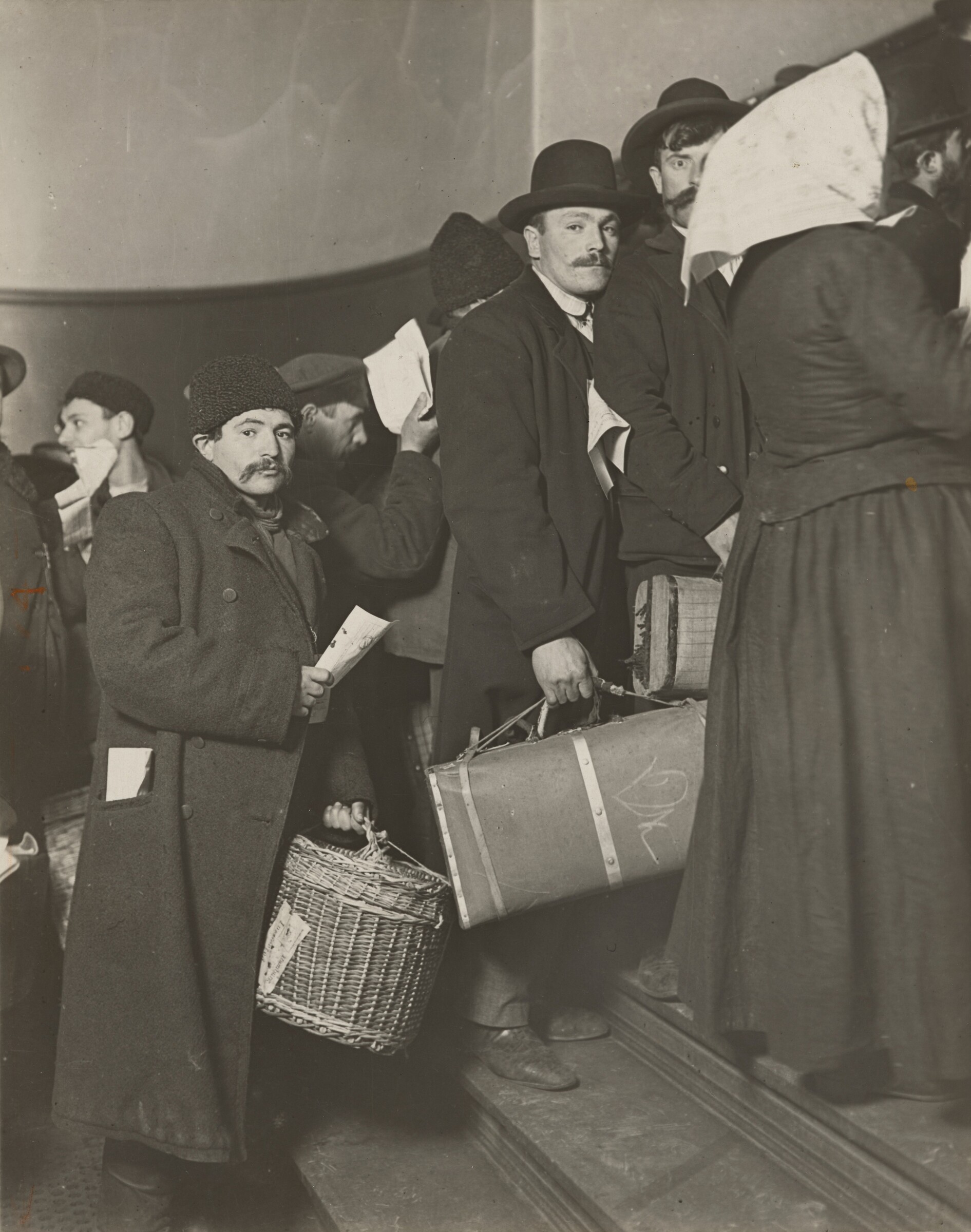
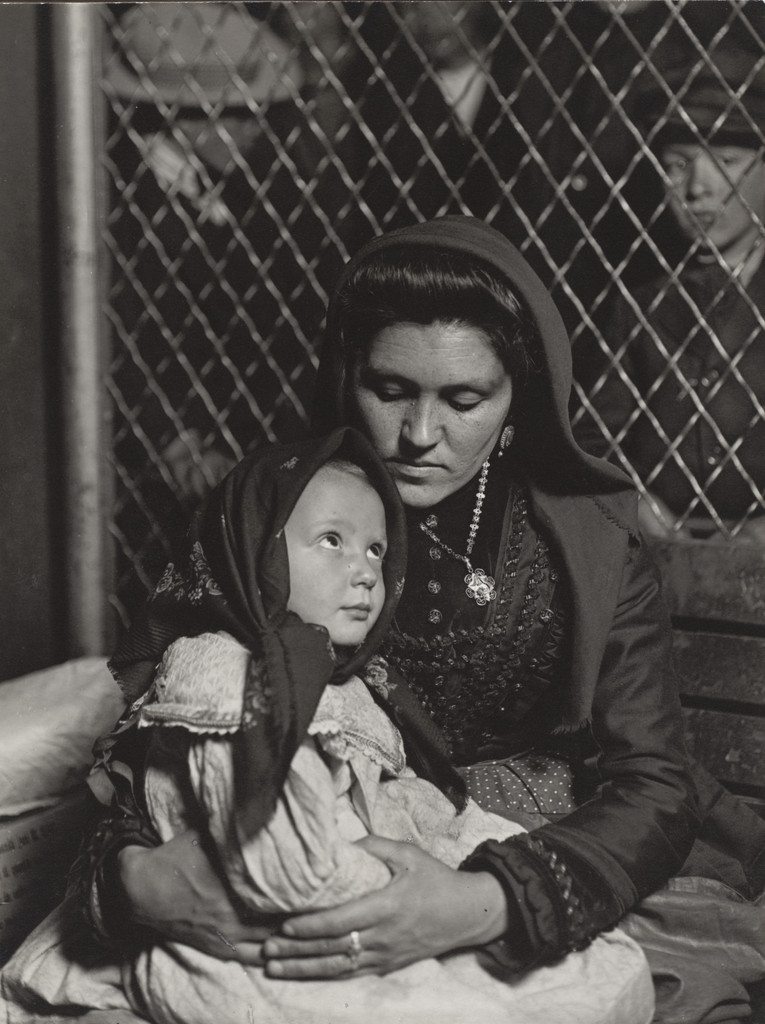
Inspired by the success of his photographs of immigrants, Hine leaves teaching to become the staff photographer of the National Child Labor Committee (NCLC), which launched the first campaign in US history against the exploitation of children in industry. Over the next decade he documents child labor, especially in the Carolina Piedmont, to aid the committee's lobbying to end the practice; Hine himself had worked long hours in a factory as a boy.
1908–1918
Gains entry to mills and factories under false guises
To get into the mills, mines and factories where child labor was hidden from the public, Hine posed as a fire inspector, an insurance agent, a postcard or Bible salesman, a preacher, or even an industrial photographer recording factory machinery. Factory police and foremen often threatened him with violence or even death; travelling the country from the Atlantic to the Pacific, he photographed child miners, weavers, dockers, stokers, farmhands and garbage collectors.