 Alexander CalderAmerican, 1898–1976
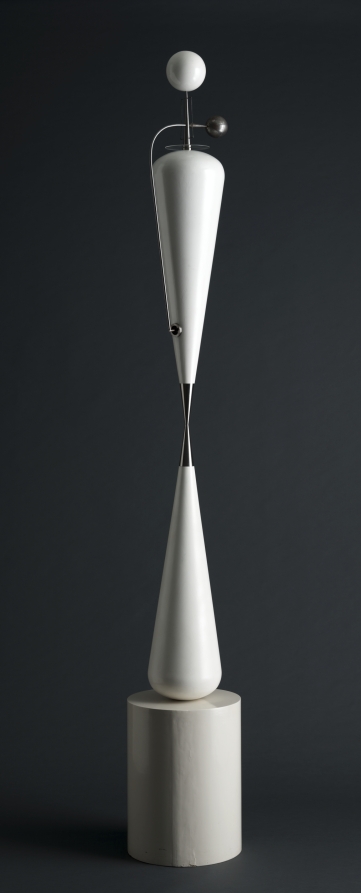
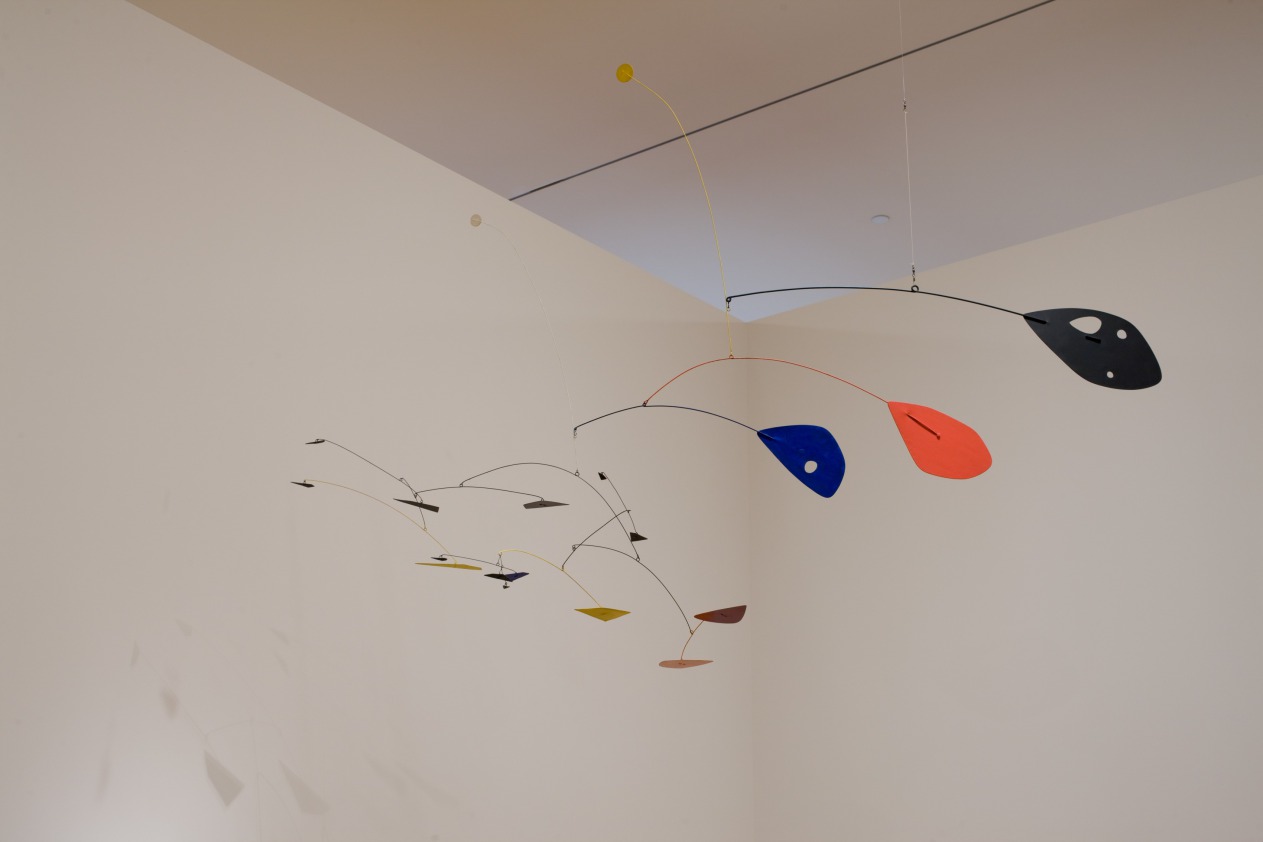
Two Systems
Can I see it?
Yes, on view now
Where is “Two Systems” now? The Cleveland Museum of Art, 226B American Modern, Cleveland. Yes, on view now. Checked November 16, 2026.

Closed· opens tomorrow at 10:00 AM
On public display.
- Checked
- In this state since
- Source
- The museum
About the sculpture
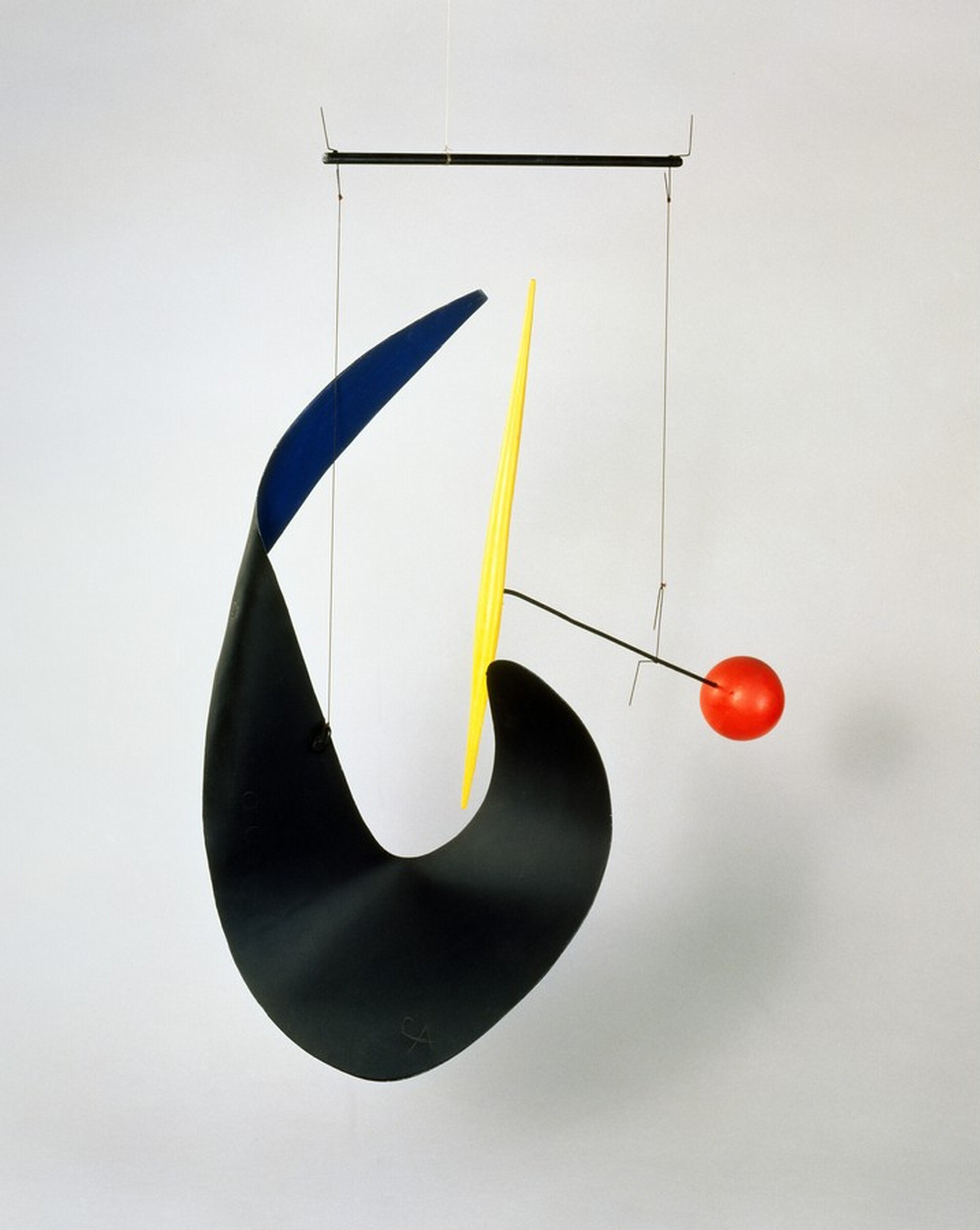
Alexander Calder's Two Systems, about 1946, is a suspended mobile in the Cleveland Museum of Art, Cleveland. Air currents set it moving, and its slow rotation recalls planetary motion. Calder's mechanical-engineering training strengthened an enduring interest in objects that move. That interest led him to devise mobiles as a new sculptural form. Here the movement depends on passing air, with the sculpture hanging from above rather than remaining fixed in one position on a base. On view in gallery 226B.
In the museum's words
Calder’s training as a mechanical engineer reinforced his lifelong interest in moving objects and inspired him to invent the mobile, a new type of sculpture that ranks among the most innovative discoveries in modern art. Often suspended from the ceiling and set in motion by currents of air as in the case here, Calder’s mobiles slowly revolve as if approximating the behavior of planetary systems.
The Cleveland Museum of Art
Details
- Accession number
- 1999.194
In the catalog
Sources
- The Cleveland Museum of Art
- Image: The Cleveland Museum of Art — © Estate of Alexander Calder / Artists Rights Society (ARS), New York
In the life of Alexander Calder
The whole life1939–1945
The war years: “constellations” instead of aluminium
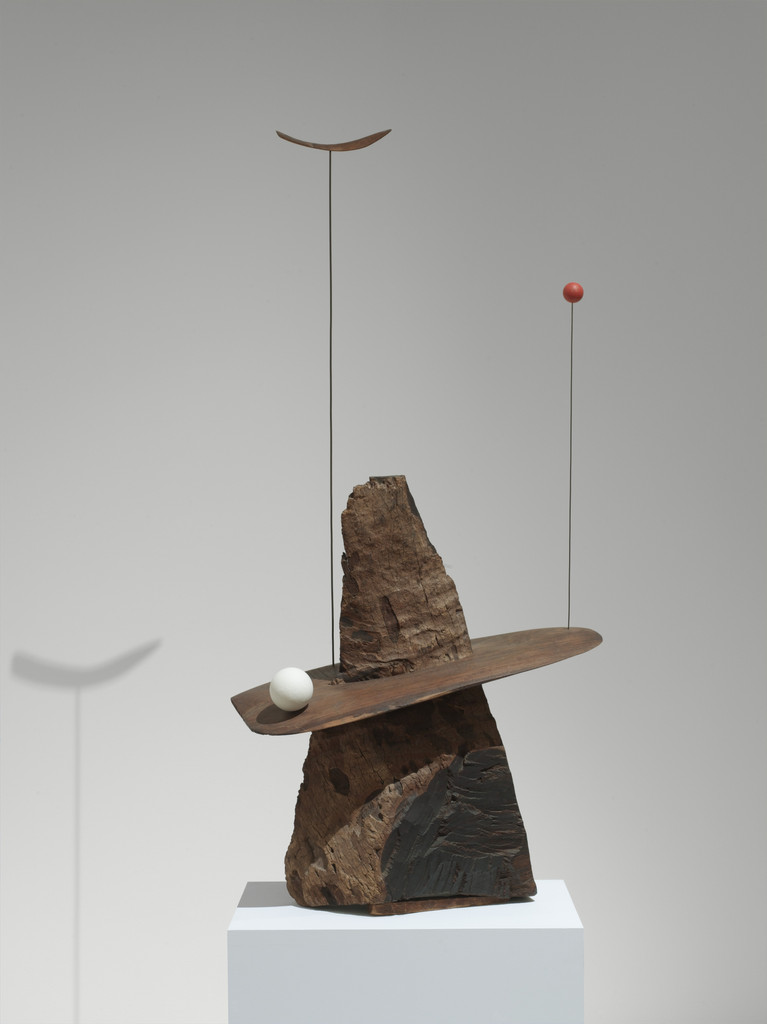
During the Second World War Calder tries to join the Marines as a camoufleur but is rejected. Adapting to a scarcity of aluminium, he returns to carved wood in a new open form of sculpture called “constellations”.
1946
The Louis Carré show and Sartre’s essay
In 1946 a Calder show organised by Duchamp, made up mainly of hanging and standing mobiles, opens at Galerie Louis Carré in Paris; because of the postal service’s strict size limits he takes some works apart and sends them by mail. The show makes a huge impact, as does the catalogue essay by Jean-Paul Sartre.
1948
A Rio de Janeiro show nearly sells out
By 1948 Calder’s works are selling: his solo show in Rio de Janeiro nearly sells out, and he becomes the first internationally renowned sculptor.