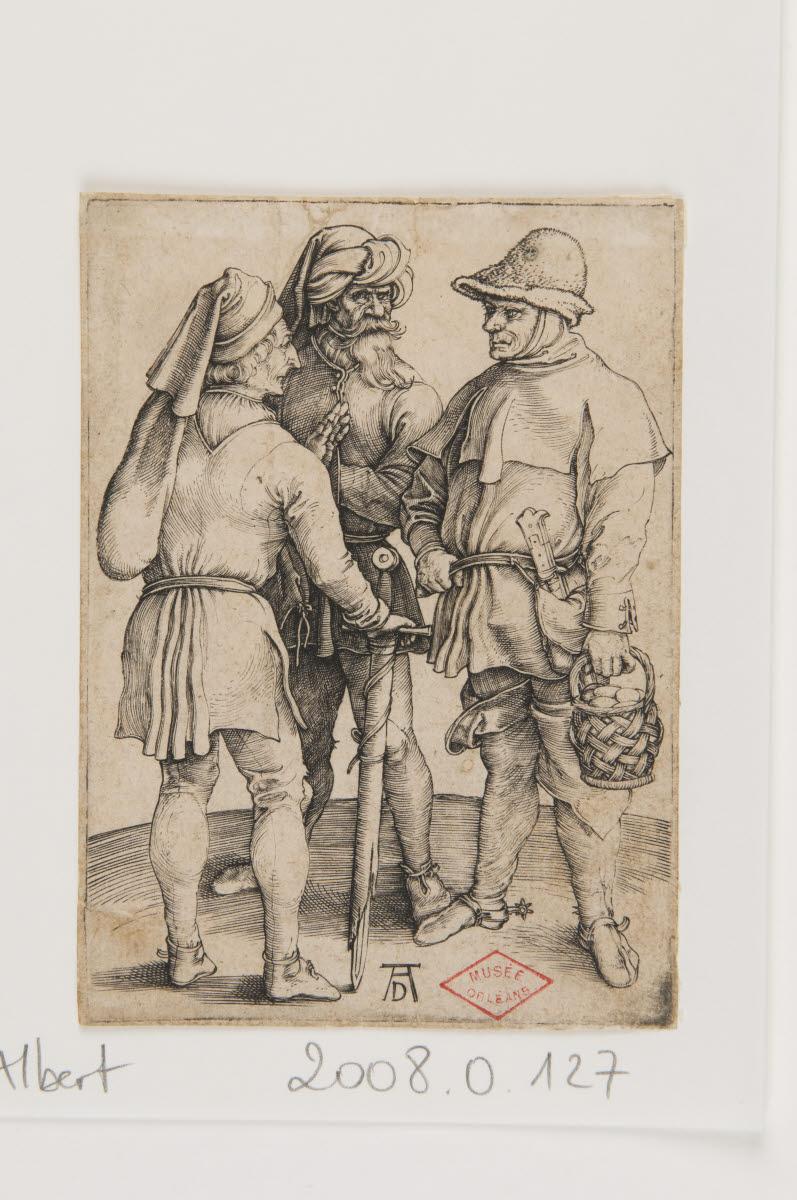
 Albrecht DürerGerman, 1471–1528
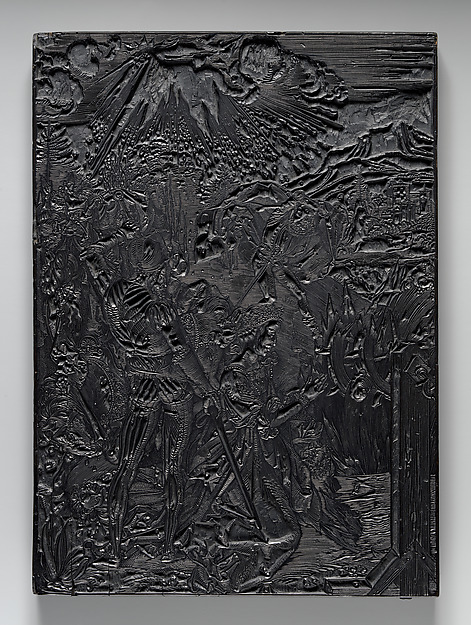
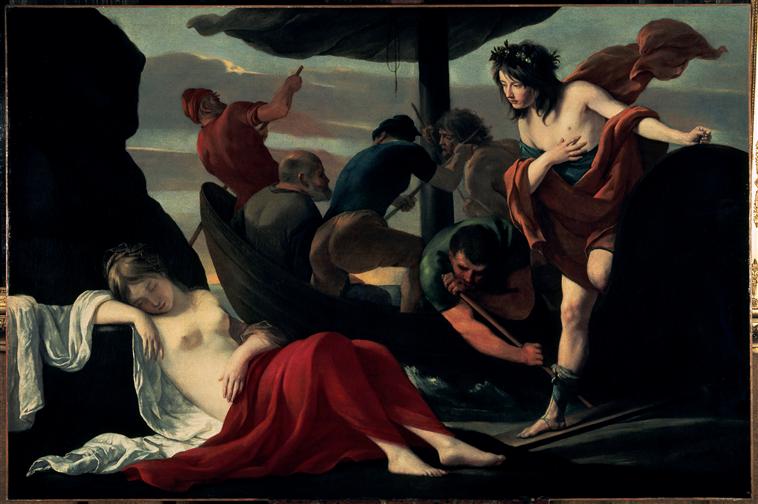
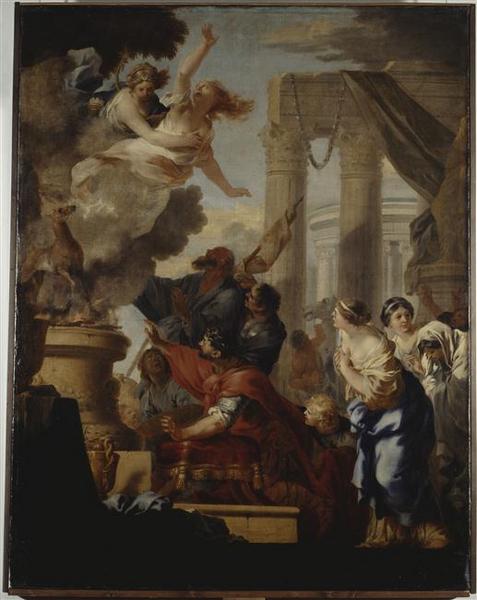
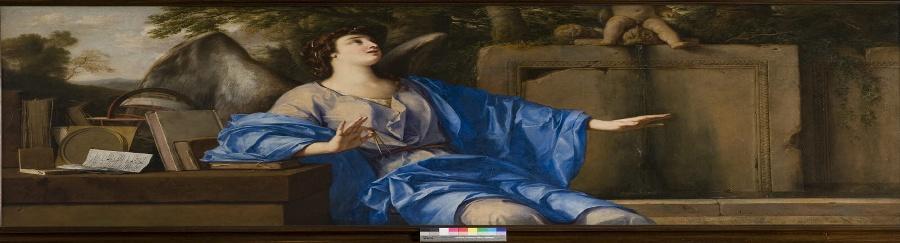
Trois Paysans en conversation
Can I see it?
Unknown
Where is “Trois Paysans en conversation” now? Collection: Musée des Beaux-Arts d'Orléans, Orléans. Unknown.
Orléans, France
The owner is known; whether it is on view today is not.
- In this state since
- Source
- The museum
Details
- Accession number
- 2008.0.127
What it shows
In the catalog
Sources
- Musée des Beaux-Arts d'Orléans
- Image: Musée des Beaux-Arts d'Orléans — Orléans, musée des beaux-arts © cliché François LAUGINIE; Ministère de la Culture (France), base Joconde
In the life of Albrecht Dürer
The whole life1486
Apprenticed to Michael Wolgemut
The fifteen-year-old Dürer, whose precocious gift for drawing was plain, was apprenticed to Michael Wolgemut, Nuremberg's leading artist, whose large workshop produced, among much else, woodcuts for books. There he learned drypoint and how to design woodcuts.
1490
Sets out on his Wanderjahre
Having completed his apprenticeship, Dürer followed German custom and set out on his Wanderjahre to learn from masters elsewhere, spending about four years away. He probably went to Frankfurt and the Netherlands.
July 1494
Marries Agnes Frey
Soon after returning to Nuremberg the 23-year-old Dürer married Agnes Frey, daughter of a prominent brass worker and amateur harpist; the match had been arranged in his absence, and marriage was required to open a workshop of his own. They had no children, and his letters suggest the marriage was not a happy one.
7 July 1494
Married: Agnes Dürer
1494–1495
First journey to Italy
Within three months of the wedding Dürer left alone for Italy, perhaps fleeing an outbreak of plague in Nuremberg. Crossing the Alps he made watercolour landscapes; in Venice he studied its art and judged Giovanni Bellini the best of its painters; Mantegna and Pollaiuolo left their mark on him.
1495
Opens his own workshop
Dürer opened his own workshop in Nuremberg, where over the next ten years he created much of his printmaking. His godfather, the publisher Anton Koberger, helped issue the first series; the city's crafts were governed by the Council rather than guilds, leaving him free to try new techniques and sell his own impressions.
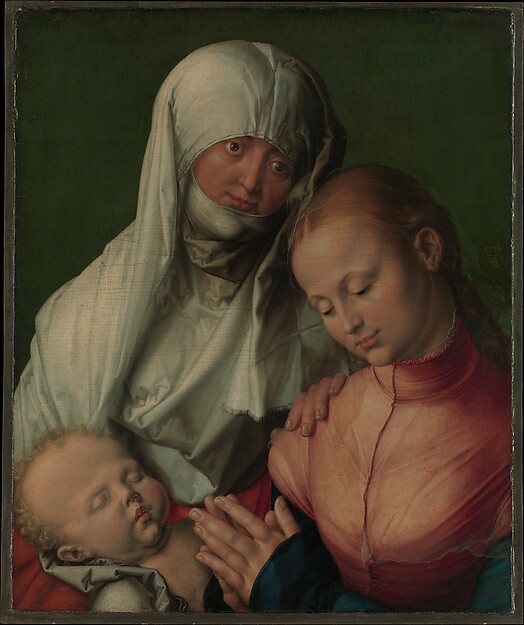

![Madonna and Child [obverse], Albrecht Dürer, c. 1496/1499](https://api.nga.gov/iiif/878db7e6-10ae-4cae-ba5d-6d6f5c413ae8/full/!2400,2400/0/default.jpg)
![Lot and His Daughters [reverse], Albrecht Dürer, c. 1496/1499](https://api.nga.gov/iiif/7565a449-f82a-414b-9bda-c93f55a51b4d/full/!2400,2400/0/default.jpg)