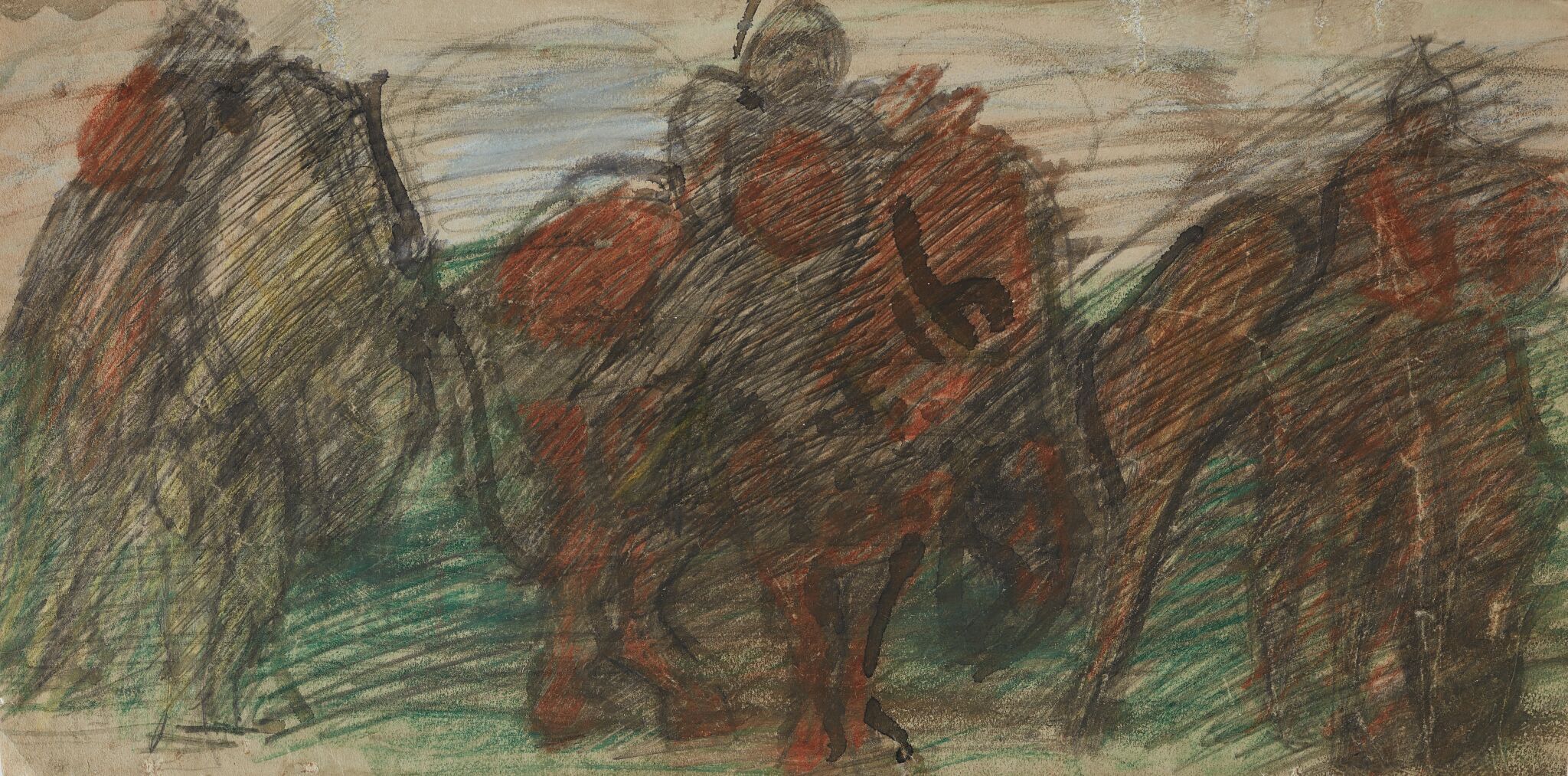
 Mikhail Vrubel1856–1910
Три богатыря
May one see it?
Unknown

Tretyakov Gallery
Moscow, Russia
The owner is known; whether it is on view today is not.
- In this state since
- Source
- The museum
About the work
In the museum's own words — in Russian
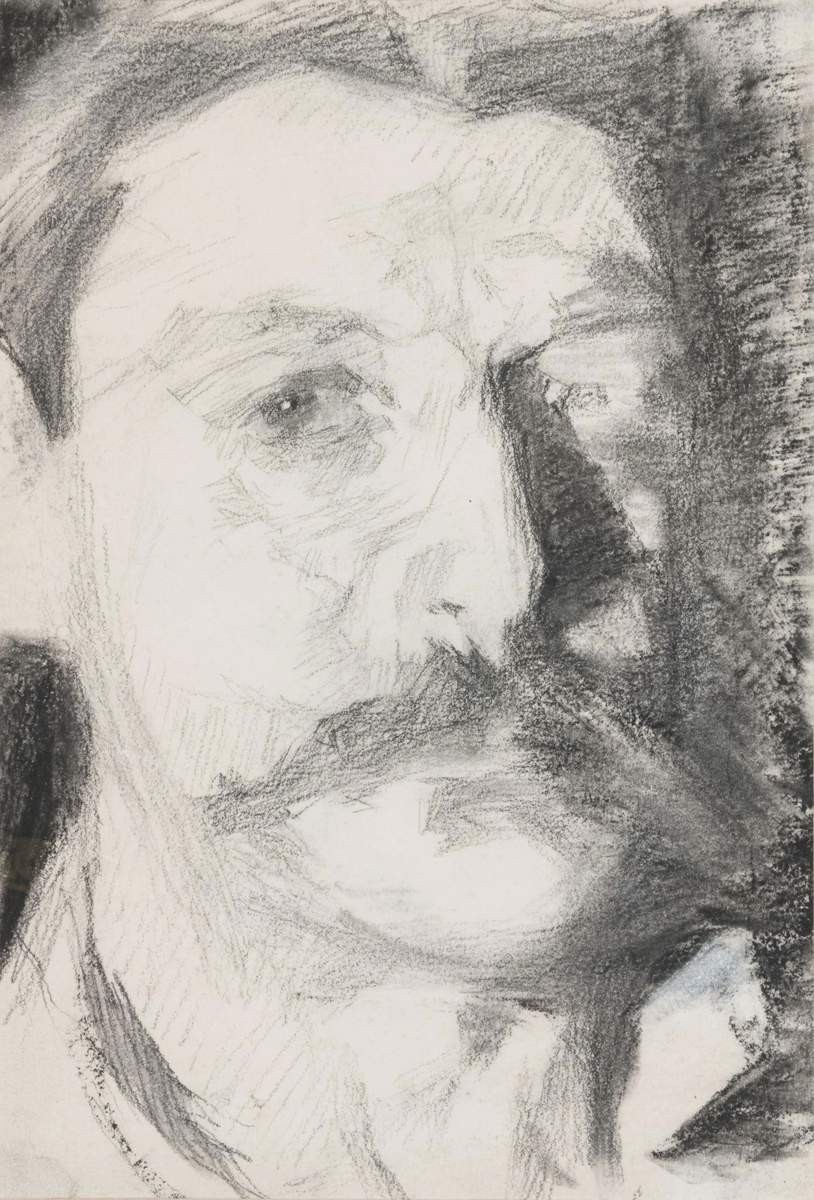
В конце апреля 1902 года Врубель был помещен в московскую психиатрическую лечебницу Ф.А. Савей-Могилевича. Впоследствии он писал жене, что «за прошедшие шесть месяцев изрисовал около 1000 листов бумаги и все уничтожил». Но целая коллекция его рисунков чудом сохранилась благодаря доктору Владимиру Поморцову, служившему тогда в клинике.
Коллекция Поморцова удивительна. Среди ее рисунков есть те, что заставляют воспринимать безумие Врубеля не как болезнь, а как художественное «инакомыслие», проявление чистой, не контролируемой разумом созидательной силы.
Read on
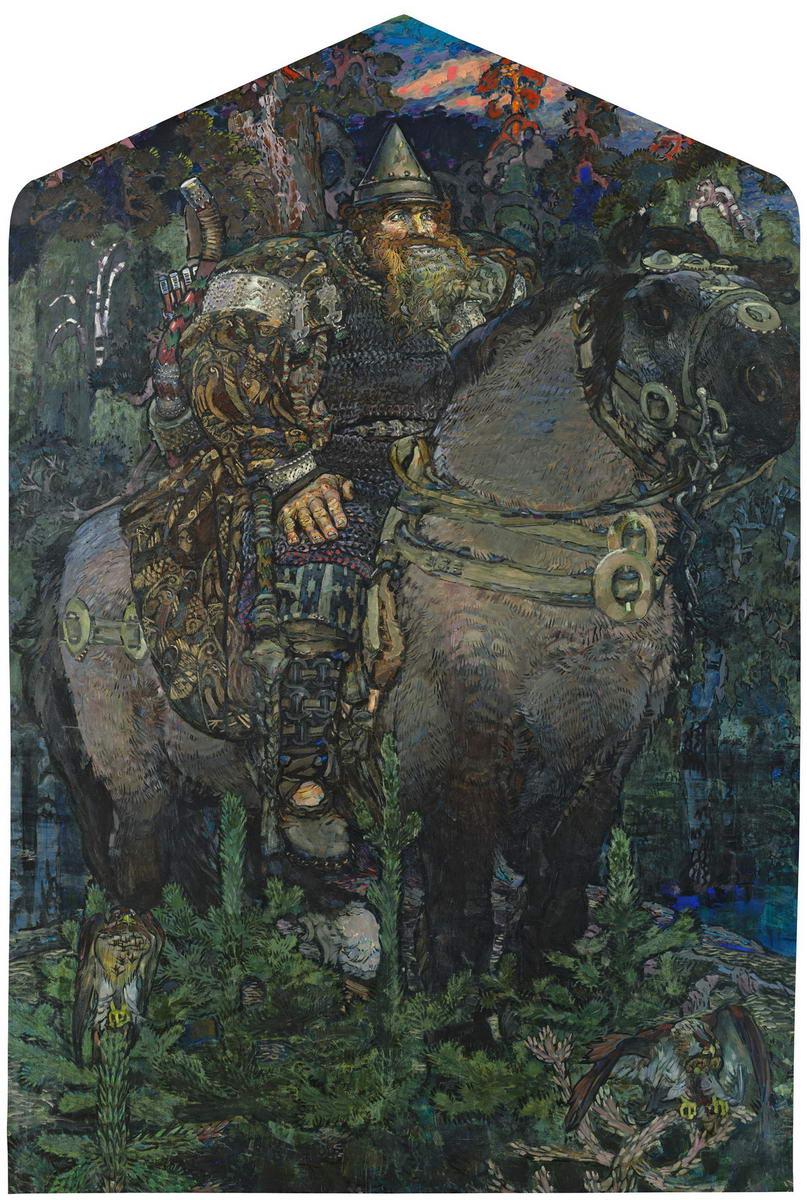
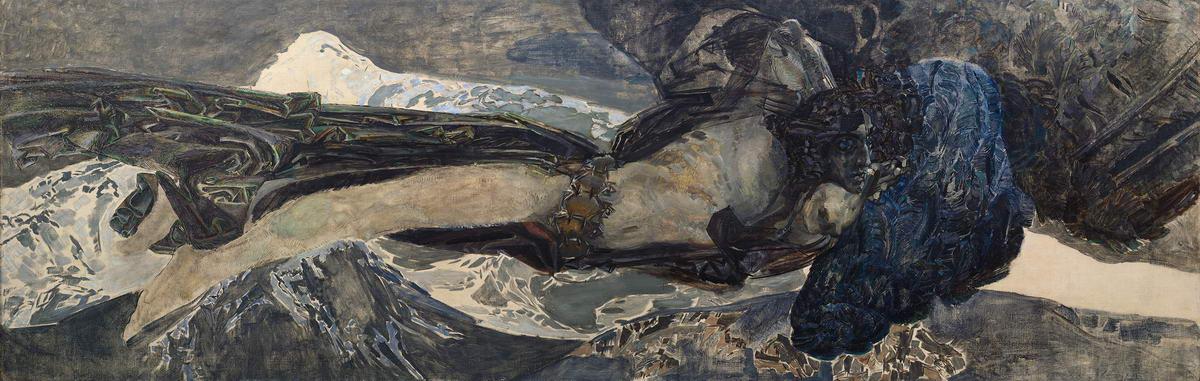
Истерзанные листки бумаги хранят память движения руки художника, бешеный, неистовый темп рисования, когда грифель карандаша, кажется, стачивается на наших глазах и прорывает бумагу. Врубель использовал для рисования любую попадавшуюся ему под руку поверхность – штриховал тончайшую бумагу на фактурной скатерти стола, рисовал на шероховатой стене под листом бумаги или, возможно, даже на простыне, тут же превращая это затруднение в художественный прием. Порой в его памяти возникали образные видения – картины, которые его чем-то заинтересовали. Одна из самых знаменитых картин Третьяковской галереи – «Богатыри» Васнецова – узнается в этом рисунке. Возможно, это отголосок последних перед болезнью Врубеля событий, связанных с галереей. В 1902 году музей отказался от покупки «Демона поверженного», вызвав взрыв негодования художника.
Tretyakov Gallery
Particulars
- Accession number
- АРХ ГР-2786/4
In the catalog
Sources
- Tretyakov Gallery
- Image: Tretyakov Gallery — © State Tretyakov Gallery
Meanwhile, in the life of Mikhail Vrubel
The whole lifesummer 1900
A gold medal at the Paris World’s Fair
In midsummer the Vrubels learned that he had won a gold medal at the Exposition Universelle for the fireplace “Volga Svyatoslavich and Mikula Selyaninovich”; his ceramics and majolica were shown in the Handicrafts Pavilion. Serov won the Grand Prix that year, and Korovin and Malyavin gold medals.
1 September 1901
Birth of his son Savva
Nadezhda Zabela-Vrubel gave birth to a son, Savva — a sturdy baby with a cleft lip; for his sake she left the stage for a time, and the family’s keep fell entirely on Vrubel. In the thick of his work on the “Demon” the artist painted a large watercolour portrait of his six-month-old son in a pram.
1902
Bekhterev’s diagnosis
In St Petersburg Vrubel went on repainting the “Demon” without pause, ruining it in his friends’ view, and his family took him to the psychiatrist Vladimir Bekhterev, who diagnosed “incurable progressive paralysis” — tertiary syphilis; the artist himself was told nothing. In Moscow, although the collector Vladimir von Meck bought the painting for 3,000 roubles, he grew worse still: he drank and squandered money, and his wife and son tried to take refuge from him with relatives in Ryazan.
2 February 1902
“The Demon Downcast” fails in Moscow
The painting went on show in Moscow a day before the “Group of 36” exhibition closed; Vrubel hoped it would be bought for the Tretyakov Gallery. The failure coincided with news of the suicide of Alexander Rizzoni after unfair criticism in the journal Mir iskusstva.
April 1902
First hospitalisation
In early April, with symptoms of acute mental disorder, Vrubel was admitted to F. A. Savey-Mogilevich’s private clinic; until August his condition was so grave that even his wife and sister were not allowed to see him. In September he was moved to Vladimir Serbsky’s clinic at Moscow University, and Serbsky confirmed the diagnosis, establishing that the infection dated back to 1892.
3 May 1903
Death of his son Savva
Vrubel had been discharged from the clinic in February, and von Meck invited the family to spend the summer on his estate in Kiev province, but on the eve of departure two-year-old Savva fell ill, and in Kiev the child died. Vrubel at once shook off his apathy, busied himself with the funeral and supported his wife, who would not say a word; their son was buried on Baikove Hill.