ART WIKI33,040 on view
MapCollectionArtistsMuseumsExhibitionsJournal
Sign in

ART WIKI

Where the masterpiece hangs, and when they let you in.

Collections: Art Institute of Chicago, Getty Villa, Harvard Art Museums, Hirshhorn Museum and Sculpture Garden, J. Paul Getty Museum, Minneapolis Institute of Art, Musée du Louvre, National Gallery of Art, National Museum of Asian Art, National Portrait Gallery (Smithsonian), Pushkin State Museum of Fine Arts, Rijksmuseum, Smithsonian American Art Museum, SMK — National Gallery of Denmark, State Hermitage Museum, State Russian Museum, The Cleveland Museum of Art, The Metropolitan Museum of Art, The Museum of Modern Art, Tretyakov Gallery, Victoria and Albert Museum, Whitney Museum of American Art, State Catalogue of the Museum Fund of Russia (274 museums), Europeana (19 museums), Wikidata (6 museums), Paris Musées (12 museums), and Joconde, the French Ministry of Culture's museum database (495 museums). Images belong to their rights holders.

Sections

  • Map
  • Search
  • Collection
  • Masterpieces
  • On view now
  • Artists

More

  • Museums & galleries
  • Exhibitions
  • Journal
  • Where the data comes from
  • Privacy & cookies
HomeMapBrowse
  1. Collection/
  2. The Cleveland Museum of Art/
  3. Three Cuttings from a Missal
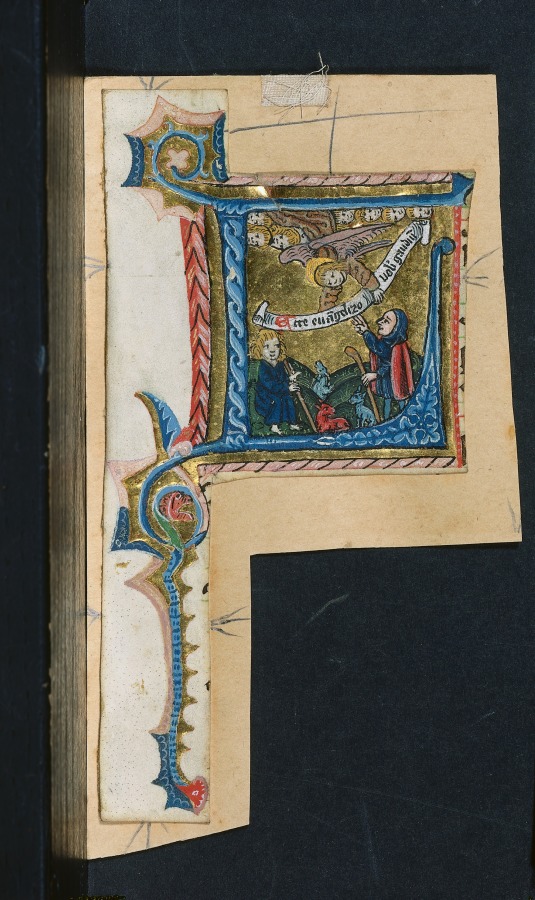
Three Cuttings from a Missal, c. 1470–1500

Three Cuttings from a Missal

c. 1470–1500 · Manuscript

May one see it?

Not receiving at present

The Cleveland Museum of Art

Cleveland, United States

It belongs to the collection, but is not on display at present.

Checked
9 days ago
In this state since
Aug 19, 2026
Source
The museum
On the mapMuseum page

About the painting

These three cuttings are illuminated in a style that is somewhat provincial and difficult to localize. The figures relate to late 15th-century German woodcut illustration, but also vaguely recall Franconian sculpture and Saxon painting. The figures are simply, though charmingly, sketched in heavy black ink with little attention to finesse of line or detail. The palette is confined to dark hues of red, blue, and ochre with flesh tones either left white or colored pink. The style hints at an origin in Franconia, Saxony, or Silesia. The initial E includes a form of musical notation called Hufnagalshrift or "horseshoe nail writing" because it resembles the nails used to attached horseshoes. Hufnagalshrift appears almost exclusively in manuscripts produced in Germanic Central Europe. The use of different colored lines in the musical stave is a known feature of Saxony. The text Exultet iam angelica (Rejoice now angel) begins the prayer used only on Holy Saturday during the Easter Vigil. It was sung by the priest at Mass to a very special and ancient melody.

The Cleveland Museum of Art

Particulars

Accession number
1999.137

In the catalog

PaintingsInkRenaissance15th centuryGermany, Franconia or Saxony (?) or Silesia (?), 15th century

Sources

  • The Cleveland Museum of Art
  • Image: The Cleveland Museum of Art — Museum open access
Neighbors at The Cleveland Museum of Art

Museum page
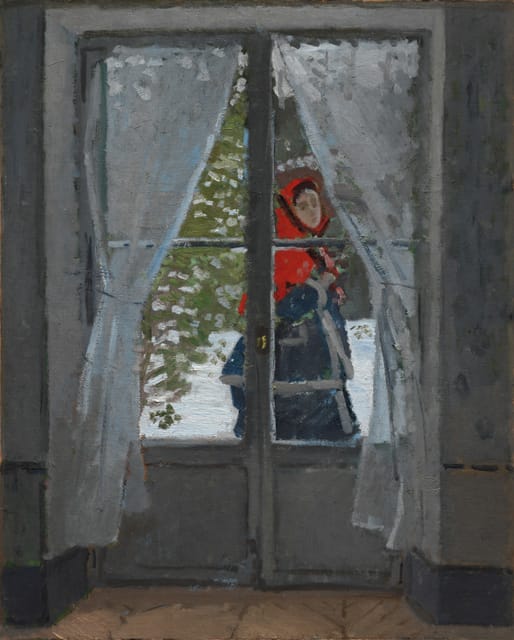
The Red Kerchief, Claude Monet, c. 1868–73

Claude Monet

The Red Kerchief, c. 1868–73

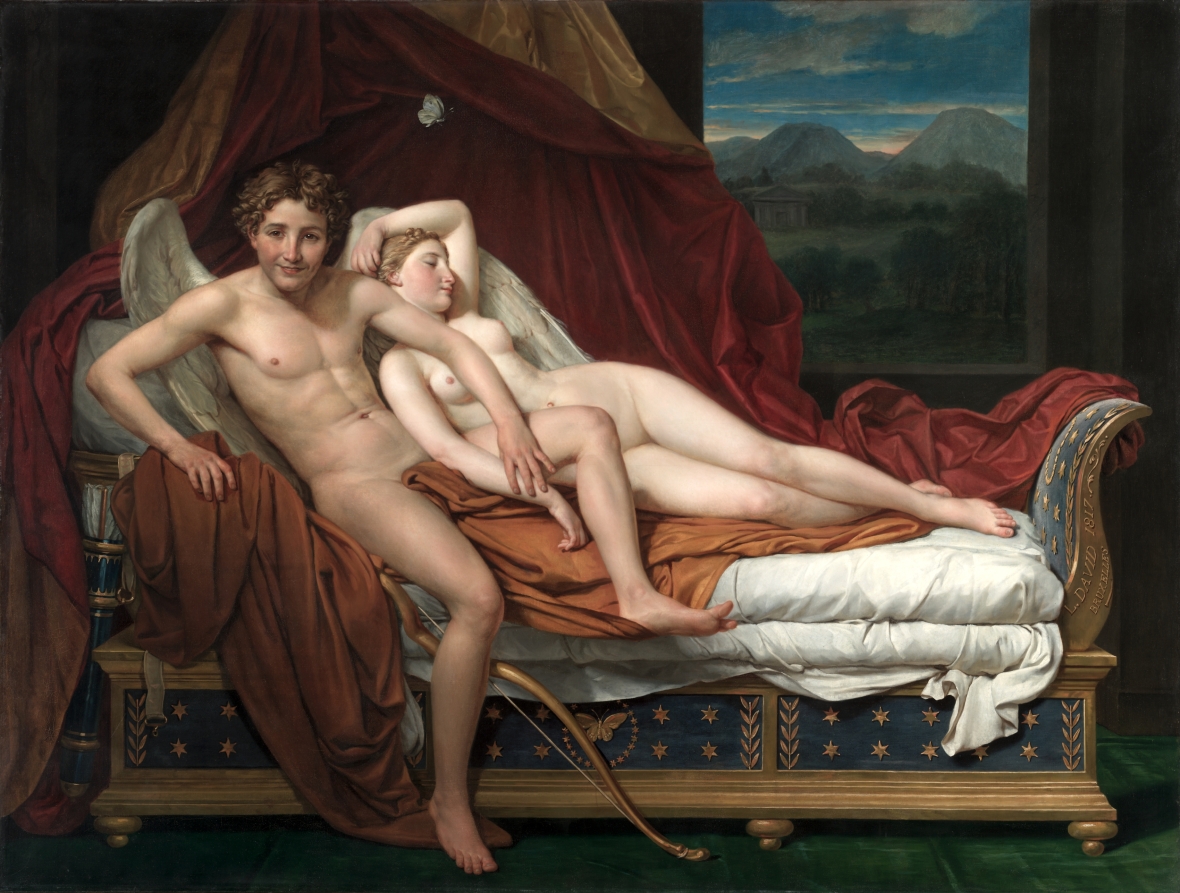
Cupid and Psyche, Jacques-Louis David, 1817

Jacques-Louis David

Cupid and Psyche, 1817

Mars, Venus, and Eros, Marcantonio Raimondi possibly after Andrea Mantegna, 1508

Andrea Mantegna

Mars, Venus, and Eros, 1508

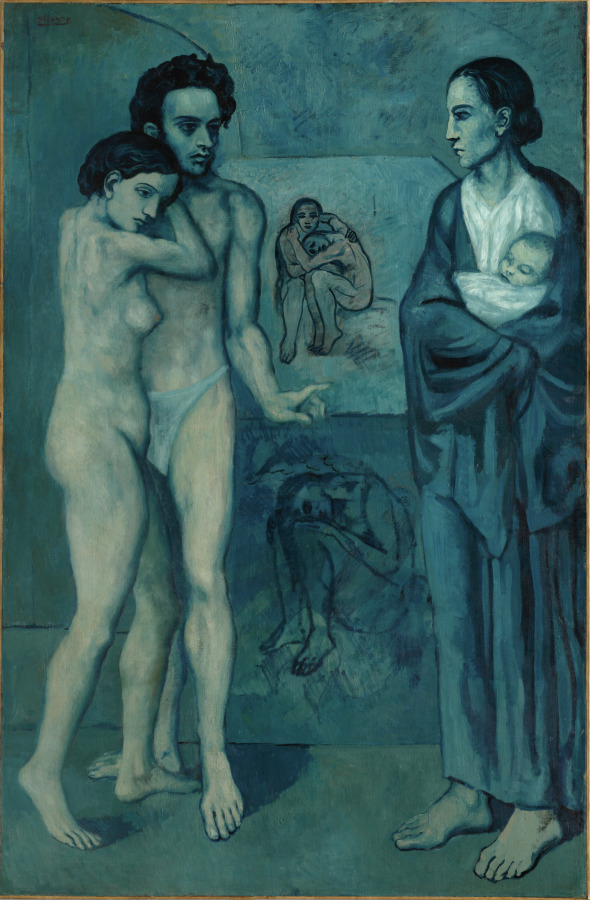
La Vie, Pablo Picasso, 1903

Pablo Picasso

La Vie, 1903

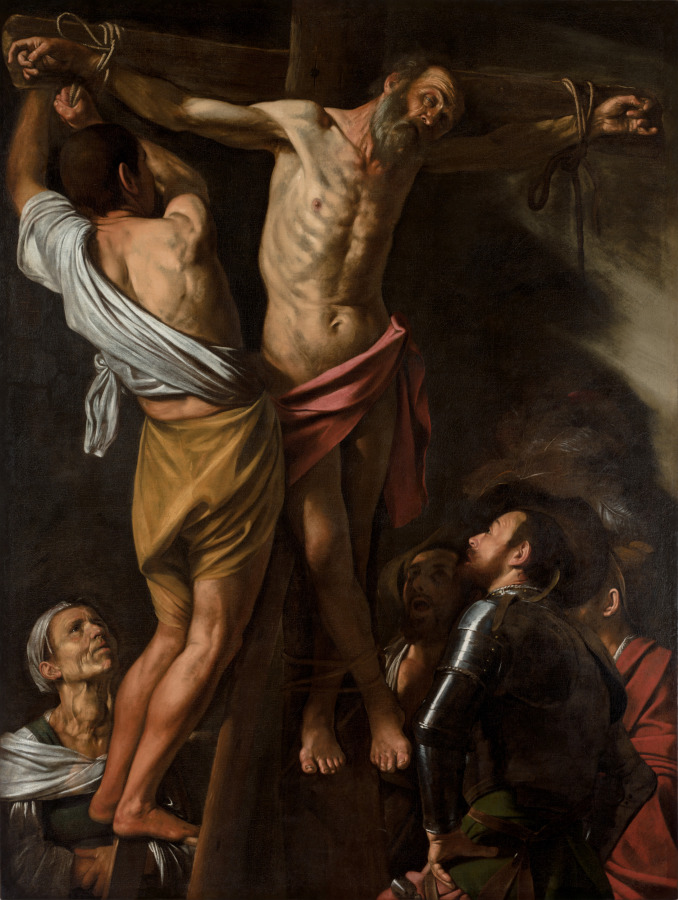
The Crucifixion of Saint Andrew, Caravaggio, 1606–7

Caravaggio

The Crucifixion of Saint Andrew, 1606–7

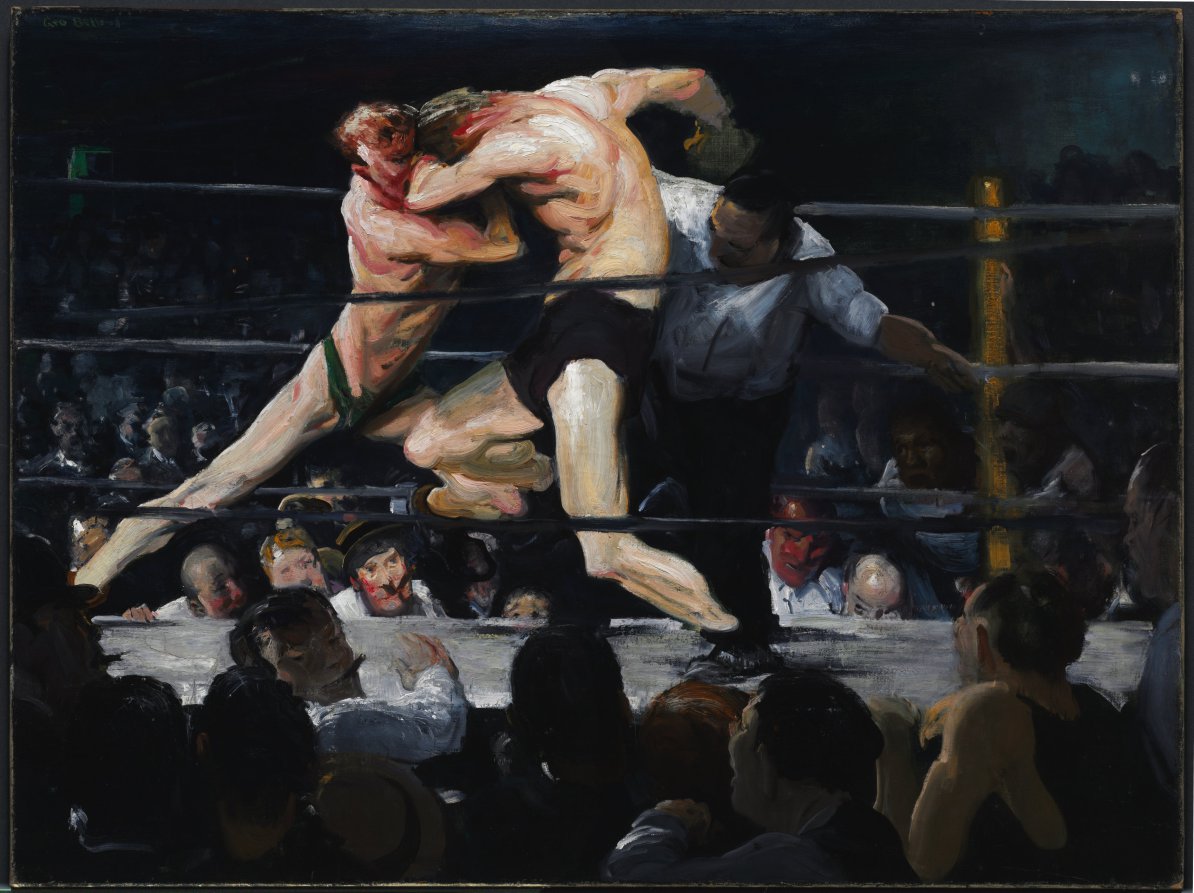
Stag at Sharkey's, George Bellows, 1909

George Bellows

Stag at Sharkey's, 1909

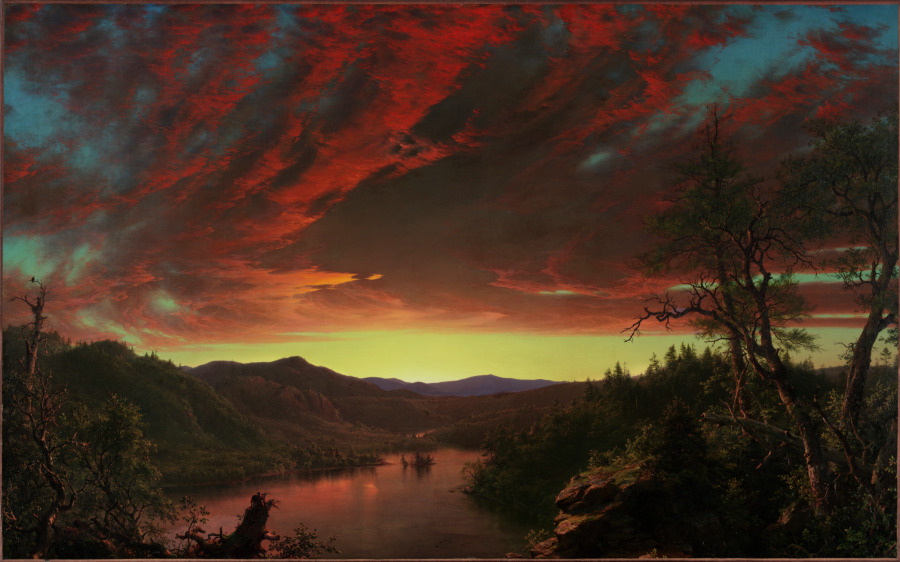
Twilight in the Wilderness, Frederic Edwin Church, 1860

Frederic Edwin Church

Twilight in the Wilderness, 1860

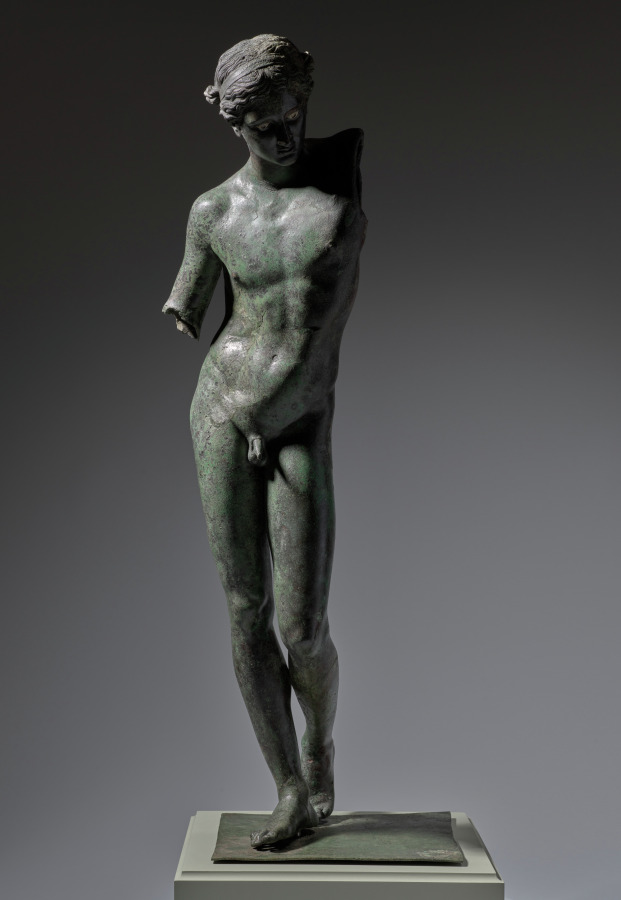
The Cleveland Apollo: Apollo Sauroktonos (Lizard-Slayer) or Apollo the Python-Slayer, Praxiteles, c. 350–200 BCE

Praxiteles

The Cleveland Apollo: Apollo Sauroktonos (Lizard-Slayer) or Apollo the Python-Slayer, c. 350–200 BCE