ART WIKI32,963 on view
MapCollectionArtistsMuseumsExhibitionsJournal
Sign in

ART WIKI

Where the masterpiece hangs, and when they let you in.

Collections: Art Institute of Chicago, Getty Villa, Harvard Art Museums, Hirshhorn Museum and Sculpture Garden, J. Paul Getty Museum, Minneapolis Institute of Art, Musée du Louvre, National Gallery of Art, National Museum of Asian Art, National Portrait Gallery (Smithsonian), Pushkin State Museum of Fine Arts, Rijksmuseum, Smithsonian American Art Museum, SMK — National Gallery of Denmark, State Hermitage Museum, State Russian Museum, The Cleveland Museum of Art, The Metropolitan Museum of Art, The Museum of Modern Art, Tretyakov Gallery, Victoria and Albert Museum, Whitney Museum of American Art, State Catalogue of the Museum Fund of Russia (274 museums), Europeana (19 museums), Wikidata (6 museums), Paris Musées (12 museums), and Joconde, the French Ministry of Culture's museum database (495 museums). Images belong to their rights holders.

Sections

  • Map
  • Search
  • Collection
  • Masterpieces
  • On view now
  • Artists

More

  • Museums & galleries
  • Exhibitions
  • Journal
  • Where the data comes from
  • Privacy & cookies
HomeMapBrowse
  1. Collection/
  2. Minneapolis Institute of Art/
  3. The Strappado (L'estrapade)--Torture
The Strappado (L'estrapade)--Torture, Jacques Callot, 1633
Jacques Callot, portraitJacques CallotFrench, 1592–1635

The Strappado (L'estrapade)--Torture

1633 · Print · 9.05 × 19.37 cm

May one see it?

Not receiving at present

Minneapolis Institute of Art

Minneapolis, United States

It belongs to the collection, but is not on display at present.

Checked
3 days ago
In this state since
Sep 25, 2026
Source
The museum
On the mapMuseum page

About the work

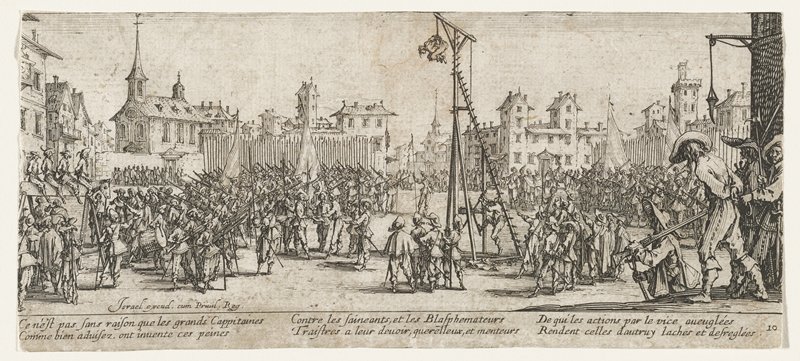
The Miseries and Misfortunes of War (Les Misères et les Mal-Heures de la Guerre), a series of 18 small etchings by French artist Jacques Callot, grimly document the violence and degradation of war. Callot's native region, the duchy of Lorraine, was invaded by French troops in 1633 in response to siding with the Habsburgs during the Thirty Years War (1618–1648). The territory was decimated; troops looted, raped, tortured, and murdered the duchy's citizens. This print depicts men being punished for such crimes. At center, a public torture and execution by strappado is underway, the guilty party is shown suspended from a scaffolding by his wrists which are bound behind his back. Another soldier, depicted in the right foreground, appears to be waiting his turn. At left, four bound men are mounted on a saw-horse, another common form of torture.

Read on

The inscription beneath the print reads, It is not without cause that great captains have well-advisedly invented these punishments for idlers, blasphemers, traitors to duty, quarrelers and liars, whose actions, blinded by vice, make those of others lax and lawless

Minneapolis Institute of Art

Particulars

1633 · aged 41
15921635
Accession number
2001.254.9.10

In the catalog

PrintsEtchingBaroque17th centuryFrance

Sources

  • Minneapolis Institute of Art
  • Image: Minneapolis Institute of Art — public domain

Meanwhile, in the life of Jacques Callot

The whole life
  1. 1621–1635 · Workplace

    Nancy

  2. 1633

    The French invasion of Lorraine

    In the year the large series of the “Miseries of War” is published, Lorraine is invaded by the French during the Thirty Years’ War; Callot’s etchings of pillaging, executions and the lot of crippled beggars are counted among the most powerful artistic statements of the inhumanity of war and will later inspire Goya.

  3. 25 March 1635

    Died

More by Jacques Callot

All works
Lust, Jacques Callot, 17th century

Lust

17th century · Harvard Art Museums

Temptation of Saint Anthony, Jacques Callot, 17th century

Temptation of Saint Anthony

17th century · Harvard Art Museums

Envy, Jacques Callot, 17th century

Envy

17th century · Harvard Art Museums

Pardon des Rochelois, Jacques Callot, 17th century

Pardon des Rochelois

17th century · Harvard Art Museums

Pride, Jacques Callot, 17th century

Pride

17th century · Harvard Art Museums

Anger, Jacques Callot, 17th century

Anger

17th century · Harvard Art Museums

Descente dans l'île de Ré, Jacques Callot, 17th century

Descente dans l'île de Ré

17th century · Harvard Art Museums

Gluttony, Jacques Callot, 17th century

Gluttony

17th century · Harvard Art Museums

Neighbors at Minneapolis Institute of Art

Museum page
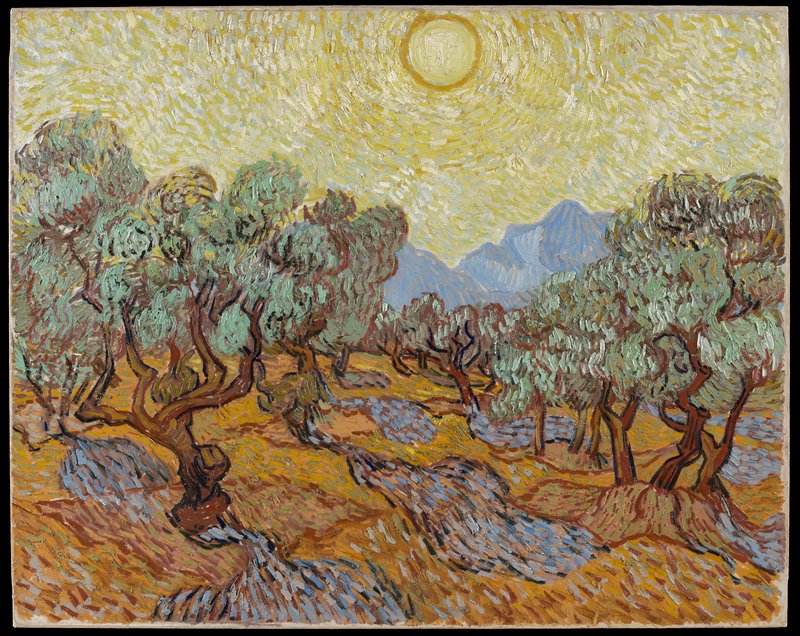
Olive Trees, Vincent van Gogh, 1889

Vincent van Gogh

Olive Trees, 1889

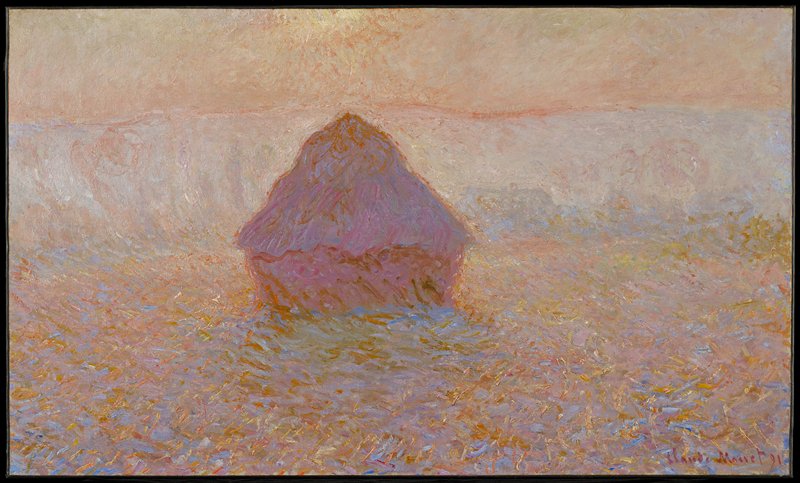
Grainstack, Sun in the Mist, Claude Monet, 1891

Claude Monet

Grainstack, Sun in the Mist, 1891

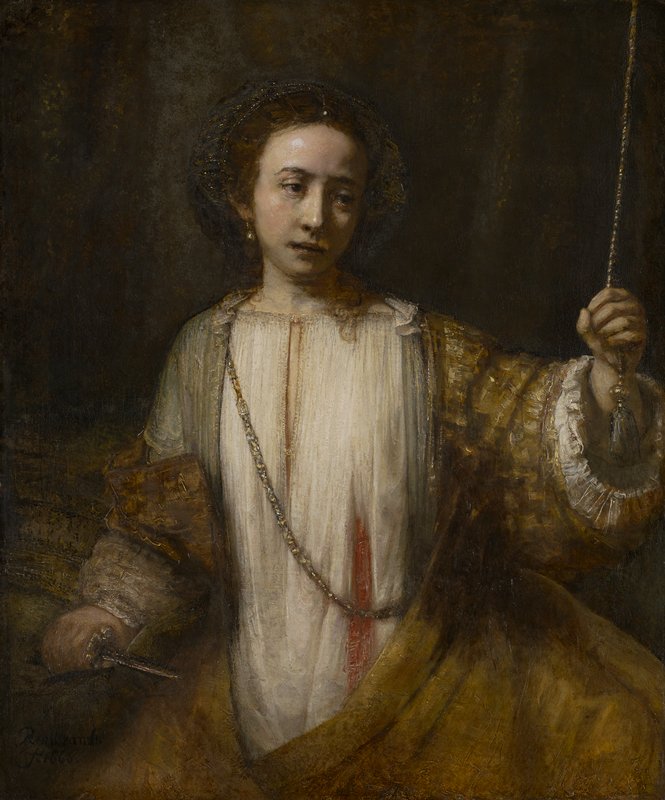
Lucretia, Rembrandt van Rijn, 1666

Rembrandt van Rijn

Lucretia, 1666

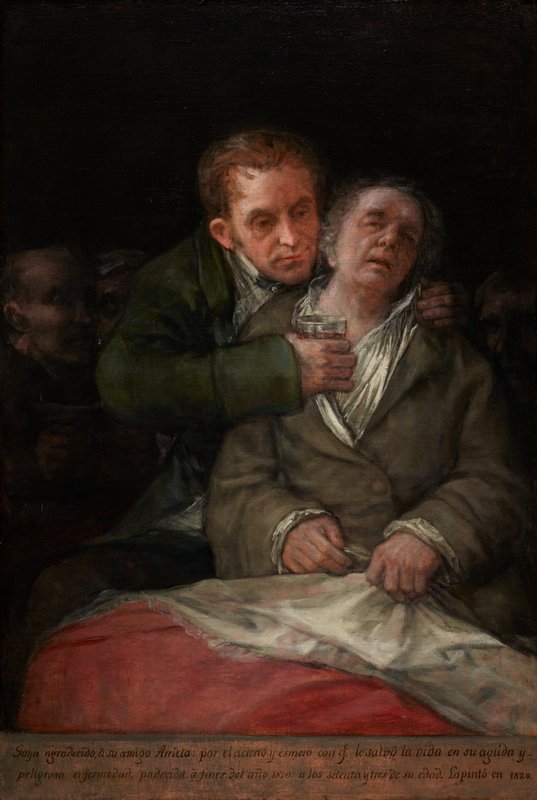
Self-Portrait with Dr. Arrieta, Francisco José de Goya y Lucientes, 1820

Francisco de Goya

Self-Portrait with Dr. Arrieta, 1820

Study for Improvisation V, Vassily Kandinsky, 1910

Vasily Kandinsky

Study for Improvisation V, 1910

Tahitian Landscape, Paul Gauguin, 1891

Paul Gauguin

Tahitian Landscape, 1891

Chestnut Trees at Jas de Bouffan, Paul Cézanne, c. 1885–86

Paul Cézanne

Chestnut Trees at Jas de Bouffan, c. 1885–86

The Union of England and Scotland (Charles I as the Prince of Wales), Peter Paul Rubens, 1633–34

Peter Paul Rubens

The Union of England and Scotland (Charles I as the Prince of Wales), 1633–34