ART WIKI33,040 on view
MapCollectionArtistsMuseumsExhibitionsJournal
Sign in

ART WIKI

Where the masterpiece hangs, and when they let you in.

Collections: Art Institute of Chicago, Getty Villa, Harvard Art Museums, Hirshhorn Museum and Sculpture Garden, J. Paul Getty Museum, Minneapolis Institute of Art, Musée du Louvre, National Gallery of Art, National Museum of Asian Art, National Portrait Gallery (Smithsonian), Pushkin State Museum of Fine Arts, Rijksmuseum, Smithsonian American Art Museum, SMK — National Gallery of Denmark, State Hermitage Museum, State Russian Museum, The Cleveland Museum of Art, The Metropolitan Museum of Art, The Museum of Modern Art, Tretyakov Gallery, Victoria and Albert Museum, Whitney Museum of American Art, State Catalogue of the Museum Fund of Russia (274 museums), Europeana (19 museums), Wikidata (6 museums), Paris Musées (12 museums), and Joconde, the French Ministry of Culture's museum database (495 museums). Images belong to their rights holders.

Sections

  • Map
  • Search
  • Collection
  • Masterpieces
  • On view now
  • Artists

More

  • Museums & galleries
  • Exhibitions
  • Journal
  • Where the data comes from
  • Privacy & cookies
HomeMapBrowse
  1. Collection/
  2. The Cleveland Museum of Art/
  3. The Farnesian Hercules
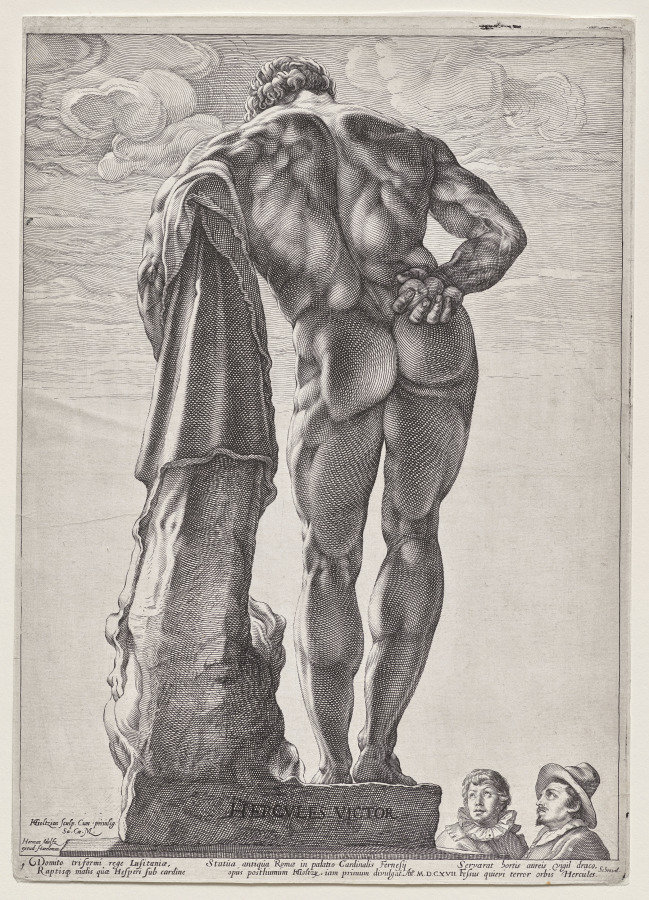
The Farnesian Hercules, Hendrick Goltzius, 1592
Hendrick Goltzius, portraitHendrick GoltziusDutch, 1558–1617

The Farnesian Hercules

1592 · Print

About the work

Hendrick Goltzius was one of many late Renaissance artists who felt compelled to travel to Italy as part of his artistic training. He went with one purpose—to study antique sculpture. Goltzius made drawings on-site and then made engravings after his designs once he returned to Haarlem in 1591. He portrayed the Farnese Hercules from a low viewpoint to capture the awesome experience of first encountering the famous monument. Goltzius showed the sculpture from behind and in shadow, emphasizing its glowing highlights. The print includes two observers, who were assumed by contemporary Dutch commentators to be a self-portrait of Goltzius with his stepson, Jacob Matham, who was also an engraver.

The Cleveland Museum of Art

Particulars

1592 · aged 34
15581617
Accession number
2022.137

Meanwhile, in the life of Hendrick Goltzius

The whole life
  1. 1590

    Departure for Italy

    He fled from his wife and, despite his illnesses, set out for Italy — via Hamburg and Munich to Venice, Bologna and Florence. Part of the way he traveled on foot, passing himself off as a commoner, "partly out of a love of mystification."

  2. January 1591

    Eight months in Rome

    He arrived in Rome in January 1591 and stayed eight months (with a brief sojourn in Naples). He discovered Raphael, was especially impressed by Michelangelo and Giambologna, and studied art from classical sculpture to the masters of the Renaissance.

  3. August 1591

    Return to Haarlem with a collection of drawings

    He returned to Haarlem, bringing from Italy a large collection of drawings that he used for the rest of his life; from the Roman material three engravings of classical statues are known, including the Farnese Hercules.

More by Hendrick Goltzius

All works

In the same room · 100 1916 Lobby, The Cleveland Museum of Art

Museum page

May one see it?

Yes, receiving visitors

The Cleveland Museum of Art

Cleveland, United States

Room100 1916 Lobby

On public display.

Checked
9 days ago
In this state since
Aug 19, 2026
Source
The museum
On the mapMuseum page

In the catalog

PrintsEngravingRenaissance16th centuryNetherlands, 16th century

Sources

  • The Cleveland Museum of Art
  • Image: The Cleveland Museum of Art — Museum open access
Lot and his Daughters, Hendrick Goltzius, 1616

Lot and his Daughters

1616 · Rijksmuseum

Fall of Man, Hendrick Goltzius, 1608

Fall of Man

1608 · State Hermitage Museum

Baptism, Hendrick Goltzius, 1608

Baptism

1608 · State Hermitage Museum

Dying Adonis, Hendrick Goltzius, 1609

Dying Adonis

1609 · Rijksmuseum

Vertumnus and Pomona, Hendrick Goltzius, 1613

Vertumnus and Pomona

1613 · Rijksmuseum

The Fall of Man, Hendrick Goltzius, 1616

The Fall of Man

1616 · National Gallery of Art

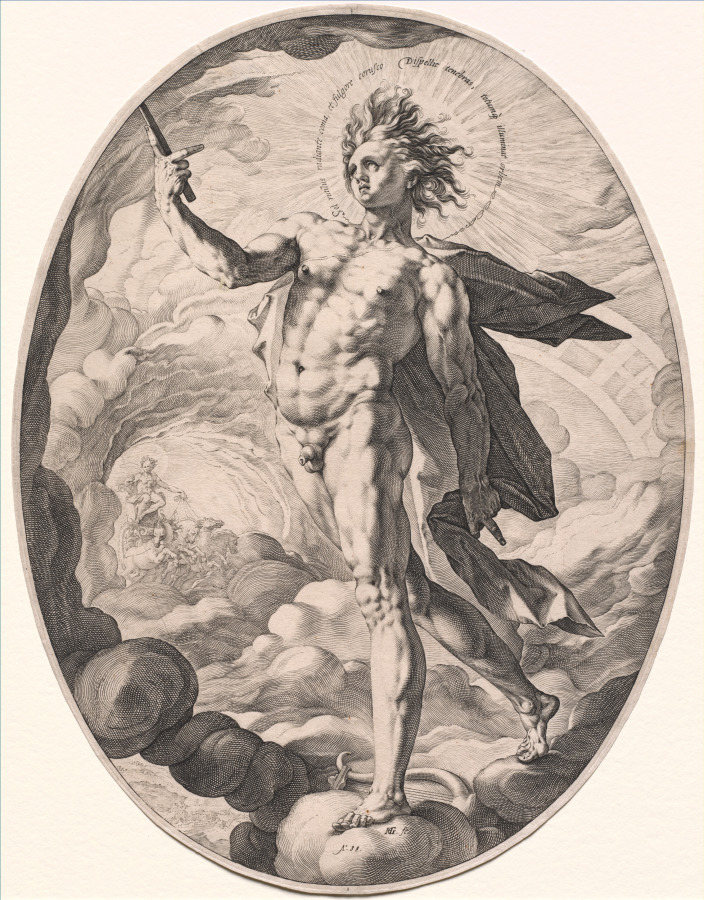
Apollo, Hendrick Goltzius, 1588

Apollo

1588 · The Cleveland Museum of Art

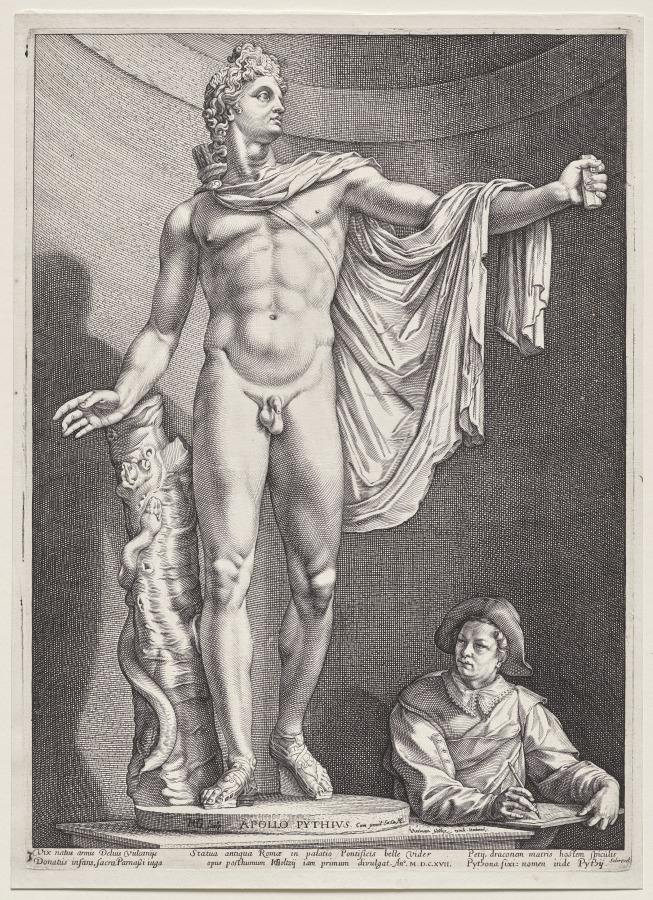
Apollo Belvedere, Hendrick Goltzius, 1592

Apollo Belvedere

1592 · The Cleveland Museum of Art

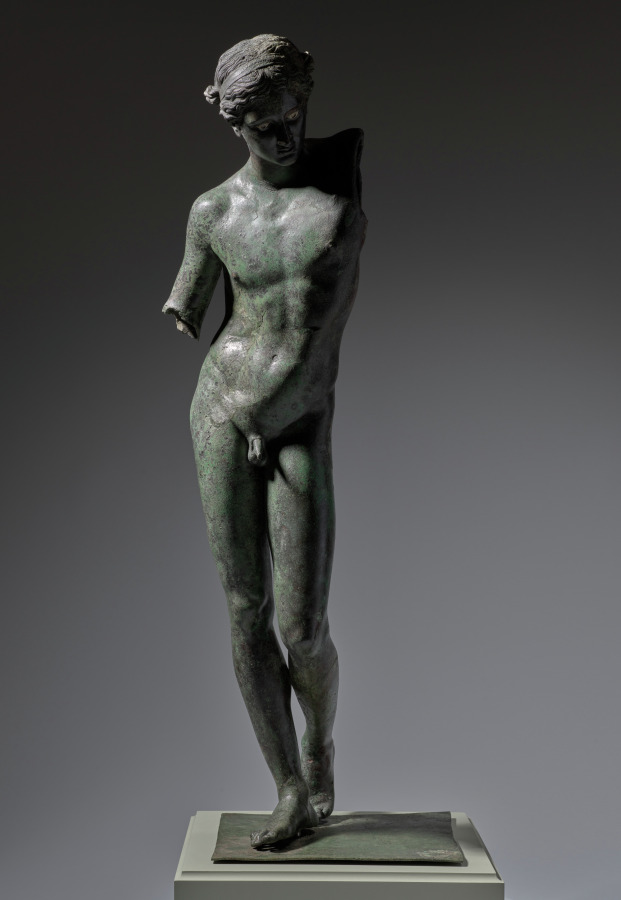
The Cleveland Apollo: Apollo Sauroktonos (Lizard-Slayer) or Apollo the Python-Slayer, Praxiteles, c. 350–200 BCE

Praxiteles

The Cleveland Apollo: Apollo Sauroktonos (Lizard-Slayer) or Apollo the Python-Slayer, c. 350–200 BCE

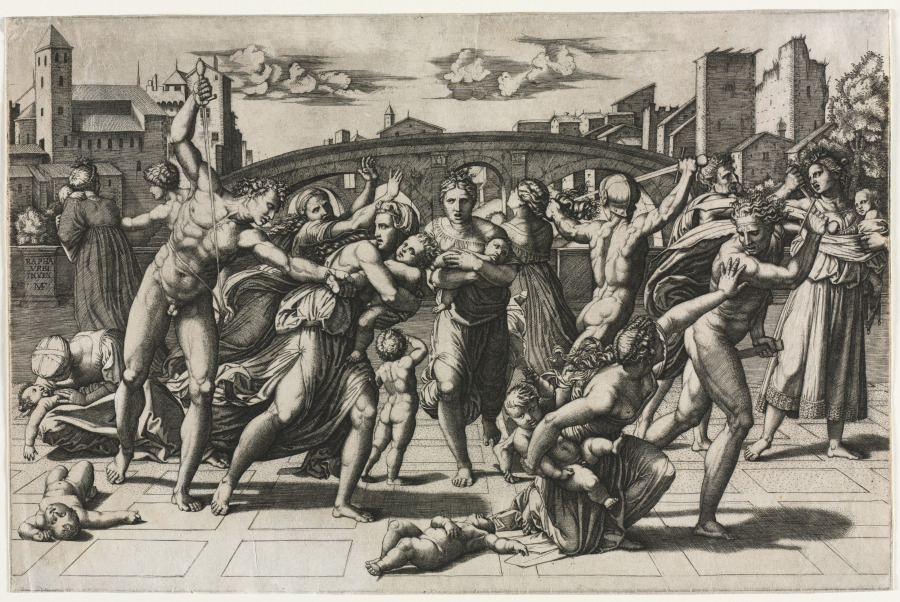
The Massacre of the Innocents (Without the Fir Tree), Marcantonio Raimondi, about 1511–12

Marcantonio Raimondi

The Massacre of the Innocents (Without the Fir Tree), about 1511–12

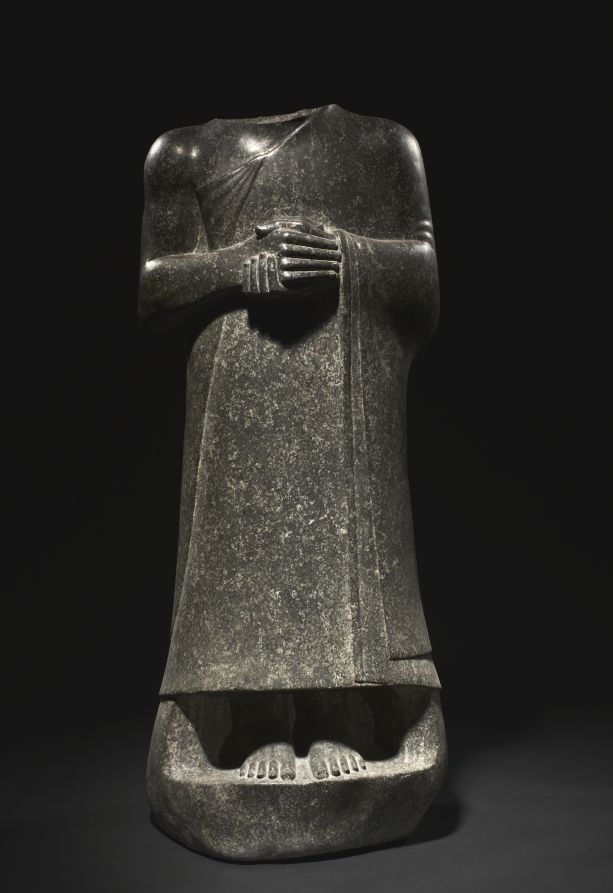
Statue of Gudea, c. 2144–2124 BCE

Statue of Gudea, c. 2144–2124 BCE

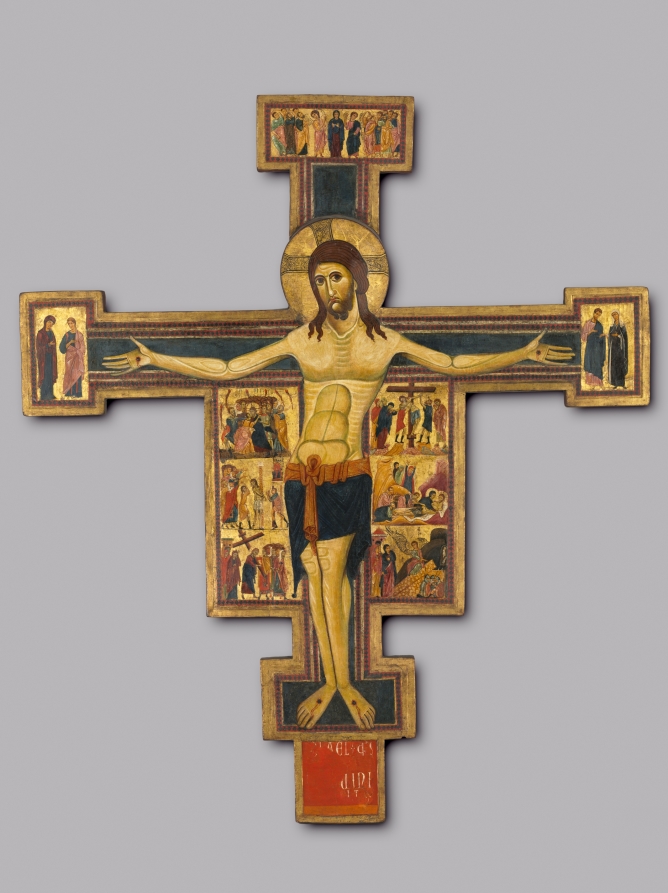
Crucifix with Scenes of the Passion, c. 1230–40

Crucifix with Scenes of the Passion, c. 1230–40

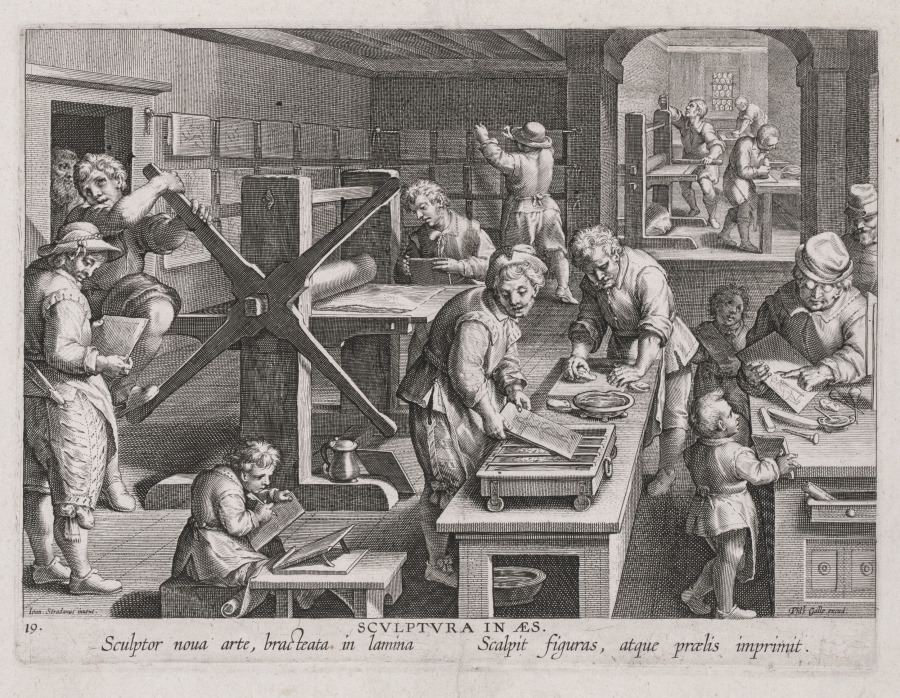
Sculptura in Aes, The Workshop of an Engraver, Jan van der Straet, called Johannes Stradanus, c. 1591

Jan van der Straet, called Johannes Stradanus

Sculptura in Aes, The Workshop of an Engraver, c. 1591

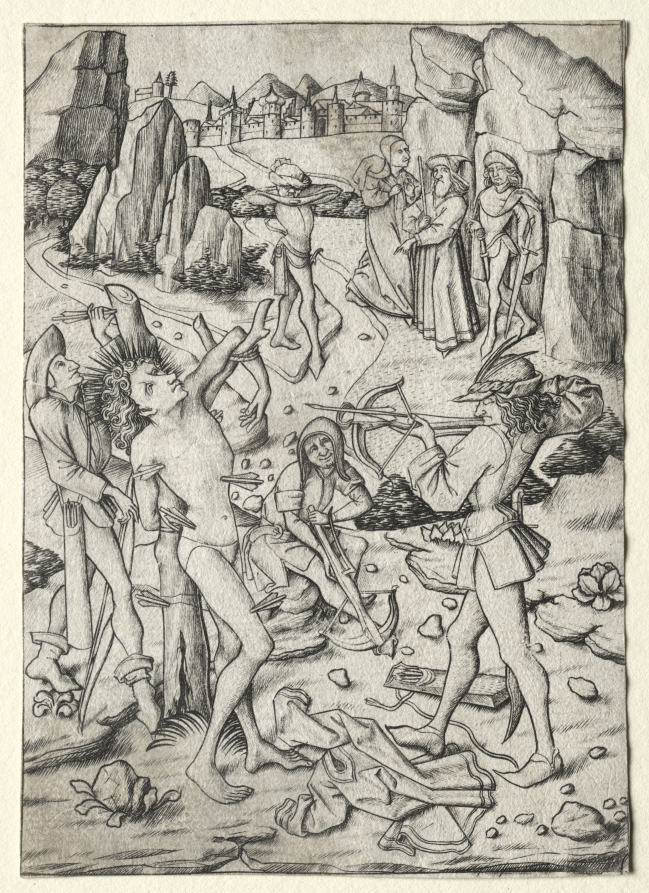
The Martyrdom of St. Sebastian, Master ES, 1450–67

Master ES

The Martyrdom of St. Sebastian, 1450–67

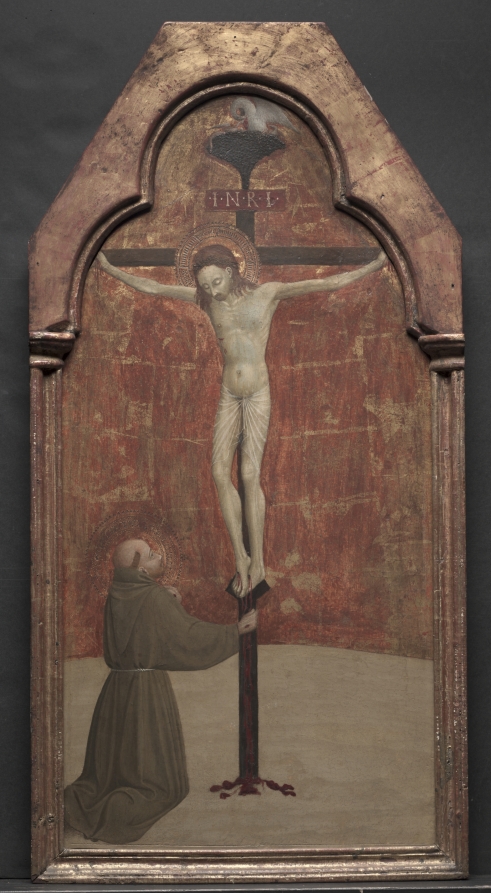
St. Francis Kneeling before Christ on the Cross, Sassetta, 1437–1444

Sassetta

St. Francis Kneeling before Christ on the Cross, 1437–1444

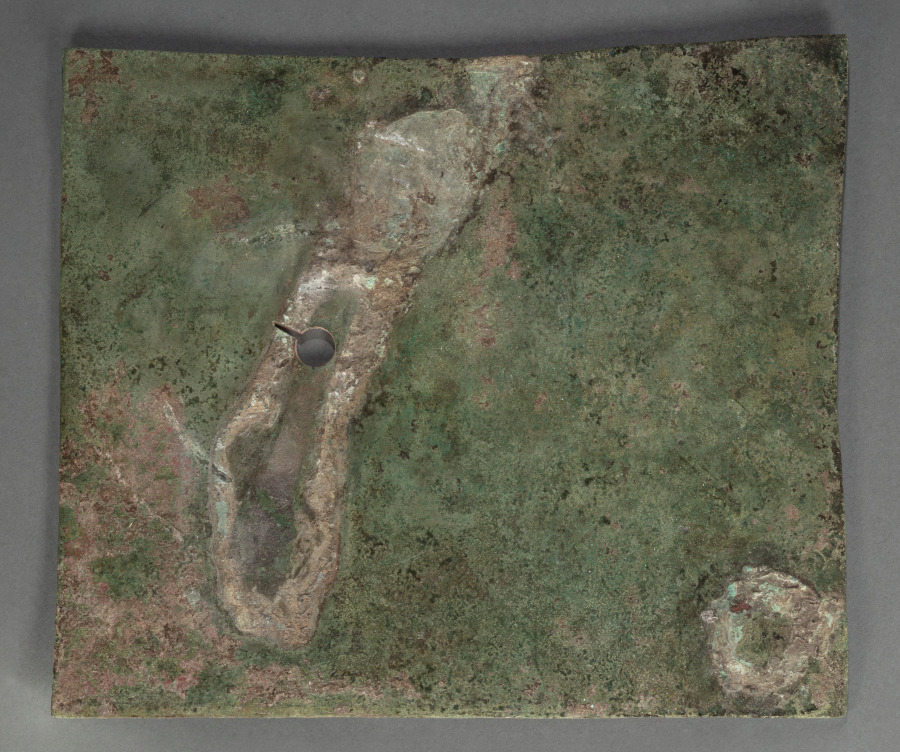
Baseplate for the Cleveland Apollo: Apollo Sauroktonos (Lizard-Slayer) or Apollo the Python-Slayer, Praxiteles, c. 350–200 BCE, or possibly later

Praxiteles

Baseplate for the Cleveland Apollo: Apollo Sauroktonos (Lizard-Slayer) or Apollo the Python-Slayer, c. 350–200 BCE, or possibly later