ART WIKI32,963 on view
MapCollectionArtistsMuseumsExhibitionsJournal
Sign in

ART WIKI

Where the masterpiece hangs, and when they let you in.

Collections: Art Institute of Chicago, Getty Villa, Harvard Art Museums, Hirshhorn Museum and Sculpture Garden, J. Paul Getty Museum, Minneapolis Institute of Art, Musée du Louvre, National Gallery of Art, National Museum of Asian Art, National Portrait Gallery (Smithsonian), Pushkin State Museum of Fine Arts, Rijksmuseum, Smithsonian American Art Museum, SMK — National Gallery of Denmark, State Hermitage Museum, State Russian Museum, The Cleveland Museum of Art, The Metropolitan Museum of Art, The Museum of Modern Art, Tretyakov Gallery, Victoria and Albert Museum, Whitney Museum of American Art, State Catalogue of the Museum Fund of Russia (274 museums), Europeana (19 museums), Wikidata (6 museums), Paris Musées (12 museums), and Joconde, the French Ministry of Culture's museum database (495 museums). Images belong to their rights holders.

Sections

  • Map
  • Search
  • Collection
  • Masterpieces
  • On view now
  • Artists

More

  • Museums & galleries
  • Exhibitions
  • Journal
  • Where the data comes from
  • Privacy & cookies
HomeMapBrowse
  1. Collection/
  2. Minneapolis Institute of Art/
  3. The Fallen Tree
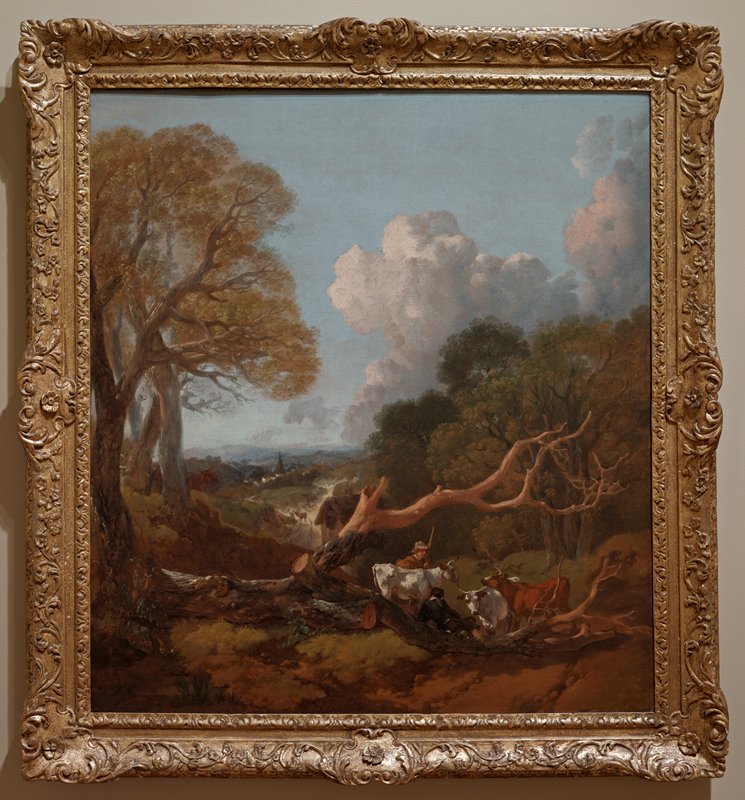
The Fallen Tree, Thomas Gainsborough, c. 1750–53

The Fallen Tree

c. 1750–53 · Painting · 101.6 × 91.44 cm

About the painting

Though best known for his magnificent portraits, Thomas Gainsborough preferred painting “landskips” (as he called them) and played a key role in establishing the importance of landscape in British art. As a young artist he enjoyed the beauties of his native Suffolk countryside, walking the picturesque landscape of the Stour Valley and Cornard Wood with sketchbook in hand. The distant spire behind the fallen tree and grazing cows can be identified as the small parish church of Saint Andrews in Great Cornard, just a kilometer from Gainsborough's house in his hometown of Sudbury (Suffolk).

Minneapolis Institute of Art

Particulars

c. 1750–53
17271788
Accession number
53.1

Meanwhile, in the life of Thomas Gainsborough

The whole life
  1. 1748

    His father dies; back to Sudbury

    Gainsborough's father, John, dies in 1748. With no new commissions coming in London, the painter returns to Sudbury, to the house of his childhood.

  2. c. 1749

    Landscapes do not pay: a turn to portraiture

    Gainsborough has always thought of himself as a landscape painter, but landscapes bring no income: in the England of the day they count as a “low genre”. Around 1749 he unites portrait and landscape in one composition for the first time, in “Mr and Mrs Andrews”.

  3. 31 January 1750

    Daughter born: Mary Gainsborough Fischer

  4. 1751

    Daughter born: Margaret Gainsborough

  5. 1752

    The move to Ipswich

    In 1752 Gainsborough, his wife and their two daughters, Mary (“Molly”) and Margaret (“Peggy”), move to Ipswich. Portrait commissions increase, but his clients are mostly local merchants and squires, and he has to borrow against his wife's annuity of £200, which the Duke of Beaufort had settled on her.

  6. c. 1752 – 1759

    The Ipswich Music Club

    In Ipswich Gainsborough becomes a member of the Music Club, where he meets fellow music lovers and professional musicians; later he will paint portraits of some of them, and a group portrait of the club's members.

More by Thomas Gainsborough

All works

In the same room · G324, Minneapolis Institute of Art

Museum page
Thomas Gainsborough, portraitThomas GainsboroughBritish, 1727–1788

May one see it?

Yes, receiving visitors

Minneapolis Institute of Art

Minneapolis, United States

RoomG324

On public display.

Checked
3 days ago
In this state since
Sep 25, 2026
Source
The museum
On the mapMuseum page

In the catalog

PaintingsOilBritish paintingRococo18th centuryEngland

Sources

  • Minneapolis Institute of Art
  • Image: Minneapolis Institute of Art — public domain
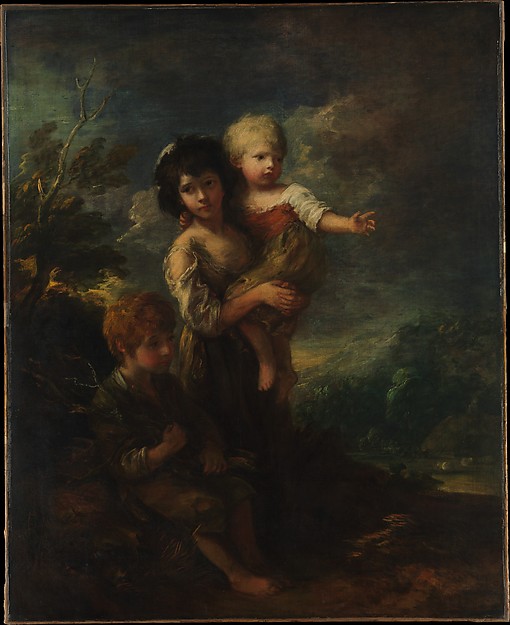
Cottage Children (The Wood Gatherers), Thomas Gainsborough, 1787

Cottage Children (The Wood Gatherers)

1787 · The Metropolitan Museum of Art

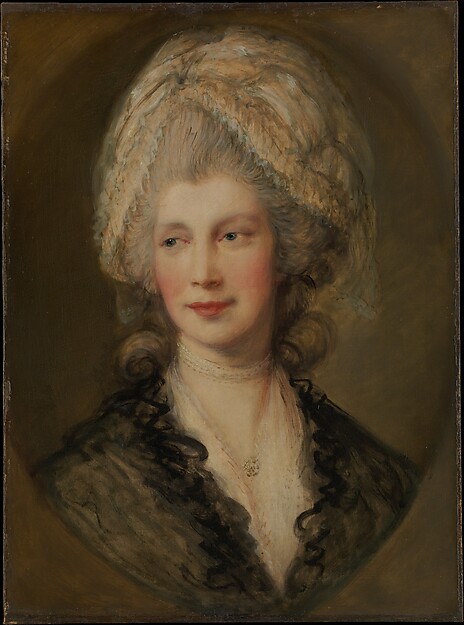
Queen Charlotte, Thomas Gainsborough

Queen Charlotte

The Metropolitan Museum of Art

Master John Heathcote, Thomas Gainsborough, c. 1771/1772

Master John Heathcote

c. 1771/1772 · National Gallery of Art

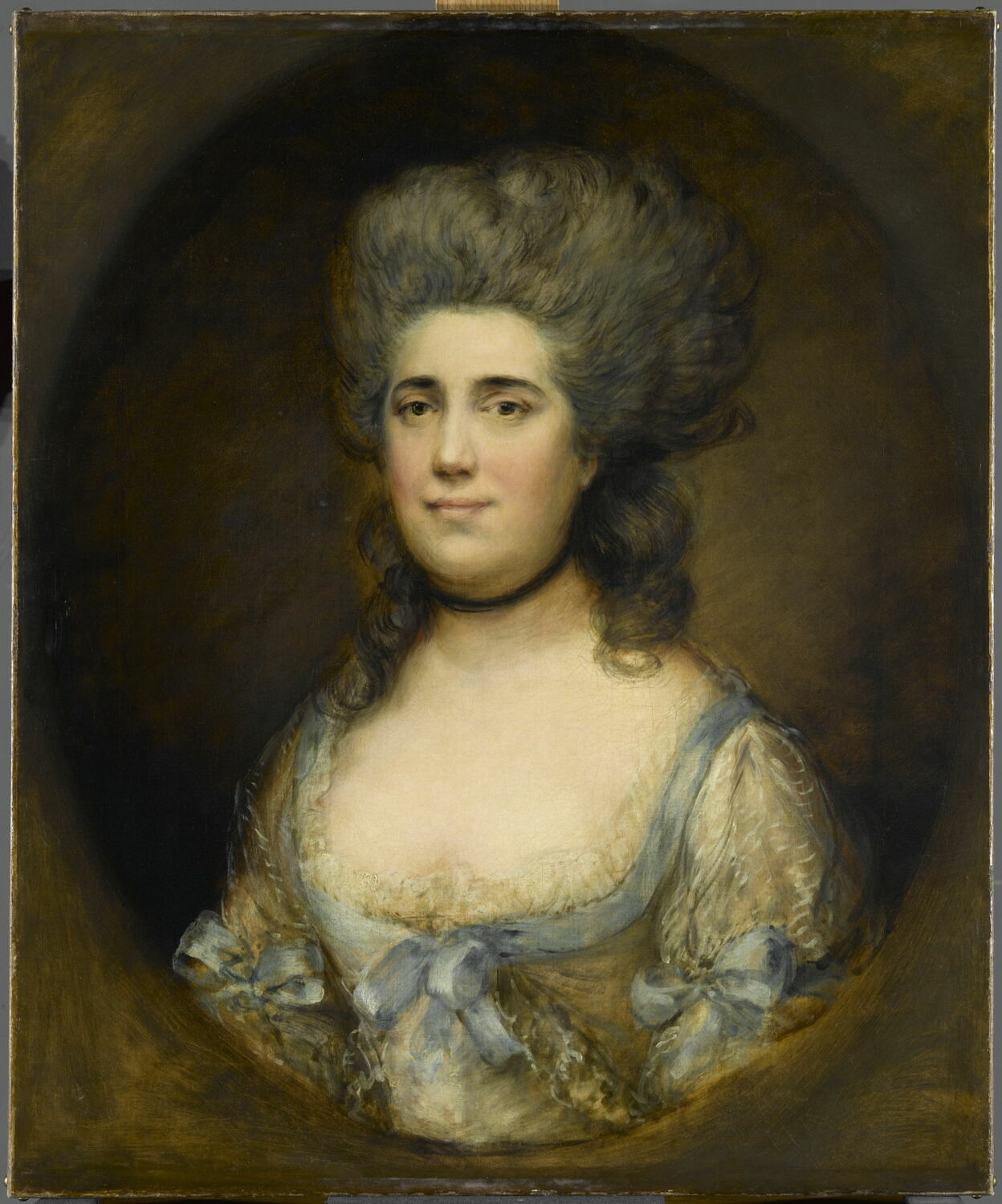
Portrait de Miss Elizabeth Ann Gosset, Gainsborough, Thomas, 3e tiers du XVIIIe siècle (avant 1772)

Portrait de Miss Elizabeth Ann Gosset

last third of the 18th century (before 1772) · Musée du Louvre

The Hon. Mrs. Thomas Graham, Thomas Gainsborough, c. 1775/1777

The Hon. Mrs. Thomas Graham

c. 1775/1777 · National Gallery of Art

Portrait of Anne, Countess of Chesterfield, Thomas Gainsborough, 1777–1778

Portrait of Anne, Countess of Chesterfield

1777–1778 · J. Paul Getty Museum

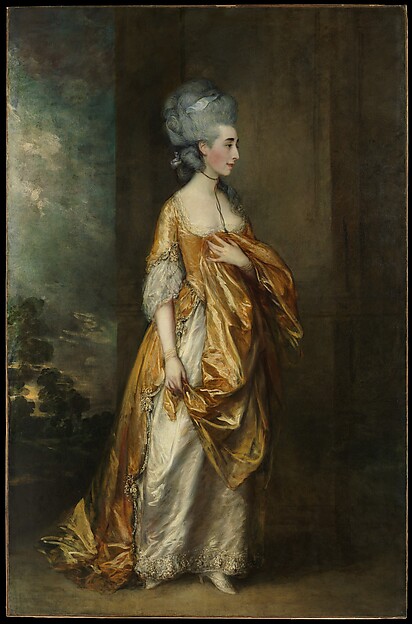
Mrs. Grace Dalrymple Elliott (1754?–1823), Thomas Gainsborough, 1778

Mrs. Grace Dalrymple Elliott (1754?–1823)

1778 · The Metropolitan Museum of Art

Portrait of a Lady in Blue, Thomas Gainsborough, 1780

Portrait of a Lady in Blue

1780 · State Hermitage Museum

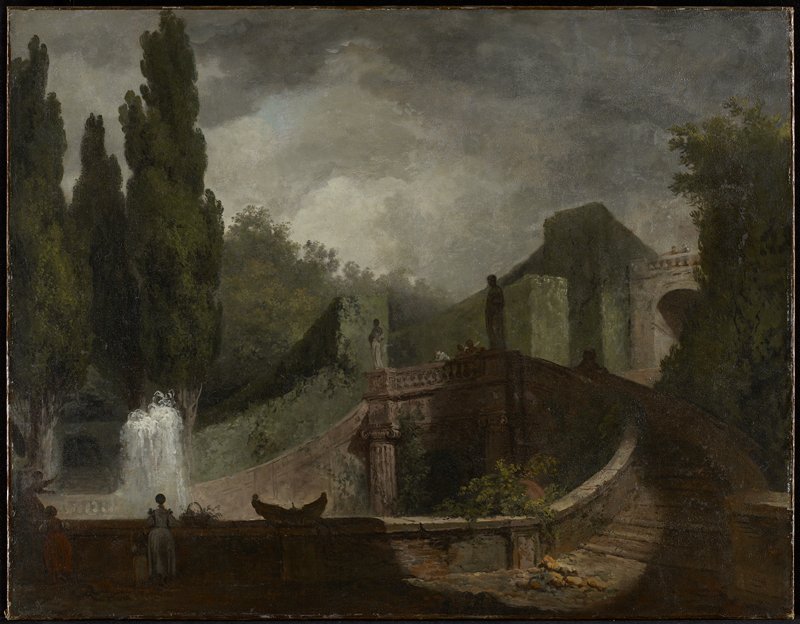
The Grand Staircase of the Villa d'Este at Tivoli, Jean-Honoré Fragonard, 1760

Jean-Honoré Fragonard

The Grand Staircase of the Villa d'Este at Tivoli, 1760

Miss Phillis Hurrell (1746–1836), Sir Joshua Reynolds, 1762

Simon François Ravenet

Miss Phillis Hurrell (1746–1836), 1762

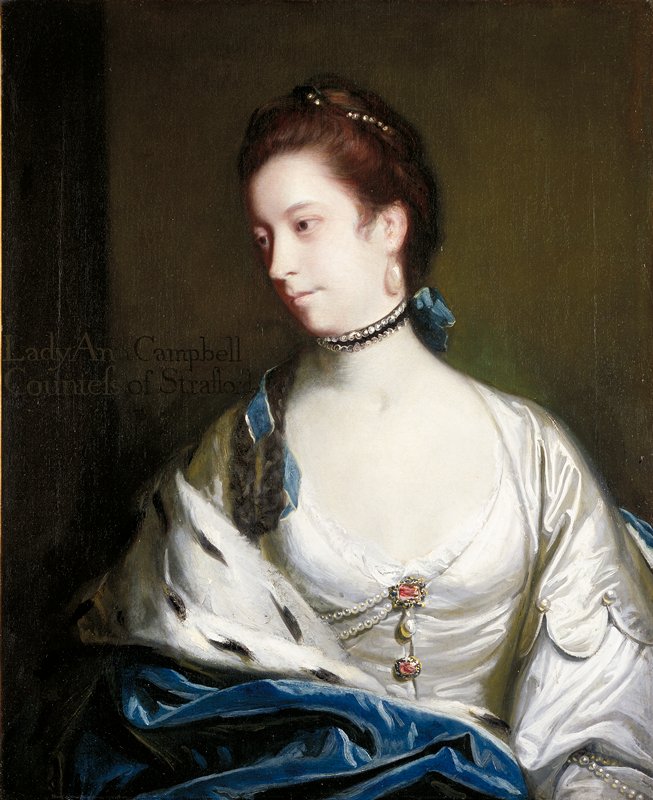
Anne, Countess of Strafford, Sir Joshua Reynolds, 1758–59

Simon François Ravenet

Anne, Countess of Strafford, 1758–59

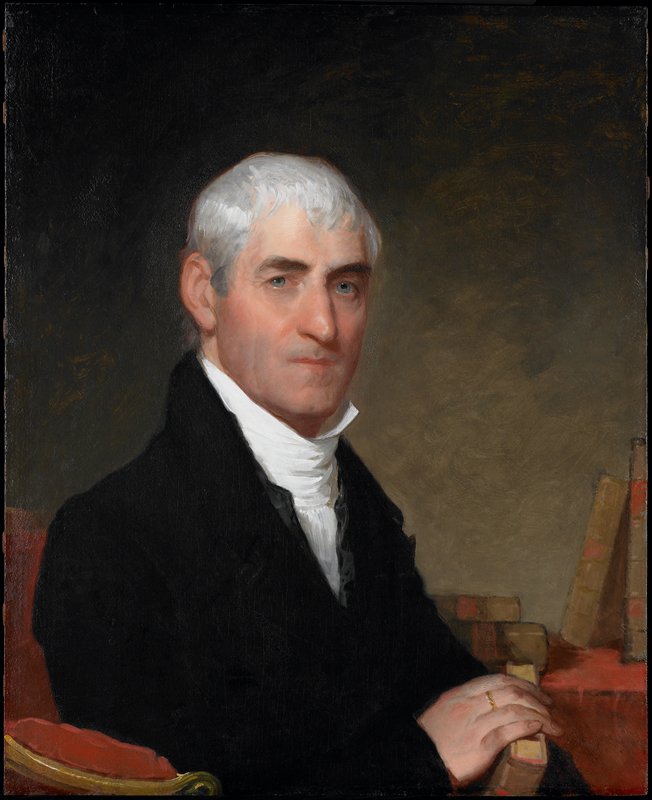
Portrait of Judge Daniel Cony of Maine, Gilbert Stuart, c. 1815

Gilbert Stuart

Portrait of Judge Daniel Cony of Maine, c. 1815

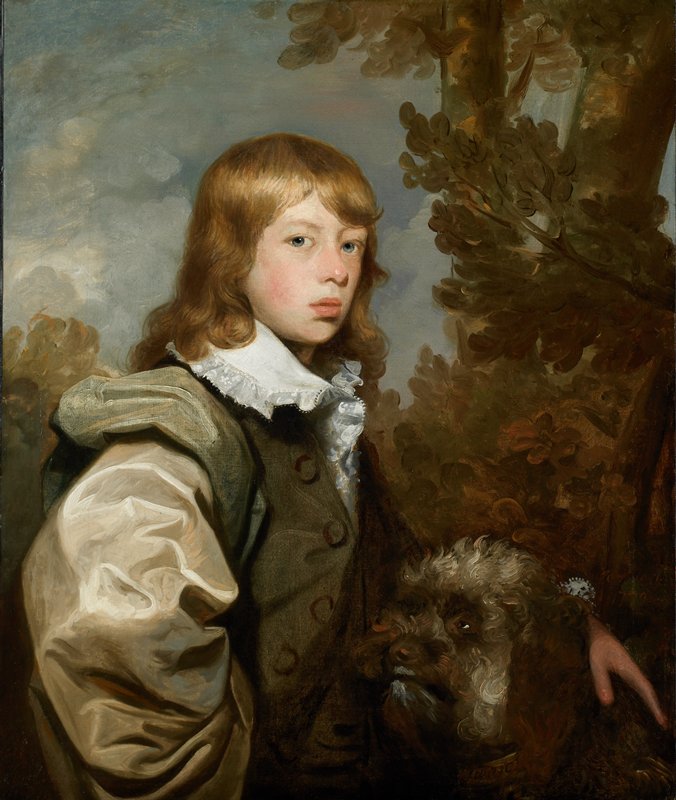
Portrait of James Ward, Gilbert Stuart, 1779

Gilbert Stuart

Portrait of James Ward, 1779

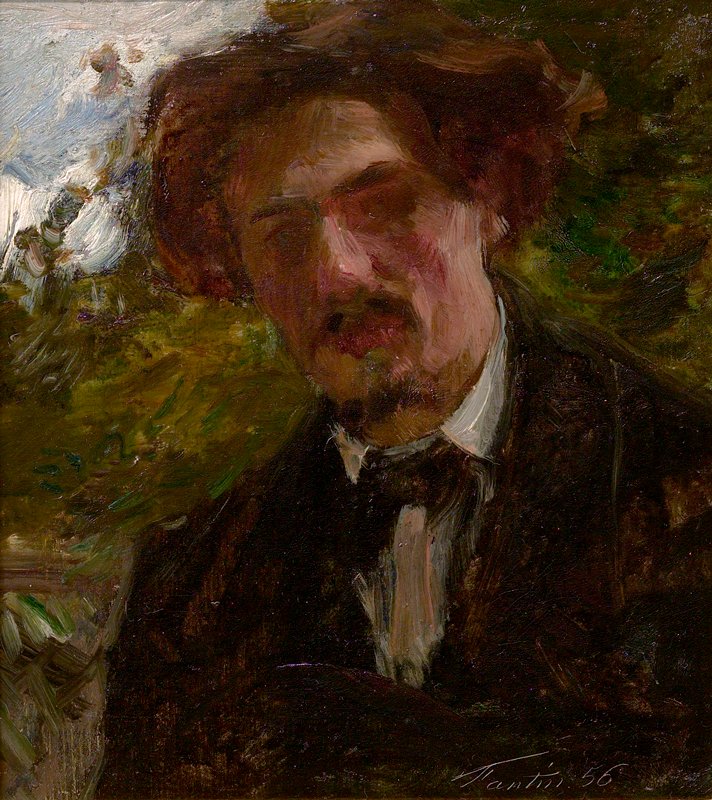
Portrait of the Artist Alphonse Legros, Henri Fantin-Latour, 1856

Henri Fantin-Latour

Portrait of the Artist Alphonse Legros, 1856

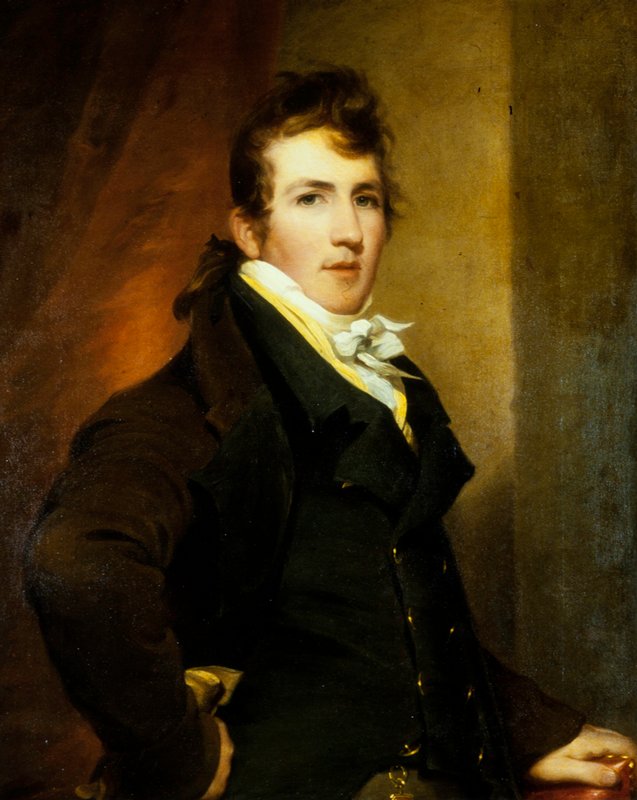
Portrait of Robert Erwin Gray, Thomas Sully, 1811

Thomas Sully

Portrait of Robert Erwin Gray, 1811

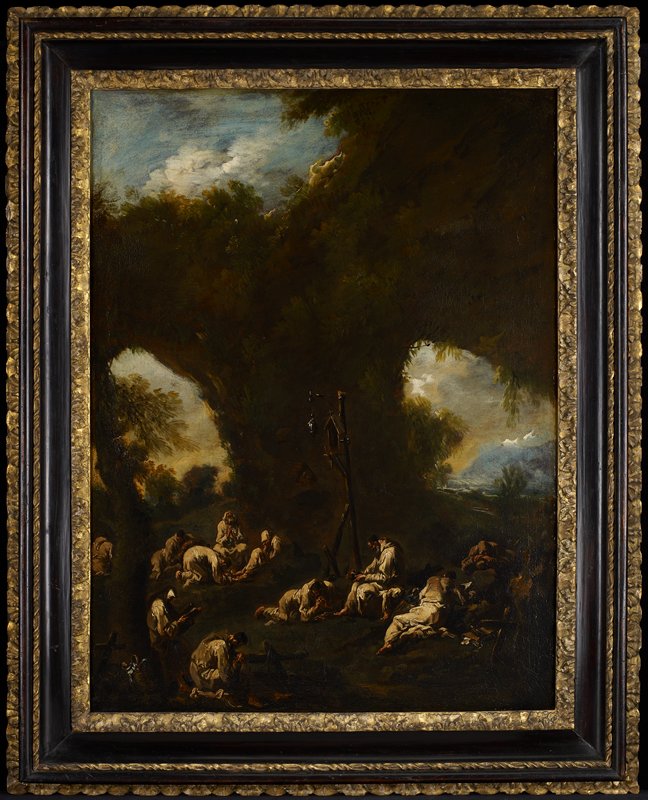
Monks Praying in a Grotto, Alessandro Magnasco, c. 1705–06

Alessandro Magnasco

Monks Praying in a Grotto, c. 1705–06