ART WIKI33,040 on view
MapCollectionArtistsMuseumsExhibitionsJournal
Sign in

ART WIKI

Where the masterpiece hangs, and when they let you in.

Collections: Art Institute of Chicago, Getty Villa, Harvard Art Museums, Hirshhorn Museum and Sculpture Garden, J. Paul Getty Museum, Minneapolis Institute of Art, Musée du Louvre, National Gallery of Art, National Museum of Asian Art, National Portrait Gallery (Smithsonian), Pushkin State Museum of Fine Arts, Rijksmuseum, Smithsonian American Art Museum, SMK — National Gallery of Denmark, State Hermitage Museum, State Russian Museum, The Cleveland Museum of Art, The Metropolitan Museum of Art, The Museum of Modern Art, Tretyakov Gallery, Victoria and Albert Museum, Whitney Museum of American Art, State Catalogue of the Museum Fund of Russia (274 museums), Europeana (19 museums), Wikidata (6 museums), Paris Musées (12 museums), and Joconde, the French Ministry of Culture's museum database (495 museums). Images belong to their rights holders.

Sections

  • Map
  • Search
  • Collection
  • Masterpieces
  • On view now
  • Artists

More

  • Museums & galleries
  • Exhibitions
  • Journal
  • Where the data comes from
  • Privacy & cookies
HomeMapBrowse
  1. Collection/
  2. The Cleveland Museum of Art/
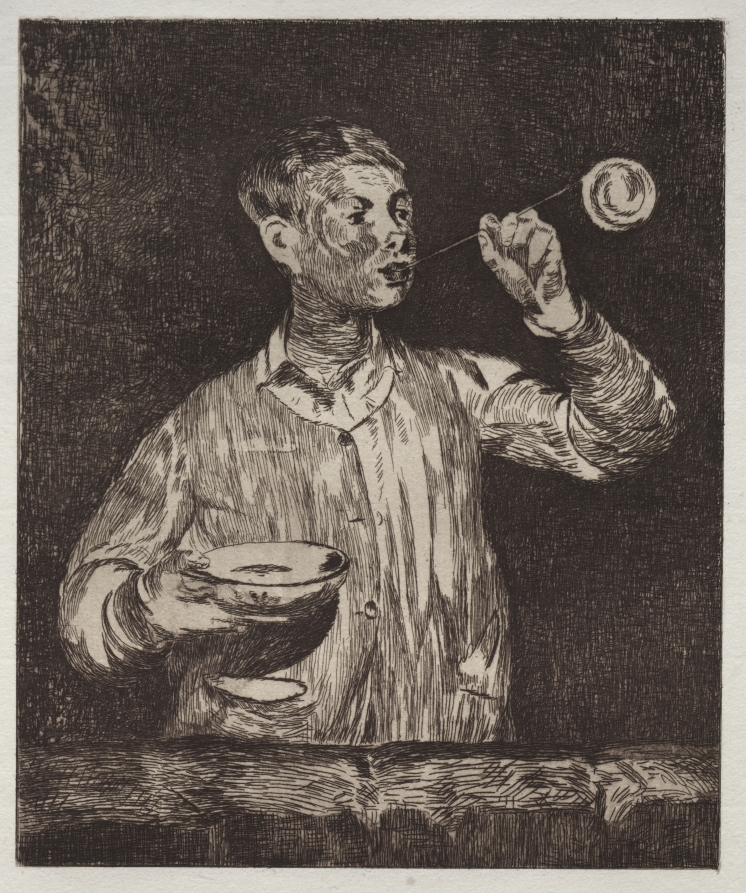
  3. The Boy with soap bubbles
The Boy with soap bubbles, Édouard Manet, 1868–69
Édouard Manet, portraitÉdouard ManetFrench, 1832–1883

The Boy with soap bubbles

1868–69 · Print

May one see it?

Not receiving at present

The Cleveland Museum of Art

Cleveland, United States

It belongs to the collection, but is not on display at present.

Checked
9 days ago
In this state since
Aug 19, 2026
Source
The museum
On the mapMuseum page

Particulars

1868–69
18321883
Accession number
1923.1109

In the catalog

PrintsEtchingRealismImpressionism19th centuryFrance, 19th century

Sources

  • The Cleveland Museum of Art
  • Image: The Cleveland Museum of Art — Museum open access

Meanwhile, in the life of Édouard Manet

The whole life
  1. 1867

    His own pavilion near the Pont de l'Alma

    In 1867, during the World's Fair in Paris, Manet set up his own pavilion near the Pont de l'Alma and showed fifty of his best works of the past ten years. Possibly this step led to his works being accepted at the next two Salons.

  2. 1867

    Zola defends Manet in print

    In 1867 Émile Zola, who supported Manet publicly in the press, wrote that the public was not accustomed to such simple and direct translations of reality and that this luminous and serious painting interprets nature with a gentle brutality.

  3. 1867

    First contacts with the future Impressionists

    When Manet was excluded from the International Exhibition of 1867 he set up his own; it was enormously expensive, his mother worried he would waste his inheritance, and it earned poor reviews from the major critics, but it provided his first contacts with several future Impressionist painters, including Degas.

  4. 1868

    Friendship with Berthe Morisot

    In 1868 Manet became a friend and colleague of Berthe Morisot; she is credited with convincing him to attempt plein air painting, to which Camille Corot had introduced her. Through Morisot, Manet became friends with Degas, Monet, Renoir, Sisley, Cézanne and Pissarro.

  5. 1870

    The siege of Paris: Manet in the army

    During the siege of Paris Manet, a convinced republican, sent his family to Oloron-Sainte-Marie in the south of France, while he himself, with many fellow artists, joined the army and took part in the defence of the capital; he was lucky to survive.

  6. 1870s

    Refuses to exhibit with the Impressionists

    Although his own work influenced and anticipated the Impressionist style, Manet resisted involvement in Impressionist exhibitions: he did not wish to be seen as the representative of a group identity and held that modern artists should seek to exhibit at the Salon.

More by Édouard Manet

All works
The Spanish Singer, Edouard Manet, 1860

The Spanish Singer

1860 · The Metropolitan Museum of Art

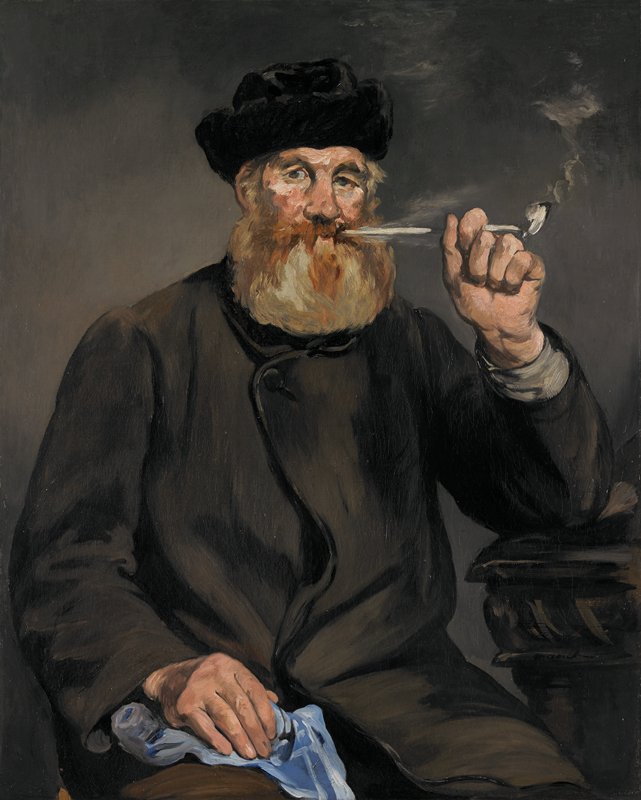
The Smoker, Édouard Manet, 1866

The Smoker

1866 · Minneapolis Institute of Art

Young Lady in 1866, Edouard Manet, 1866

Young Lady in 1866

1866 · The Metropolitan Museum of Art

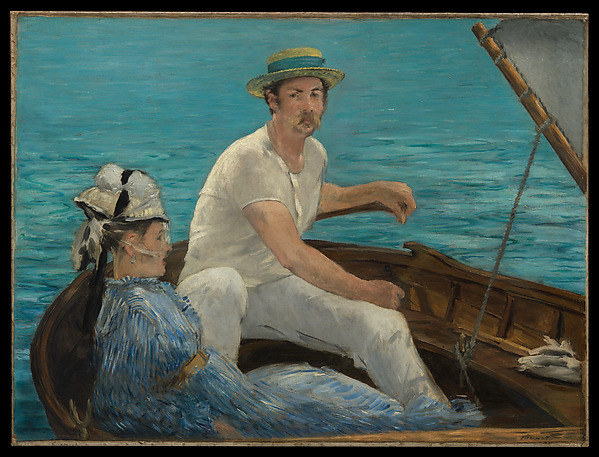
Boating, Edouard Manet, 1874

Boating

1874 · The Metropolitan Museum of Art

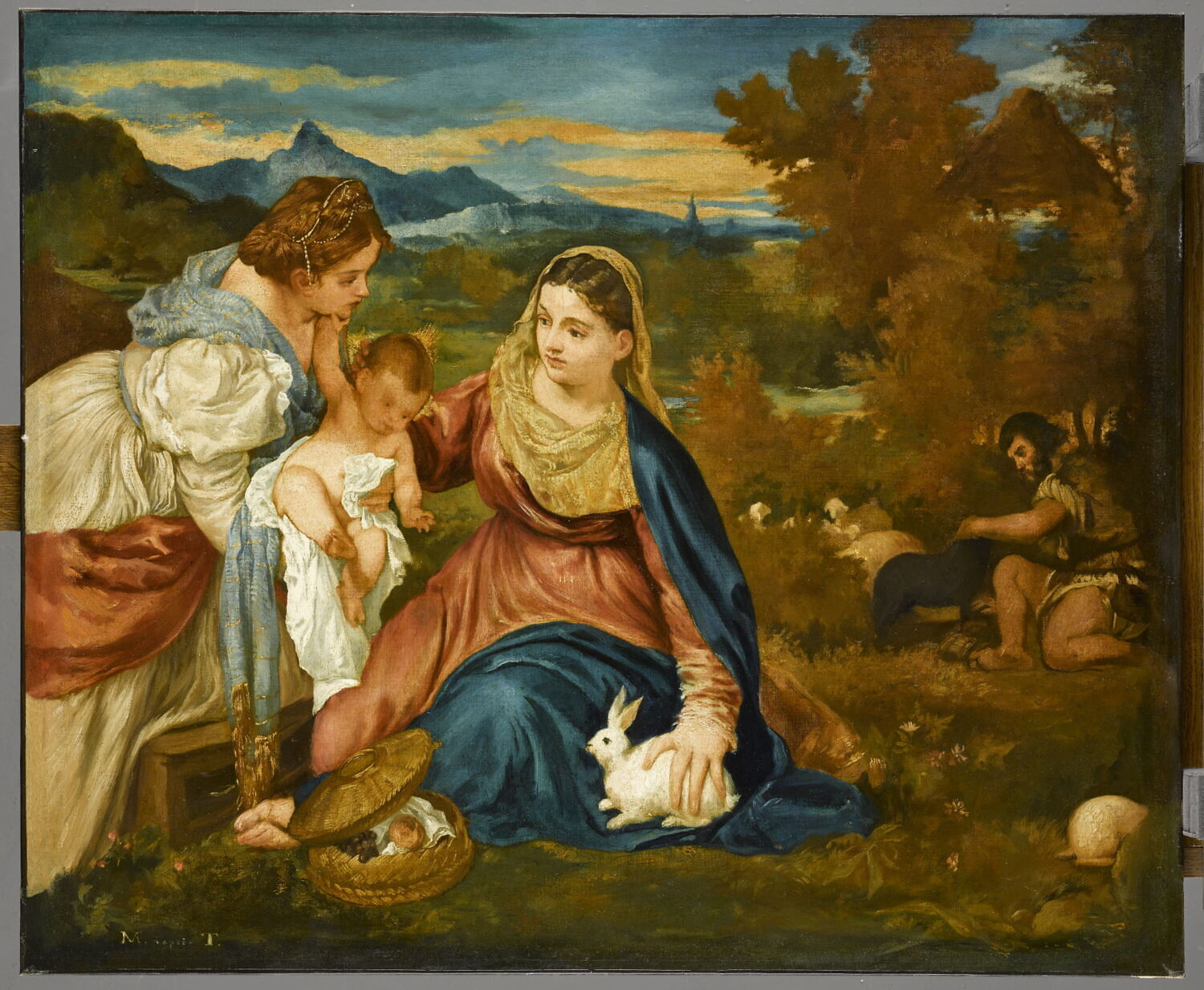
La Vierge au lapin, Manet, Édouard, Milieu du XIXe siècle (1840 - 1860)

La Vierge au lapin

mid 19th century (1840–1860) · Musée du Louvre

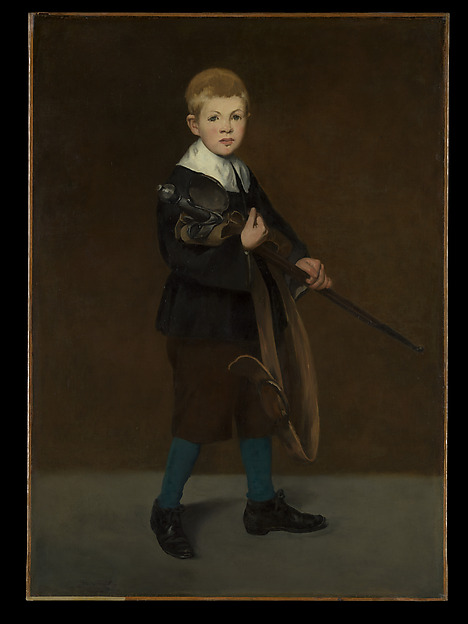
Boy with a Sword, Edouard Manet, 1861

Boy Carrying a Sword

1861 · The Metropolitan Museum of Art

Portrait of Madame Brunet, Édouard Manet, about 1861–1863, reworked by 1867

Portrait of Madame Brunet

about 1861–1863, reworked by 1867 · J. Paul Getty Museum

The Old Musician, Edouard Manet, 1862

The Old Musician

1862 · National Gallery of Art

Neighbors at The Cleveland Museum of Art

Museum page
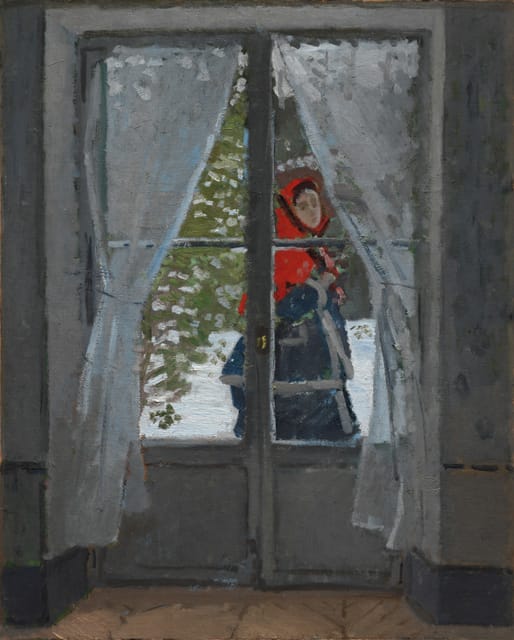
The Red Kerchief, Claude Monet, c. 1868–73

Claude Monet

The Red Kerchief, c. 1868–73

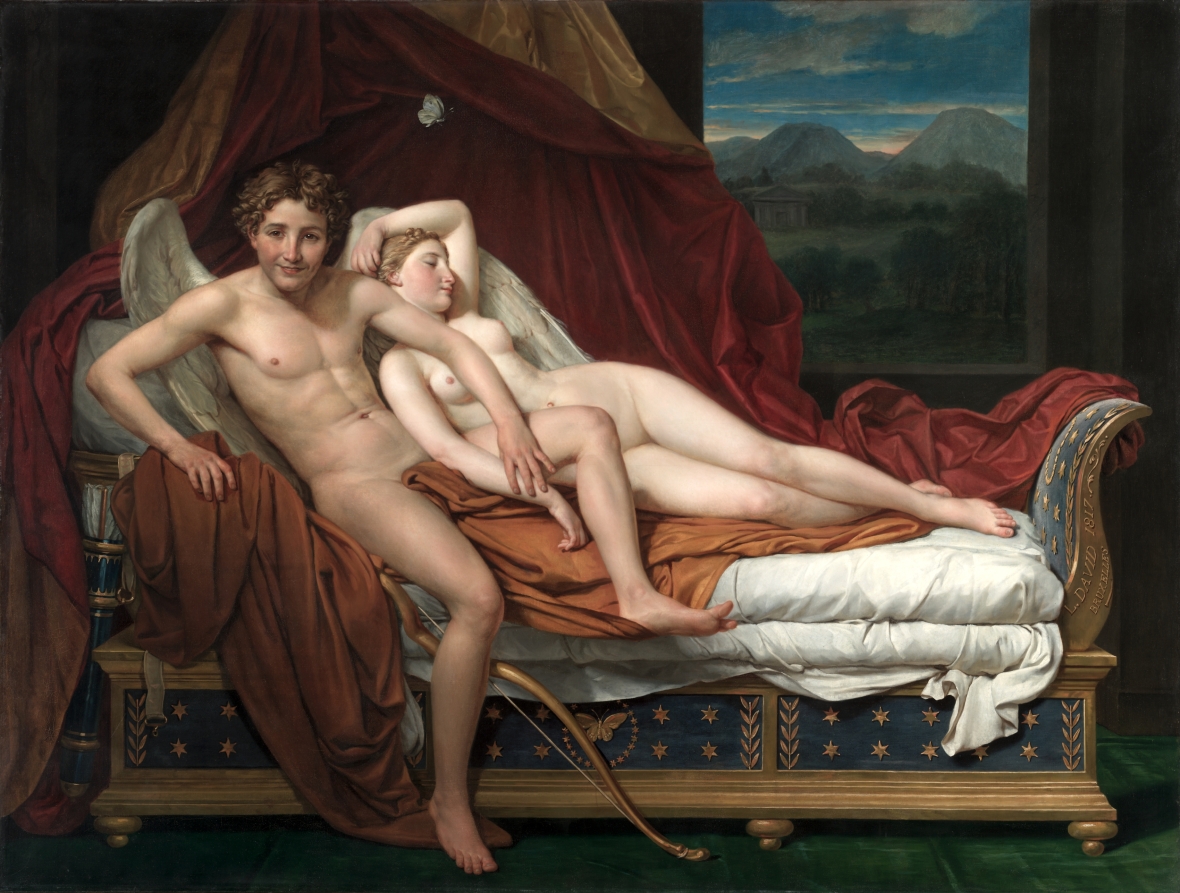
Cupid and Psyche, Jacques-Louis David, 1817

Jacques-Louis David

Cupid and Psyche, 1817

Mars, Venus, and Eros, Marcantonio Raimondi possibly after Andrea Mantegna, 1508

Andrea Mantegna

Mars, Venus, and Eros, 1508

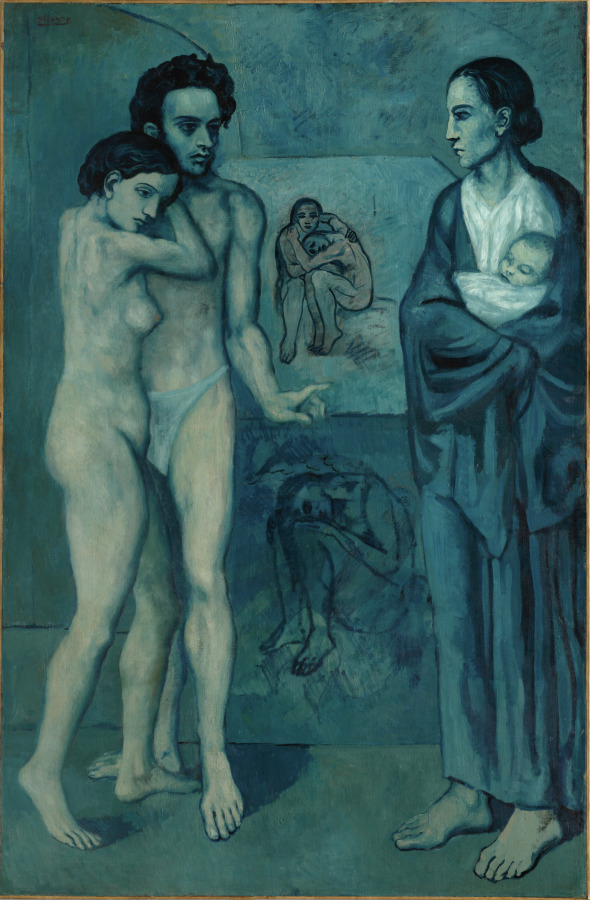
La Vie, Pablo Picasso, 1903

Pablo Picasso

La Vie, 1903

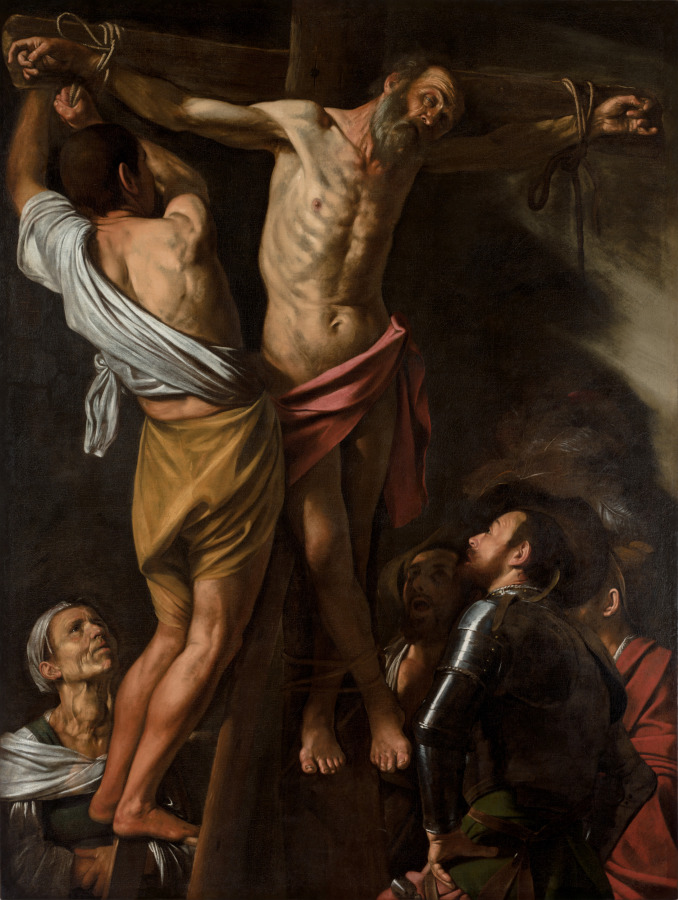
The Crucifixion of Saint Andrew, Caravaggio, 1606–7

Caravaggio

The Crucifixion of Saint Andrew, 1606–7

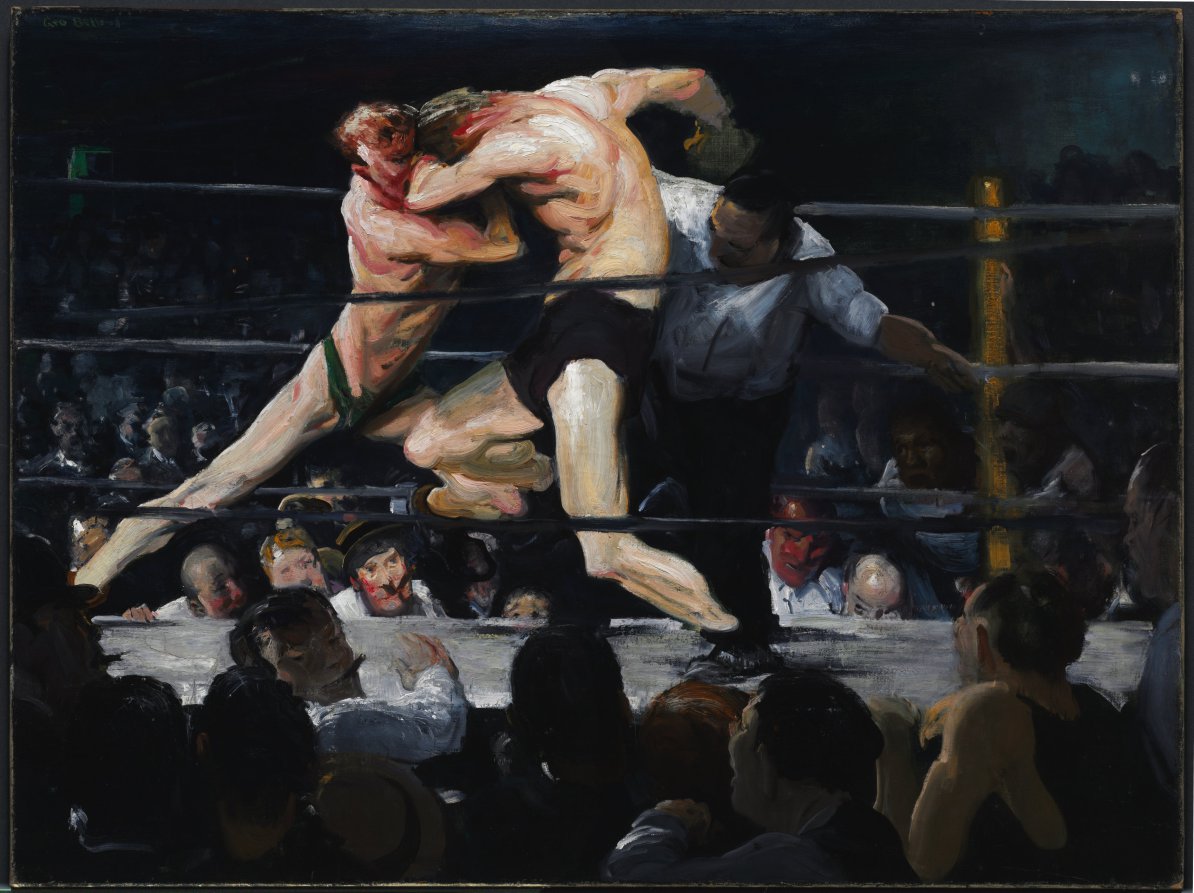
Stag at Sharkey's, George Bellows, 1909

George Bellows

Stag at Sharkey's, 1909

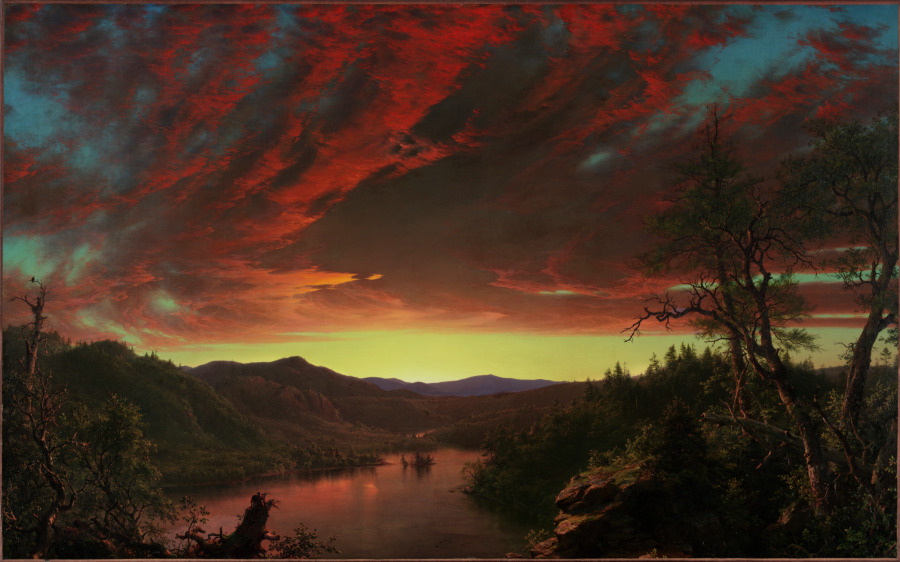
Twilight in the Wilderness, Frederic Edwin Church, 1860

Frederic Edwin Church

Twilight in the Wilderness, 1860

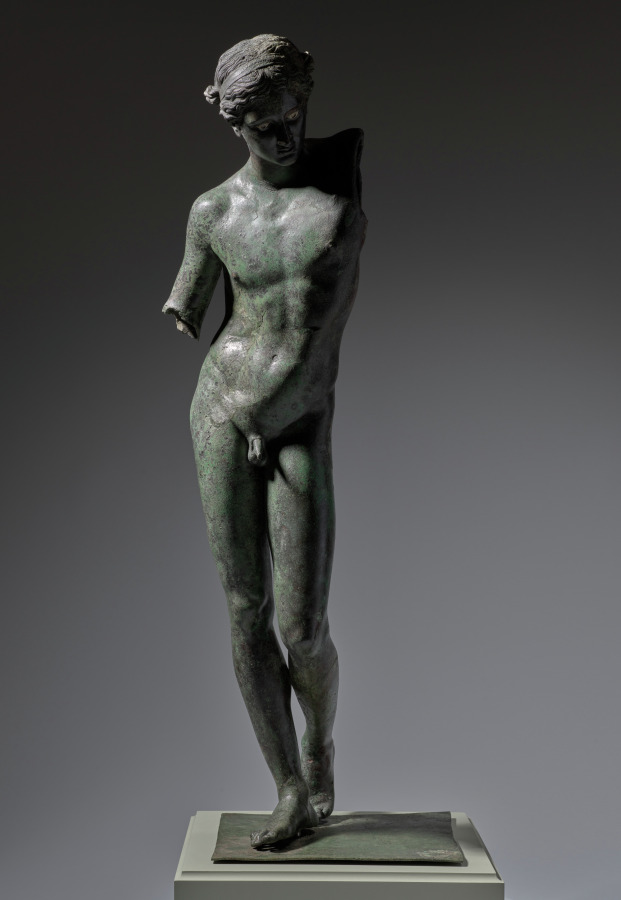
The Cleveland Apollo: Apollo Sauroktonos (Lizard-Slayer) or Apollo the Python-Slayer, Praxiteles, c. 350–200 BCE

Praxiteles

The Cleveland Apollo: Apollo Sauroktonos (Lizard-Slayer) or Apollo the Python-Slayer, c. 350–200 BCE