ART WIKI32,963 on view
MapCollectionArtistsMuseumsExhibitionsJournal
Sign in

ART WIKI

Where the masterpiece hangs, and when they let you in.

Collections: Art Institute of Chicago, Getty Villa, Harvard Art Museums, Hirshhorn Museum and Sculpture Garden, J. Paul Getty Museum, Minneapolis Institute of Art, Musée du Louvre, National Gallery of Art, National Museum of Asian Art, National Portrait Gallery (Smithsonian), Pushkin State Museum of Fine Arts, Rijksmuseum, Smithsonian American Art Museum, SMK — National Gallery of Denmark, State Hermitage Museum, State Russian Museum, The Cleveland Museum of Art, The Metropolitan Museum of Art, The Museum of Modern Art, Tretyakov Gallery, Victoria and Albert Museum, Whitney Museum of American Art, State Catalogue of the Museum Fund of Russia (274 museums), Europeana (19 museums), Wikidata (6 museums), Paris Musées (12 museums), and Joconde, the French Ministry of Culture's museum database (495 museums). Images belong to their rights holders.

Sections

  • Map
  • Search
  • Collection
  • Masterpieces
  • On view now
  • Artists

More

  • Museums & galleries
  • Exhibitions
  • Journal
  • Where the data comes from
  • Privacy & cookies
HomeMapBrowse
  1. Collection/
  2. Harvard Art Museums/
  3. The Blind Singer
The Blind Singer, William Henry Johnson, c 1945
Johnson, William H., portraitJohnson, William H.American, 1901–1970

The Blind Singer

c 1945 · Print

May one see it?

Not receiving at present

Harvard Art Museums

Cambridge, United States

It belongs to the collection, but is not on display at present.

Checked
3 days ago
In this state since
Sep 27, 2026
Source
The museum
On the mapMuseum page

About the work

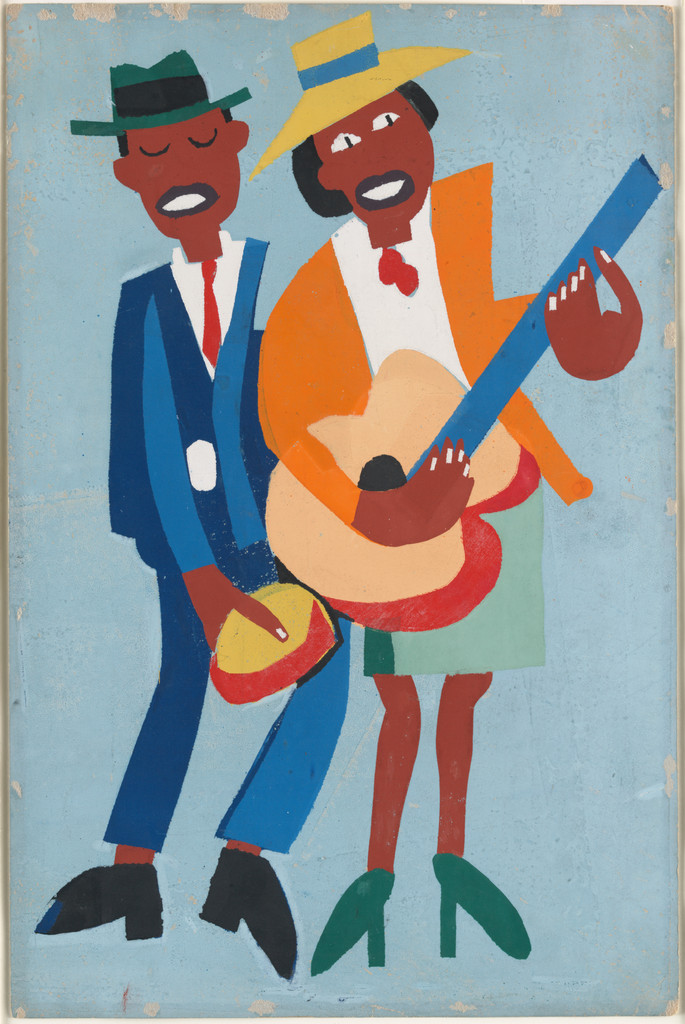
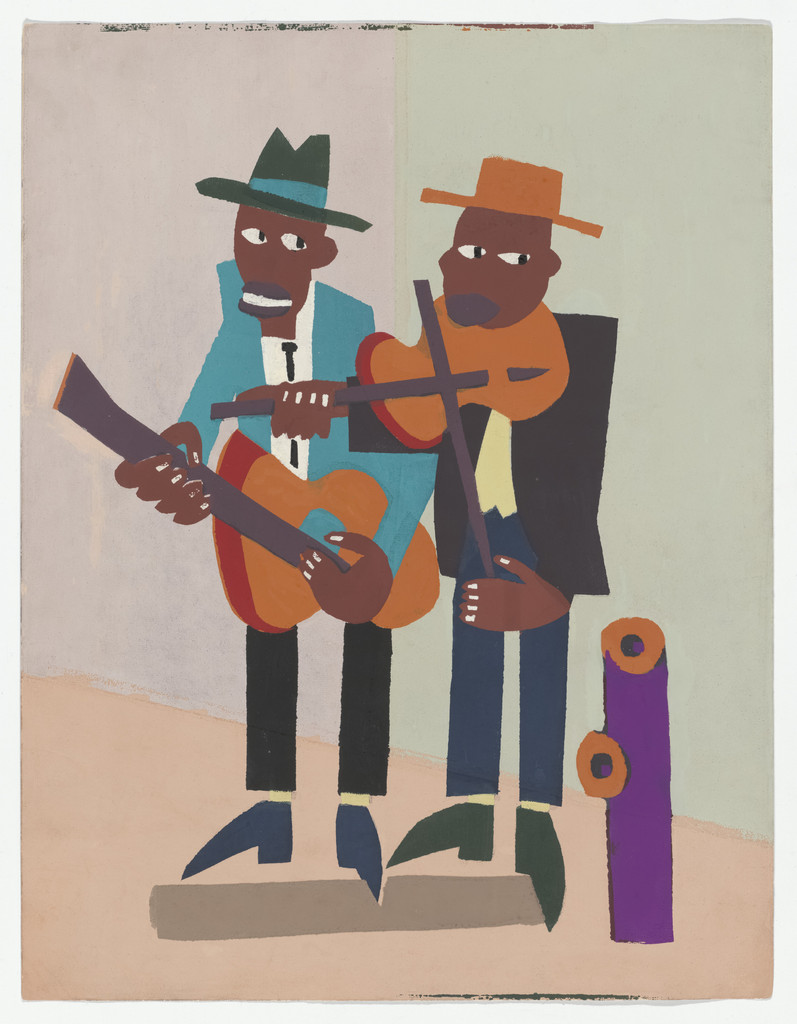
The screenprint, Blind Singer, is the first work by William Henry Johnson to enter the collection of the Harvard Art Museum. After studying at the National Academy of Design in New York under Charles Hawthorne in the 1920s, Johnson traveled to France where he began working in a less academic style. After a brief return to New York where he experienced intense racism, he returned to Europe in 1930 and began his travels through northern Europe-Denmark, Norway, and Sweden. He remained in Scandinavia until 1938 when political unrest prompted another return to New York. Exposure to the Expressionism of such northern European artists as Nolde and Munch had a lasting influence on his work. Upon his return to the US, Johnson took a WPA job teaching at the Harlem Community Art Center, where he was introduced to the technique of screen printing.

Read on

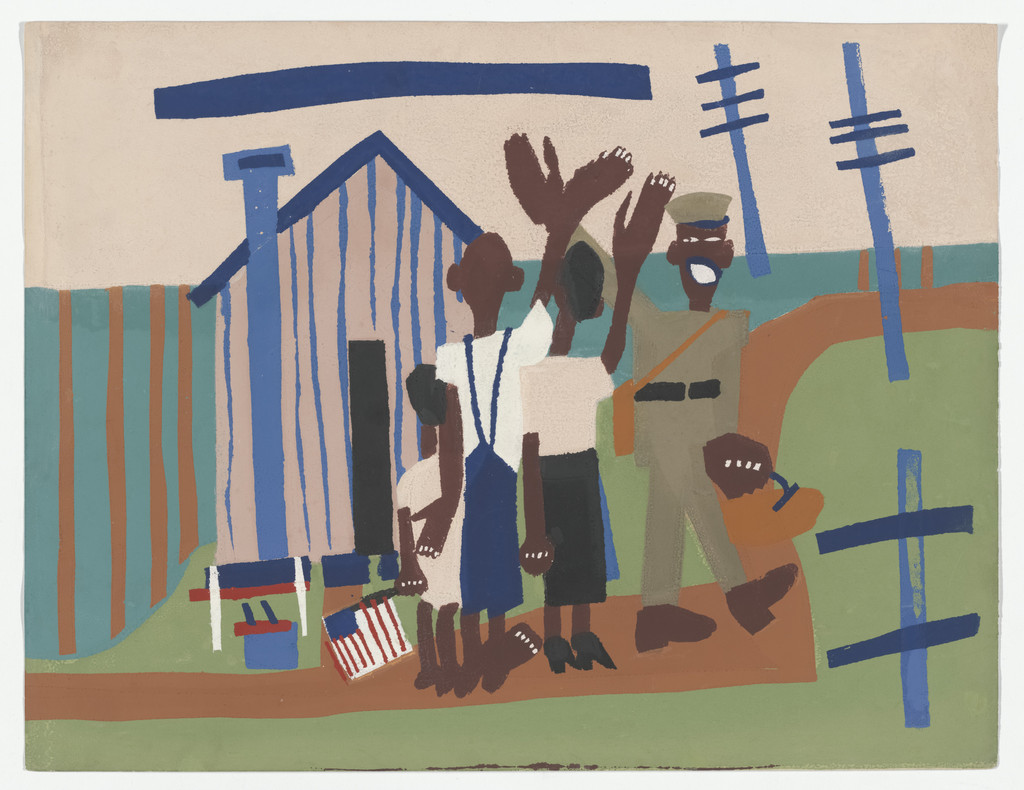
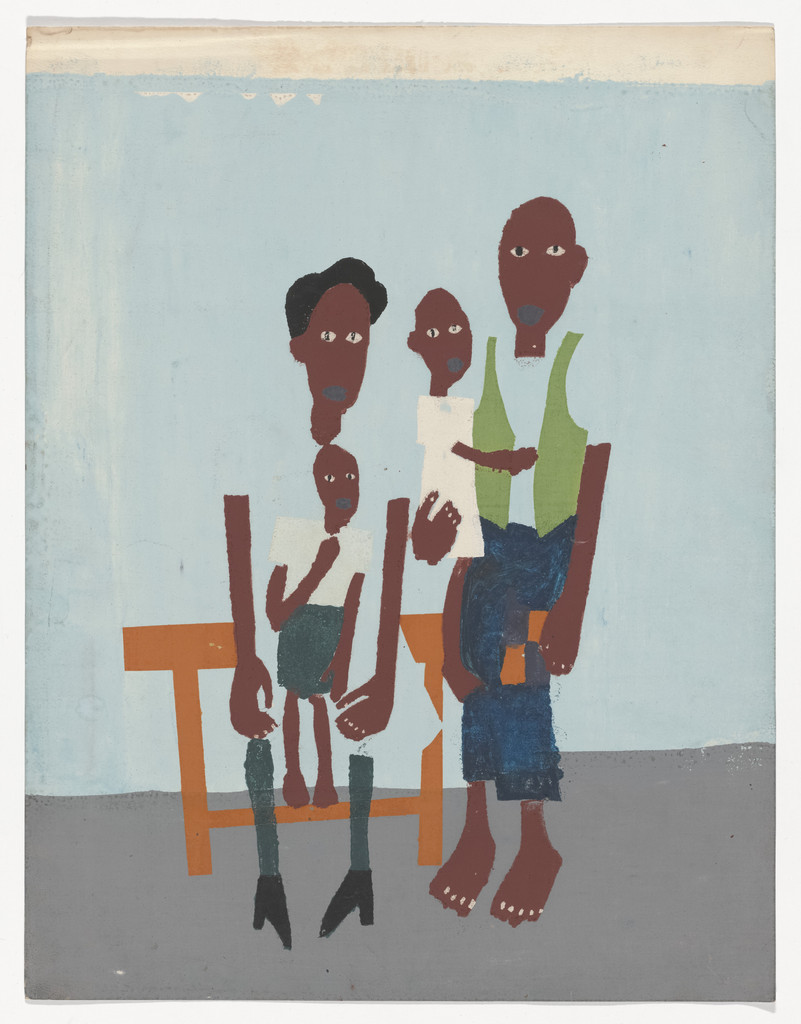
(The FAP/WPA transformed screenprinting from a commercial practice to a fine art technique when it set up a workshop dedicated to the medium in New York City in 1938.) Johnson's previous print work had all been woodcut, a favored technique of the Expressionists. His arrival in Harlem also initiated an interest in subjects related to African-American life in the US-agrarian southern life, black American heroes, battalions of black soldiers, religious imagery, and northern urban black life, especially centered on the Harlem Renaissance. Screenprinting provided him with a visual language to represent these subjects with renewed vitality. The flat areas of bold color that comprise the stylized figures and objects are distinctly modernist in appearance and subject.

Harvard Art Museums

Particulars

c 1945 · aged 44
19011970
Accession number
2009.63

In the catalog

PrintsScreenprintPost-war art20th centuryAmerican

Sources

  • Harvard Art Museums
  • Image: Harvard Art Museums — © President and Fellows of Harvard College

More by Johnson, William H.

All works
[Kerteminde], William H. Johnson, c. 1930–35

[Kerteminde]

c. 1930–35 · Minneapolis Institute of Art

Lillestranden, Kerteminde, William H. Johnson, c. 1931

Lillestranden, Kerteminde

c. 1931 · Not on view · National Gallery of Art

Street Musicians, William H. Johnson, c. 1940

Street Musicians

c. 1940 · Not on view · National Gallery of Art

Blind Singer, William H. Johnson, c. 1940

Blind Singer

c. 1940 · Not on view · National Gallery of Art

Blind Singer, William H. Johnson, c. 1940

Blind Singer

c. 1940 · Not on view · The Museum of Modern Art

Street Musicians, William H. Johnson, c. 1941

Street Musicians

c. 1941 · Not on view · The Museum of Modern Art

Off to War, William H. Johnson, c. 1941

Off to War

c. 1941 · Not on view · The Museum of Modern Art

Proof for Folk Family, William H. Johnson, c. 1941

Proof for Folk Family

c. 1941 · Not on view · The Museum of Modern Art

Neighbors at Harvard Art Museums

Museum page
Glück auf in Deutschland (N:4), Pınar Öğrenci, 2024

Pınar Öğrenci

Glück auf in Deutschland (N:4), 2024

Glück auf in Deutschland (N:10), Pınar Öğrenci, 2024

Pınar Öğrenci

Glück auf in Deutschland (N:10), 2024

Glück auf in Deutschland (N:7b), Pınar Öğrenci, 2024

Pınar Öğrenci

Glück auf in Deutschland (N:7b), 2024

Glück auf in Deutschland (N:6), Pınar Öğrenci, 2024

Pınar Öğrenci

Glück auf in Deutschland (N:6), 2024

Glück auf in Deutschland (N:11), Pınar Öğrenci, 2024

Pınar Öğrenci

Glück auf in Deutschland (N:11), 2024

Dwarpalika (Temple Guardian), Sneha Shrestha, 2023

Sneha Shrestha

Dwarpalika (Temple Guardian), 2023

The Eternal Pond of the Universe, Bingyi 冰逸, 2022-2024

Bingyi 冰逸

The Eternal Pond of the Universe, 2022-2024

Head from a Statue of Ur-Ningirsu, Ruler of Lagash, c. 2113 BCE-2017 BCE

Head from a Statue of Ur-Ningirsu, Ruler of Lagash, c. 2113 BCE-2017 BCE