ART WIKI33,040 on view
MapCollectionArtistsMuseumsExhibitionsJournal
Sign in

ART WIKI

Where the masterpiece hangs, and when they let you in.

Collections: Art Institute of Chicago, Getty Villa, Harvard Art Museums, Hirshhorn Museum and Sculpture Garden, J. Paul Getty Museum, Minneapolis Institute of Art, Musée du Louvre, National Gallery of Art, National Museum of Asian Art, National Portrait Gallery (Smithsonian), Pushkin State Museum of Fine Arts, Rijksmuseum, Smithsonian American Art Museum, SMK — National Gallery of Denmark, State Hermitage Museum, State Russian Museum, The Cleveland Museum of Art, The Metropolitan Museum of Art, The Museum of Modern Art, Tretyakov Gallery, Victoria and Albert Museum, Whitney Museum of American Art, State Catalogue of the Museum Fund of Russia (274 museums), Europeana (19 museums), Wikidata (6 museums), Paris Musées (12 museums), and Joconde, the French Ministry of Culture's museum database (495 museums). Images belong to their rights holders.

Sections

  • Map
  • Search
  • Collection
  • Masterpieces
  • On view now
  • Artists

More

  • Museums & galleries
  • Exhibitions
  • Journal
  • Where the data comes from
  • Privacy & cookies
HomeMapBrowse
  1. Collection/
  2. Minneapolis Institute of Art/
  3. Stunt Man I
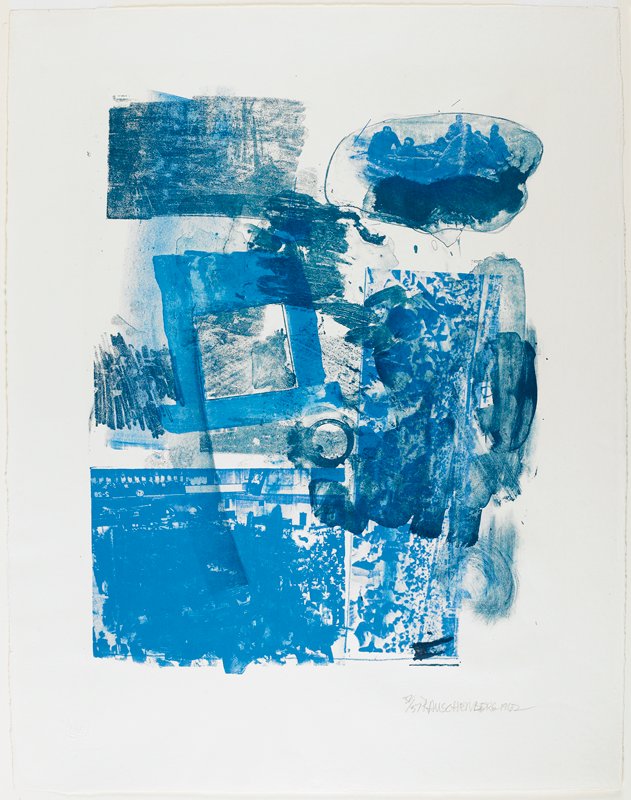
Stunt Man I, Robert Rauschenberg, 1962
Robert Rauschenberg, portraitRobert RauschenbergAmerican, 1925–2008

Stunt Man I

1962 · Print · 43.18 × 33.34 cm

May one see it?

Not receiving at present

Minneapolis Institute of Art

Minneapolis, United States

It belongs to the collection, but is not on display at present.

Checked
9 days ago
In this state since
Sep 25, 2026
Source
The museum
On the mapMuseum page

About the work

Robert Rauschenberg produced seven lithographs during his first year at U.L.A.E. Among these editions was a three-print series called Stunt Man (I, II, and III), so named for the artist's attempt to blend unlikely combinations of color, something he considered a "brash stunt." In these early prints, Rauschenberg arranged seemingly unrelated images-typically cut from newspapers and magazines of the day-in a collaged composition on which he painted gestural brushstrokes using lithographic tusche. The resulting lithograph was an amalgam of abstract and representational imagery, which often yielded unforeseen results. Indeed, Rauschenberg often relied on chance and unforeseen connections among images as a crucible for new and multiple meanings.

Minneapolis Institute of Art

Particulars

1962 · aged 37
19252008
Accession number
P.70.62

In the catalog

PrintsLithographPost-war art20th centuryUnited States

Sources

  • Minneapolis Institute of Art
  • Image: Minneapolis Institute of Art — Robert Rauschenberg, Stunt Man I, 1962 © Robert Rauschenberg Foundation

Meanwhile, in the life of Robert Rauschenberg

The whole life
  1. 1954–1961

    Lives with the artist Jasper Johns

    From 1954 to 1961 Rauschenberg lived with his partner, the artist Jasper Johns. They constantly exchanged ideas and took part in each other's work, but never made objects under joint authorship.

  2. 1962

    Takes up silkscreen after visiting Warhol's studio

    By 1962 Rauschenberg's paintings took in not only found objects but found images: after a visit to Andy Warhol's studio he began transferring photographs to canvas by silkscreen, a technique of commercial printing. The silkscreen paintings of 1962–1964 led critics to identify him with Pop art.

  3. 1963

    First retrospective, at the Jewish Museum

    Rauschenberg's first career retrospective was organised by the Jewish Museum in New York.

  4. May 1963

    Choreographs his first performance, “Pelican”

    In the early 1960s Rauschenberg was involved in the radical dance-theatre experiments at Judson Memorial Church in Greenwich Village, and in May 1963 he choreographed his first performance, “Pelican”, for the Judson Dance Theater. His close friends from Cunningham's circle — Carolyn Brown, Viola Farber and Steve Paxton — danced in his pieces.

  5. 1964

    Grand Prize at the Venice Biennale

    At the 32nd Venice Biennale Rauschenberg won the International Grand Prize in Painting, one of the first Americans to do so (James Whistler and Mark Tobey had won painting prizes in 1895 and 1958). The prize has been called the official recognition of Pop art.

  6. 28 June 1964 – 6 October 1964

    Exhibition: Documenta III
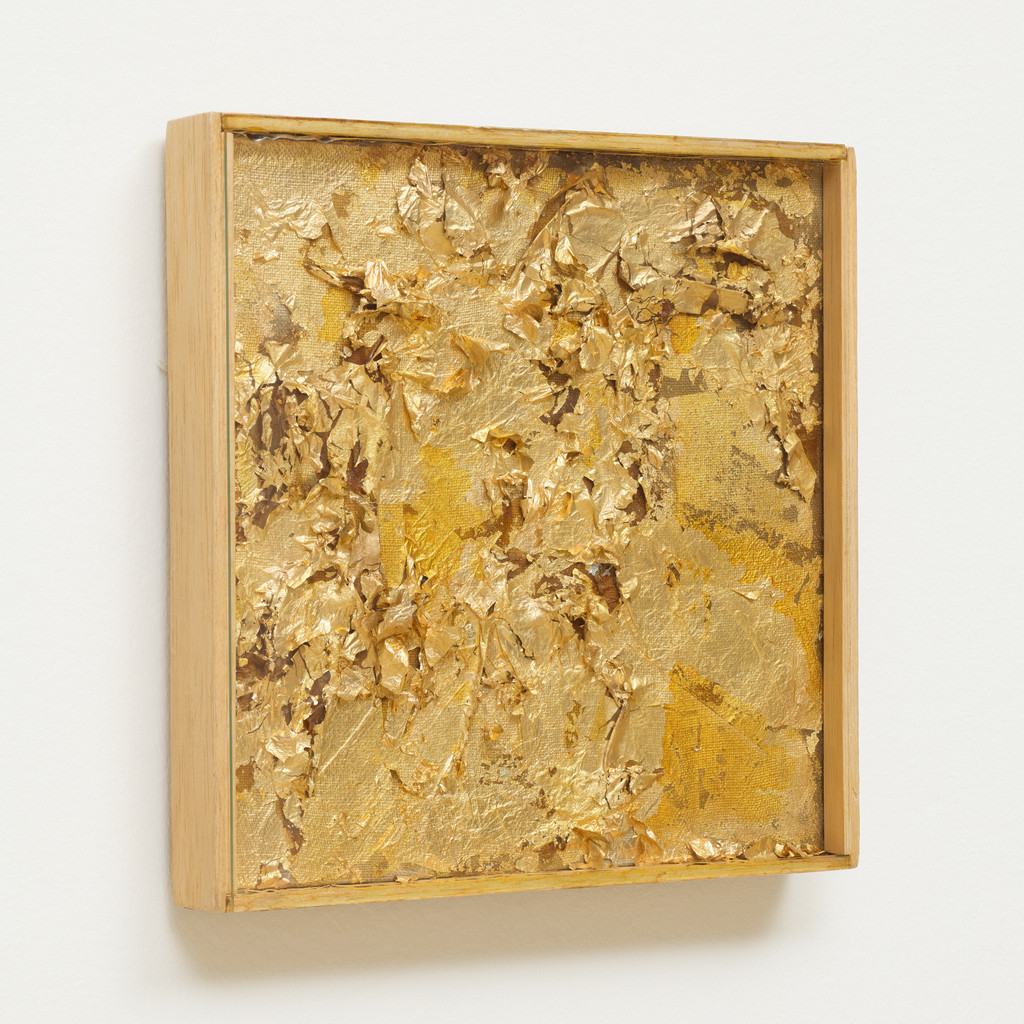
More by Robert Rauschenberg

All works
Untitled, Robert Rauschenberg, c. 1953

Untitled

c. 1953 · The Museum of Modern Art

Canyon, Robert Rauschenberg, 1959

Canyon

1959 · The Museum of Modern Art

Untitled, Robert Rauschenberg, c. 1955

Untitled

c. 1955 · Art Institute of Chicago

Satellite, Robert Rauschenberg, 1955

Satellite

1955 · Whitney Museum of American Art

Untitled, Robert Rauschenberg, 1949

Untitled

1949 · Not on view · The Museum of Modern Art

Untitled, Robert Rauschenberg, Susan Weil, c. 1950

Untitled

c. 1950 · Not on view · The Museum of Modern Art

Black Painting, Robert Rauschenberg, 1952

Black Painting

1952 · Not on view · National Gallery of Art

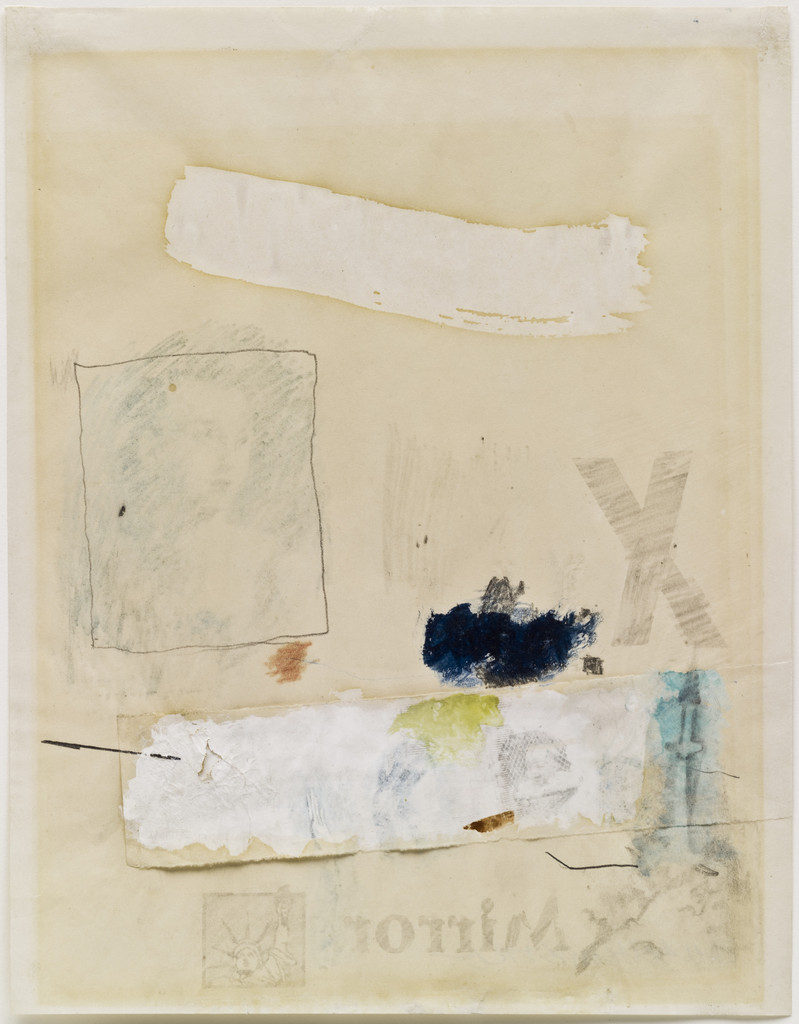
Untitled (Mirror), Robert Rauschenberg, (1952)

Untitled (Mirror)

(1952) · Not on view · The Museum of Modern Art

Neighbors at Minneapolis Institute of Art

Museum page
Olive Trees, Vincent van Gogh, 1889

Vincent van Gogh

Olive Trees, 1889

Grainstack, Sun in the Mist, Claude Monet, 1891

Claude Monet

Grainstack, Sun in the Mist, 1891

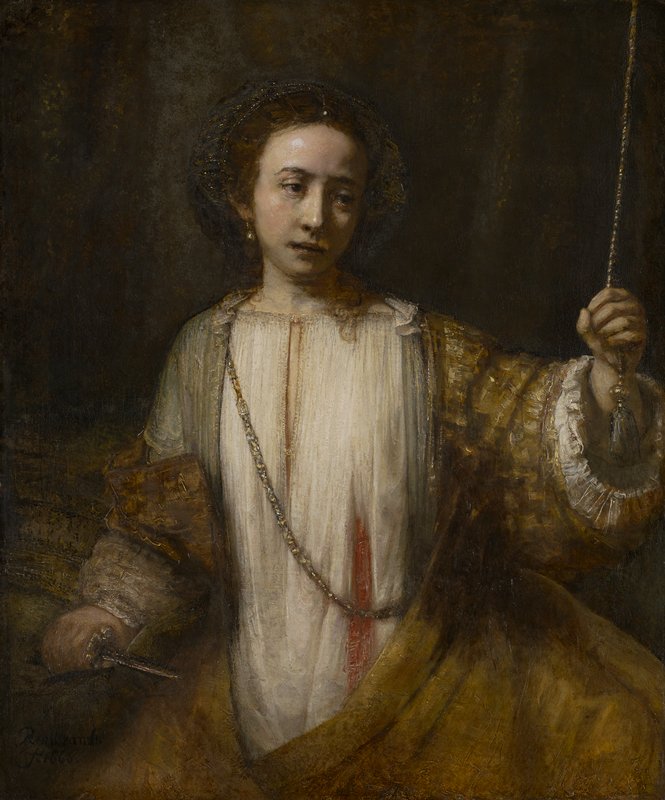
Lucretia, Rembrandt van Rijn, 1666

Rembrandt van Rijn

Lucretia, 1666

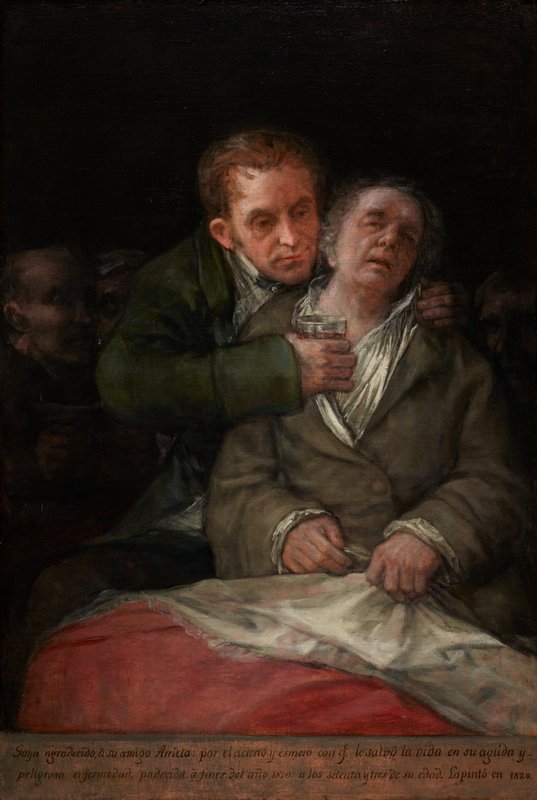
Self-Portrait with Dr. Arrieta, Francisco José de Goya y Lucientes, 1820

Francisco de Goya

Self-Portrait with Dr. Arrieta, 1820

Study for Improvisation V, Vassily Kandinsky, 1910

Vasily Kandinsky

Study for Improvisation V, 1910

Tahitian Landscape, Paul Gauguin, 1891

Paul Gauguin

Tahitian Landscape, 1891

Chestnut Trees at Jas de Bouffan, Paul Cézanne, c. 1885–86

Paul Cézanne

Chestnut Trees at Jas de Bouffan, c. 1885–86

The Union of England and Scotland (Charles I as the Prince of Wales), Peter Paul Rubens, 1633–34

Peter Paul Rubens

The Union of England and Scotland (Charles I as the Prince of Wales), 1633–34