ART WIKI32,979 on view
MapCollectionArtistsMuseumsExhibitionsJournal
Sign in

ART WIKI

Where the masterpiece hangs, and when they let you in.

Collections: Art Institute of Chicago, Getty Villa, Harvard Art Museums, Hirshhorn Museum and Sculpture Garden, J. Paul Getty Museum, Minneapolis Institute of Art, Musée du Louvre, National Gallery of Art, National Museum of Asian Art, National Portrait Gallery (Smithsonian), Pushkin State Museum of Fine Arts, Rijksmuseum, Smithsonian American Art Museum, SMK — National Gallery of Denmark, State Hermitage Museum, State Russian Museum, The Cleveland Museum of Art, The Metropolitan Museum of Art, The Museum of Modern Art, Tretyakov Gallery, Victoria and Albert Museum, Whitney Museum of American Art, State Catalogue of the Museum Fund of Russia (274 museums), Europeana (19 museums), Wikidata (6 museums), Paris Musées (12 museums), and Joconde, the French Ministry of Culture's museum database (495 museums). Images belong to their rights holders.

Sections

  • Map
  • Search
  • Collection
  • Masterpieces
  • On view now
  • Artists

More

  • Museums & galleries
  • Exhibitions
  • Journal
  • Where the data comes from
  • Privacy & cookies
HomeMapBrowse
  1. Collection/
  2. Minneapolis Institute of Art/
  3. Study for The Lapland Witch
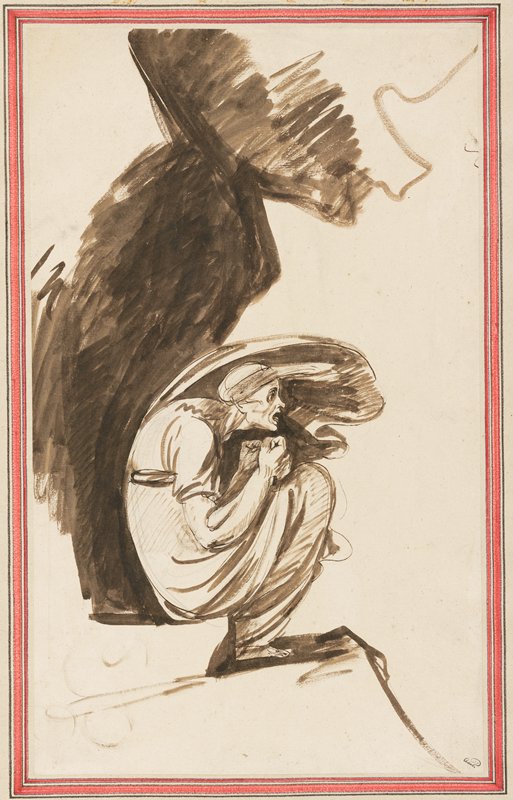
Study for The Lapland Witch, George Romney, c. 1775–77
George Romney, portraitGeorge RomneyEnglish, 1734–1802

Study for The Lapland Witch

c. 1775–77 · Drawing · 49.85 × 30 cm

May one see it?

Not receiving at present

Minneapolis Institute of Art

Minneapolis, United States

It belongs to the collection, but is not on display at present.

Checked
3 days ago
In this state since
Sep 25, 2026
Source
The museum
On the mapMuseum page

About the work

George Romney embraced the “sublime, ” the flip side of the Age of Enlightenment. He was obsessed with the passions, the power of nature, the supernatural—those forces beyond human comprehension and control. In the popular imagination of the 18th century, Lapland was home to witches capable of raising storms and causing shipwrecks, and Romney wanted to capture their magic. His efforts began with fiery sketches like this one.

In 1778, Romney’s friend and biographer William Hayley wrote a verse on the artist’s conjuring of a Lapland witch. Note his comment that the freedom of the artist’s drawing would need to be tempered when it came time to execute the painting.

Round fancy’s circle when thy Pencil flies, With what terrific pomp thy Spectres rise!

What lust of mischief marks thy Witch’s form, While on the Lapland Rock she swells the storm!

Read on

Tho’ led by Fancy, thro’ her boundless reign, Well dost thou know to quit her wild domain, When History bids thee paint, severely chaste

Her simpler scene, with uncorrupted taste.

Minneapolis Institute of Art

Particulars

c. 1775–77
17341802
Accession number
68.51

In the catalog

Drawings & watercolorsPen and inkRococoNeoclassicism18th centuryEngland

Sources

  • Minneapolis Institute of Art
  • Image: Minneapolis Institute of Art — public domain

Meanwhile, in the life of George Romney

The whole life
  1. c. 1775

    Commissions from the Duke of Richmond and his circle

    Charles Lennox, 3rd Duke of Richmond, and his circle of friends offer Romney commissions, which turn the tide of the artist’s fortunes permanently in his favour.

  2. 1775

    Settles in Cavendish Square

    On his return he takes a house in Cavendish Square, formerly owned by the noted portraitist Francis Cotes, but remains considerably in debt, both his own and that of his brother Peter, an artistic but dissolute man.

  3. July 1775

    Returns from Italy to London

    After an absence of over two years he returns to London by way of Florence, Bologna, Venice, Parma and Turin.

  4. 1776–1777

    Friendship with the writer William Hayley

    In 1776–1777 Romney makes the acquaintance of William Hayley and strikes up a lasting friendship with the writer, painting portraits for him.

More by George Romney

All works
Lady Elizabeth Stanley (1753–1797), Countess of Derby, George Romney, 1776–78

Lady Elizabeth Stanley (1753–1797), Countess of Derby

1776–78 · The Metropolitan Museum of Art

Miss Juliana Willoughby, George Romney, 1781-1783

Miss Juliana Willoughby

1781-1783 · National Gallery of Art

Portrait of Mrs Harrit Greer, George Romney, 1781

Portrait of Mrs Harrit Greer

1781 · State Hermitage Museum

Mrs. Davies Davenport, George Romney, 1782-1784

Mrs. Davies Davenport

1782-1784 · National Gallery of Art

Gestikulierende Frauengestalt, George Romney

Gestikulierende Frauengestalt

Albertina

Mrs Johnstone and her Son (?), George Romney, 18th century

Mrs Johnstone and her Son (?)

18th century · The National Gallery

Tom Hayley as Robin Goodfellow, George Romney, 18th century

Tom Hayley as Robin Goodfellow

18th century · The National Gallery

Twee vrouwenfiguren tussen bomen, George Romney, 1744 - 1767

Twee vrouwenfiguren tussen bomen

1744 - 1767 · Rijksmuseum

Neighbors at Minneapolis Institute of Art

Museum page
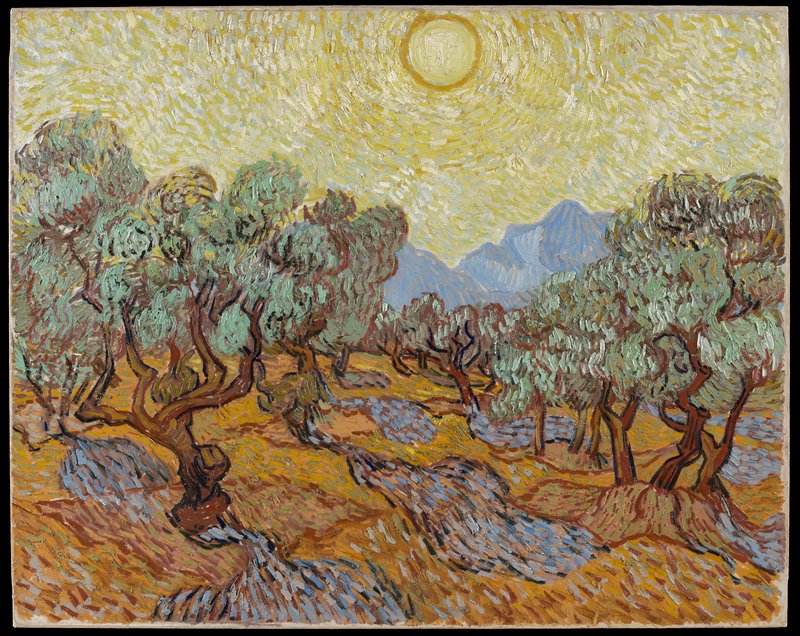
Olive Trees, Vincent van Gogh, 1889

Vincent van Gogh

Olive Trees, 1889

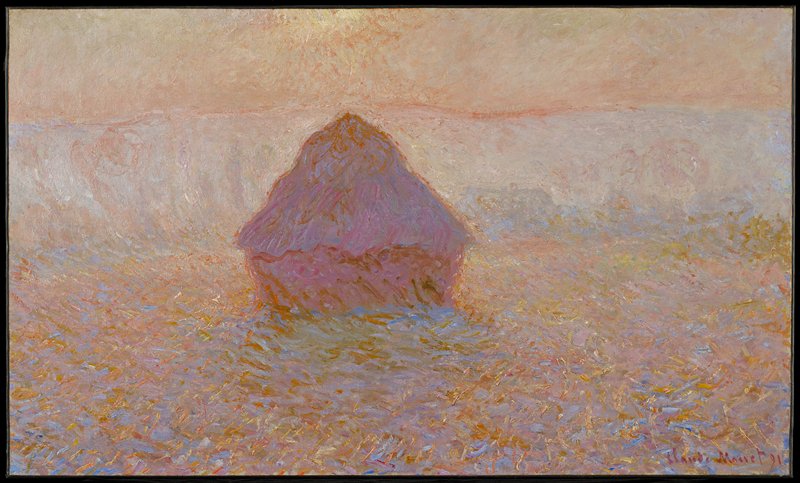
Grainstack, Sun in the Mist, Claude Monet, 1891

Claude Monet

Grainstack, Sun in the Mist, 1891

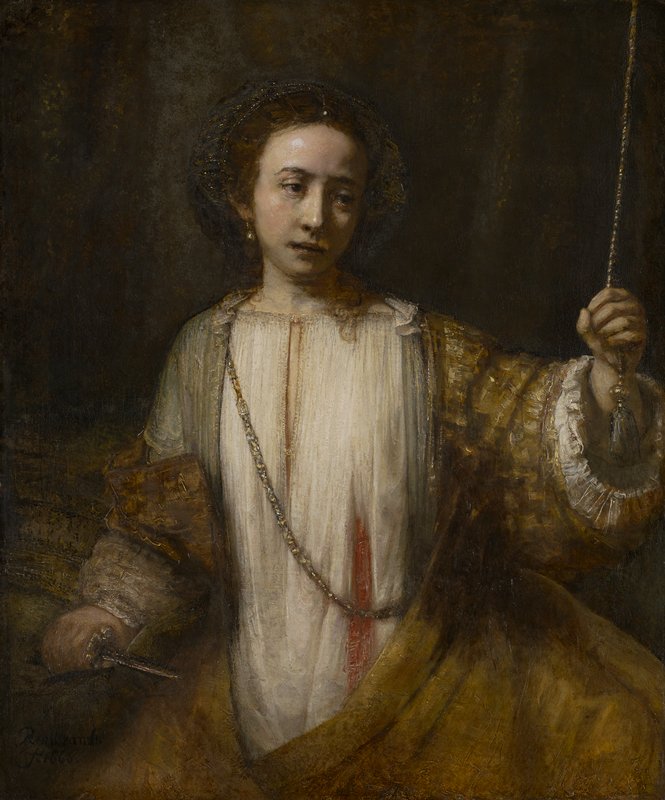
Lucretia, Rembrandt van Rijn, 1666

Rembrandt van Rijn

Lucretia, 1666

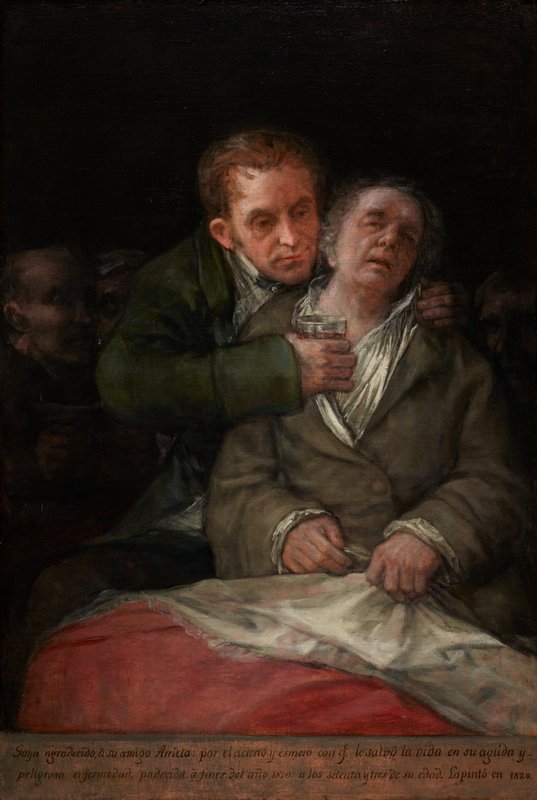
Self-Portrait with Dr. Arrieta, Francisco José de Goya y Lucientes, 1820

Francisco de Goya

Self-Portrait with Dr. Arrieta, 1820

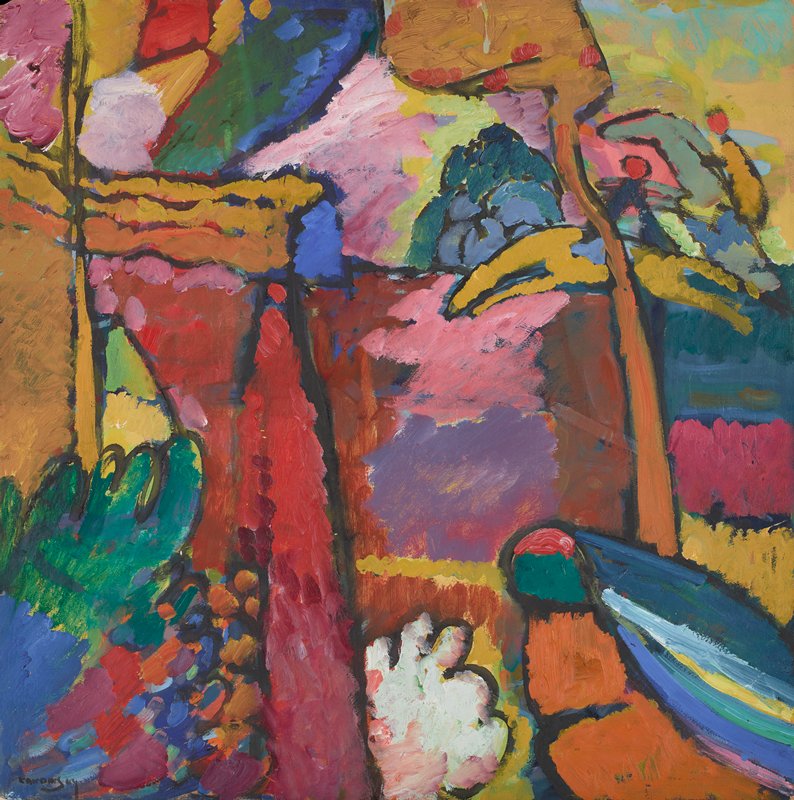
Study for Improvisation V, Vassily Kandinsky, 1910

Vasily Kandinsky

Study for Improvisation V, 1910

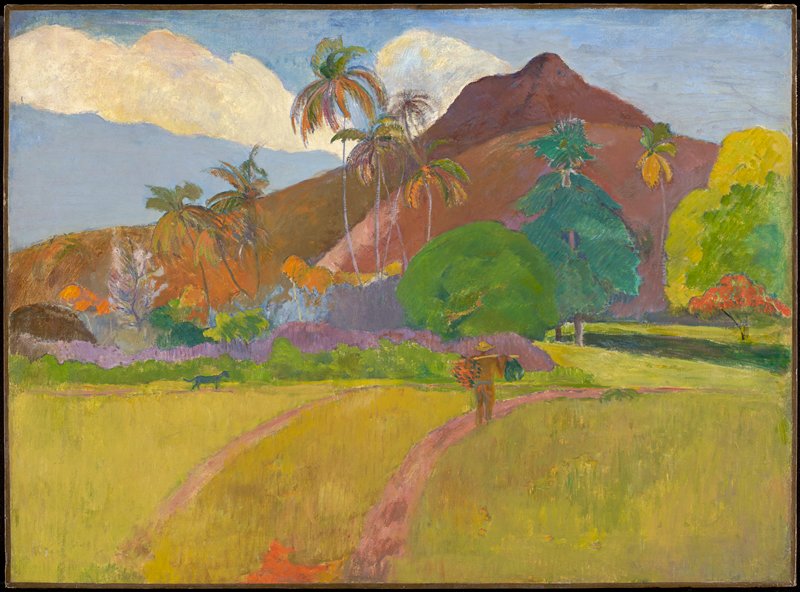
Tahitian Landscape, Paul Gauguin, 1891

Paul Gauguin

Tahitian Landscape, 1891

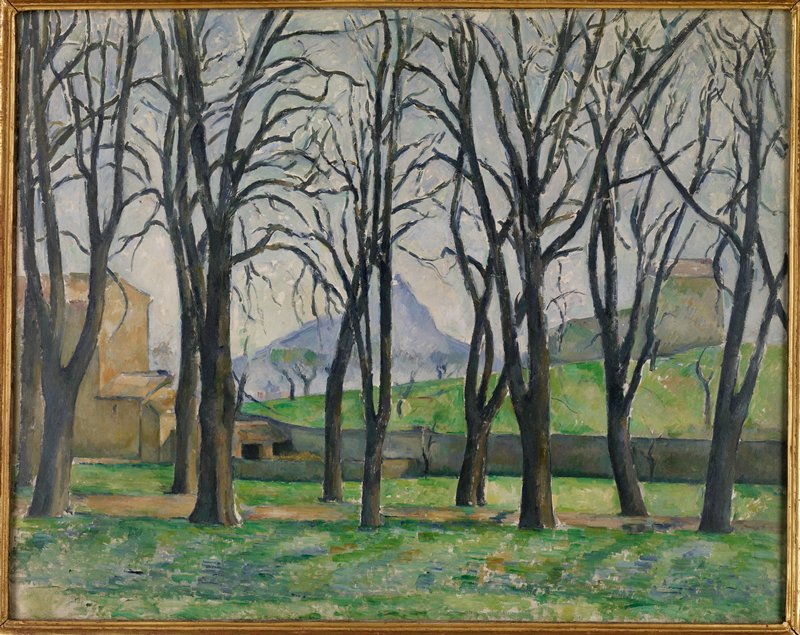
Chestnut Trees at Jas de Bouffan, Paul Cézanne, c. 1885–86

Paul Cézanne

Chestnut Trees at Jas de Bouffan, c. 1885–86

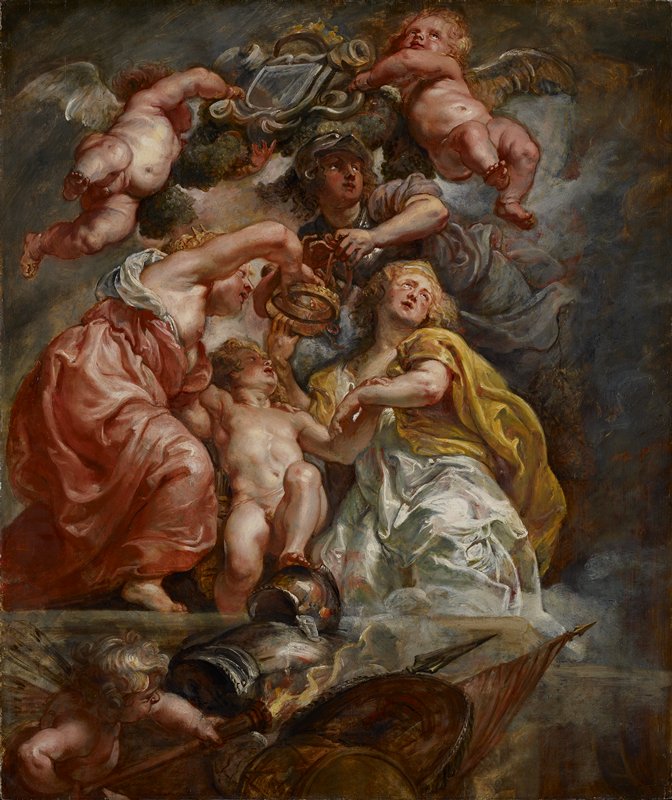
The Union of England and Scotland (Charles I as the Prince of Wales), Peter Paul Rubens, 1633–34

Peter Paul Rubens

The Union of England and Scotland (Charles I as the Prince of Wales), 1633–34