Théodore GéricaultFrench, 1791–1824
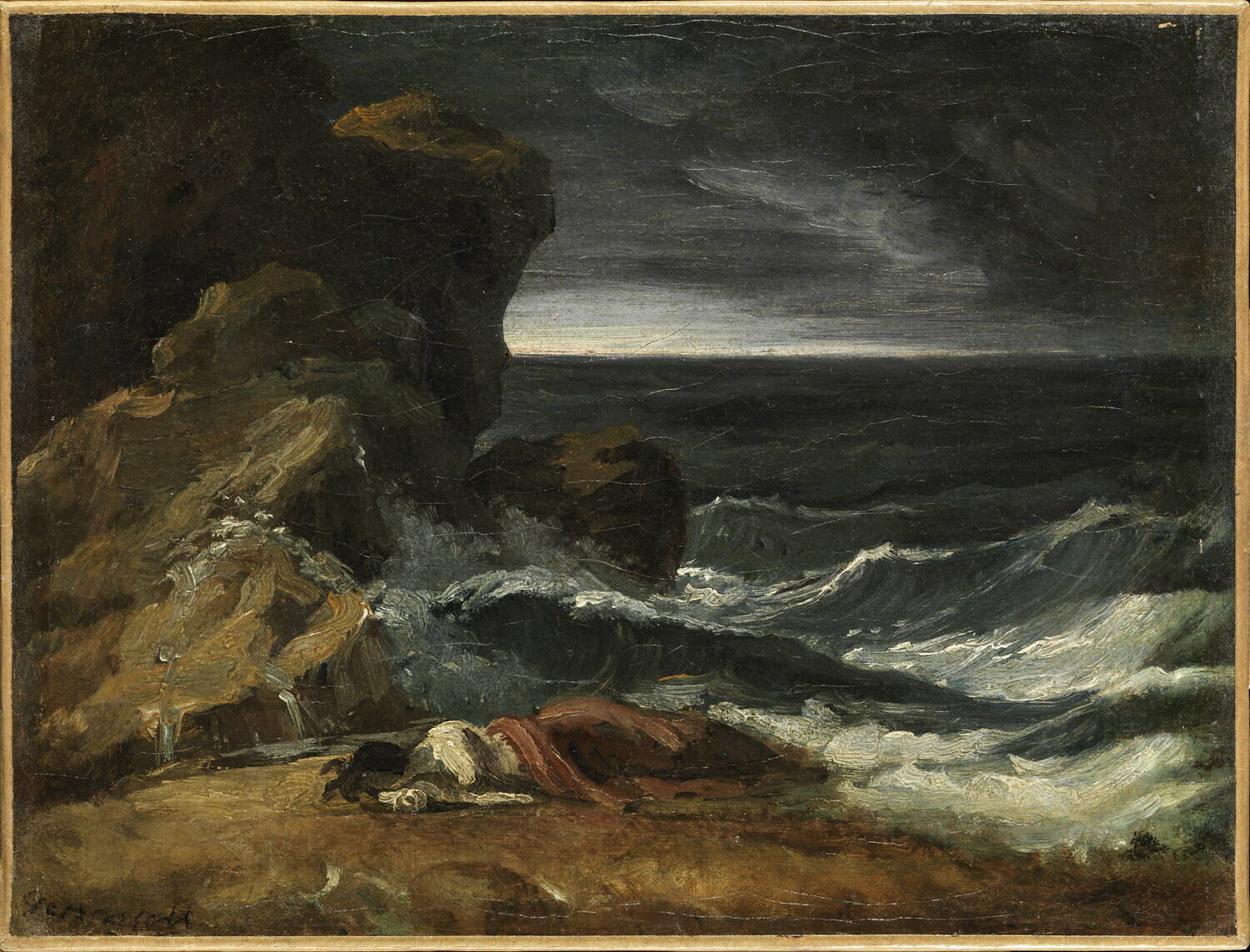
Study for "Landscape with Fishermen"
Can I see it?
Not on view at present
Where is “Study for "Landscape with Fishermen"” now? Collection: Harvard Art Museums, Cambridge. Not on view at present. Checked September 29, 2026.

Cambridge, United States
It belongs to the collection, but is not on display at present.
- Checked
- In this state since
- Source
- The museum
Details
- Accession number
- 1965.287
In the catalog
Sources
- Harvard Art Museums
- Image: Harvard Art Museums — © President and Fellows of Harvard College
In the life of Théodore Géricault
The whole life1814
Salon of 1814: “Wounded Cuirassier” and cold reviews
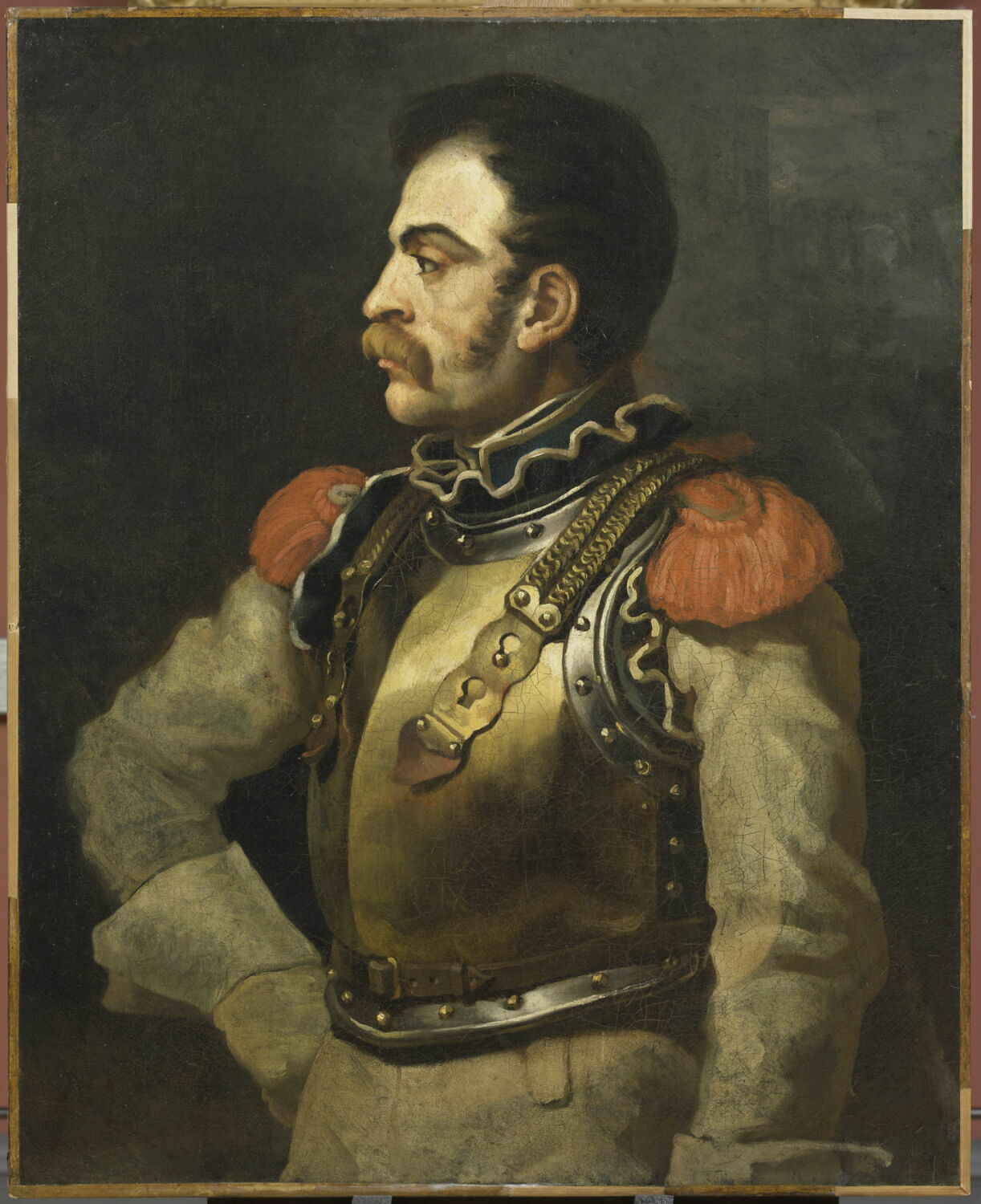
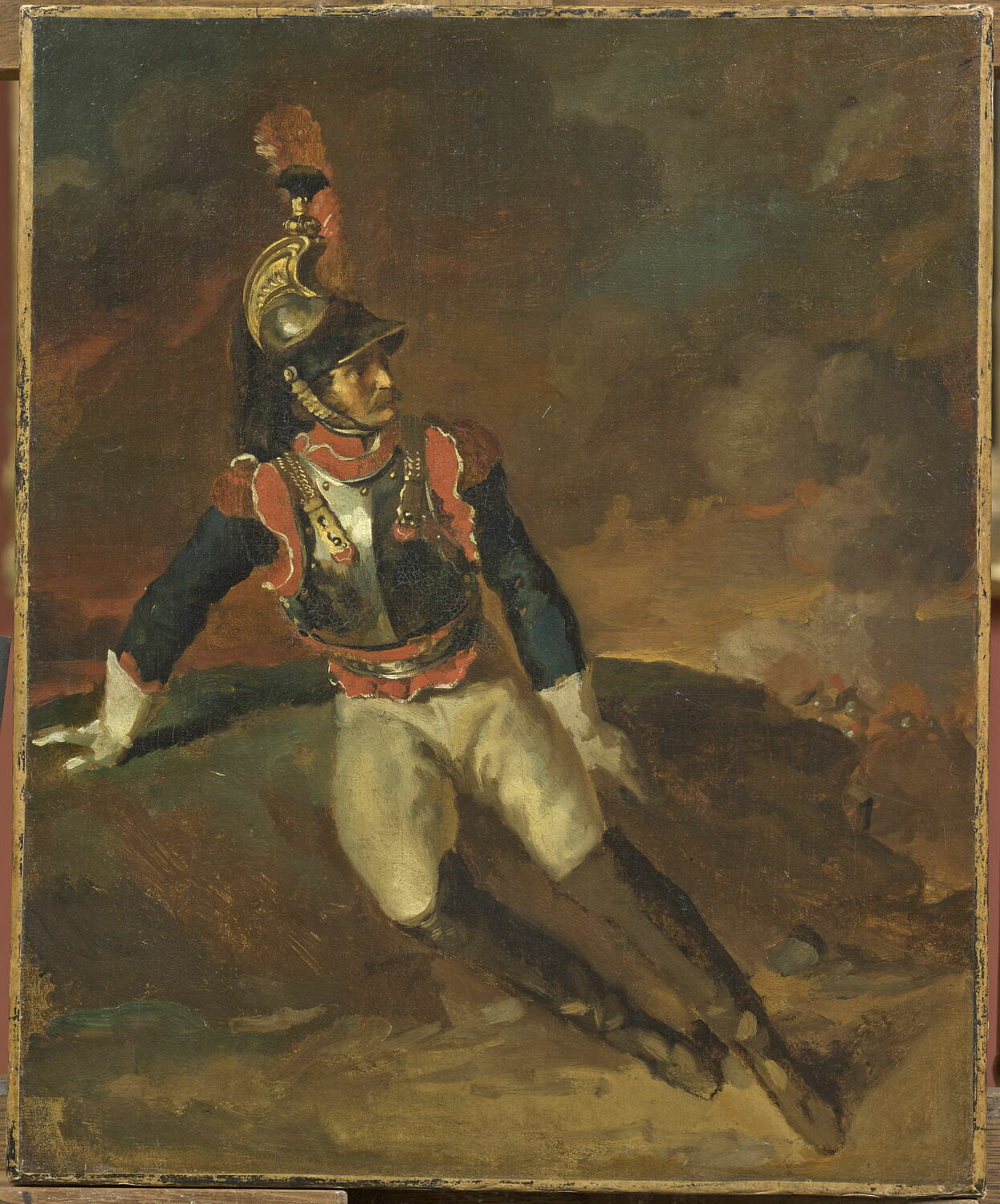
At the Salon of 1814, held after Napoleon's fall, the “Officer” was shown paired with “Wounded Cuirassier Leaving the Field of Battle”, the only reminder of a passing tragic and glorious era among the neutral subjects chosen by other artists. Critics either said nothing of Géricault's pictures or received them unfavorably.
December 1814
He buys a commission as a musketeer
Having recently evaded military service, in December 1814 Géricault, with the help of his father and uncle, bought a commission in the musketeer company commanded by Lauriston, a privileged military unit. His biographers find it hard to explain what motivated him.
1815
The Hundred Days: Louis XVIII's escort and flight to Normandy
During the Hundred Days Géricault was in the escort of the fleeing Louis XVIII and then, disguised as a peasant, made his way to Normandy, where he probably stayed until the middle of the summer of 1815.
1816–1817
Naples and Rome: the shock of Michelangelo
Géricault visited Naples, drawing the landscapes and people, but spent most of his time in Rome. The frescoes of the Sistine Chapel shook him: Michelangelo's monumentality of form inspired his pen drawings, such as “Man Felling a Bull”, among the most interesting made in Rome.
autumn 1817
The book on the wreck of the Méduse reaches Géricault
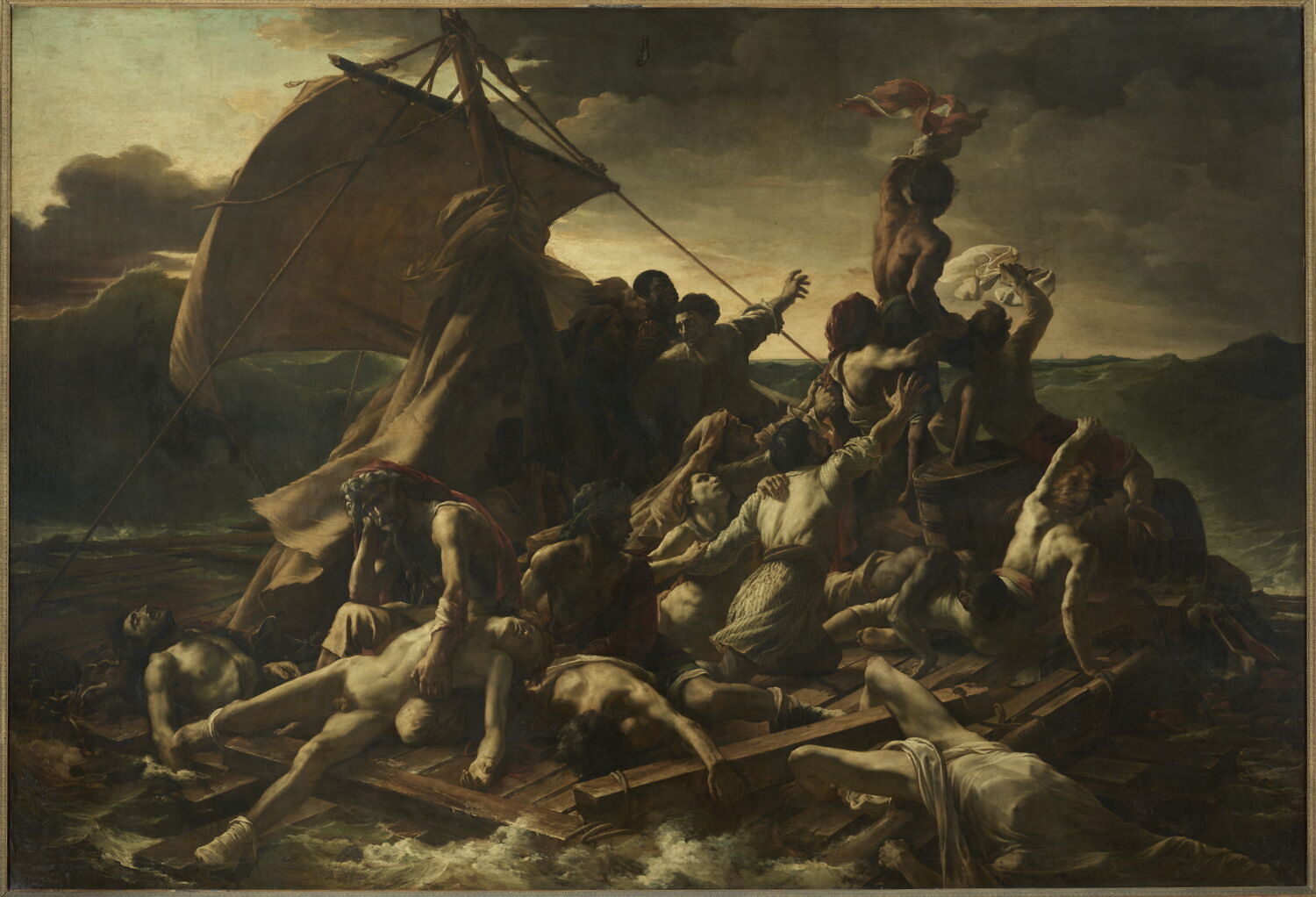
In the autumn of 1817 the book “The Wreck of the Frigate Medusa” appeared, in which the eyewitnesses, the geographer-engineer Alexandre Corréard and the physician Henri Savigny, described the thirteen-day drift of the raft after the ship ran aground off the coast of Mauritania. The book reached Géricault, who saw in it the subject for the large painting he had long dreamed of.
1817–1818
Investigating the disaster: survivors, a model raft, morgues
Géricault re-created the event by studying the available materials and meeting witnesses: he got to know Corréard and Savigny, a carpenter from the Méduse made a scale model of the raft for him, and the artist modelled wax figures himself. He visited hospital morgues, drawing dead heads, emaciated bodies and severed limbs, and the preparation ended with a trip to Le Havre, where he painted studies of sea and sky.