ART WIKI32,963 on view
MapCollectionArtistsMuseumsExhibitionsJournal
Sign in

ART WIKI

Where the masterpiece hangs, and when they let you in.

Collections: Art Institute of Chicago, Getty Villa, Harvard Art Museums, Hirshhorn Museum and Sculpture Garden, J. Paul Getty Museum, Minneapolis Institute of Art, Musée du Louvre, National Gallery of Art, National Museum of Asian Art, National Portrait Gallery (Smithsonian), Pushkin State Museum of Fine Arts, Rijksmuseum, Smithsonian American Art Museum, SMK — National Gallery of Denmark, State Hermitage Museum, State Russian Museum, The Cleveland Museum of Art, The Metropolitan Museum of Art, The Museum of Modern Art, Tretyakov Gallery, Victoria and Albert Museum, Whitney Museum of American Art, State Catalogue of the Museum Fund of Russia (274 museums), Europeana (19 museums), Wikidata (6 museums), Paris Musées (12 museums), and Joconde, the French Ministry of Culture's museum database (495 museums). Images belong to their rights holders.

Sections

  • Map
  • Search
  • Collection
  • Masterpieces
  • On view now
  • Artists

More

  • Museums & galleries
  • Exhibitions
  • Journal
  • Where the data comes from
  • Privacy & cookies
HomeMapBrowse
  1. Collection/
  2. Musée du Louvre/
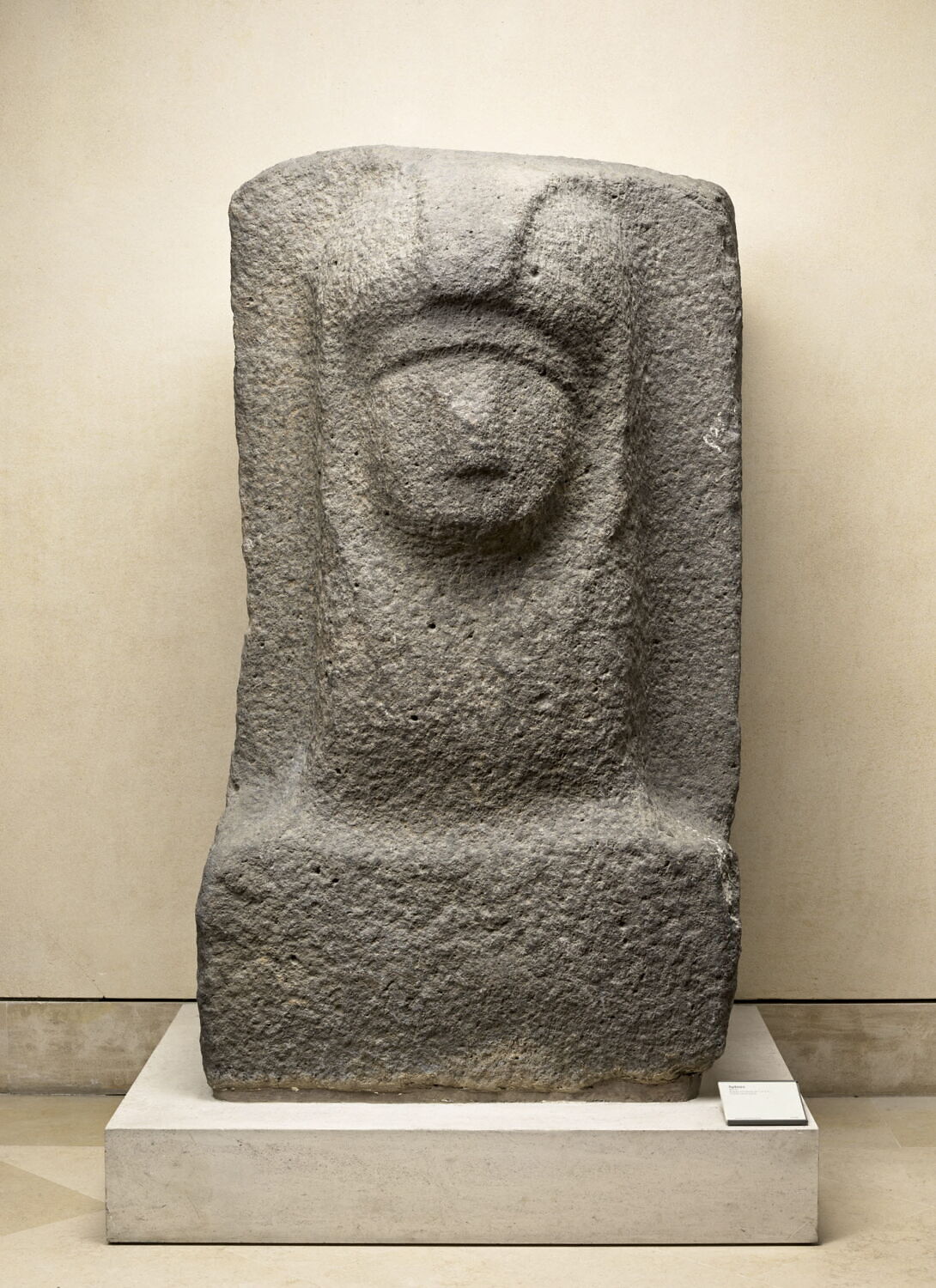
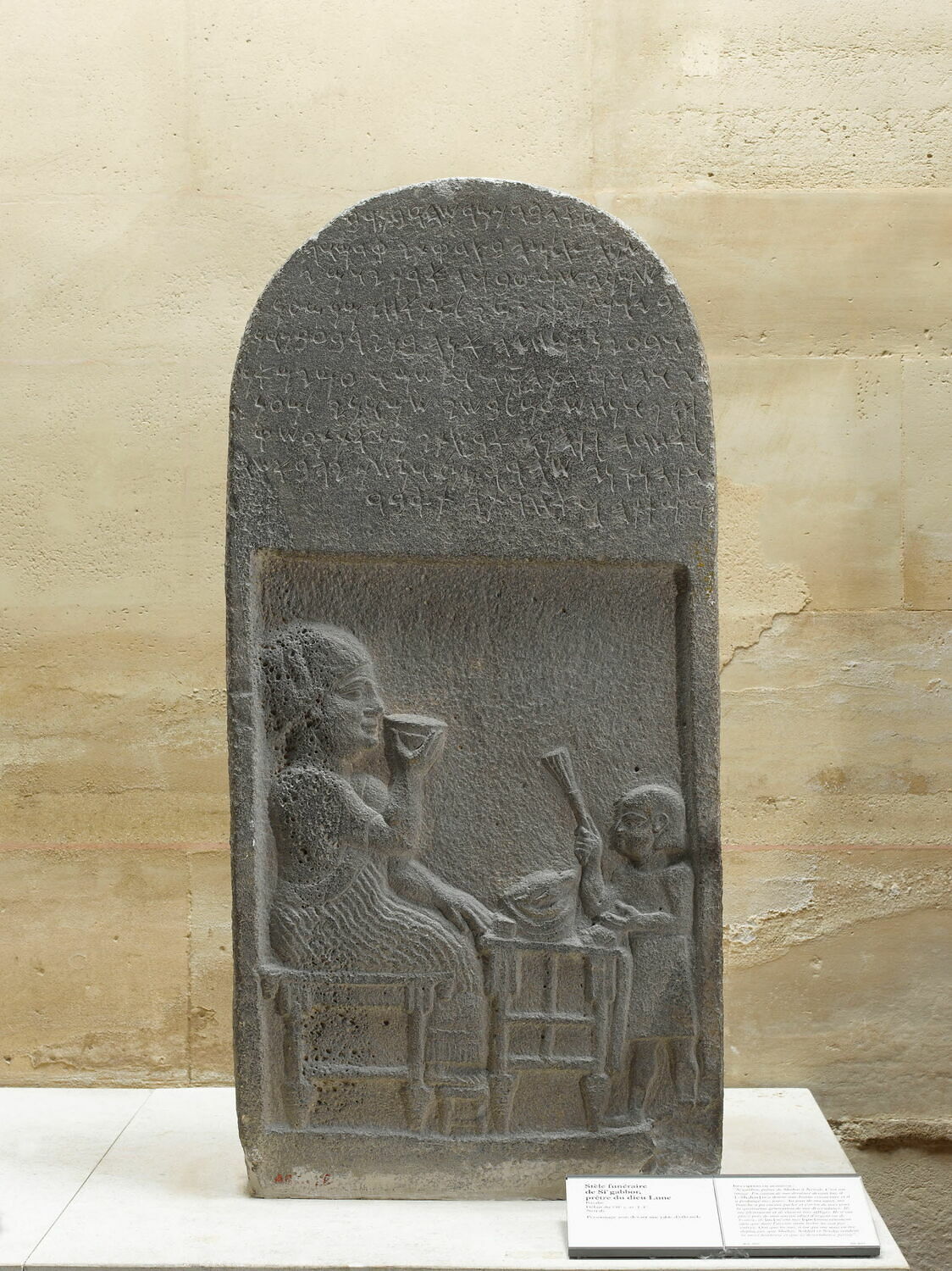
  3. Stèle funéraire de Si-Gabbor
Stèle funéraire de Si-Gabbor, VIIe s. av. J.-C. (VIIe s (fin)) (-700 - -600)

Stèle funéraire de Si-Gabbor

700–600 BCE · Near Eastern antiquities

May one see it?

Yes, receiving visitors

Musée du Louvre

Paris, France

Room302, Aile Sully, Niveau 0

On public display.

Checked
12 days ago
In this state since
Sep 26, 2026
Source
The museum
On the mapMuseum page

About the sculpture

The Neirab steles are two 7th-century BC steles with Aramaic inscriptions found in 1891 in Al-Nayrab (𐤍𐤓𐤁, NRB in the inscriptions) near Aleppo, Syria. They are currently in the Louvre. They were discovered in 1891 and acquired by Charles Simon Clermont-Ganneau for the Louvre on behalf of the Commission of the Corpus Inscriptionum Semiticarum. The steles are made of black basalt, and the inscriptions note that they were funerary steles. The inscriptions are known as KAI 225 (Sin zir Ibni inscription) and KAI 226 (Si Gabbor stele).

Wikipedia · CC BY-SA

Particulars

Accession number
AO 3027

In the same room · Salle 302, Aile Sully, Niveau 0, Musée du Louvre

Museum page

In the catalog

SculptureStone

Sources

  • Musée du Louvre
  • Image: Musée du Louvre — © 2008 GrandPalaisRmn (musée du Louvre) / Franck Raux
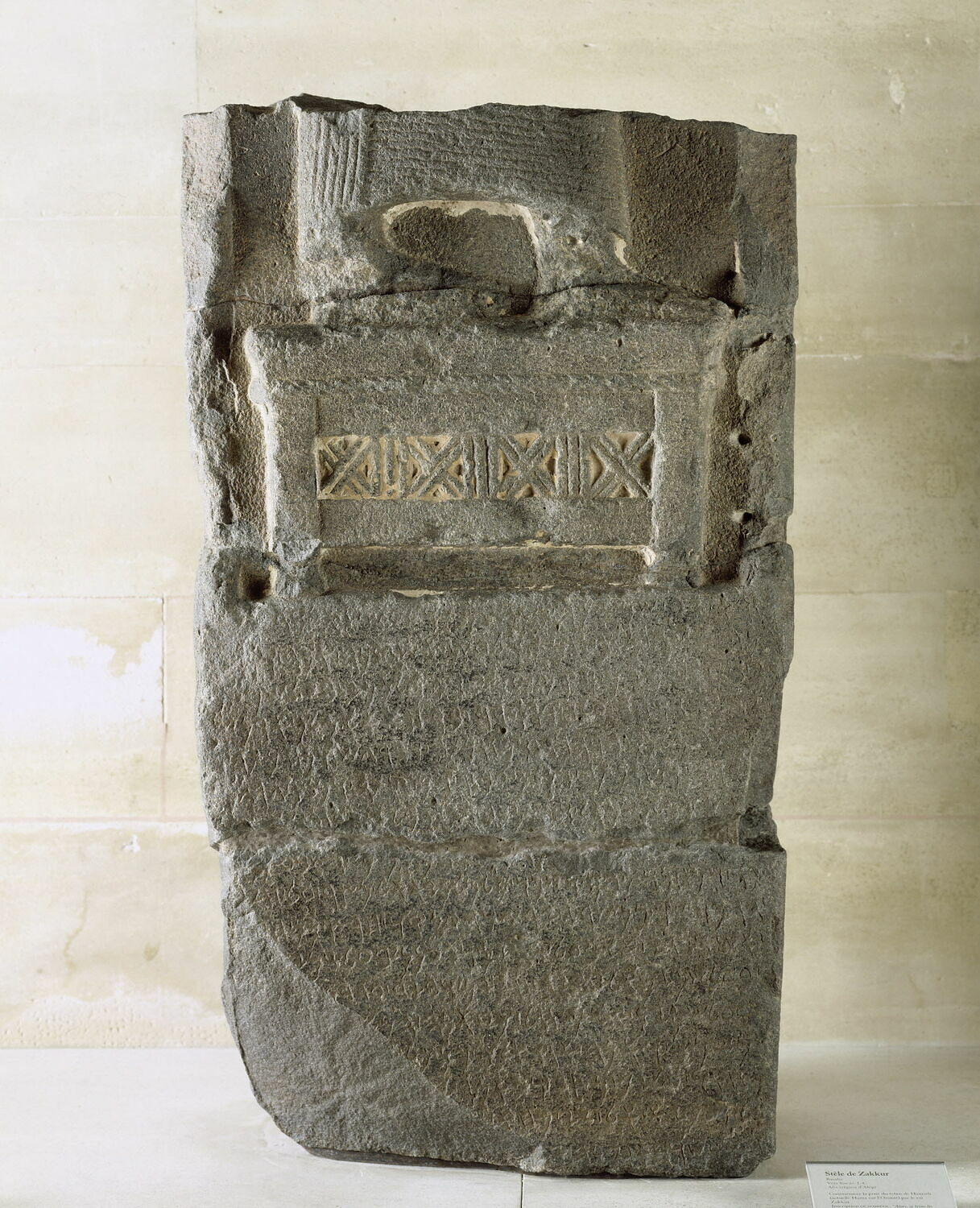
Stèle de Zakkur, IXe s. av. J.-C. (-900 - -800)

Stele of Zakkur, 9th century BCE (900–800)

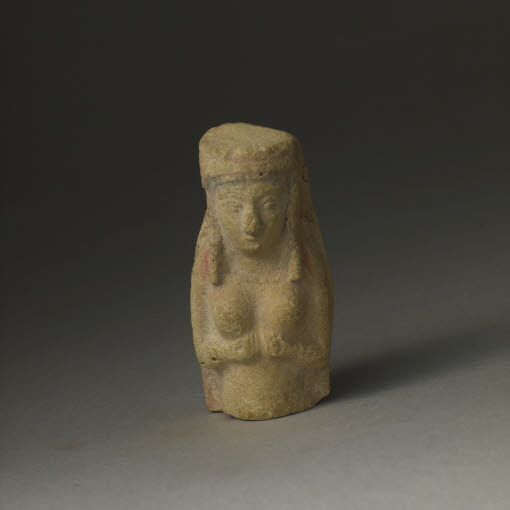
figurine, VIIe s. av. J.-C. et VIe s. av. J.-C. (-700 - -600 et -600 - -500)

figurine

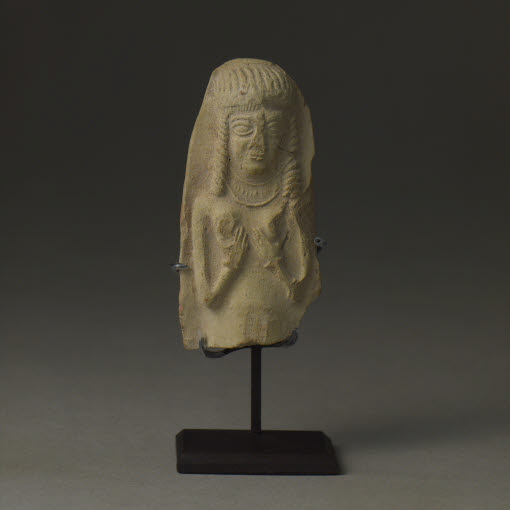
figurine, VIIe s. av. J.-C. et VIe s. av. J.-C. (-700 - -600 et -600 - -500)

figurine

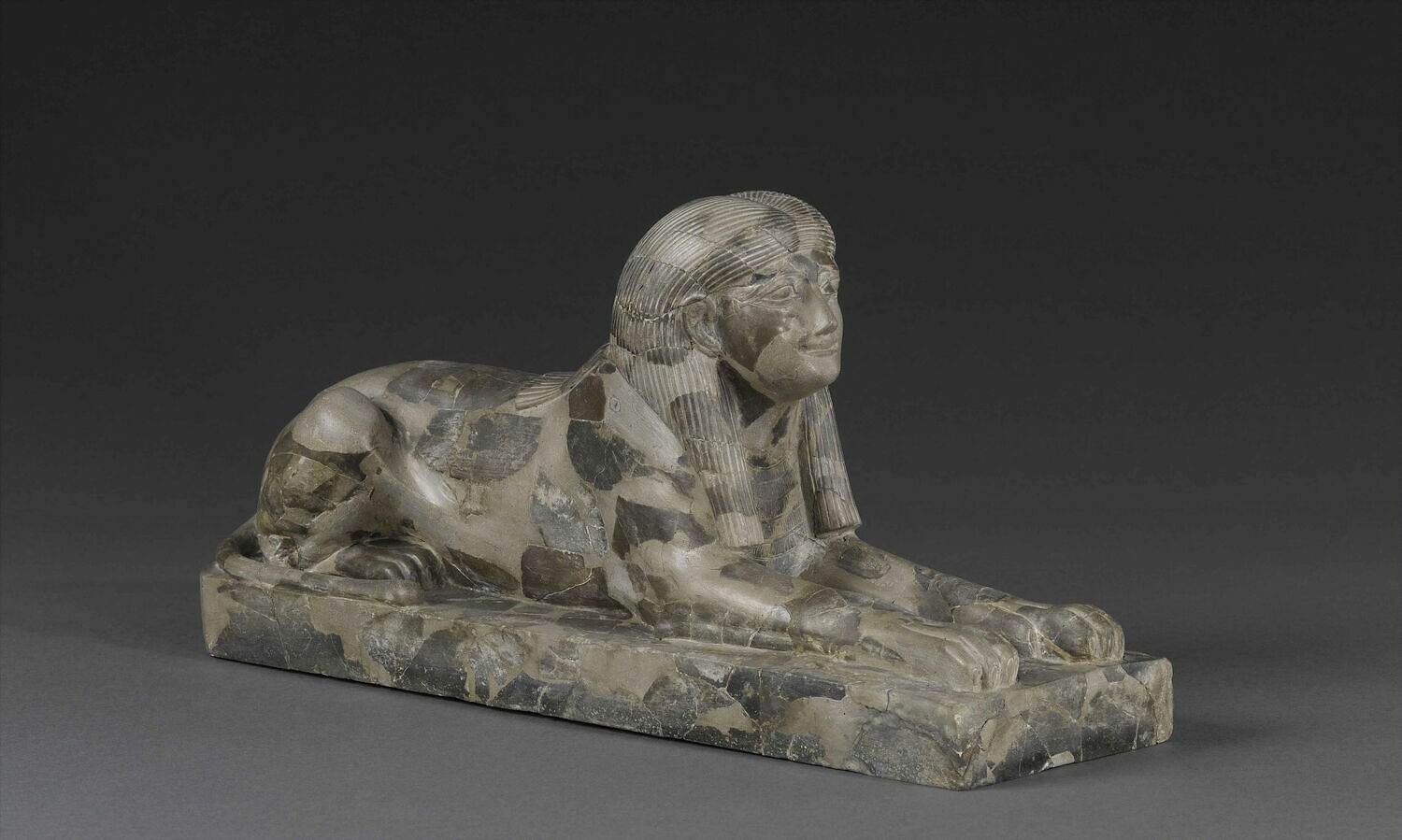
statue, Moyen Empire ; Bronze moyen (XIIe dynastie) (-1930 - -1850)

statue, Moyen Empire ; Bronze moyen (XIIe dynastie) (-1930 - -1850)

Protomé de sphinx, Néo-hittite (IXe s) (-900 - -800)

Protomé de sphinx, Néo-hittite (IXe s) (-900 - -800)

statue ; bétyle, Bronze moyen (?) (-2100 - -1550)

statue ; bétyle, Bronze moyen (?) (-2100 - -1550)

Tête de dieu syrien, Bronze moyen II (-1800 - -1600)

Tête de dieu syrien, Bronze moyen II (-1800 - -1600)

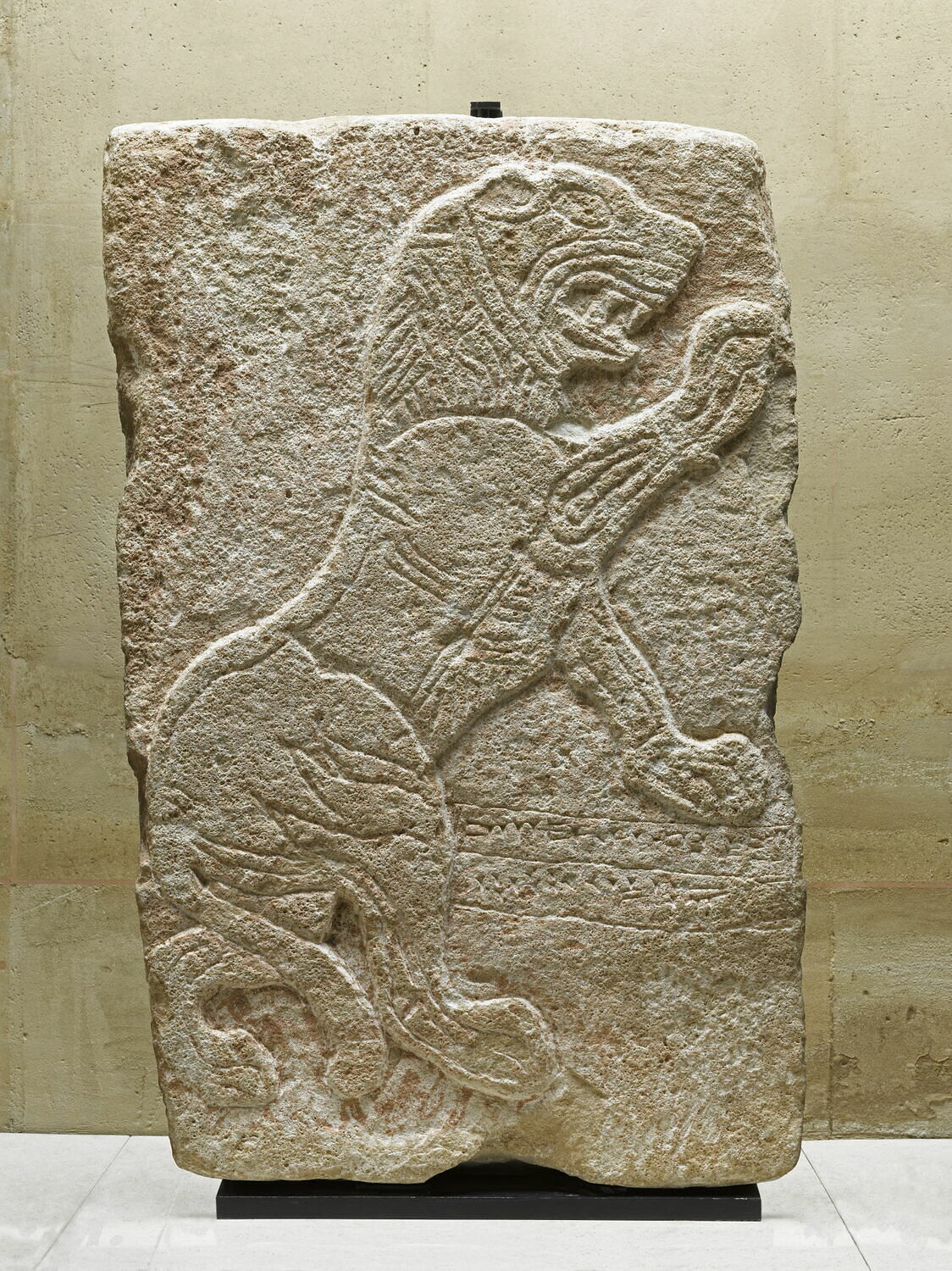
Orthostate : lion cabré, Néo-hittite (contexte de fouilles) (-1000 - -700)

Orthostate : lion cabré, Néo-hittite (contexte de fouilles) (-1000 - -700)