ART WIKI32,963 on view
MapCollectionArtistsMuseumsExhibitionsJournal
Sign in

ART WIKI

Where the masterpiece hangs, and when they let you in.

Collections: Art Institute of Chicago, Getty Villa, Harvard Art Museums, Hirshhorn Museum and Sculpture Garden, J. Paul Getty Museum, Minneapolis Institute of Art, Musée du Louvre, National Gallery of Art, National Museum of Asian Art, National Portrait Gallery (Smithsonian), Pushkin State Museum of Fine Arts, Rijksmuseum, Smithsonian American Art Museum, SMK — National Gallery of Denmark, State Hermitage Museum, State Russian Museum, The Cleveland Museum of Art, The Metropolitan Museum of Art, The Museum of Modern Art, Tretyakov Gallery, Victoria and Albert Museum, Whitney Museum of American Art, State Catalogue of the Museum Fund of Russia (274 museums), Europeana (19 museums), Wikidata (6 museums), Paris Musées (12 museums), and Joconde, the French Ministry of Culture's museum database (495 museums). Images belong to their rights holders.

Sections

  • Map
  • Search
  • Collection
  • Masterpieces
  • On view now
  • Artists

More

  • Museums & galleries
  • Exhibitions
  • Journal
  • Where the data comes from
  • Privacy & cookies
HomeMapBrowse
  1. Collection/
  2. Kunsthistorisches Museum/
  3. Spitzenklöpplerin
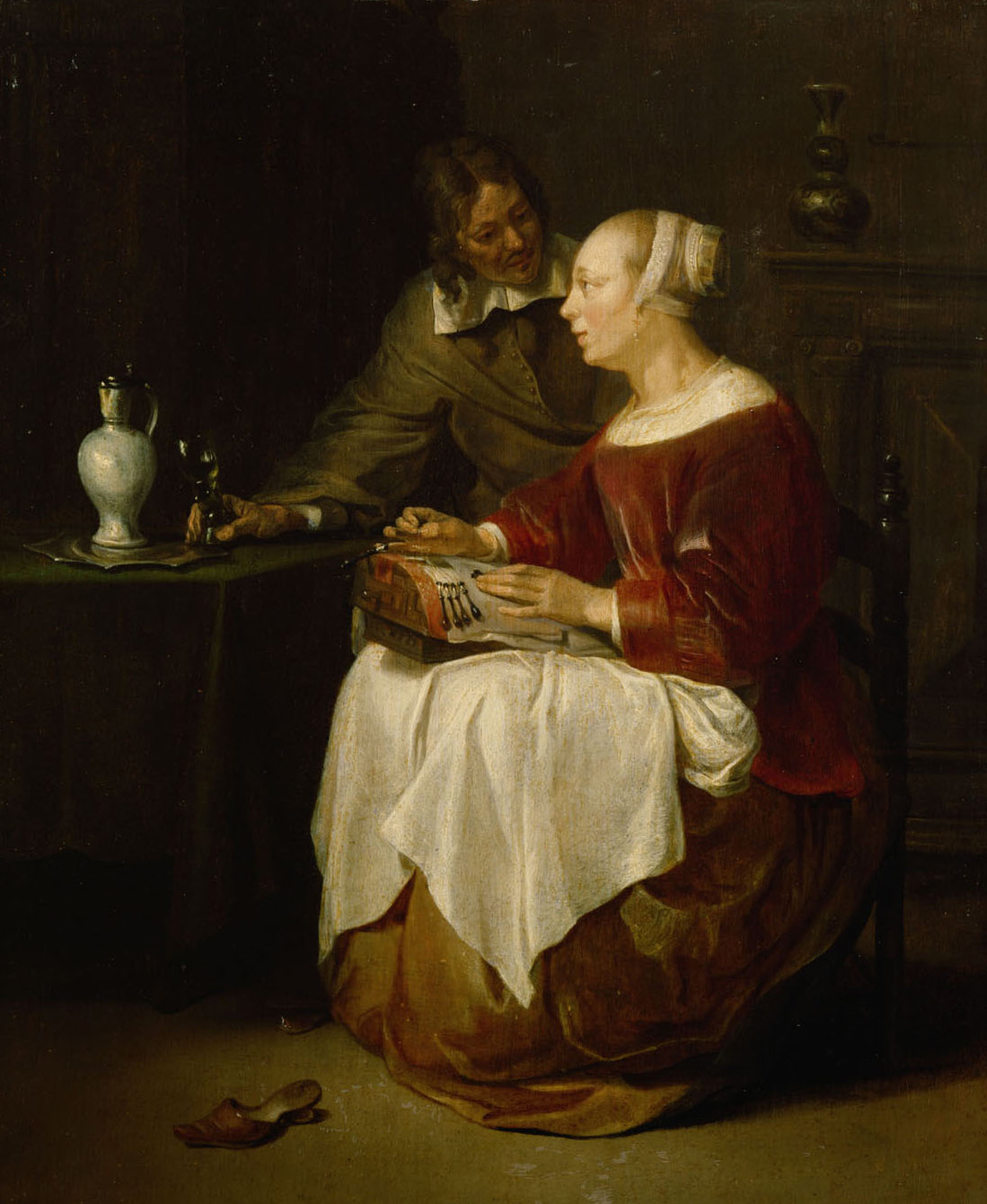
Spitzenklöpplerin, Gabriel Metsu, 1650-1700
Gabriël Metsu, portraitGabriël MetsuDutch, 1629–1667

Spitzenklöpplerin

1650-1700 · Painting

May one see it?

Unknown

Kunsthistorisches Museum

Vienna, Austria

The owner is known; whether it is on view today is not.

In this state since
Sep 27, 2026
Source
The museum
On the mapMuseum page

Particulars

In the catalog

PaintingsDutch paintingBaroque17th century

Sources

  • Kunsthistorisches Museum
  • Image: Kunsthistorisches Museum — CC BY-NC-SA 4.0

Meanwhile, in the life of Gabriël Metsu

The whole life
  1. 1644–1655 · Workplace

    Leiden

  2. c. 1655

    Moves from Leiden to Amsterdam

    With money troubles during the First Anglo-Dutch War he moved to Amsterdam — though other accounts say he settled there only in 1657, living in Leiden with short breaks until then. He lived in an alley on the Prinsengracht next to a brewery and near his relatives, the children of the sugar refiner Philips Metsu; in Amsterdam he came under the influence of Gerard ter Borch and possibly Pieter Codde.

  3. 27 April 1658

    Married: Isabella de Wolff

  4. early 1660s

    Turns to the Leiden “fijnschilders”

    At the onset of the 1660s he turned for inspiration to the art of the Leiden “fijnschilders” (“fine painters”), whose origin is traced to Dou: their paintings on wood or copper are marked by exceptional rendering of minute detail and a smooth, glowing surface. He was apparently responding to the market for Dou’s paintings, which Dou sold at exorbitant prices.

  5. c. 1661

    Wins the patronage of the cloth merchant Jan Hinlopen

    He won the patronage of the Amsterdam cloth merchant Jan J. Hinlopen, one of his most important patrons, and painted his family more than once in a fashionable setting. Such works include the “Portrait of the Hinlopen Family” (Berlin) and “Visit to the Nursery” (Metropolitan Museum).

  6. 24 October 1667

    Died

More by Gabriël Metsu

All works
De jagersbuit, Gabriël Metsu, c. 1658 - c. 1661

De jagersbuit

c. 1658 - c. 1661 · Rijksmuseum

Het zieke kind, Gabriël Metsu, c. 1664 - c. 1666

Het zieke kind

c. 1664 - c. 1666 · Rijksmuseum

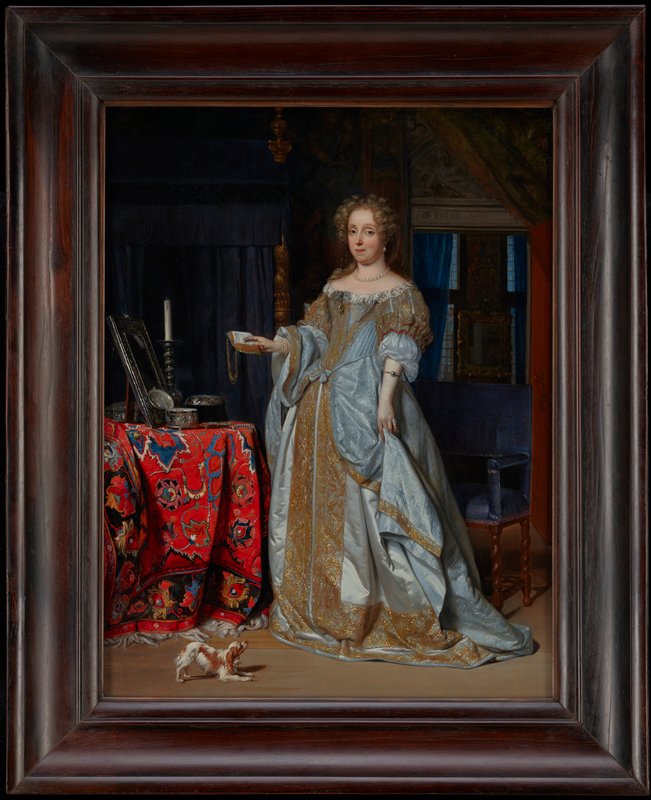
Portrait of Lucia Wijbrants, Gabriël Metsu, 1667

Portrait of Lucia Wijbrants

1667 · Minneapolis Institute of Art

Lace-Maker, Gabriël Metsu, 17th century

Lace-Maker

17th century · State Hermitage Museum

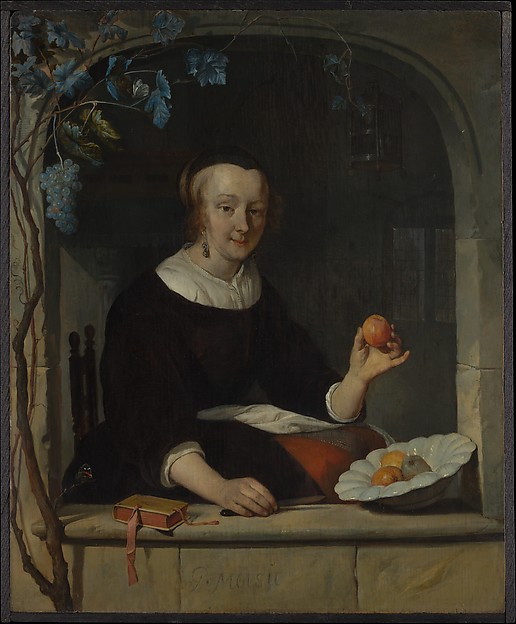
A Woman Seated at a Window, Gabriël Metsu, early 1660s

A Woman Seated at a Window

early 1660s · The Metropolitan Museum of Art

Prodigal Son, Gabriël Metsu, 1649

Prodigal Son

1649 · State Hermitage Museum

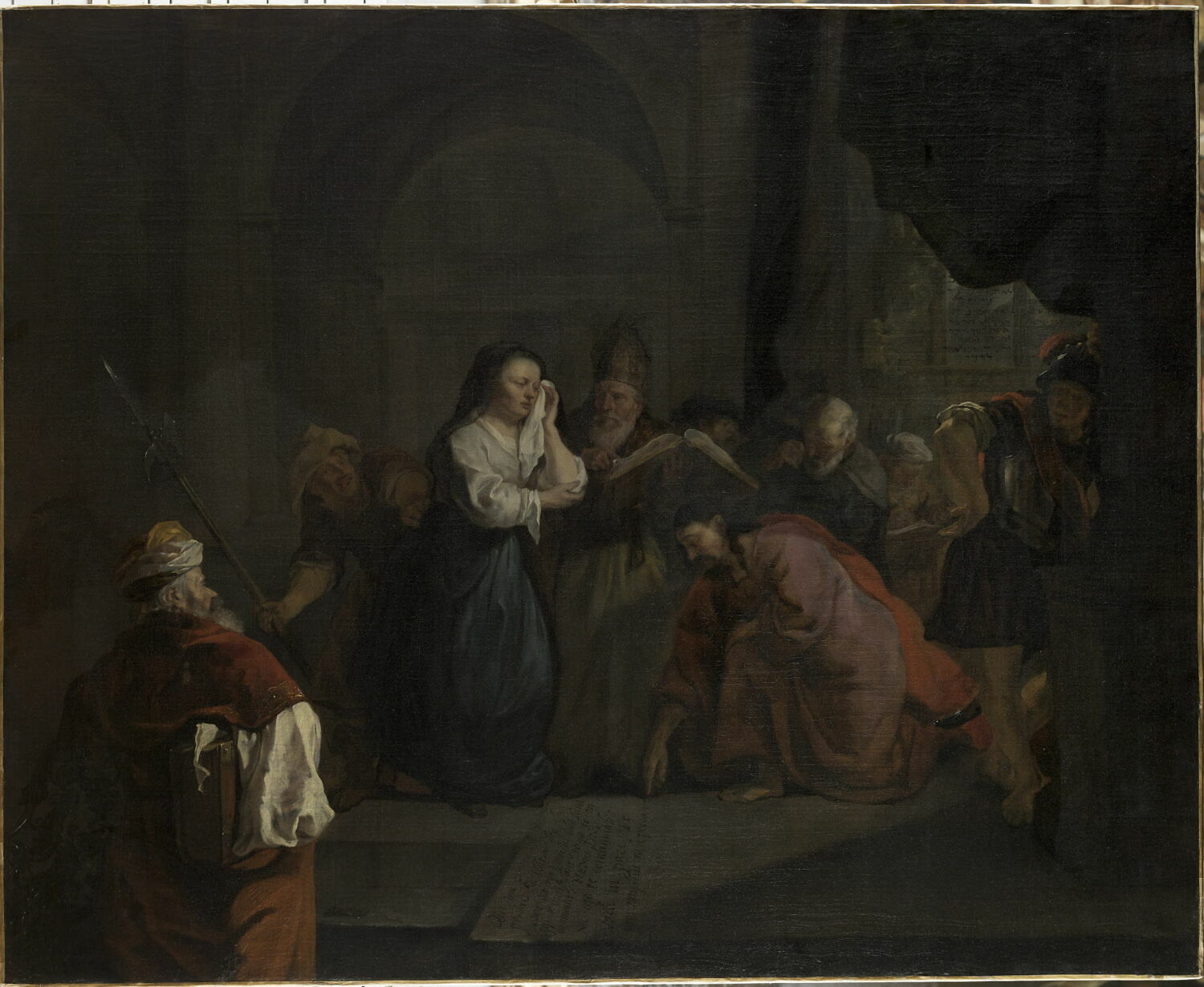
Le Christ prenant la défense de la femme adultère, Metsu, Gabriel, 3e quart du XVIIe siècle (1653)

Le Christ prenant la défense de la femme adultère

third quarter of the 17th century (1653) · Musée du Louvre

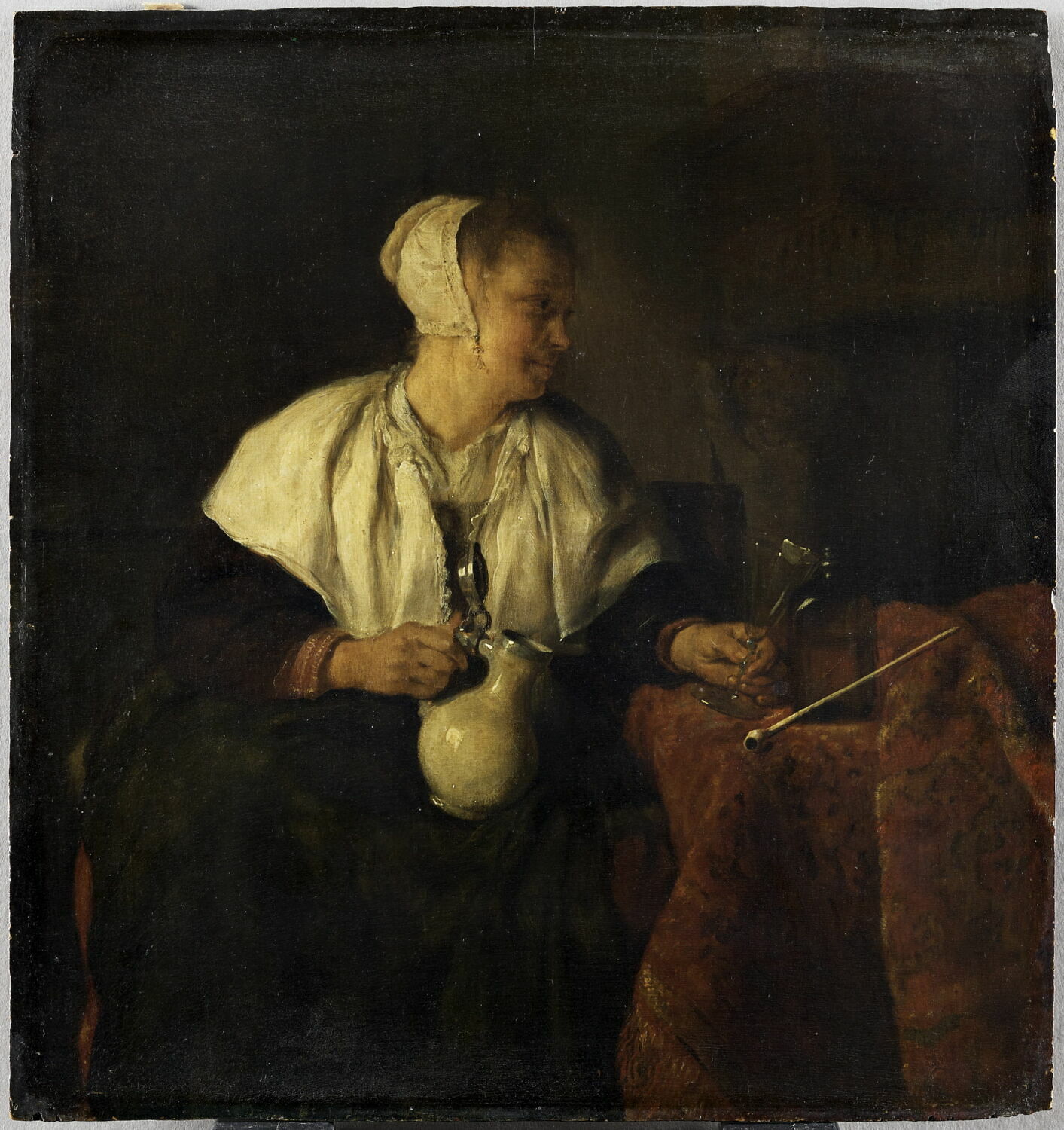
La Riboteuse hollandaise, Metsu, Gabriel, 3e quart du XVIIe siècle (A dater vers 1657-1658, à la fin de la période leydoise de l'artiste sinon au début de sa période amsterdamoise, marquée par l'exemple de Ter Borch.) (1657 - 1658)

La Riboteuse hollandaise

third quarter of the 17th century (1657–1658) · Musée du Louvre

From the collection of Kunsthistorisches Museum

Museum page
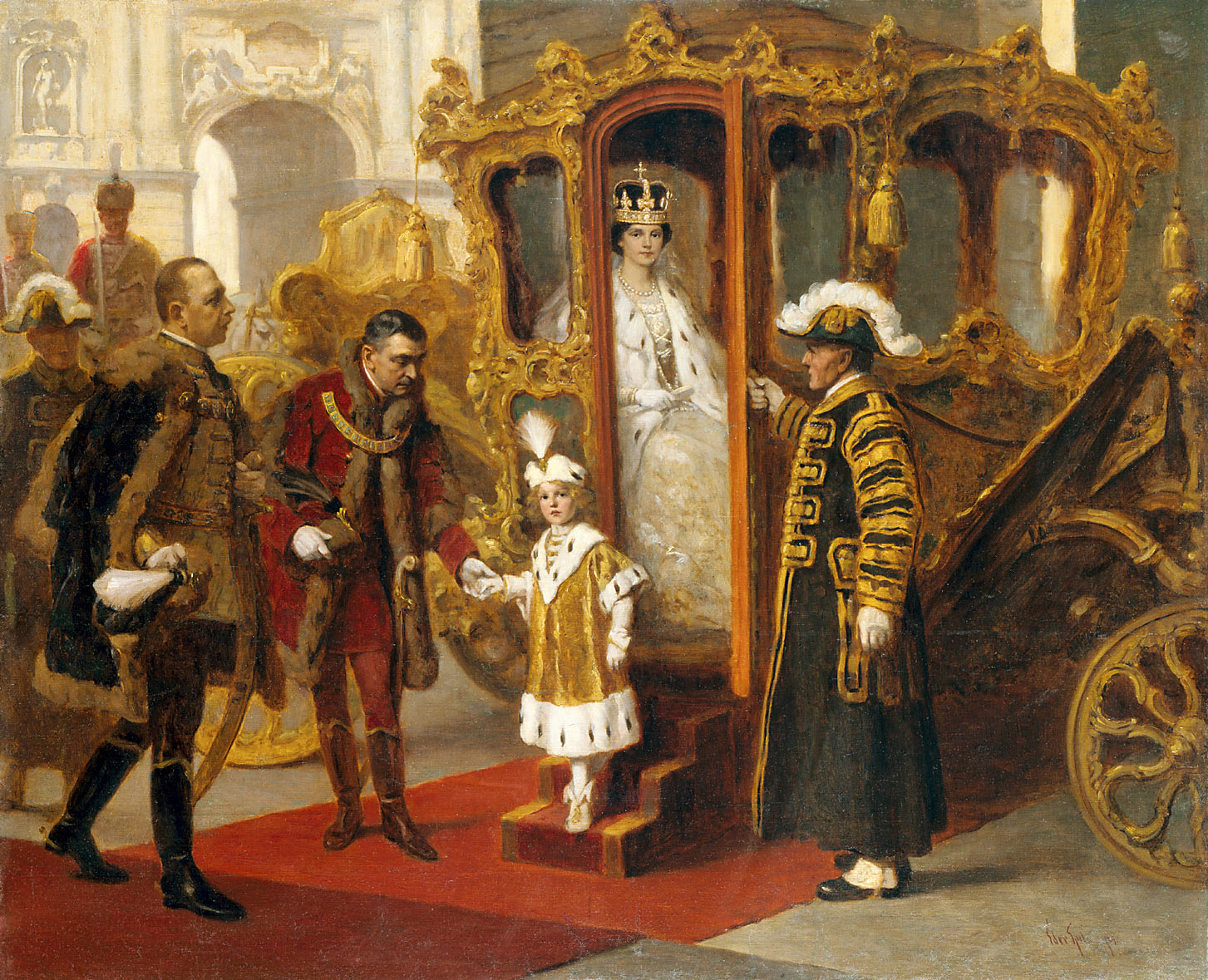
Kaiserin/Königin Zita und Kronprinz Otto beim Verlassen des Imperialwagens vor der Königskrönung in Budapest (30.12.1916), Gyula Éder, 1929

Gyula Éder

Kaiserin/Königin Zita und Kronprinz Otto beim Verlassen des Imperialwagens vor der Königskrönung in Budapest (30.12.1916), 1929

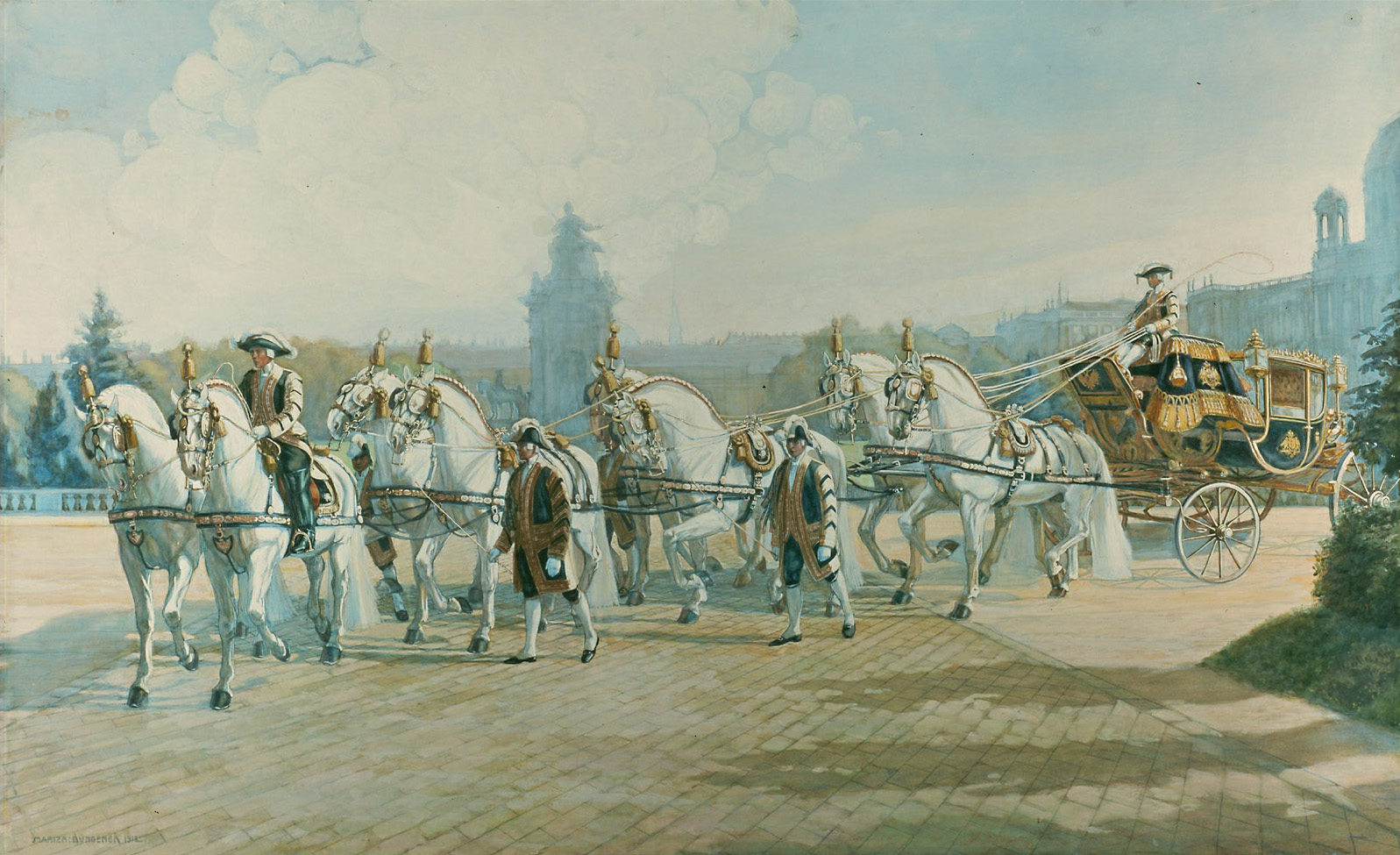
Der Gala-Staatswagen Kaiser Franz Josephs bei der Rückkehr in die Hofstallungen, Mariza Büngener, 1912

Mariza Büngener

Der Gala-Staatswagen Kaiser Franz Josephs bei der Rückkehr in die Hofstallungen, 1912

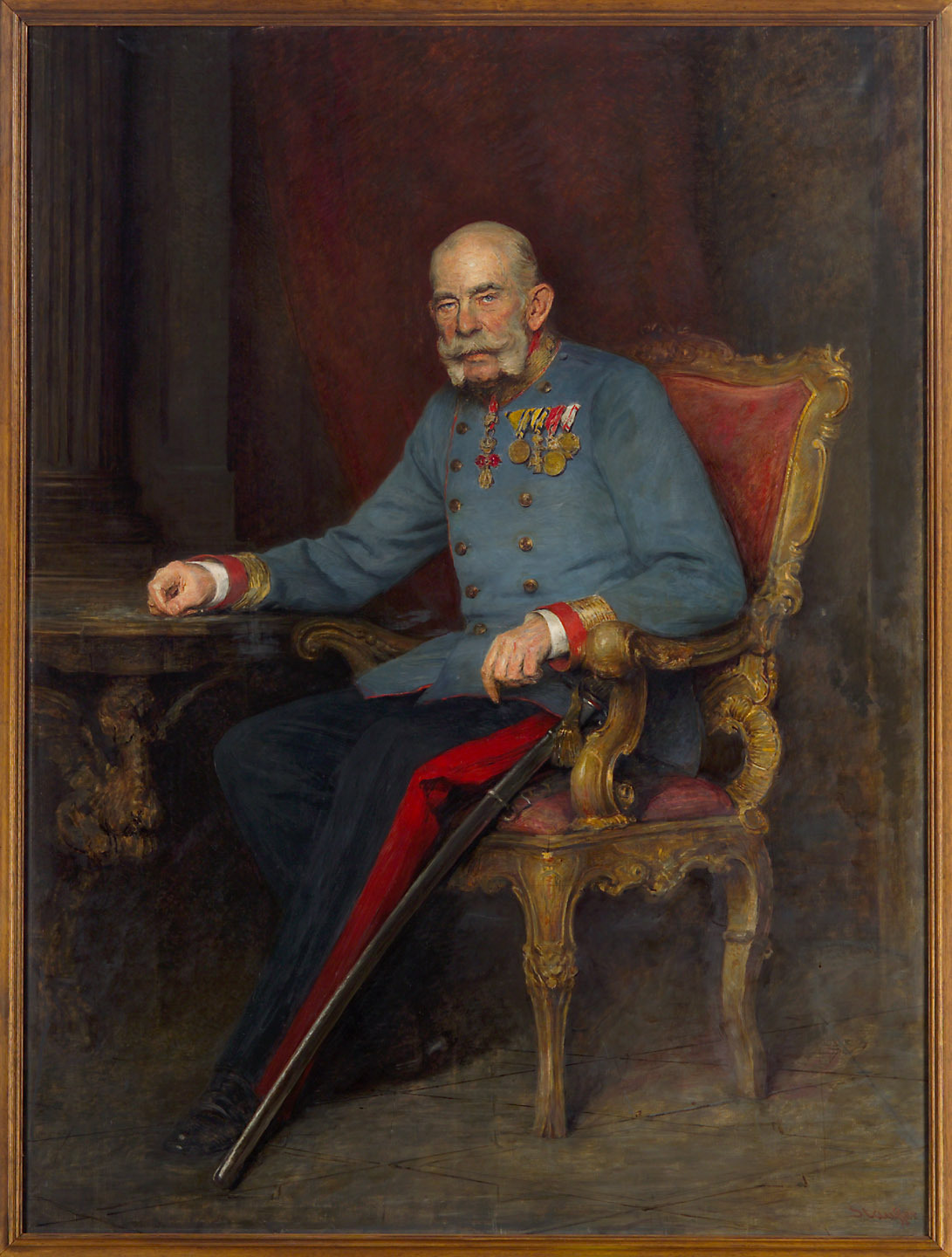
Kaiser Franz Joseph I. (1830-1916) sitzend, Viktor Stauffer, 1911-1916

Viktor Stauffer

Kaiser Franz Joseph I. (1830-1916) sitzend, 1911-1916

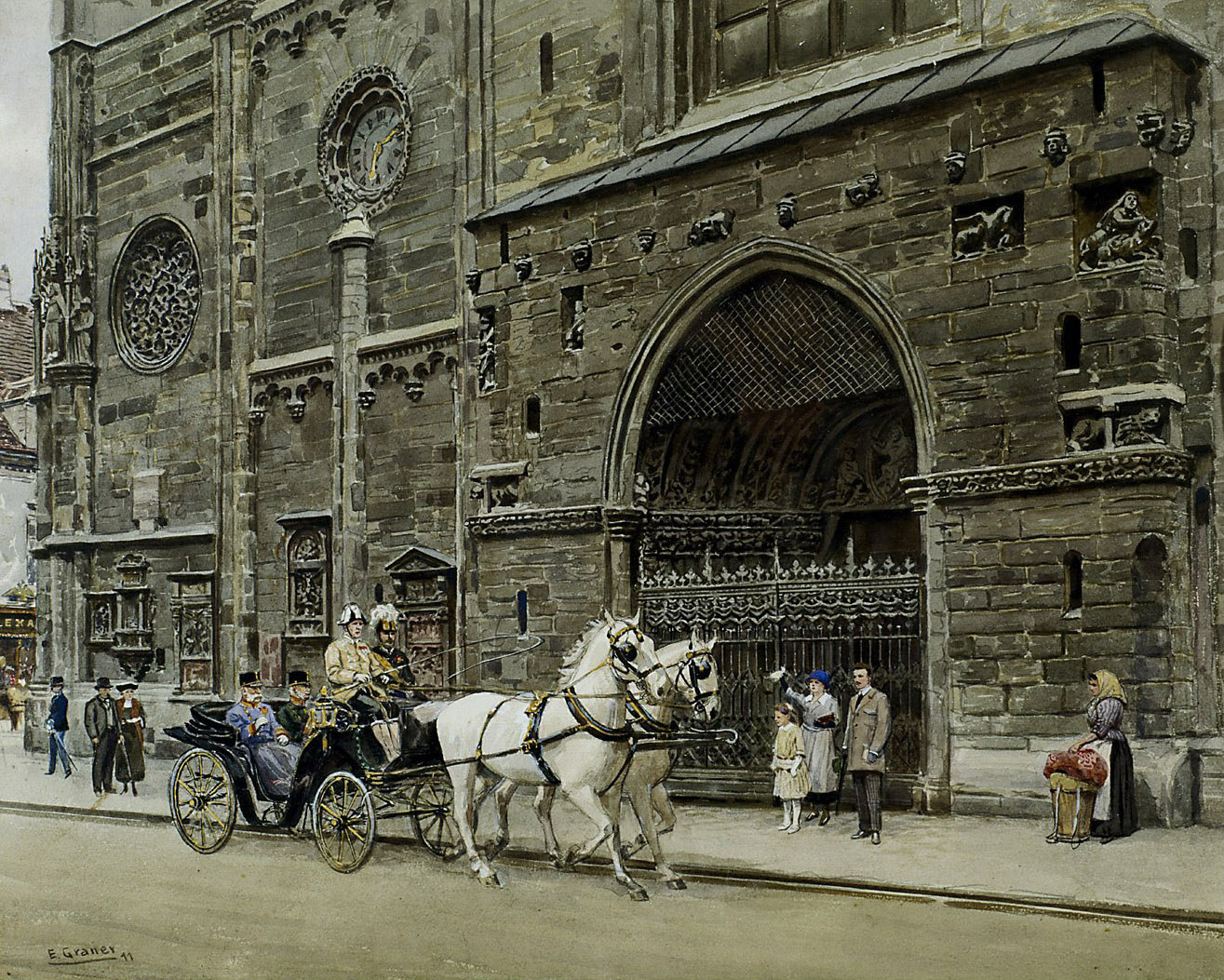
Kaiser Franz Joseph und Generaladjutant Graf Eduard Paar in einem Mylord mit Schimmelpaarweiszug vor der Stephanskirche, Ernst Graner, 1911

Ernst Graner

Kaiser Franz Joseph und Generaladjutant Graf Eduard Paar in einem Mylord mit Schimmelpaarweiszug vor der Stephanskirche, 1911

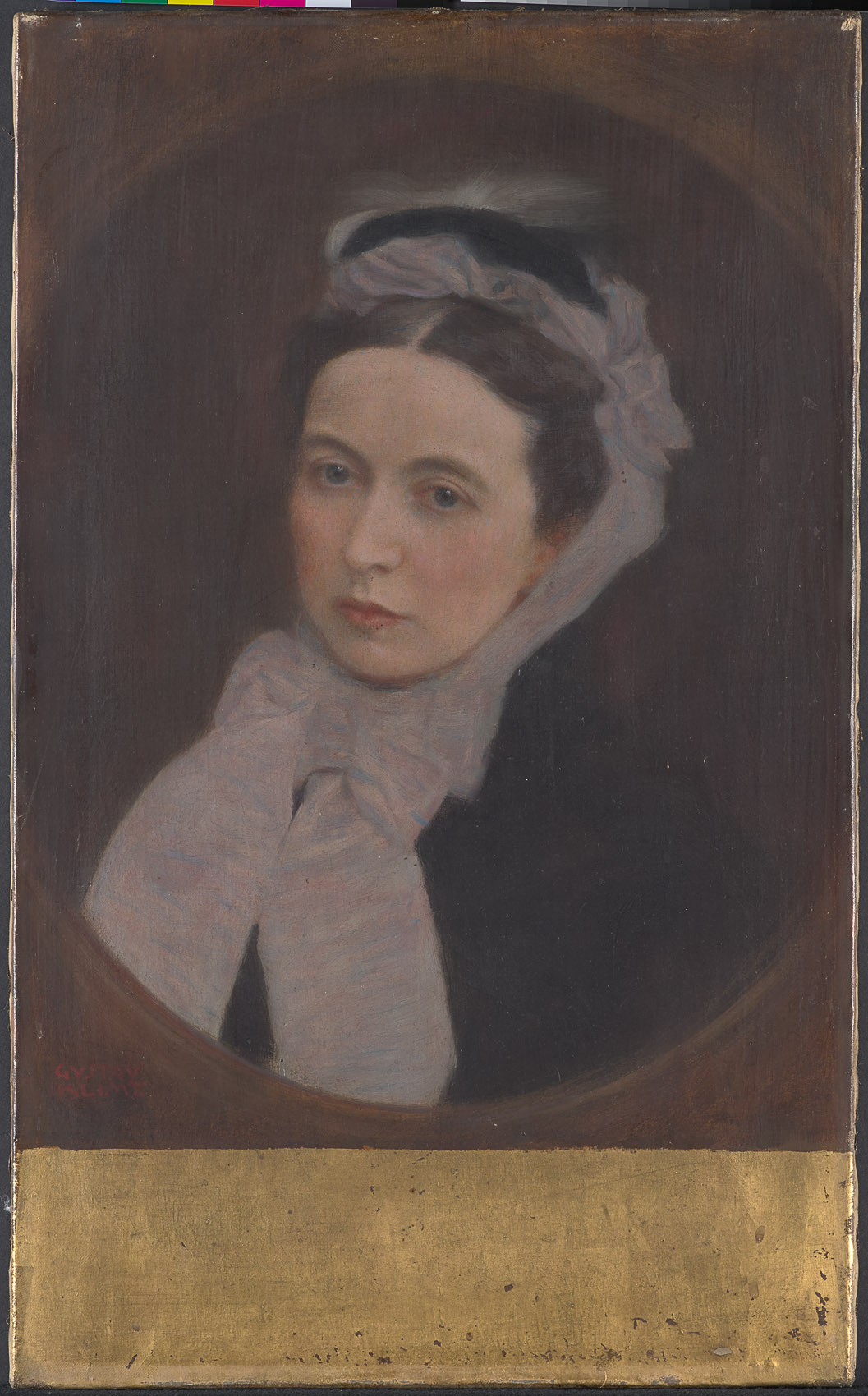
Dame mit lila Schal, Gustav Klimt, 1895

Gustav Klimt

Dame mit lila Schal, 1895

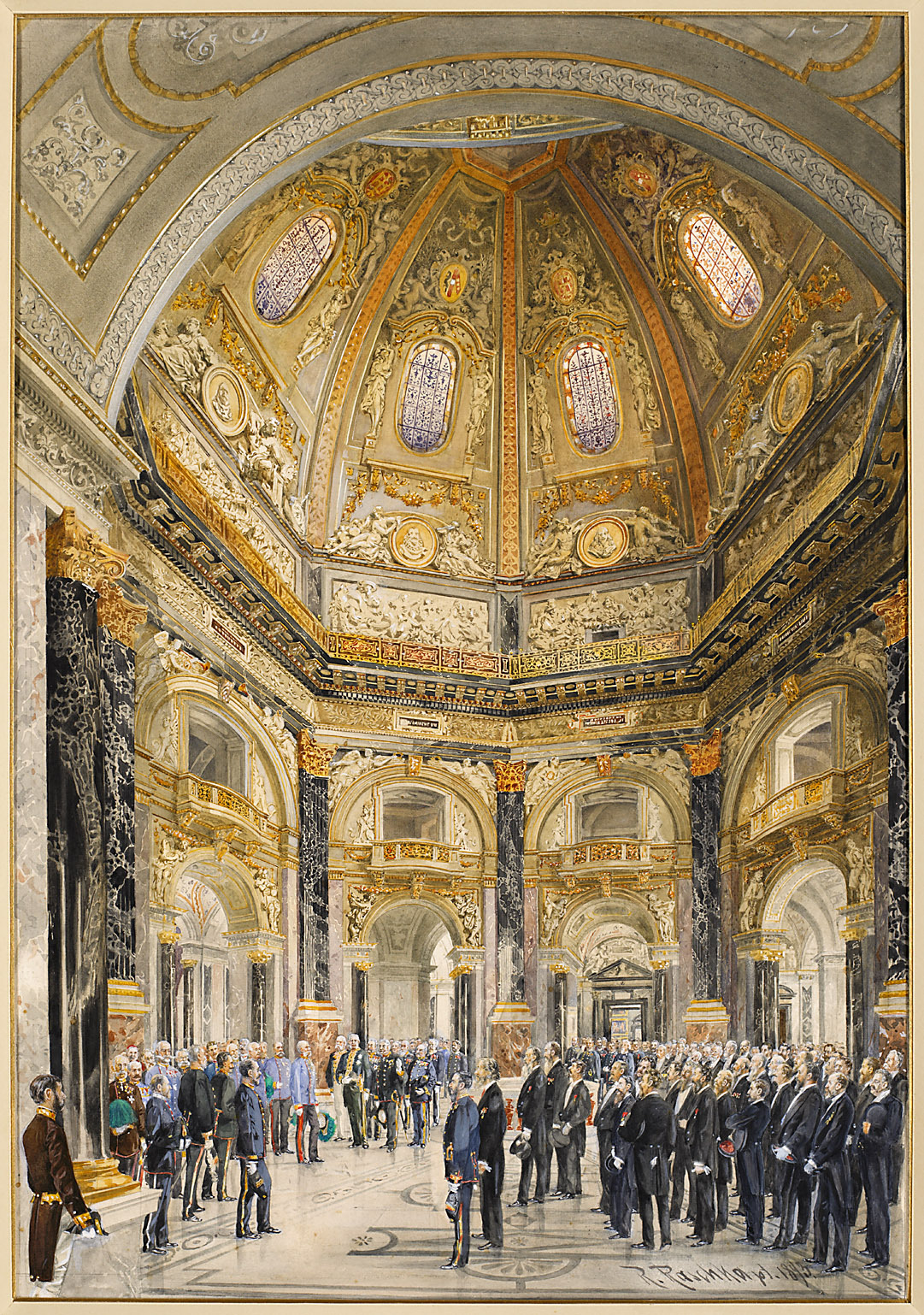
Die Eröffnung des Kunsthistorischen Museums durch Kaiser Franz Joseph I. am 17.10.1891, Robert Raschka, 1891

Robert Raschka

Die Eröffnung des Kunsthistorischen Museums durch Kaiser Franz Joseph I. am 17.10.1891, 1891

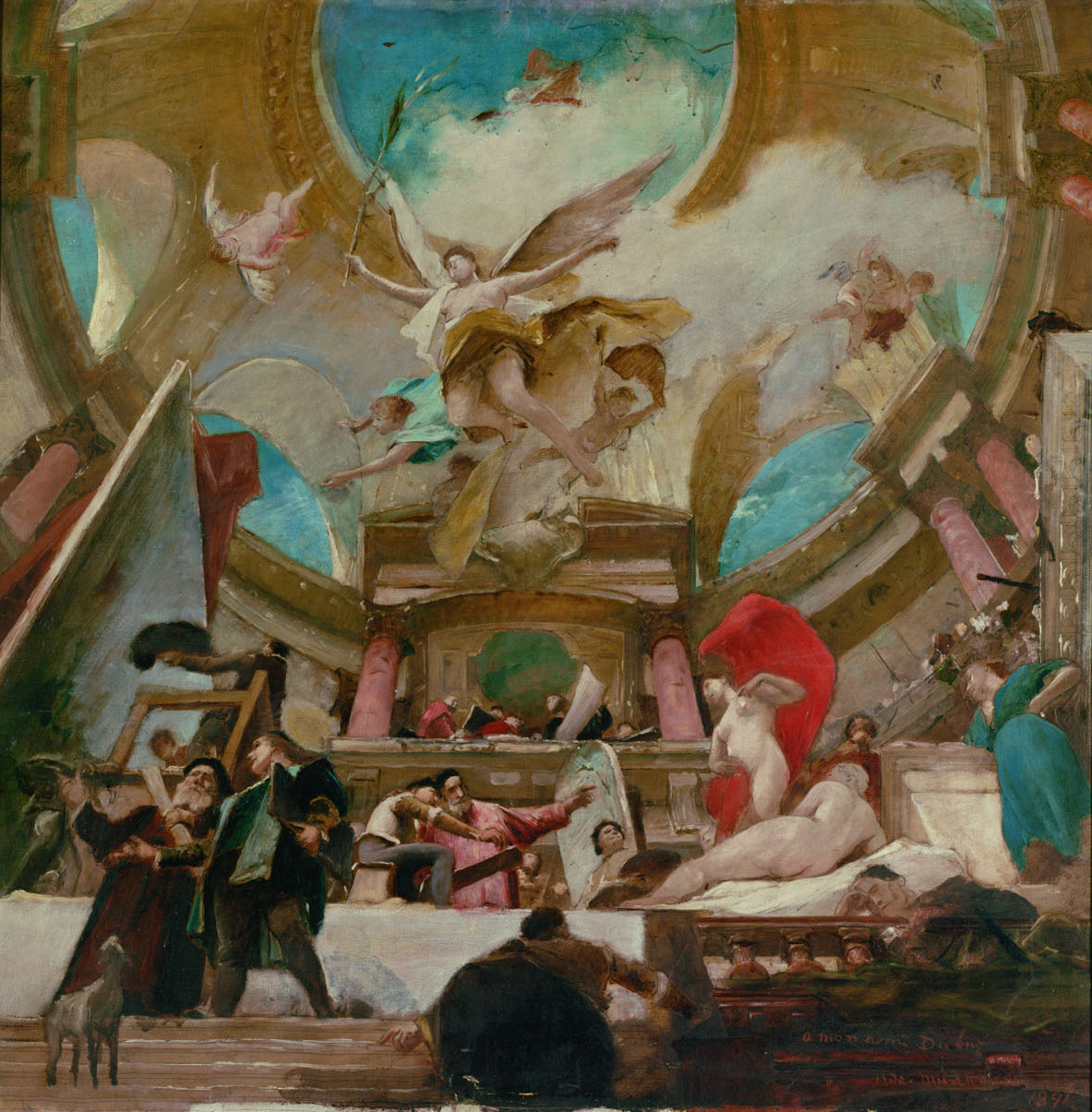
Apotheose der Renaissance, Mihály von Munkácsy, 1888

Mihály Munkácsy

Apotheose der Renaissance, 1888

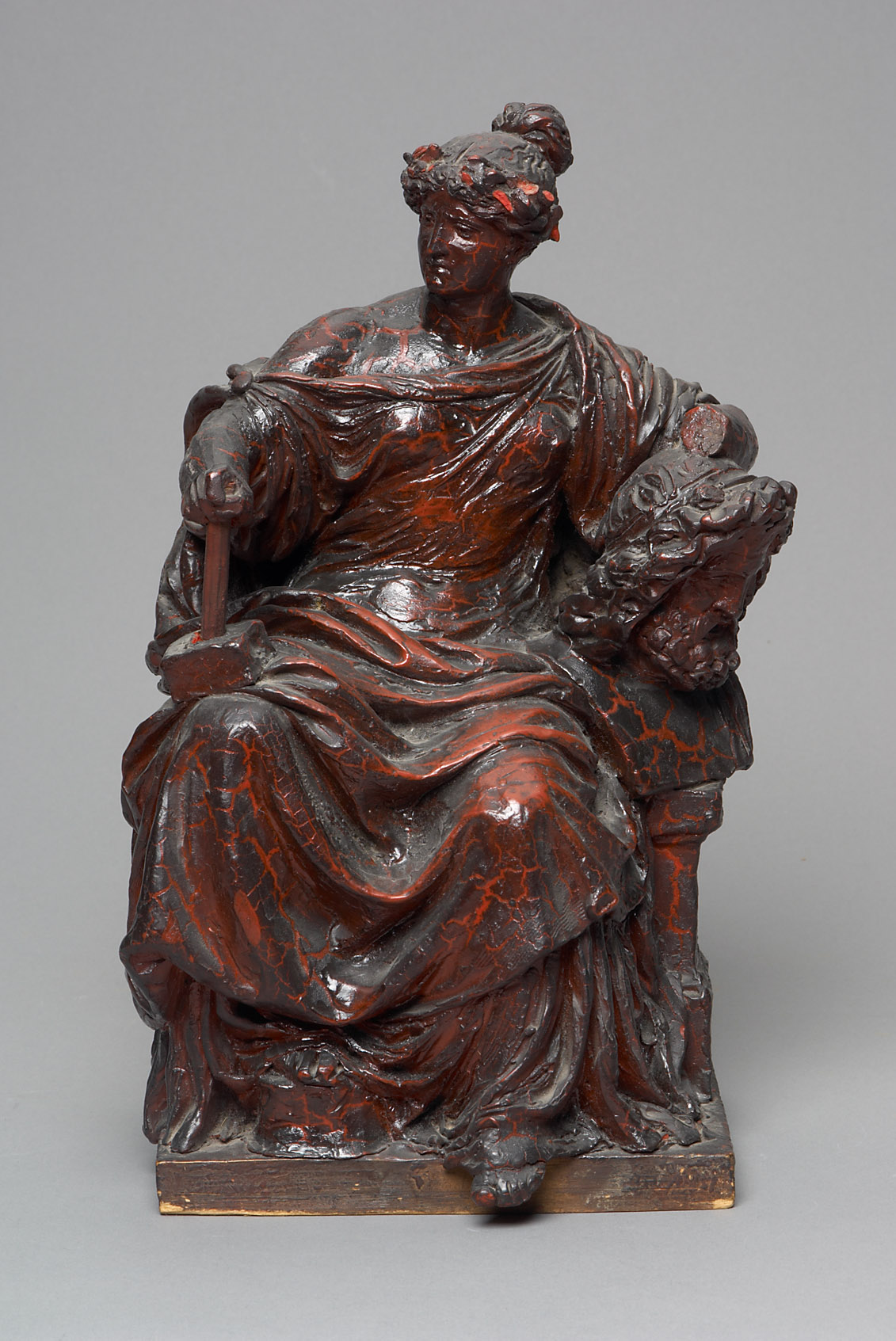
Allegorie der Bildhauerei / Figurenschmuck der Fassade des Kunsthistorischen Museums in Wien., Johannes Benk, 1878-1879

Johannes Benk

Allegorie der Bildhauerei / Figurenschmuck der Fassade des Kunsthistorischen Museums in Wien., 1878-1879