ART WIKI33,040 on view
MapCollectionArtistsMuseumsExhibitionsJournal
Sign in

ART WIKI

Where the masterpiece hangs, and when they let you in.

Collections: Art Institute of Chicago, Getty Villa, Harvard Art Museums, Hirshhorn Museum and Sculpture Garden, J. Paul Getty Museum, Minneapolis Institute of Art, Musée du Louvre, National Gallery of Art, National Museum of Asian Art, National Portrait Gallery (Smithsonian), Pushkin State Museum of Fine Arts, Rijksmuseum, Smithsonian American Art Museum, SMK — National Gallery of Denmark, State Hermitage Museum, State Russian Museum, The Cleveland Museum of Art, The Metropolitan Museum of Art, The Museum of Modern Art, Tretyakov Gallery, Victoria and Albert Museum, Whitney Museum of American Art, State Catalogue of the Museum Fund of Russia (274 museums), Europeana (19 museums), Wikidata (6 museums), Paris Musées (12 museums), and Joconde, the French Ministry of Culture's museum database (495 museums). Images belong to their rights holders.

Sections

  • Map
  • Search
  • Collection
  • Masterpieces
  • On view now
  • Artists

More

  • Museums & galleries
  • Exhibitions
  • Journal
  • Where the data comes from
  • Privacy & cookies
HomeMapBrowse
  1. Collection/
  2. Belvedere/
  3. Sonnenblume
Sonnenblume, Gustav Klimt, 1907–1908
Gustav Klimt, portraitGustav KlimtAustrian, 1862–1918

Sonnenblume

1907–1908 · Painting

May one see it?

Unknown

Belvedere

Vienna, Austria

The owner is known; whether it is on view today is not.

In this state since
Sep 27, 2026
Source
The museum
On the mapMuseum page

About the painting

In the museum's own words — in German

Gustav Klimt zeigt eine einzelne majestätische Sonnenblume inmitten dieser quadratischen Komposition, in der sich das Grün einer Hecke wie ein Musterteppich über die gesamte Bildfläche ausbreitet. Die Blüte leicht geneigt, scheint sie ihre Blätter wie zum Schutz über die bunten Sommerblumen zu wölben, die dicht gedrängt unter ihr wachsen. Tatsächlich wurde Klimts Sonnenblume immer wieder als menschenähnliche Gestalt gedeutet, die in ihrer Form an mittelalterliche Schutzmantelmadonnen erinnert: Der berühmte Kunstkritiker der Wiener Secession Ludwig Hevesi sah in ihr eine „verliebte Fee“. Andere wollten in diesem Gemälde gar ein verstecktes Porträt der Designerin Emilie Flöge erkennen.

Belvedere

Particulars

1907–1908
18621918

In the catalog

PaintingsAustrian paintingModernism20th century

Sources

  • Belvedere
  • Image: Belvedere — CC BY-SA 4.0

Meanwhile, in the life of Gustav Klimt

The whole life
  1. 1900–1907

    He returns the advance and keeps the paintings

    The state commission refused to accept the three “Faculty Paintings”; Klimt told the minister he would return the 60,000-krone advance, refused to work for the Austrian state again and kept the pictures. The ministry demanded them, but Klimt did not open the door to the removal men — and the affair ended in his victory.

  2. 1905

    Klimt and his group leave the Secession

    Klimt and his “stylist” followers, who held that art should enter every sphere of life, fell out with the “naturalists”; the decision against Klimt's group was carried by a single vote. For the next three years the group had no joint exhibitions.

  3. 1906

    The “Kunstschau” group

    A year after the split Klimt formed the “Kunstschau” group, or “Klimt group”, which included Carl Moll, Otto Wagner and other leading Austrian artists.

  4. 1 June – 16 November 1908

    The first Vienna Art Show

    For the sixtieth anniversary of Franz Joseph's reign pavilions with 54 rooms were built on a temporary site and over 900 works shown. Room 22, which Peter Altenberg called “the church of modern art named after Gustav Klimt”, held “The Kiss”, “Adele Bloch-Bauer I”, “Danaë” and “The Three Ages of Woman”.

  5. 1909

    The second Vienna Art Show

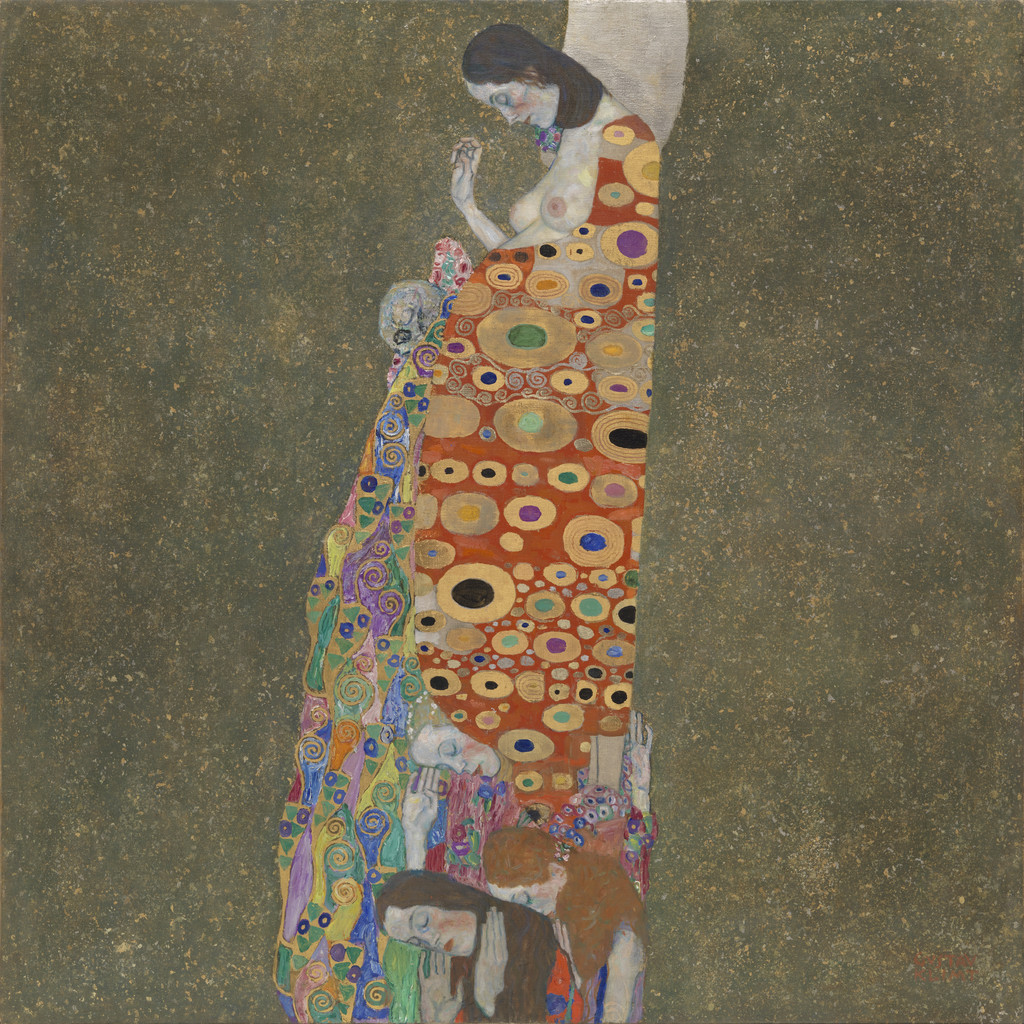
    The second generation of modernists was represented by Kokoschka and Egon Schiele, and Klimt showed “Judith II” and “Hope II”. The works of Van Gogh, Munch, Gauguin, Vallotton, Bonnard and Matisse gave him the impulse for a new phase, but he never organized exhibitions again.

  6. 1910

    Klimt at the Venice Biennale

    Klimt's exhibition at the 1910 Venice Biennale influenced the artistic scene of Venice; the Italian Liberty artists Galileo Chini and Vittorio Zecchin were among those he influenced.

More by Gustav Klimt

All works
Mäda Primavesi (1903–2000), Gustav Klimt, 1912–13

Mäda Primavesi (1903–2000)

1912–13 · The Metropolitan Museum of Art

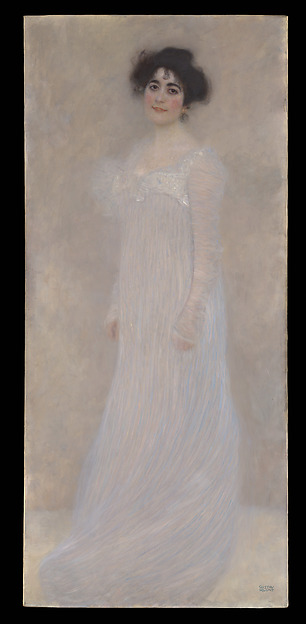
Serena Pulitzer Lederer (1867–1943), Gustav Klimt, 1899

Serena Pulitzer Lederer (1867–1943)

1899 · The Metropolitan Museum of Art

Hope, II, Gustav Klimt, 1907-08

Hope, II

1907-08 · The Museum of Modern Art

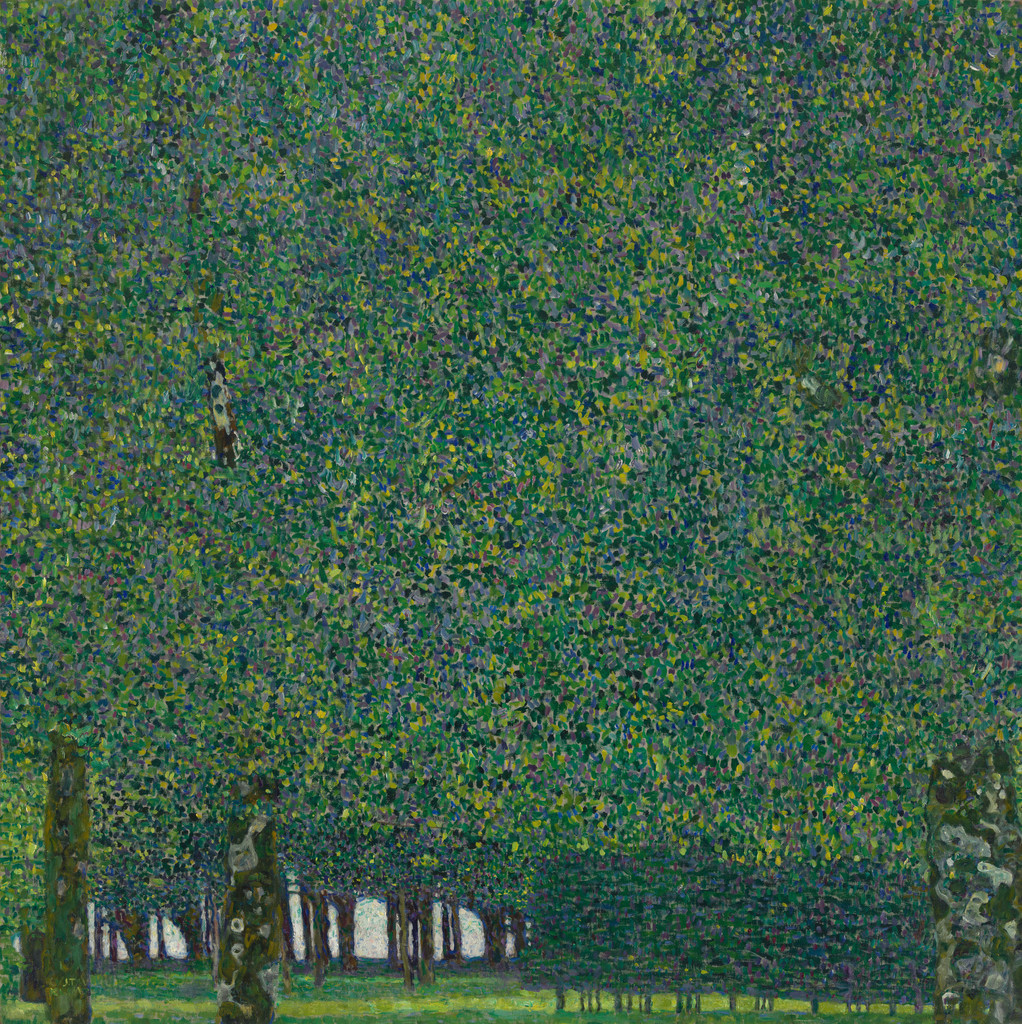
The Park, Gustav Klimt, 1910 or earlier

The Park

1910 or earlier · The Museum of Modern Art

Baby (Cradle), Gustav Klimt, 1917/1918

Baby (Cradle)

1917/1918 · National Gallery of Art

Pear Tree, Gustav Klimt, 1903 (reworked by the artist 1903/1918)

Pear Tree

1903 (reworked by the artist 1903/1918) · Harvard Art Museums

Studie van een in een plaid gewikkelde, rustende vrouw, Gustav Klimt, 1872 - 1918

Studie van een in een plaid gewikkelde, rustende vrouw

1872 - 1918 · Rijksmuseum

Studie für „Bildnis Johanna Staude“, Gustav Klimt

Studie für „Bildnis Johanna Staude“

Albertina

From the collection of Belvedere

Museum page
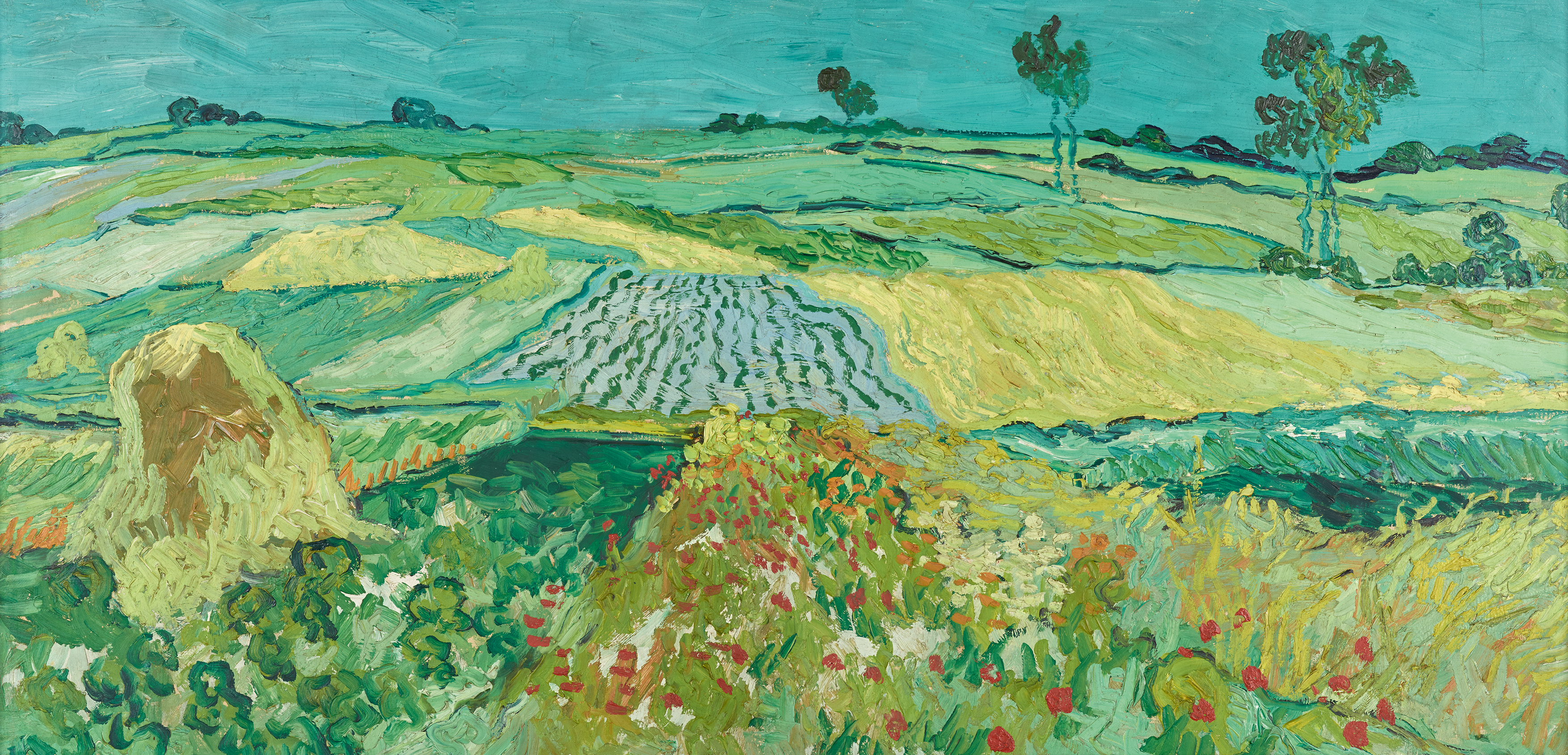
Die Ebene von Auvers, Vincent van Gogh, 1890

Vincent van Gogh

Die Ebene von Auvers, 1890

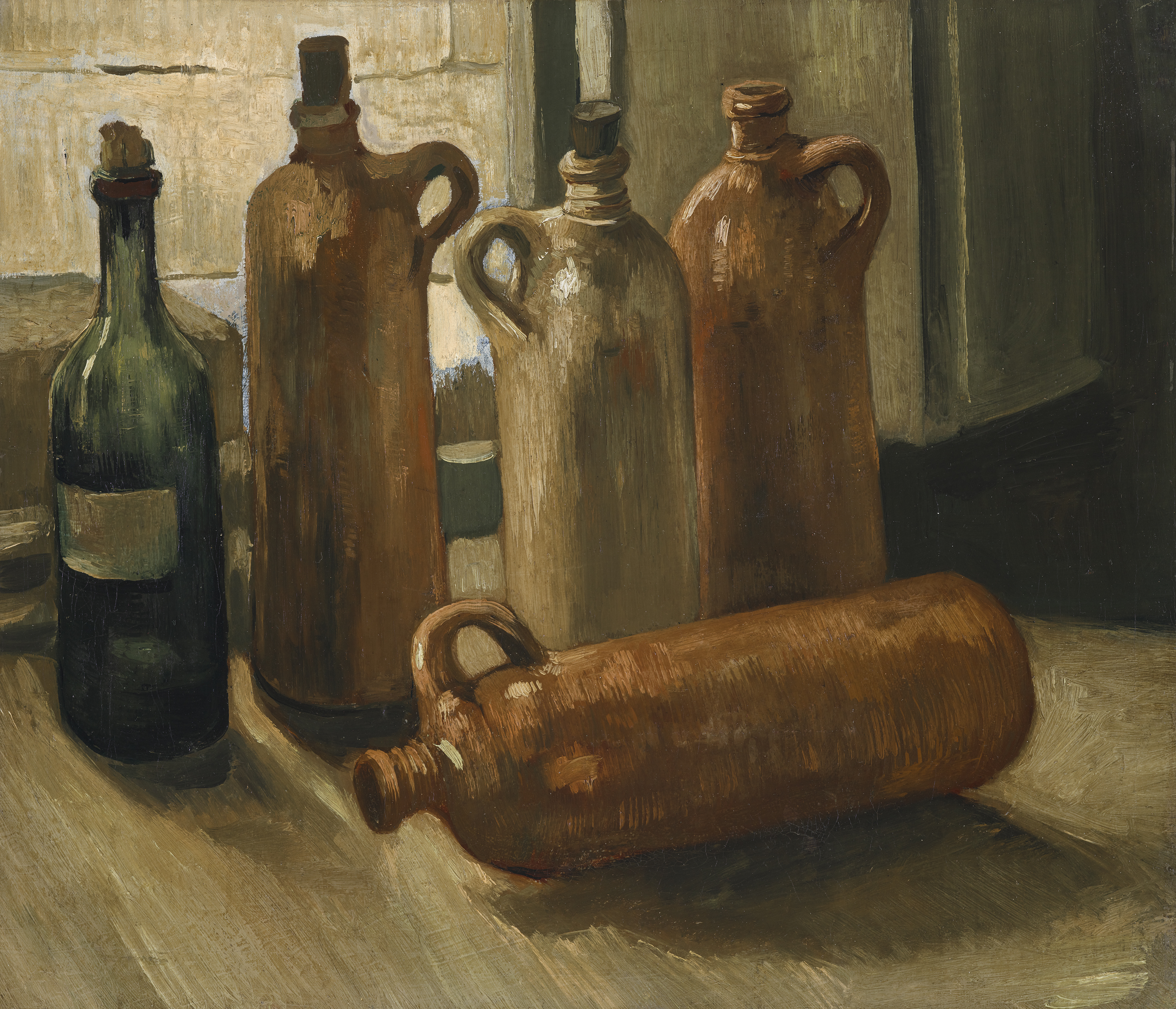
Stillleben mit fünf Flaschen, Vincent van Gogh, 1884

Vincent van Gogh

Stillleben mit fünf Flaschen, 1884

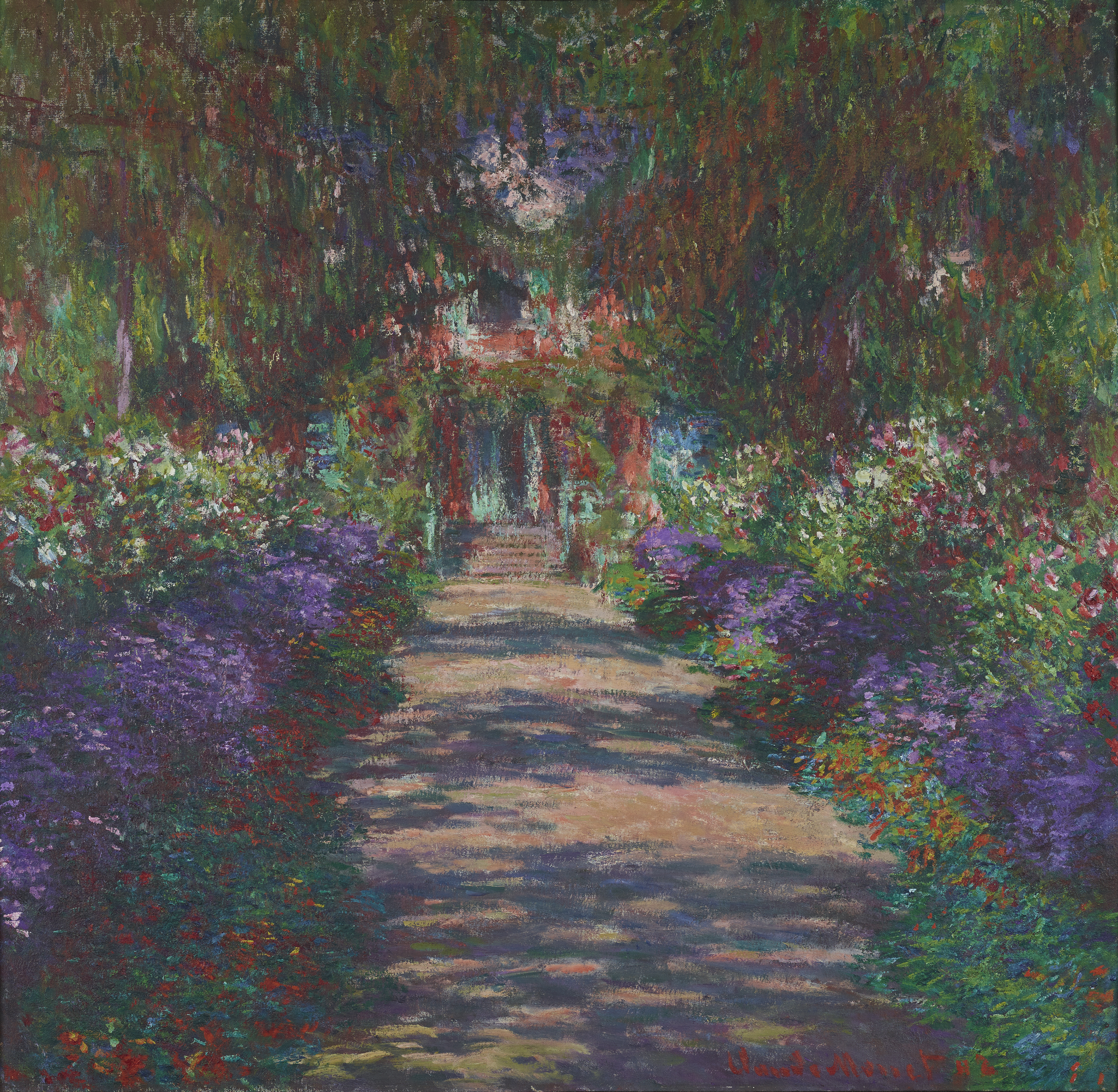
Eine Allee in Monets Garten in Giverny, Claude Monet, 1902

Claude Monet

Eine Allee in Monets Garten in Giverny, 1902

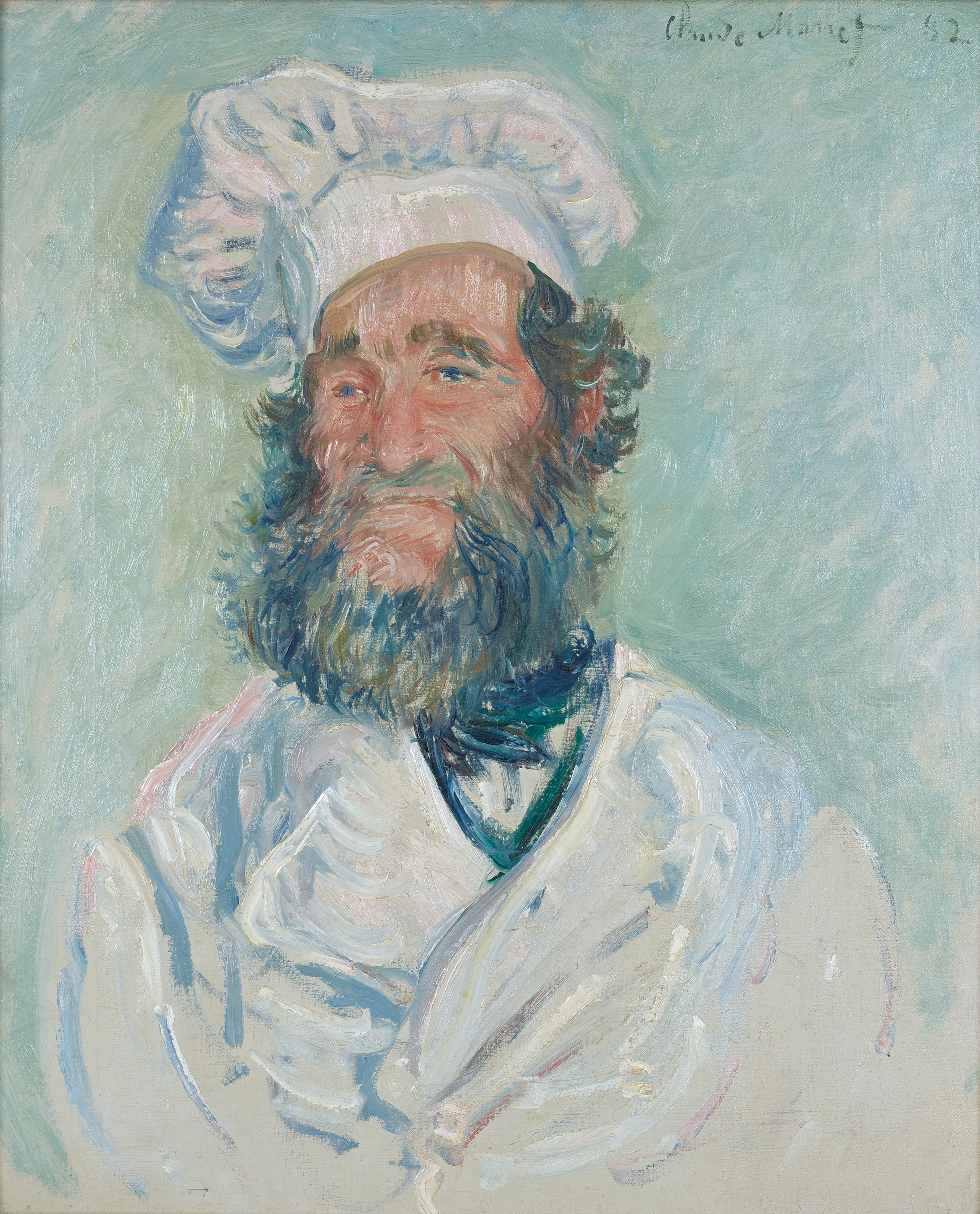
Der Koch (Le Père Paul), Claude Monet, 1882

Claude Monet

Der Koch (Le Père Paul), 1882

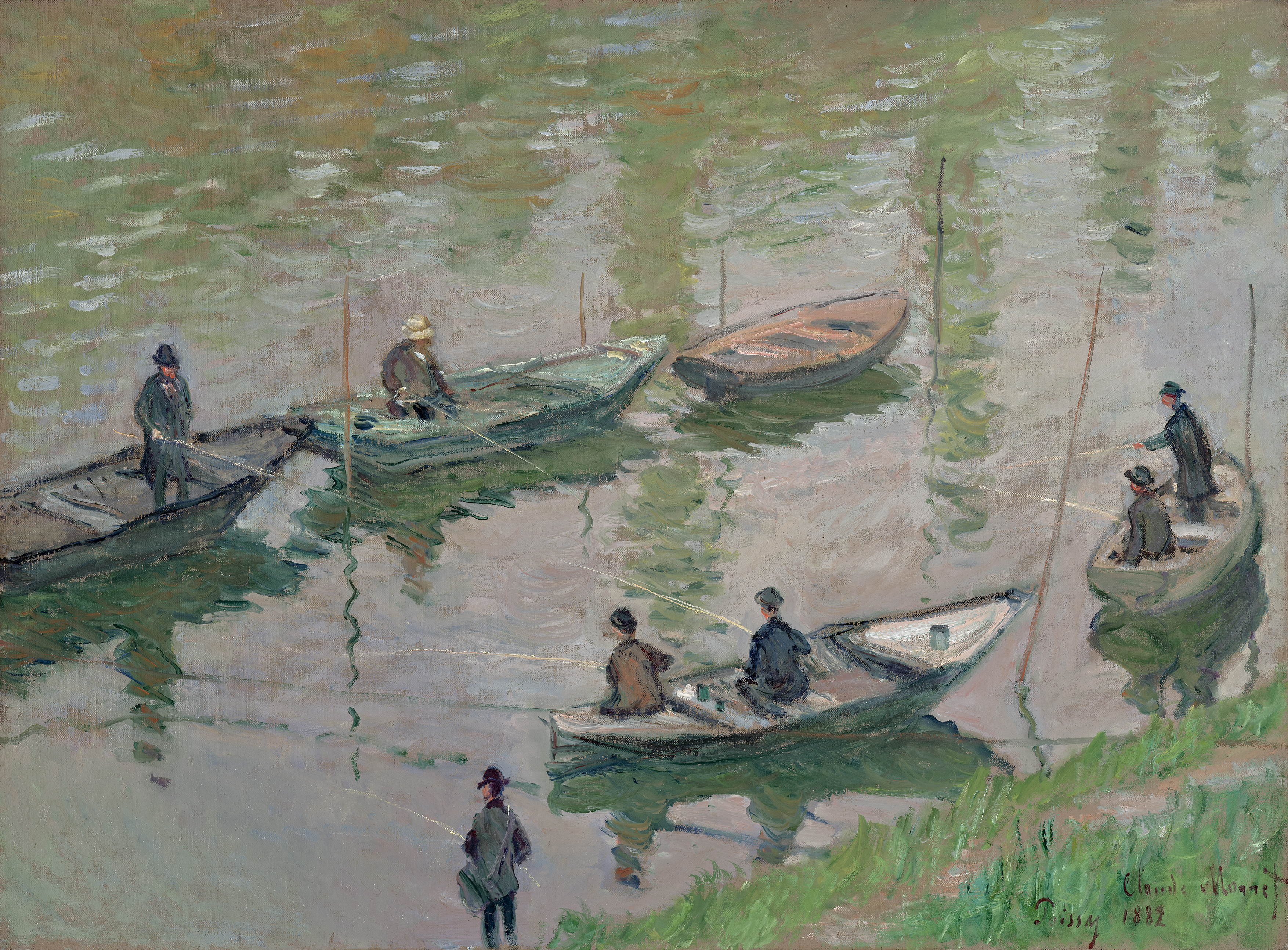
Angler auf der Seine bei Poissy, Claude Monet, 1882

Claude Monet

Angler auf der Seine bei Poissy, 1882

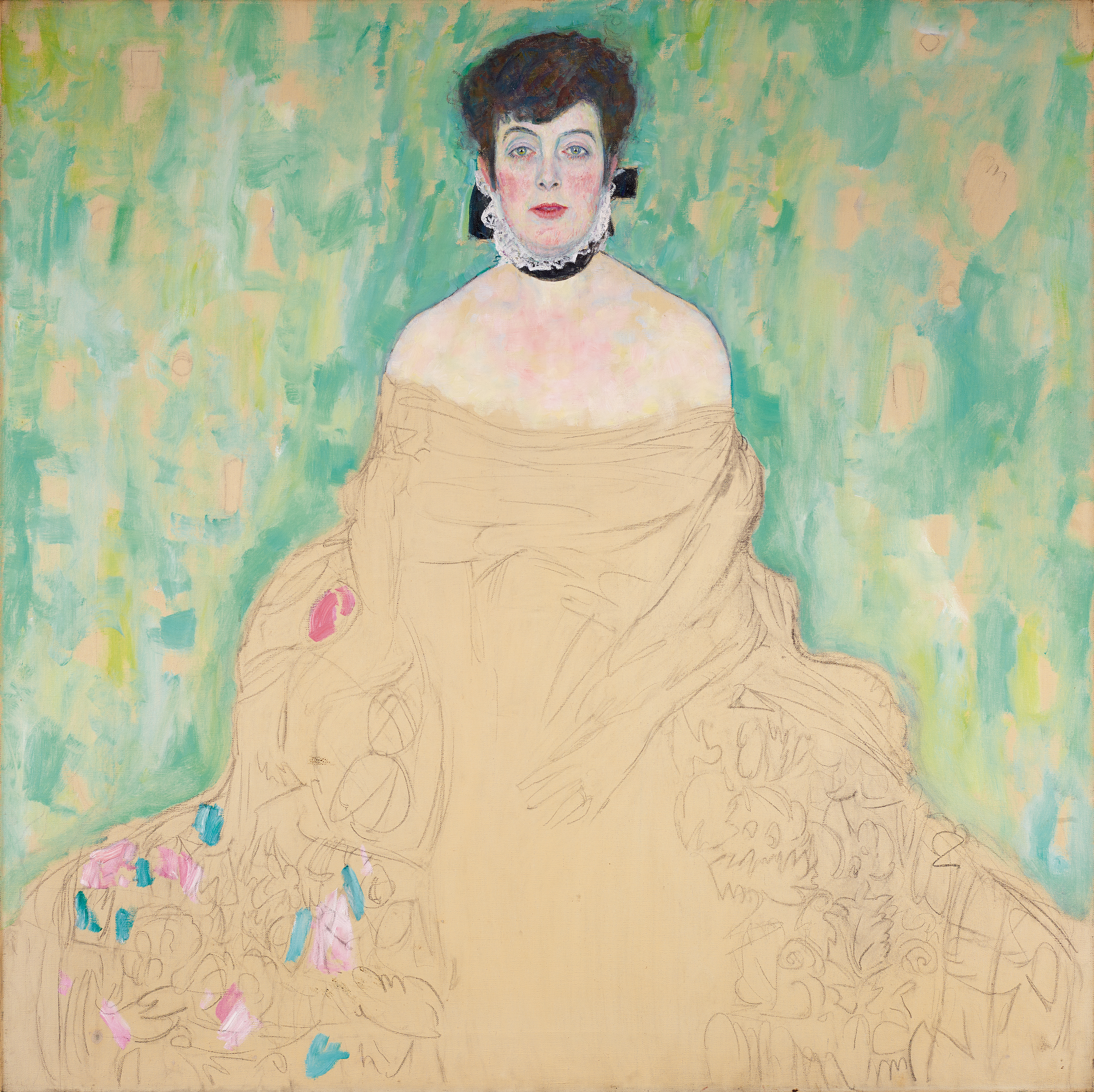
Amalie Zuckerkandl, Gustav Klimt, 1917–1918

Gustav Klimt

Amalie Zuckerkandl, 1917–1918

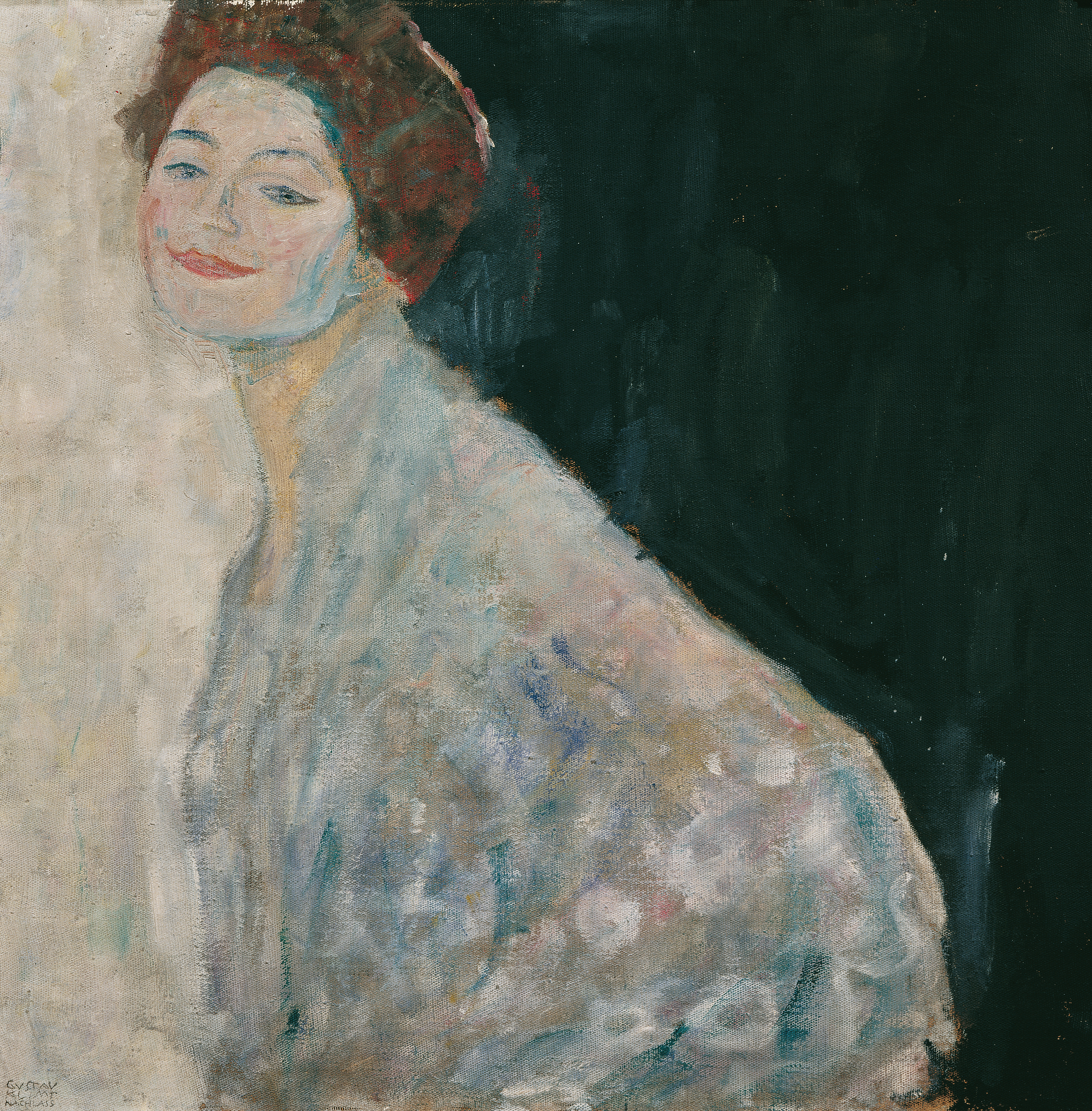
Dame in Weiß, Gustav Klimt, 1917–1918

Gustav Klimt

Dame in Weiß, 1917–1918

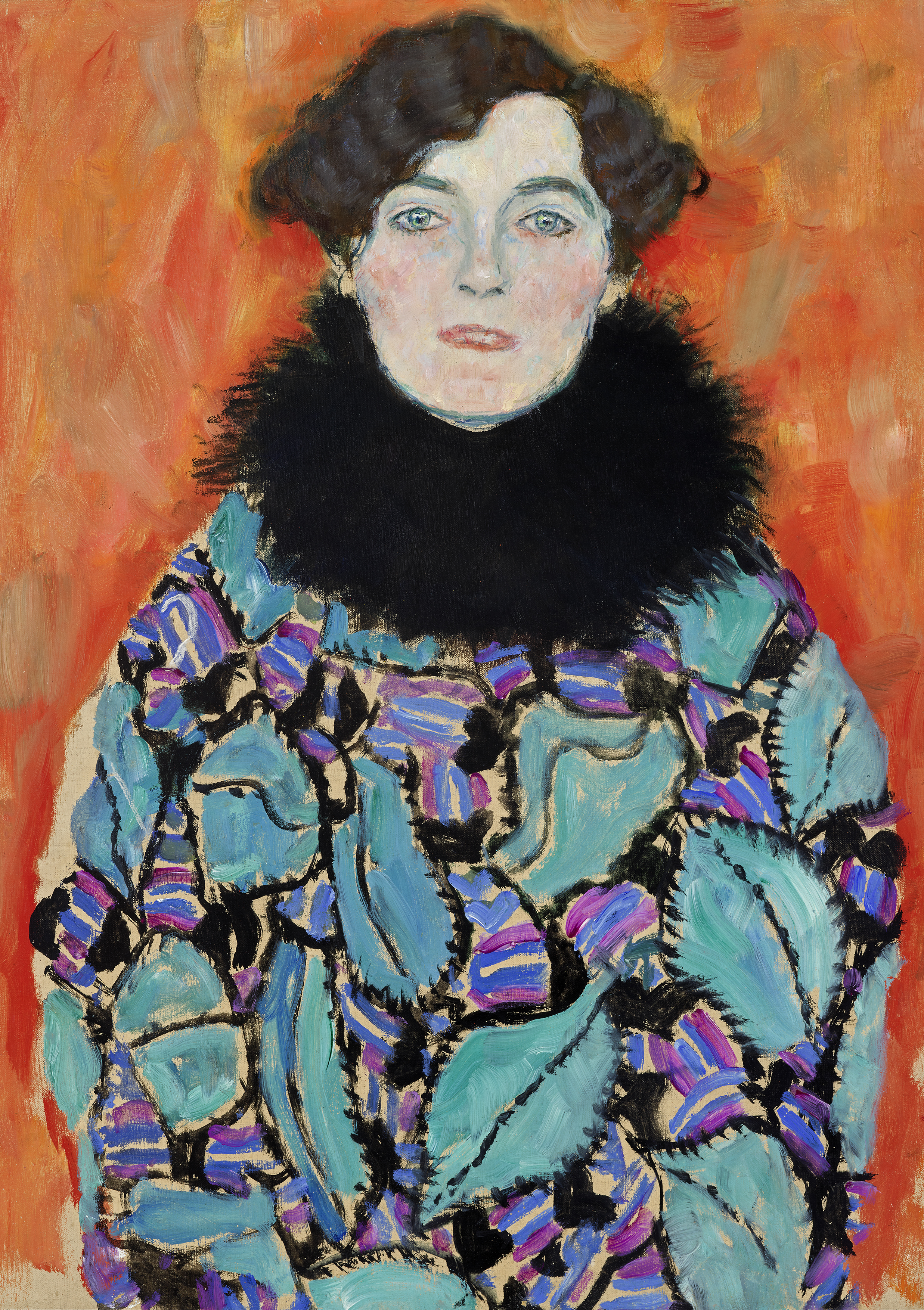
Johanna Staude, Gustav Klimt, 1917–1918

Gustav Klimt

Johanna Staude, 1917–1918