 Alfred StieglitzAmerican, 1864–1946
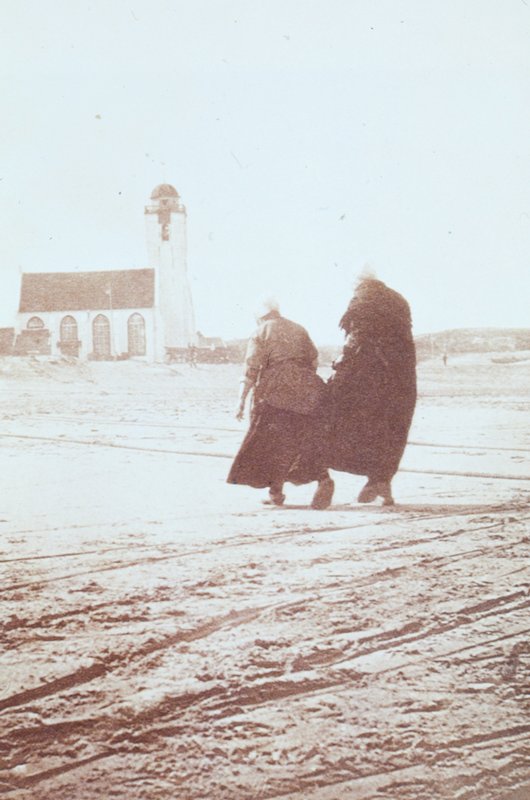
Scurrying Home
Can I see it?
Not on view at present
Where is “Scurrying Home” now? Collection: Minneapolis Institute of Art, Minneapolis. Not on view at present. Checked September 29, 2026.

Minneapolis, United States
It belongs to the collection, but is not on display at present.
- Checked
- In this state since
- Source
- The museum
Details
- Accession number
- 90.111.10.4
In the catalog
Sources
- Minneapolis Institute of Art
- Image: Minneapolis Institute of Art — © Minneapolis Institute of Art
In the life of Alfred Stieglitz
The whole life1 January 1864
Born
1881
The family moves to Europe for the children's education
Alfred found the public school he attended to qualify for the City College of New York inadequate, and in 1881 his father sold his company for US$400,000 (other accounts say $40,000) and moved the family to Europe for several years so that the children would receive a better education. Alfred enrolled in the Realgymnasium in Karlsruhe.
1883
First photographs in Berlin
Stieglitz made his first photographs in Berlin in 1883, largely in the conventional manner of the day. According to other accounts, he bought his first camera after staying on in Germany when his family left in 1884.
1884
Stays in Germany for photography
In 1884 his parents returned to America, but the 20-year-old Alfred stayed in Germany: he collected books on photography, bought his first camera, an 8 × 10 plate camera, and travelled through the Netherlands, Italy and Germany, photographing landscapes and country workers. Photography, he later wrote, “fascinated me, first as a toy, then as a passion, then as an obsession.”
1887
First prize for “The Last Joke, Bellagio”
His photograph The Last Joke, Bellagio won first place in the annual photography competition of the British magazine Amateur Photographer.
1890
His sister Flora dies; he returns to New York
In 1890 his sister Flora died in childbirth, and Stieglitz returned to New York. Considering himself an artist, he refused to sell his photographs, so his father bought him a small photography business, the Photochrome Engraving Company, which rarely made a profit because of his demand for quality and the high wages he paid.