ART WIKI33,040 on view
MapCollectionArtistsMuseumsExhibitionsJournal
Sign in

ART WIKI

Where the masterpiece hangs, and when they let you in.

Collections: Art Institute of Chicago, Getty Villa, Harvard Art Museums, Hirshhorn Museum and Sculpture Garden, J. Paul Getty Museum, Minneapolis Institute of Art, Musée du Louvre, National Gallery of Art, National Museum of Asian Art, National Portrait Gallery (Smithsonian), Pushkin State Museum of Fine Arts, Rijksmuseum, Smithsonian American Art Museum, SMK — National Gallery of Denmark, State Hermitage Museum, State Russian Museum, The Cleveland Museum of Art, The Metropolitan Museum of Art, The Museum of Modern Art, Tretyakov Gallery, Victoria and Albert Museum, Whitney Museum of American Art, State Catalogue of the Museum Fund of Russia (274 museums), Europeana (19 museums), Wikidata (6 museums), Paris Musées (12 museums), and Joconde, the French Ministry of Culture's museum database (495 museums). Images belong to their rights holders.

Sections

  • Map
  • Search
  • Collection
  • Masterpieces
  • On view now
  • Artists

More

  • Museums & galleries
  • Exhibitions
  • Journal
  • Where the data comes from
  • Privacy & cookies
HomeMapBrowse
  1. Collection/
  2. Minneapolis Institute of Art/
  3. Roman Matron
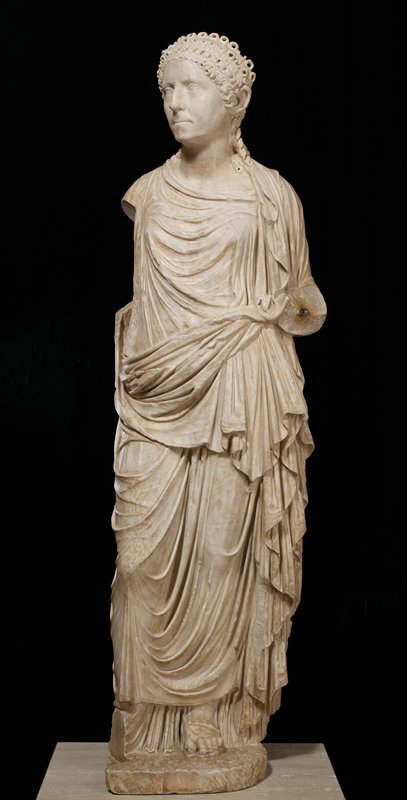
Roman Matron, Roman Empire, 50–60 CE

Roman Matron

50–60 CE · Sculpture · 128.27 × 33.02 cm

About the sculpture

Once identified as Agrippina the younger, mother of the emperor Nero, this statue is now thought to represent an unidentified Roman matron. The hairstyle, a feature often used to date ancient Roman female portraits, corresponds to a fashion during Nero's reign (54-68 A.D.) The stark, realistic depiction of the woman's bony and lined face contrasts with the gracefully flowing, deeply carved folds of the clothing, characteristics of late Greek (Hellenistic) sculpture. This subtle combination of realism and idealism was common in portraiture of the Roman Republic and Empire, particularly during the reigns of the Julio-Claudian emperors (27 B.C.-68 A.D.) and of Hadrian (117-138 A.D.).

Minneapolis Institute of Art

Particulars

Accession number
32.16

More by Roman Empire

All works

In the same room · G241, Minneapolis Institute of Art

Museum page
RRoman EmpireSyrian

May one see it?

Yes, receiving visitors

Minneapolis Institute of Art

Minneapolis, United States

RoomG241

On public display.

Checked
9 days ago
In this state since
Sep 25, 2026
Source
The museum
On the mapMuseum page

In the catalog

SculptureMarbleRoman

Sources

  • Minneapolis Institute of Art
  • Image: Minneapolis Institute of Art — public domain
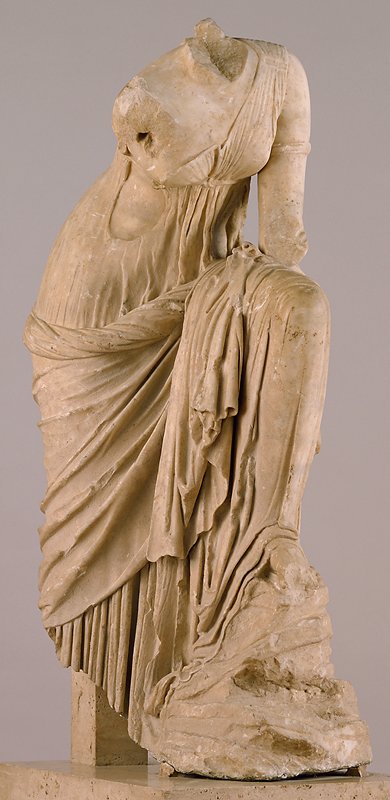
The Tiber Muse, Roman Empire, 2nd–1st century BCE

The Tiber Muse

2nd–1st century BCE · Minneapolis Institute of Art

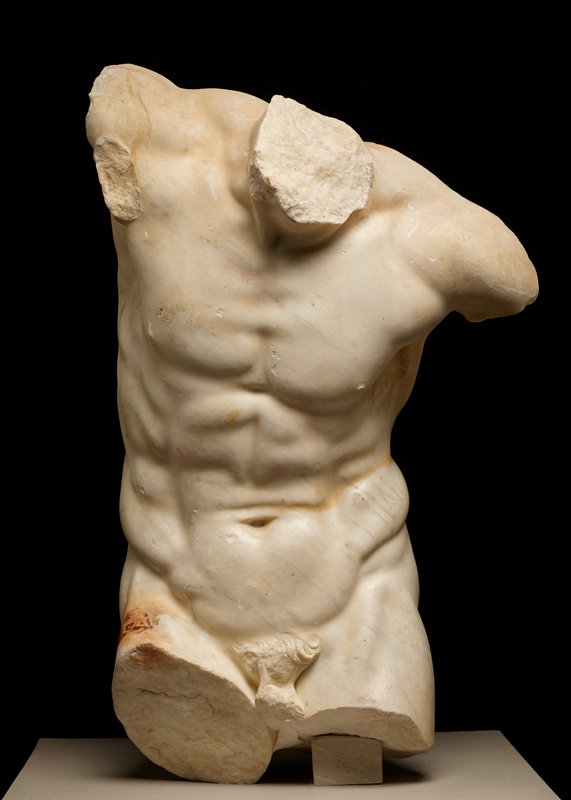
Torso of a Dancing Faun, Roman Empire, 1st century CE

Torso of a Dancing Faun

1st century CE · Minneapolis Institute of Art

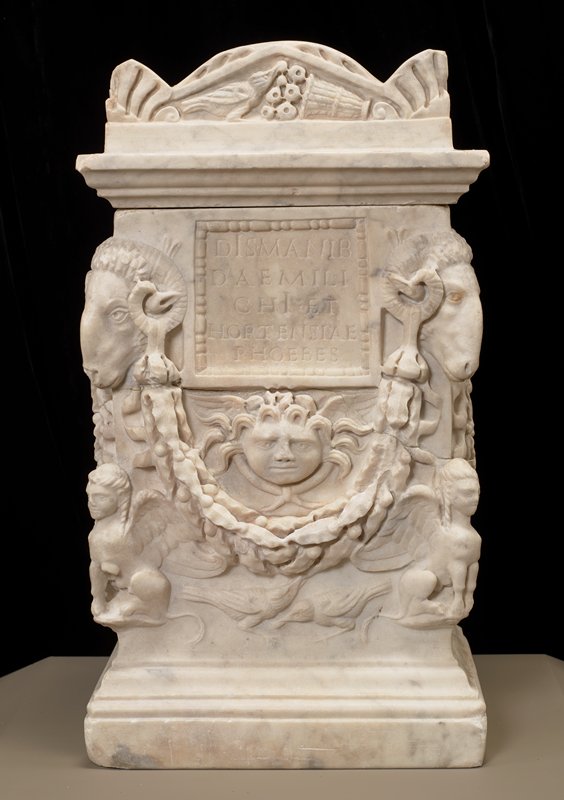
Cinerary Box with Cover, Roman Empire, 50–100 CE

Cinerary Box with Cover

50–100 CE · Minneapolis Institute of Art

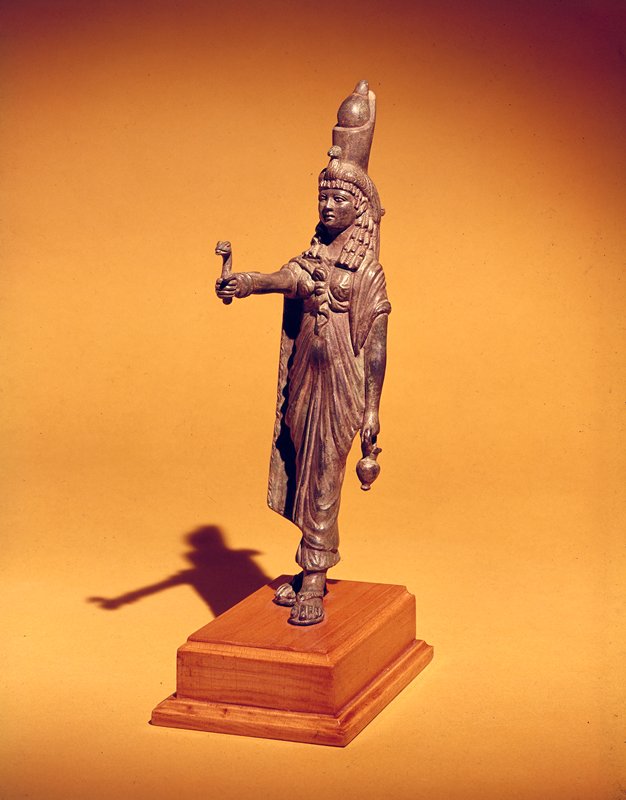
Goddess Isis, Roman Empire, 1st century CE

Goddess Isis

1st century CE · Minneapolis Institute of Art

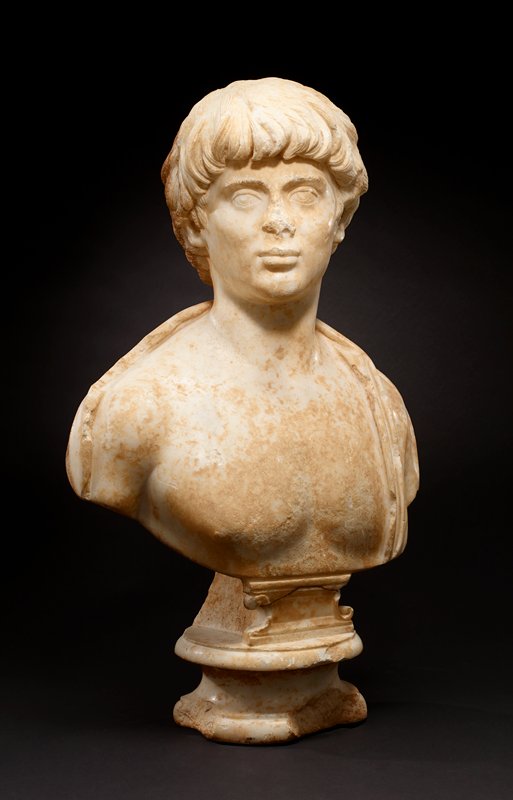
Bust of a Young Man, Probably Polydeukion, Roman Empire, 2nd century

Bust of a Young Man, Probably Polydeukion

2nd century · Minneapolis Institute of Art

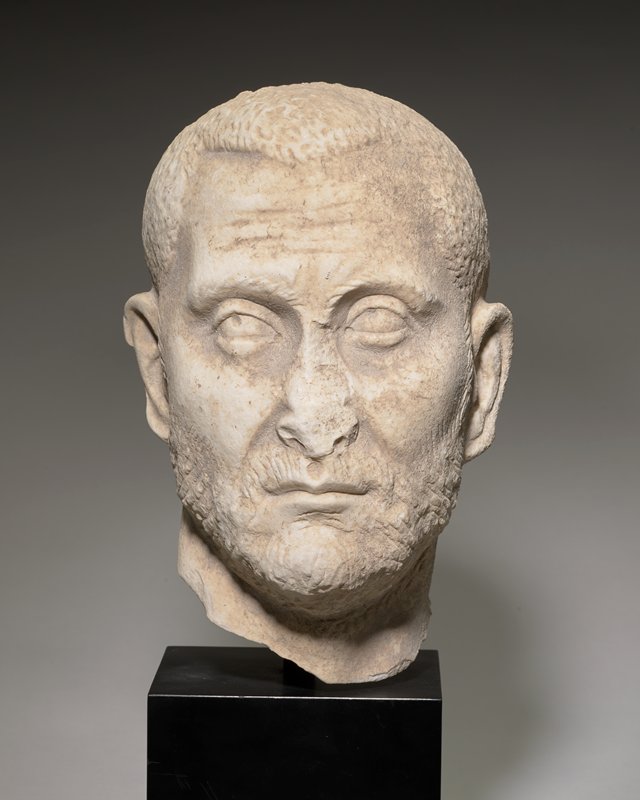
Portrait of a Man, Roman Empire, 252–268

Portrait of a Man

252–268 · Not on view · Minneapolis Institute of Art

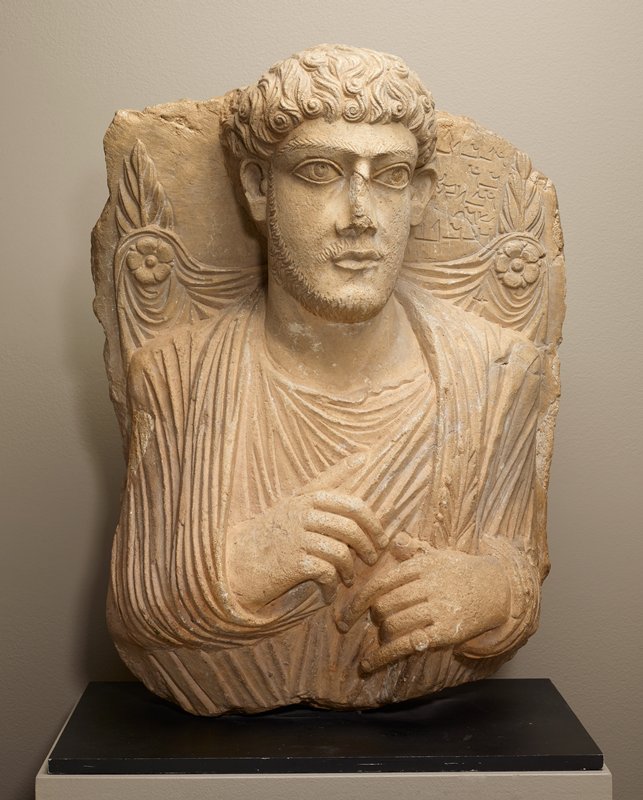
Funerary Relief, Roman Empire, late 2nd century–first half of the 3rd century

Funerary Relief

late 2nd century–first half of the 3rd century · Not on view · Minneapolis Institute of Art

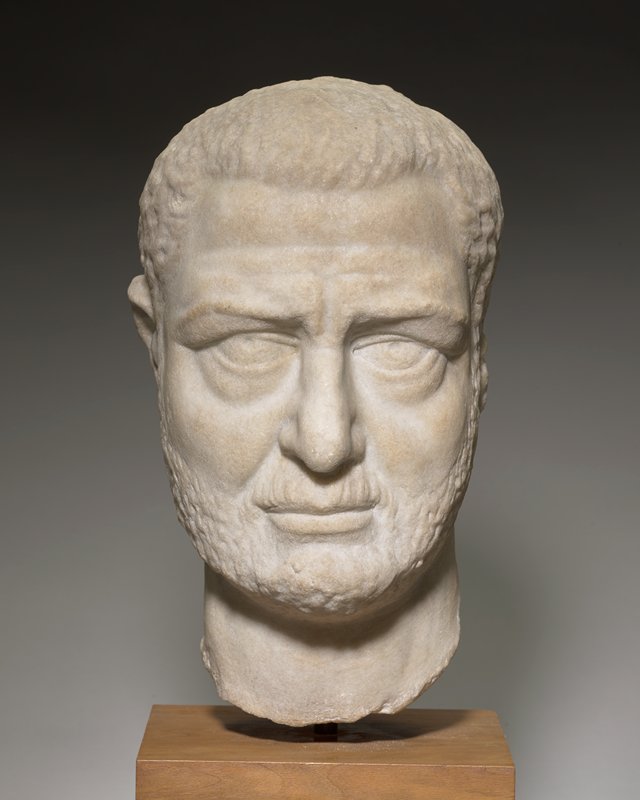
Head of a Man, Roman Empire, c. 250–275

Head of a Man

c. 250–275 · Not on view · Minneapolis Institute of Art

Torso of a Dancing Faun, Roman Empire, 1st century CE

Roman Empire

Torso of a Dancing Faun, 1st century CE

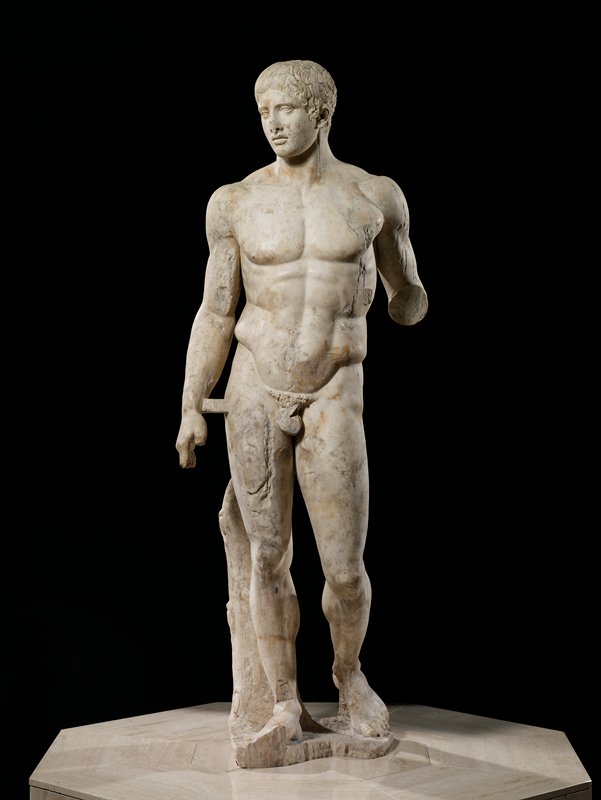
The Doryphoros (after Polykleitos), Copy of work attributed to Polykleitos, 27 BCE–68 CE

Copy of work attributed to Polykleitos

The Doryphoros (after Polykleitos), 27 BCE–68 CE

The Tiber Muse, Roman Empire, 2nd–1st century BCE

Roman Empire

The Tiber Muse, 2nd–1st century BCE

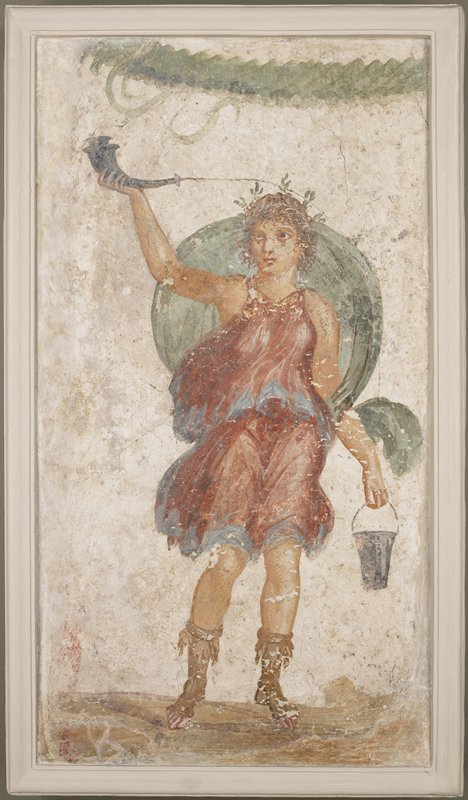
Figure of a Lar, 1st century CE

Figure of a Lar, 1st century CE

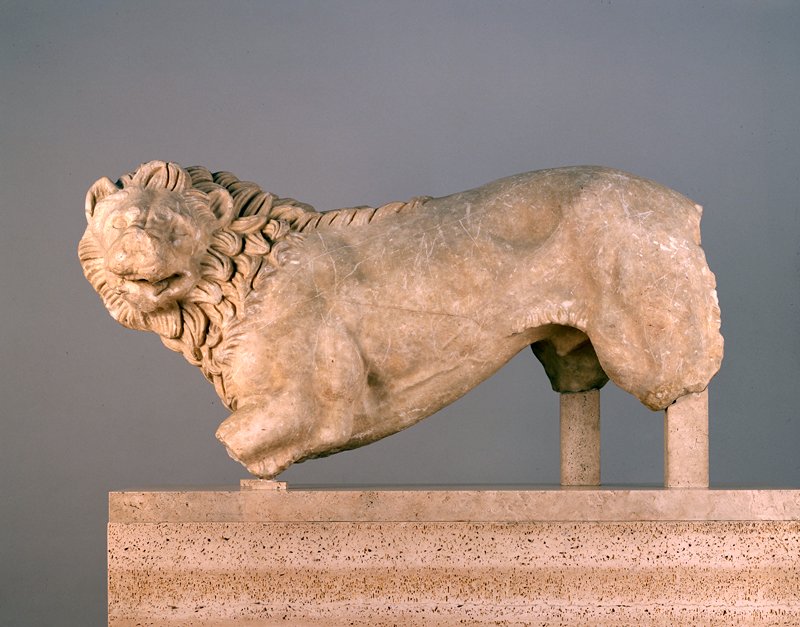
Crouching Lion, 330–317 BCE

Crouching Lion, 330–317 BCE

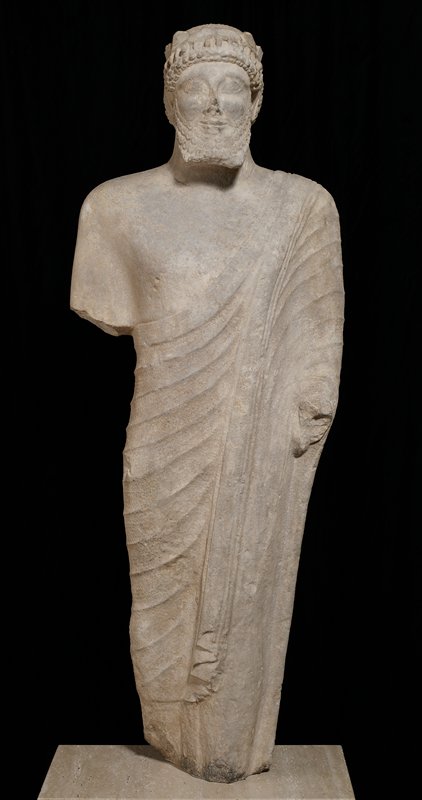
Votary Figure, c. 470 BCE

Votary Figure, c. 470 BCE

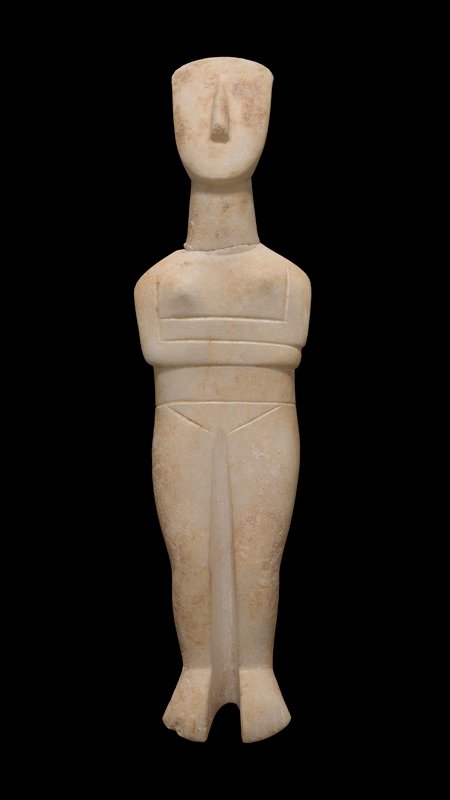
Female Figure, c. 2500–2400 BCE

Female Figure, c. 2500–2400 BCE

Cinerary Box with Cover, Roman Empire, 50–100 CE

Roman Empire

Cinerary Box with Cover, 50–100 CE