 Constantin BrancusiRomanian, 1876–1957
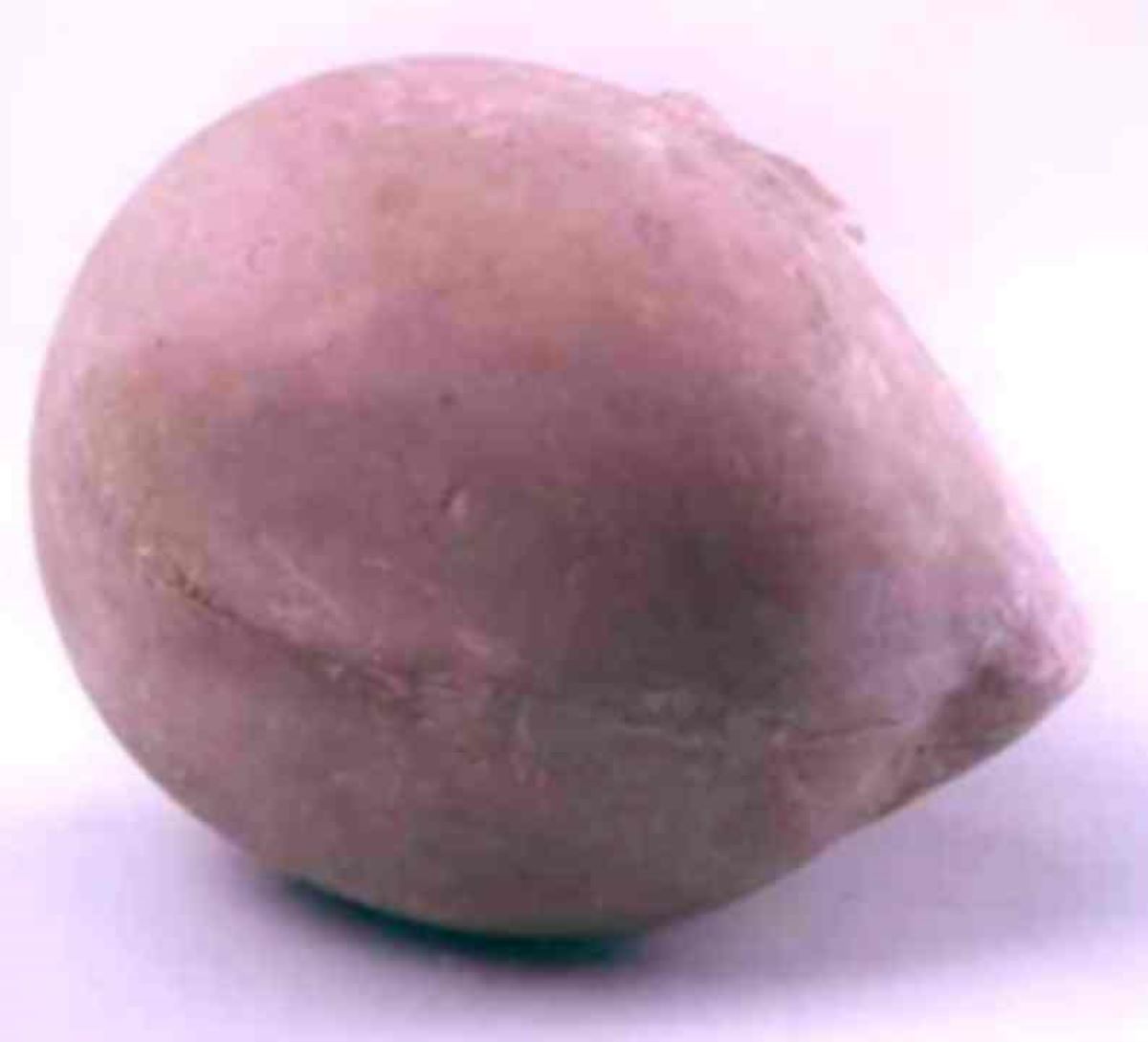
Prometeu (Cap de copil)
May one see it?
Unknown: the museum keeps its counsel

National Museum of Art of Romania
Bucharest, Romania
The owner is known. Whether it is on view today, the museum does not say, and we were not trained to guess.
- In this state since
- Source
- The museum's own collection data
About the sculpture
In the museum's own words — in Romanian
Brâncuși reia tema din „Supliciul”, din 1907 unde înclinarea capului este singurul semn al suferinței. Capul lui Prometeu este o bucată de marmură de dimensiuni reduse, unde detaliile portretului par a fi șterse. Prin suprimarea treptată a detaliilor, capul lui Prometeu a ajuns să aibă un aspect aproape sferoidal, întrerupt doar de subtila adâncime a ochilor, de abia perceptibilele linii ale nasului și ale gurii, de forma urechii și de grumazul brusc gâtuit.
National Museum of Art of Romania
Particulars
What it shows
In the catalog
Sources
- National Museum of Art of Romania: the museum's own open data · fetched 8 days ago
- Image: National Museum of Art of Romania — CC BY-SA 4.0
Meanwhile, in the life of Constantin Brancusi
The whole life1909
Meeting Modigliani
In 1909 the collector Paul Alexandre introduces Brâncuși to Amedeo Modigliani; the two become friends, and the Italian draws his portrait in black and red pencil that year. From 1909 to 1914 Modigliani works chiefly in sculpture, and his elongated limestone heads, with simplified forms and polished surfaces, are related to Brâncuși’s sculpture.
1910s
“Mobile groups”: rearranging the sculptures
During the 1910s Brâncuși arranges sculptures and pedestals in changing compositions that he calls “mobile groups”: he moves the works and watches how each change alters the space around them. When he sells a sculpture he often puts a plaster version in the same position, and by the 1920s the studio is also an exhibition space whose arrangement forms part of the work.
autumn 1912
The Grand Palais aviation show with Duchamp and Léger
In the fall of 1912 Brâncuși visits an aviation exhibition at the Grand Palais with Marcel Duchamp and Fernand Léger; the three stop before an airplane propeller, and its mechanical precision leads them into a conversation about machine-made forms and the direction sculpture might take. In May of that year he had rented a second studio at 47 rue du Montparnasse, across from the first.
17 February 1913
The Armory Show in New York: five sculptures
In December 1912 the Armory Show organisers Arthur Bowen Davies, Walt Kuhn and Walter Pach visit Paris in search of works; the catalogue lists five sculptures by Brâncuși — “The Kiss”, “Sleeping Muse”, “A Muse”, “Mademoiselle Pogany” and “Torso”. The exhibition opens in New York on 17 February 1913 and travels to Chicago and Boston; his compact forms provoke laughter, caricatures and arguments in the press, and “Mademoiselle Pogany” is compared to an egg.