ART WIKI32,979 on view
MapCollectionArtistsMuseumsExhibitionsJournal
Sign in

ART WIKI

Where the masterpiece hangs, and when they let you in.

Collections: Art Institute of Chicago, Getty Villa, Harvard Art Museums, Hirshhorn Museum and Sculpture Garden, J. Paul Getty Museum, Minneapolis Institute of Art, Musée du Louvre, National Gallery of Art, National Museum of Asian Art, National Portrait Gallery (Smithsonian), Pushkin State Museum of Fine Arts, Rijksmuseum, Smithsonian American Art Museum, SMK — National Gallery of Denmark, State Hermitage Museum, State Russian Museum, The Cleveland Museum of Art, The Metropolitan Museum of Art, The Museum of Modern Art, Tretyakov Gallery, Victoria and Albert Museum, Whitney Museum of American Art, State Catalogue of the Museum Fund of Russia (274 museums), Europeana (19 museums), Wikidata (6 museums), Paris Musées (12 museums), and Joconde, the French Ministry of Culture's museum database (495 museums). Images belong to their rights holders.

Sections

  • Map
  • Search
  • Collection
  • Masterpieces
  • On view now
  • Artists

More

  • Museums & galleries
  • Exhibitions
  • Journal
  • Where the data comes from
  • Privacy & cookies
HomeMapBrowse
  1. Collection/
  2. Minneapolis Institute of Art/
  3. Pig Eating Breakfast
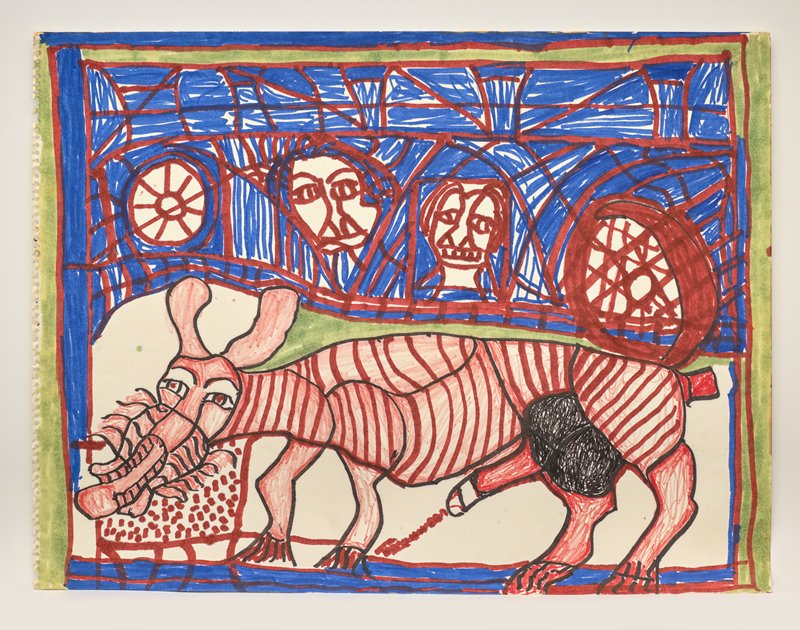
Pig Eating Breakfast, Henry Speller, 1988
HHenry SpellerAmerican, 1900–1997

Pig Eating Breakfast

1988 · Works on Paper, Drawings

May one see it?

Not receiving at present

Minneapolis Institute of Art

Minneapolis, United States

It belongs to the collection, but is not on display at present.

Checked
3 days ago
In this state since
Sep 25, 2026
Source
The museum
On the mapMuseum page

About the work

Henry Speller entitled this work Pig Eating Breakfast, but the animal on the page is not very recognizable. The snout appears split open and boasts long whiskers, while the eyes seem almost human. Although Speller never explicitly explained the image, a plausible interpretation is that he intended that the pig represent the exploitation of Black labor in the American South. On plantations, slaveholders dehumanized men, women, and children by forcing them to eat their meals from a shared trough like swine. After the end of slavery in the American South, pigs took on new symbolism when state and local governments passed legislation known as the Pig Laws that created a new system of forced labor. Among other things, these mandates outlawed unemployment for Black people and created heavy penalties for crimes that Black people were more likely to commit.
Minneapolis Institute of Art

Particulars

1988 · aged 88
19001997
Accession number
2019.16.31

In the catalog

Drawings & watercolorsPen and inkContemporary art20th centuryUnited States

Sources

  • Minneapolis Institute of Art
  • Image: Minneapolis Institute of Art — © Henry Speller / Artists Rights Society (ARS), New York

More by Henry Speller

All works
Old Man Cartwright with Adam and Little Joe, Henry Speller, 1987

Old Man Cartwright with Adam and Little Joe

1987 · Not on view · National Gallery of Art

The Brown Sisters, Henry Speller, 1987

The Brown Sisters

1987 · Not on view · National Gallery of Art

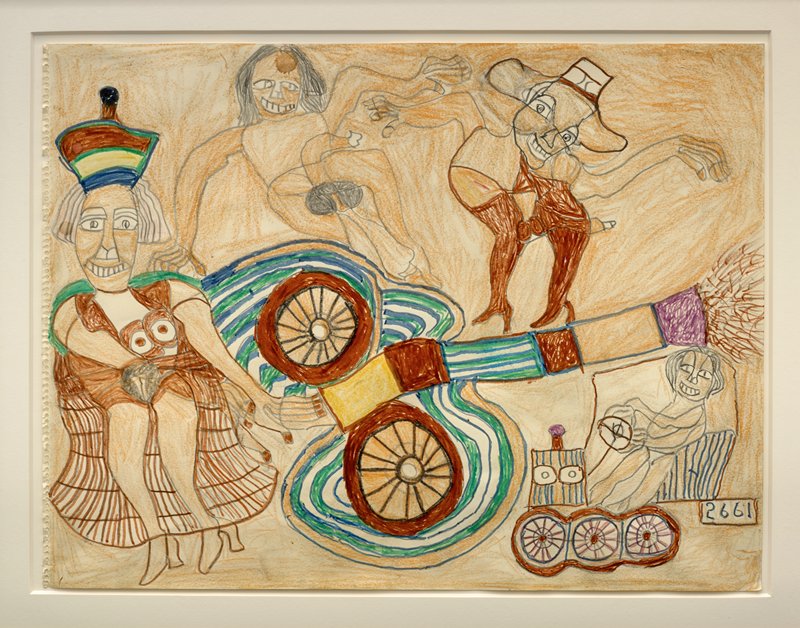
Cannon, Henry Speller, 1986

Cannon

1986 · Not on view · Minneapolis Institute of Art

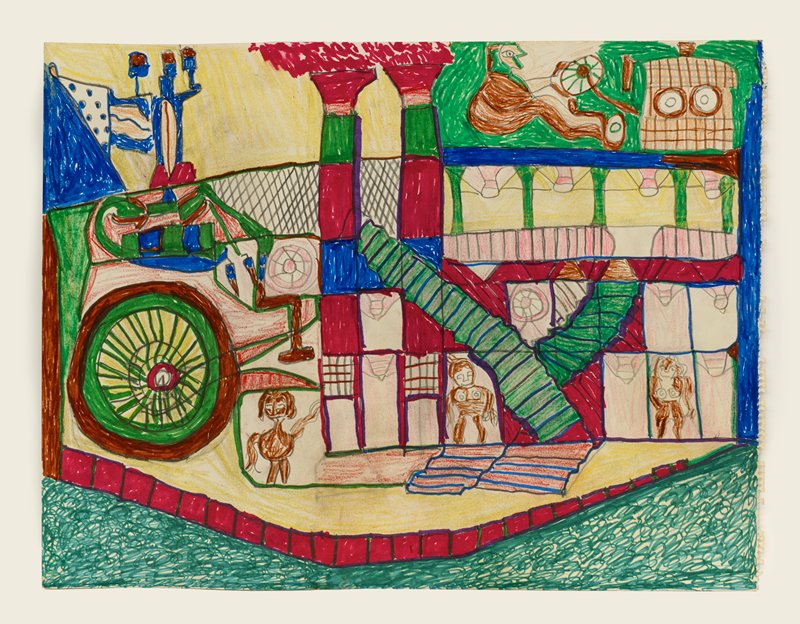
Steamboat Katie Adam, Henry Speller, 1987

Steamboat Katie Adam

1987 · Not on view · Minneapolis Institute of Art

Neighbors at Minneapolis Institute of Art

Museum page
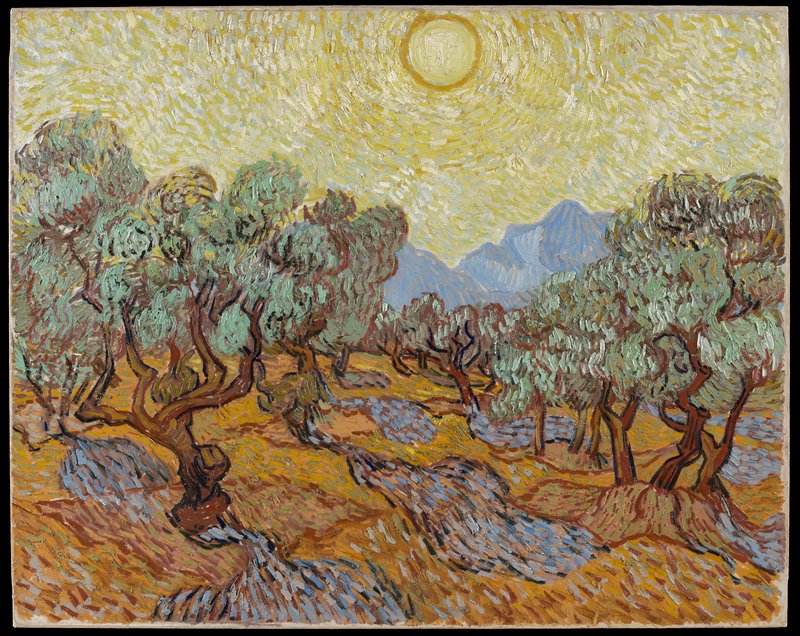
Olive Trees, Vincent van Gogh, 1889

Vincent van Gogh

Olive Trees, 1889

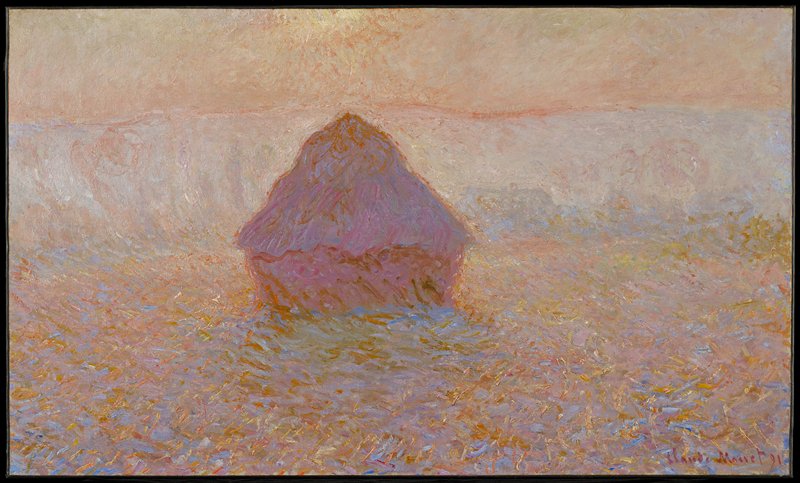
Grainstack, Sun in the Mist, Claude Monet, 1891

Claude Monet

Grainstack, Sun in the Mist, 1891

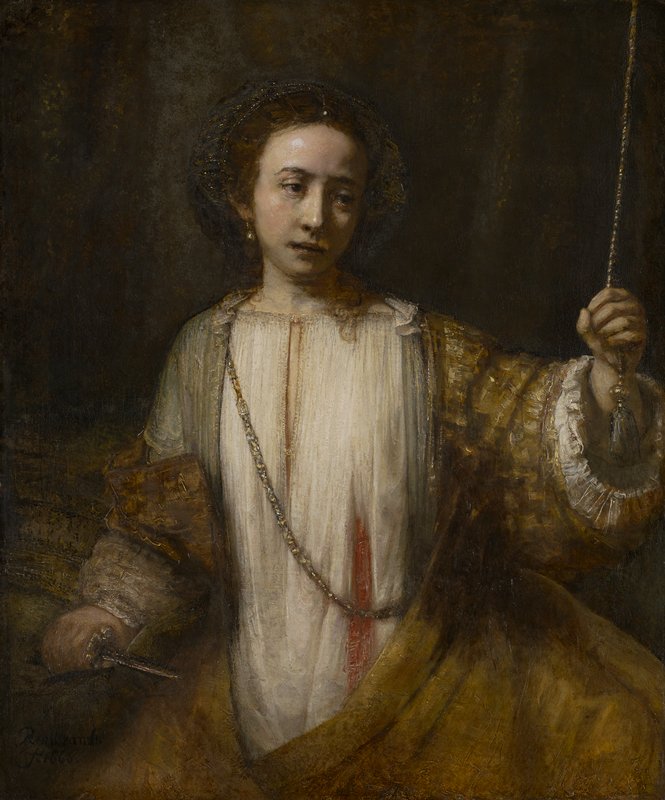
Lucretia, Rembrandt van Rijn, 1666

Rembrandt van Rijn

Lucretia, 1666

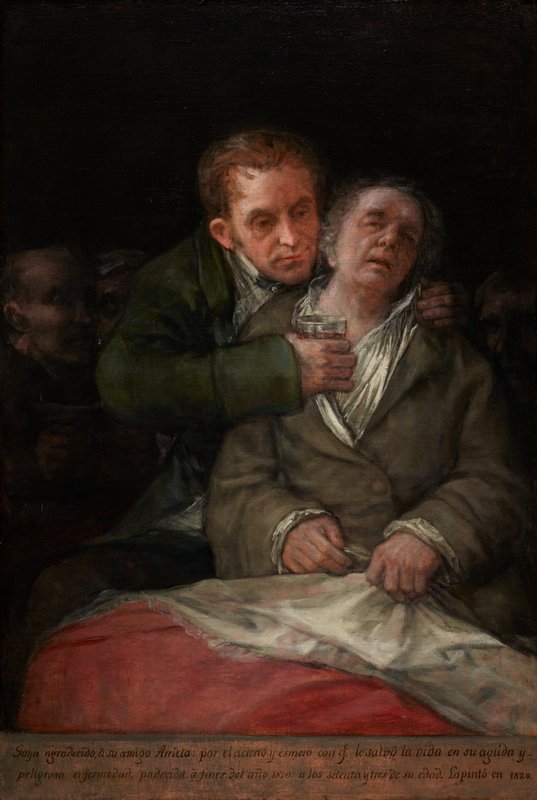
Self-Portrait with Dr. Arrieta, Francisco José de Goya y Lucientes, 1820

Francisco de Goya

Self-Portrait with Dr. Arrieta, 1820

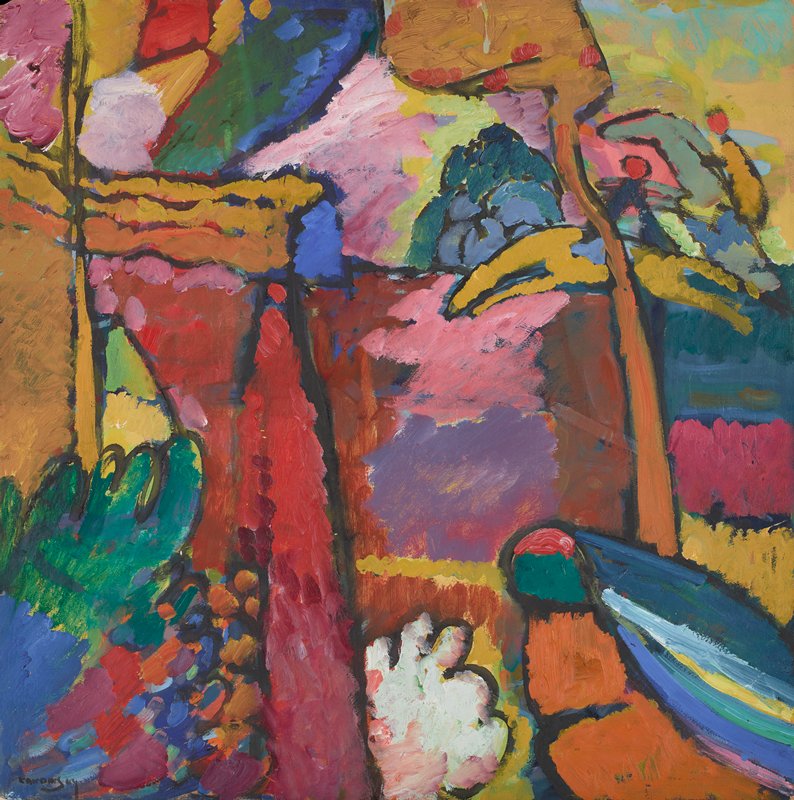
Study for Improvisation V, Vassily Kandinsky, 1910

Vasily Kandinsky

Study for Improvisation V, 1910

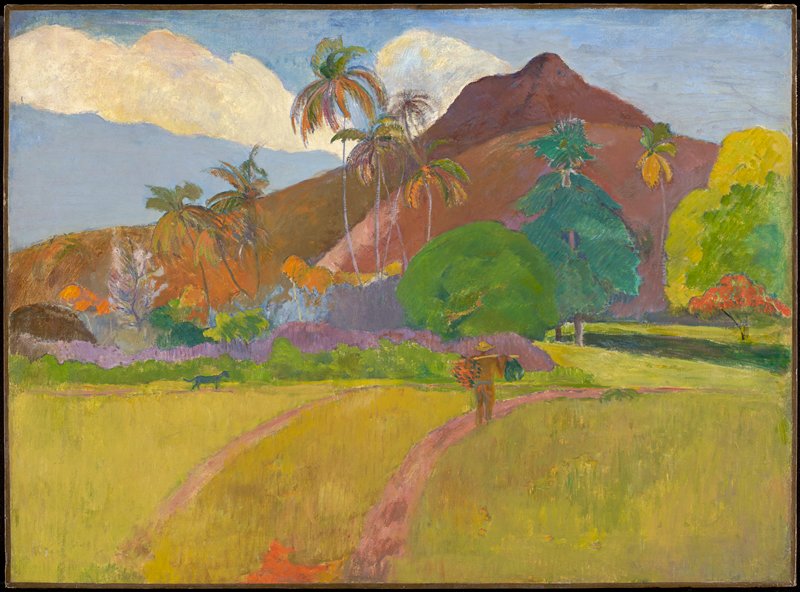
Tahitian Landscape, Paul Gauguin, 1891

Paul Gauguin

Tahitian Landscape, 1891

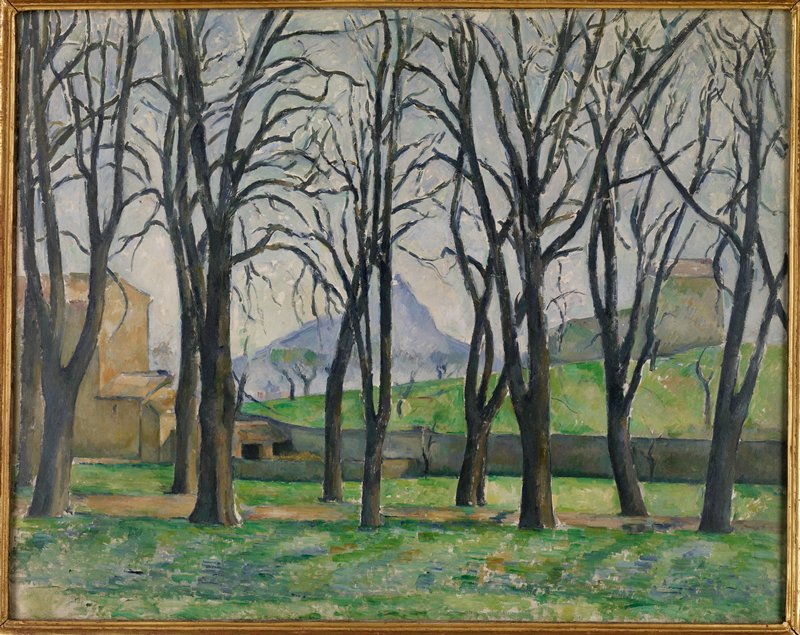
Chestnut Trees at Jas de Bouffan, Paul Cézanne, c. 1885–86

Paul Cézanne

Chestnut Trees at Jas de Bouffan, c. 1885–86

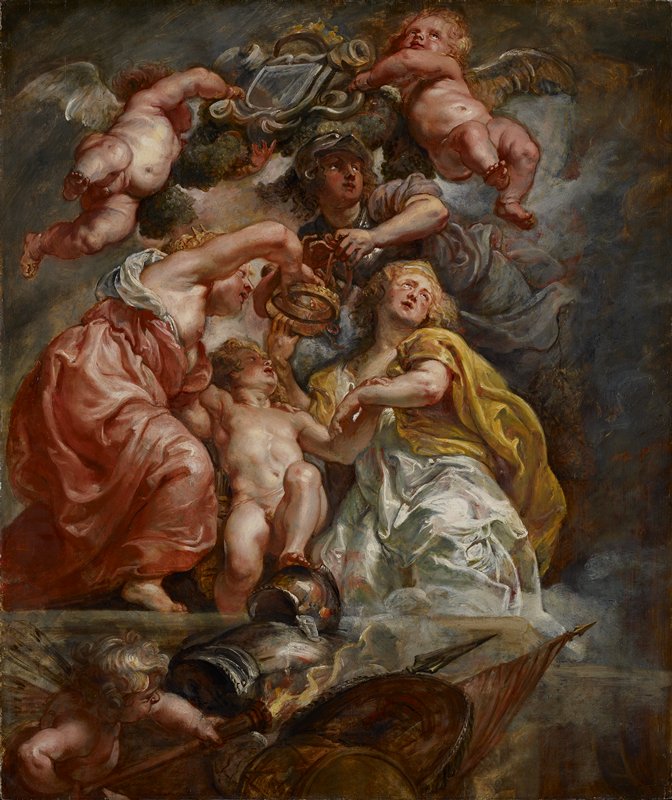
The Union of England and Scotland (Charles I as the Prince of Wales), Peter Paul Rubens, 1633–34

Peter Paul Rubens

The Union of England and Scotland (Charles I as the Prince of Wales), 1633–34