 Frank StellaAmerican, 1936–2024
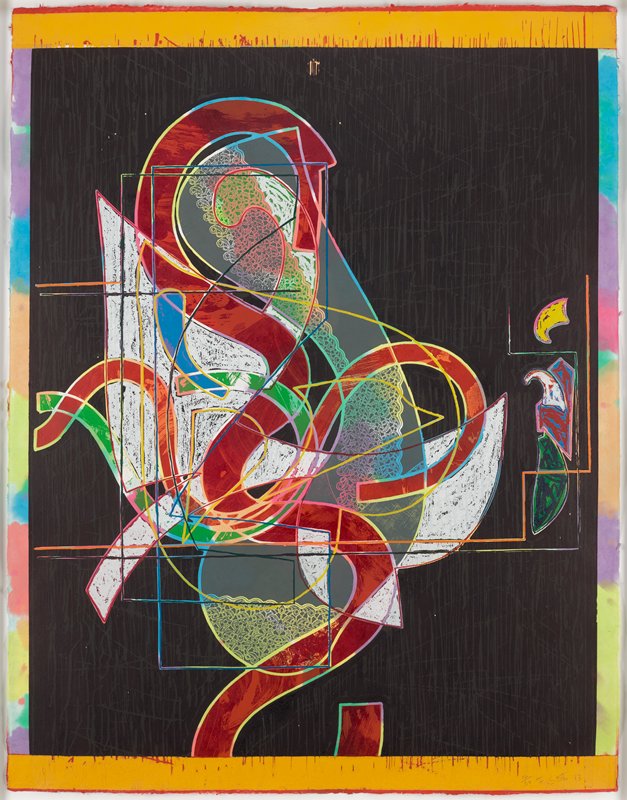
Pergusa Three
May one see it?
Not receiving at present

Minneapolis Institute of Art
Minneapolis, United States
It belongs to the collection, but is not on display at present.
- Checked
- In this state since
- Source
- The museum
About the work
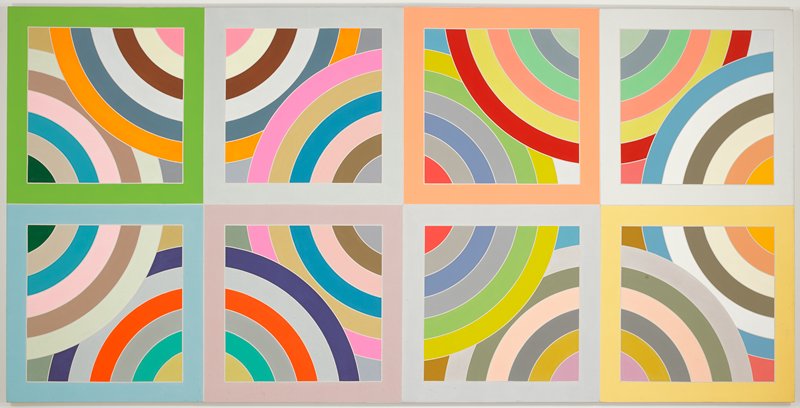
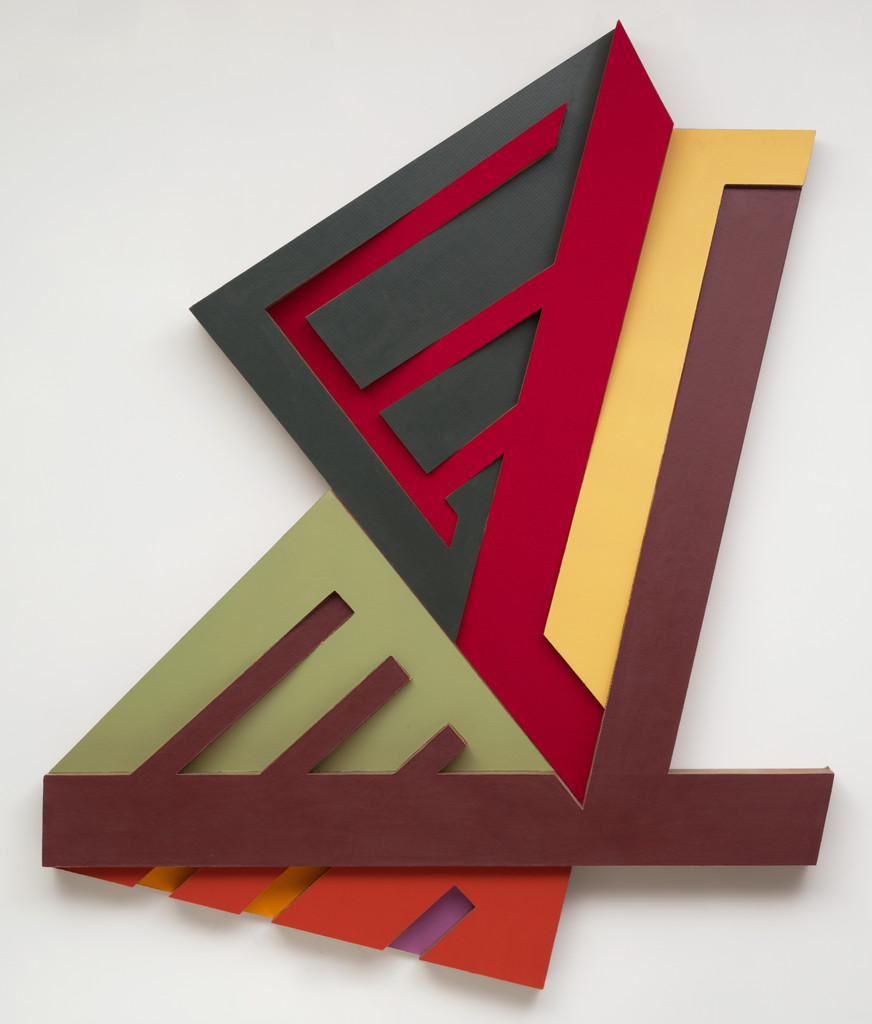
Frank Stella’s Pergusa Three, was the result of a close collaboration with master printer Kenneth Tyler (born 1931), founder of the renowned American print workshop Tyler Graphics. Produced in 1983, this editioned work is part of a series of 16 large-scale, mixed media prints called “Circuits, ” which were inspired by Stella’s longstanding interest in auto racing. Each print in the series is named for an international race track that Stella had visited in the 1970s. Pergusa Three references the Autodromo di Pergusa, an automobile and motorcycle circuit that encircles Pergusa Lake in Sicily, Italy. For this print, Stella created a complex amalgam of geometric forms, brilliant color, contrasting tones, and textured surfaces, whose exuberant and rhythmic dynamic was intended to mirror the excitement and spectacle of auto racing itself.
Minneapolis Institute of Art
Particulars
- Accession number
- 2019.73.8
In the catalog
Sources
- Minneapolis Institute of Art
- Image: Minneapolis Institute of Art — © Frank Stella / Artists Rights Society (ARS), New York
Meanwhile, in the life of Frank Stella
The whole life1978–2005
A studio in the former auction house in the East Village
From 1978 to 2005 he owns the Van Tassell and Kearney Horse Auction Mart building in Manhattan's East Village and uses it as his studio; nearly thirty years of care lead to the restoration of the facade, and after a six-year campaign by the Greenwich Village Society for Historic Preservation the building is designated a New York City Landmark in 2012.
1980s
Takes up squash
Takes up squash after injuring his back opening a garage door; later has a court built at his horse farm in upstate New York and forms close friendships with many players. In 1986 he says squash lets him forget about painting.
1982
Exhibition at the Addison Gallery, Phillips Academy
Large-scale works by Stella are shown at the Addison Gallery at Phillips Academy; the critic Kenneth Baker, reviewing the exhibition, finds the physical impact of the recent works unsettling and their designs not interesting enough to contemplate.
1984
The Norton Lectures at Harvard
Harvard University invites him to give the Charles Eliot Norton Lectures; in six talks Stella calls for a rejuvenation of abstraction through the depth of baroque painting.