ART WIKI33,040 on view
MapCollectionArtistsMuseumsExhibitionsJournal
Sign in

ART WIKI

Where the masterpiece hangs, and when they let you in.

Collections: Art Institute of Chicago, Getty Villa, Harvard Art Museums, Hirshhorn Museum and Sculpture Garden, J. Paul Getty Museum, Minneapolis Institute of Art, Musée du Louvre, National Gallery of Art, National Museum of Asian Art, National Portrait Gallery (Smithsonian), Pushkin State Museum of Fine Arts, Rijksmuseum, Smithsonian American Art Museum, SMK — National Gallery of Denmark, State Hermitage Museum, State Russian Museum, The Cleveland Museum of Art, The Metropolitan Museum of Art, The Museum of Modern Art, Tretyakov Gallery, Victoria and Albert Museum, Whitney Museum of American Art, State Catalogue of the Museum Fund of Russia (274 museums), Europeana (19 museums), Wikidata (6 museums), Paris Musées (12 museums), and Joconde, the French Ministry of Culture's museum database (495 museums). Images belong to their rights holders.

Sections

  • Map
  • Search
  • Collection
  • Masterpieces
  • On view now
  • Artists

More

  • Museums & galleries
  • Exhibitions
  • Journal
  • Where the data comes from
  • Privacy & cookies
HomeMapBrowse
  1. Collection/
  2. Minneapolis Institute of Art/
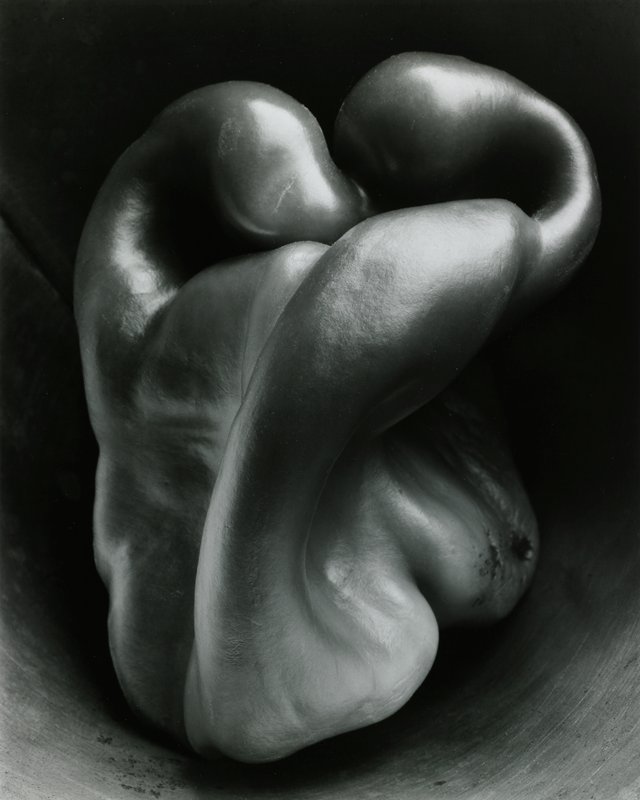
  3. Pepper No. 30
Pepper No. 30, Edward Weston, 1930
Edward Weston, portraitEdward WestonAmerican, 1886–1958

Pepper No. 30

1930 · Photograph · 23.65 × 19.21 cm

May one see it?

Not receiving at present

Minneapolis Institute of Art

Minneapolis, United States

It belongs to the collection, but is not on display at present.

Checked
9 days ago
In this state since
Sep 25, 2026
Source
The museum
On the mapMuseum page

Particulars

1930 · aged 44
18861958
Accession number
72.22

In the catalog

PhotographsGelatin silver printModernism20th centuryUnited States

Sources

  • Minneapolis Institute of Art
  • Image: Minneapolis Institute of Art — Center for Creative Photography ©1981 Arizona Board of Regents

Meanwhile, in the life of Edward Weston

The whole life
  1. May 1928

    The Mojave Desert: his first landscapes as art

    A brief but important trip with Brett to the Mojave Desert, where he first explores and photographs landscape as an art form. The stark rock forms and empty spaces are a visual revelation to him; over a long weekend he takes twenty-seven photographs and declares in his journal that these negatives are the most important he has ever done.

  2. 1929

    Regular trips to Point Lobos

    He starts making regular trips to nearby Point Lobos, where he will continue to photograph until the end of his career; there he learns to fine-tune his vision to the visual space of his view camera, and the images he takes there, of kelp, rocks and wind-blown trees, are among his finest.

  3. early 1929

    Moves to Carmel

    In 1928 he and Brett had moved to San Francisco, living and working in a small studio owned by Hagemeyer, where he made portraits for income but longed to get away on his own and return to his art. In early 1929 he moves into Johan Hagemeyer’s cottage in Carmel, where he finally finds the solitude and inspiration he was seeking, and puts a sign in the studio window: “Edward Weston, photographer, Unretouched Portraits, Prints for Collectors.”

  4. April 1929

    Meets Sonya Noskowiak

    In early April he meets the photographer Sonya Noskowiak at a party, and by the end of the month she is living with him; as with many of his relationships, she becomes his model, muse, pupil and assistant. They go on living together for five years.

  5. 1930–1931

    A series of one-man exhibitions, 1930–1931

    The first is at Alma Reed’s Delphic Studio Gallery in New York, followed closely by the same show at the Denny Watrous Gallery in Carmel; both receive rave reviews, including a two-page article in the New York Times Magazine. Shows at the De Young Museum in San Francisco and the Galerie Jean Naert in Paris follow.

  6. 1932

    The first book on his work: “The Art of Edward Weston”

    The Art of Edward Weston, edited by Merle Armitage, is published, the first book devoted exclusively to Weston’s work; it is dedicated to Alice Rohrer, an admirer and patron whose $500 donation helped pay for its publication.
More by Edward Weston

All works
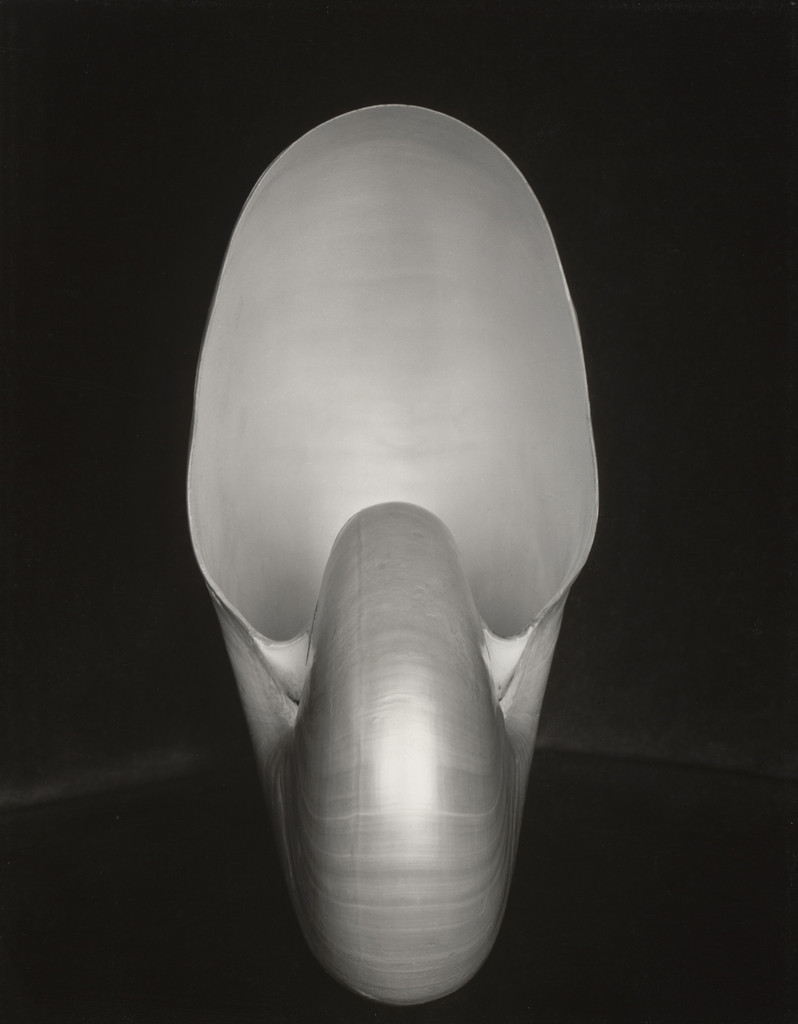
Shell, Edward Weston, 1927

Shell

1927 · The Museum of Modern Art

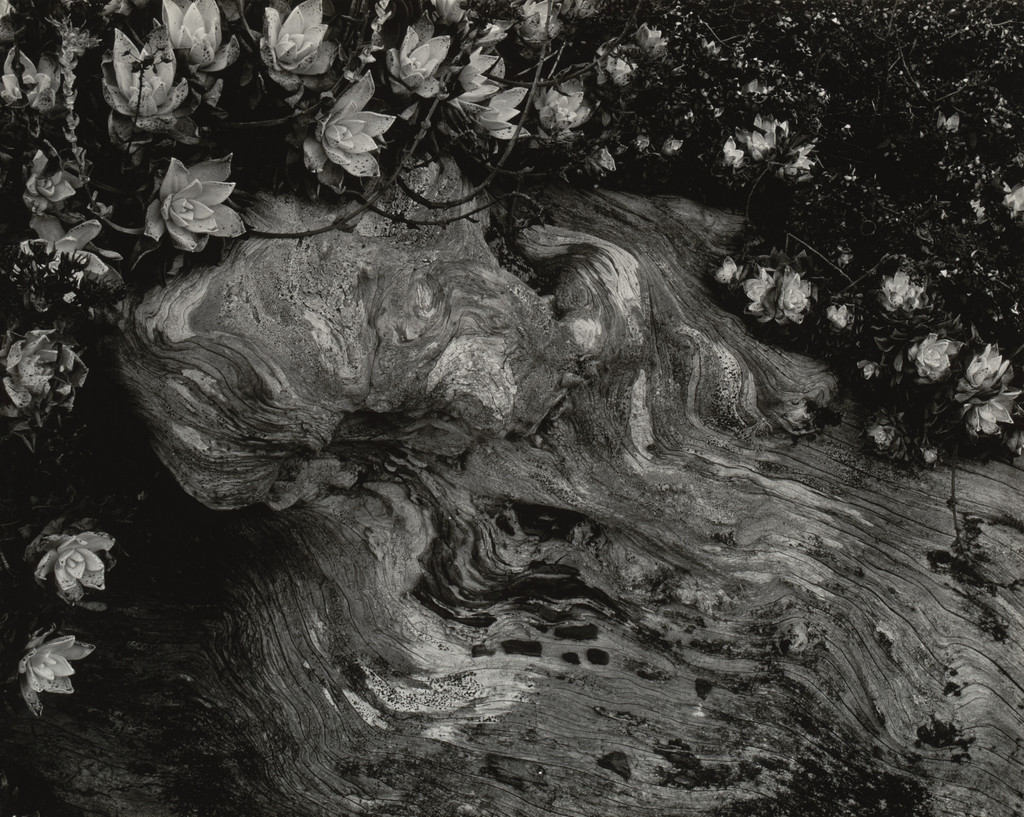
Cypress Root and Succulents, Point Lobos, Edward Weston, 1930

Cypress Root and Succulents, Point Lobos

1930 · The Museum of Modern Art

Guadalupe, Mexico, Edward Weston, 1924

Guadalupe, Mexico

1924 · Minneapolis Institute of Art

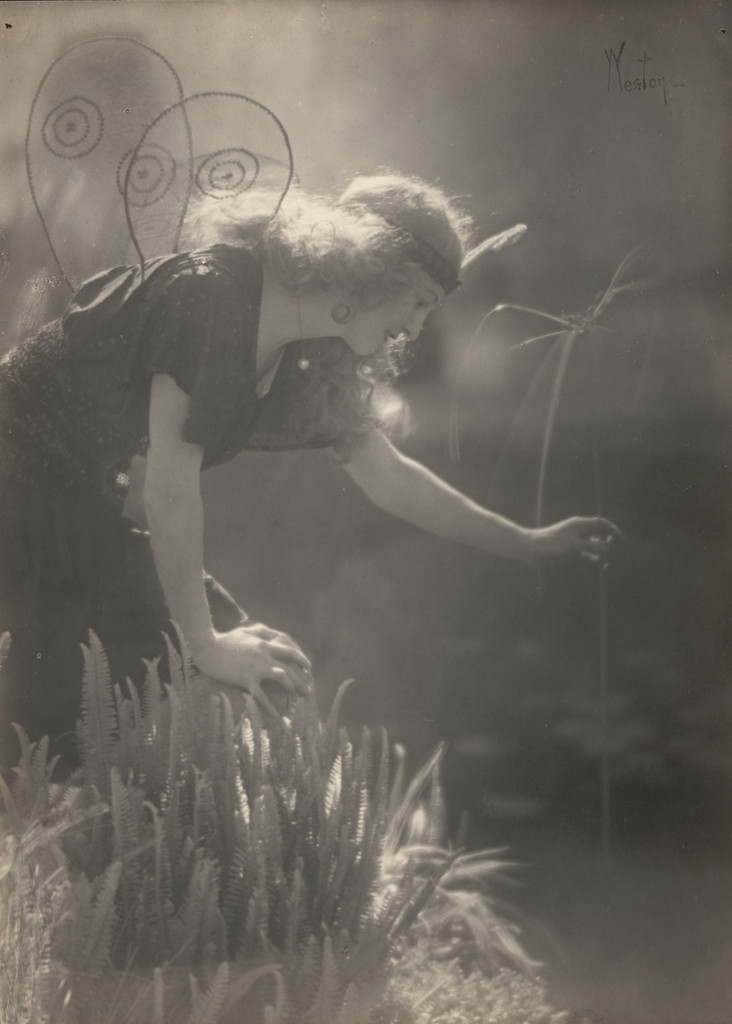
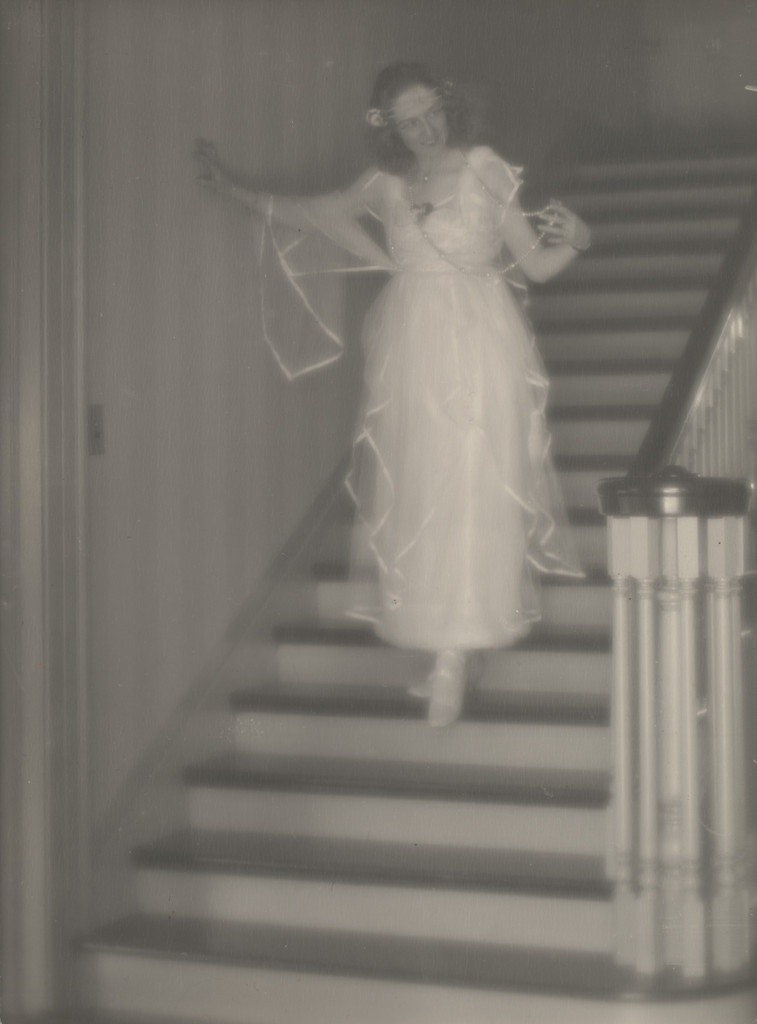
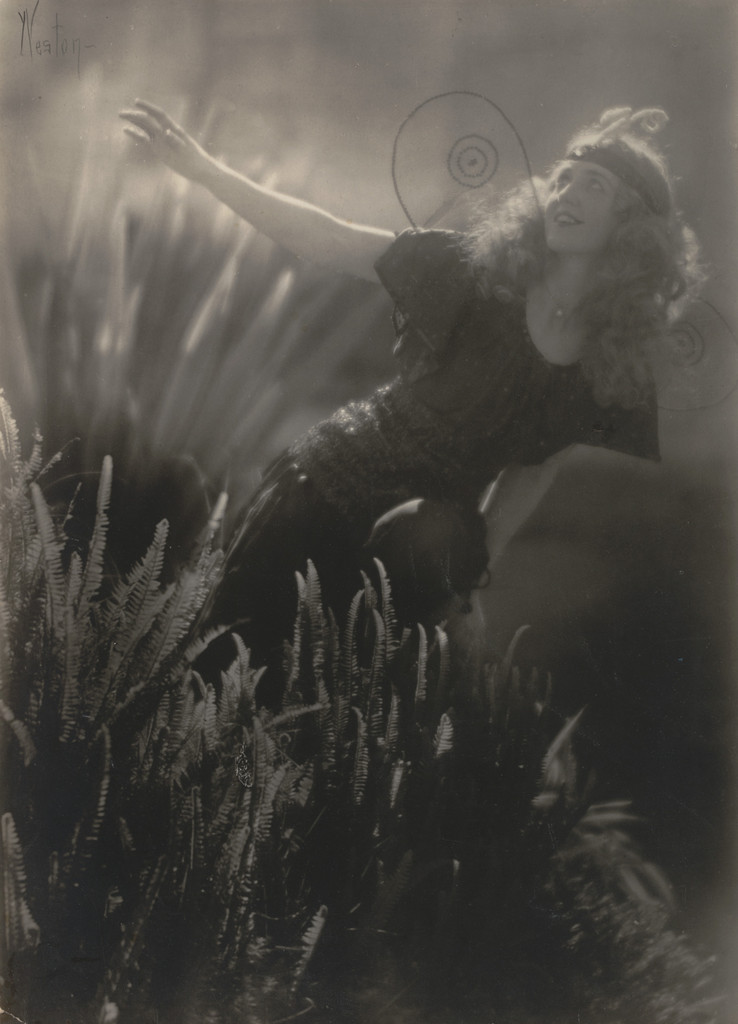
Violet Romer. (reaching for tall reed, wearing fairy costume), Edward Weston, c. 1917

Violet Romer. (reaching for tall reed, wearing fairy costume)

c. 1917 · Not on view · The Museum of Modern Art

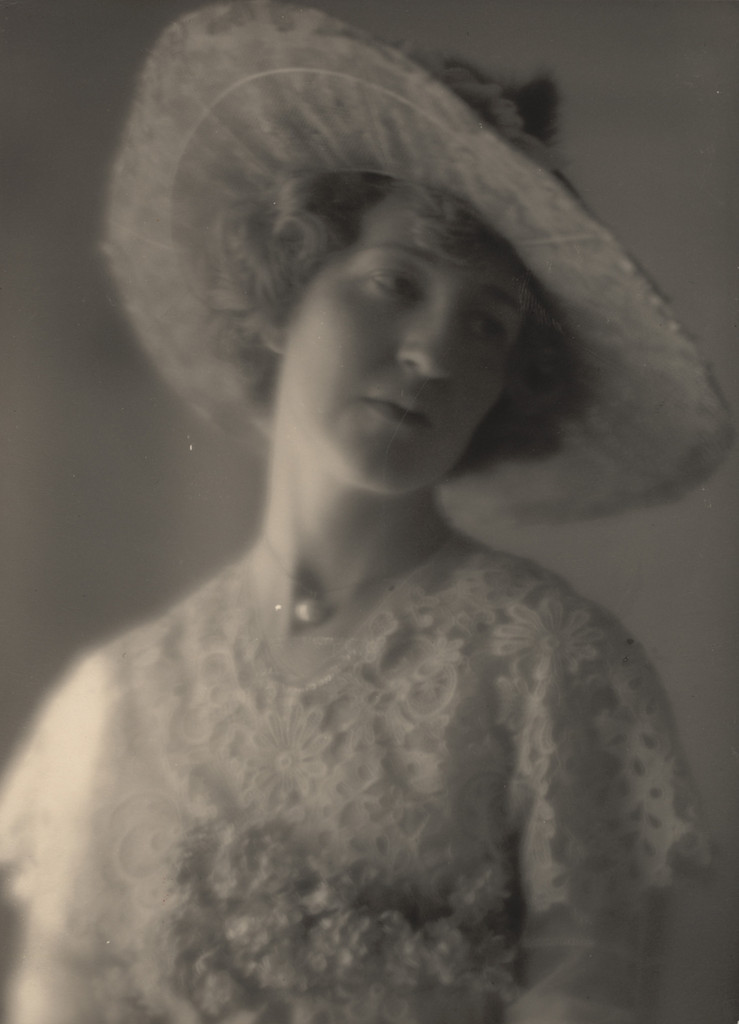
Violet Romer, Edward Weston, c. 1917

Violet Romer

c. 1917 · Not on view · The Museum of Modern Art

Violet Romer, Edward Weston, c. 1917

Violet Romer

c. 1917 · Not on view · The Museum of Modern Art

Violet Romer, Edward Weston, c. 1917

Violet Romer

c. 1917 · Not on view · The Museum of Modern Art

Violet Romer, Edward Weston, c. 1917

Violet Romer

c. 1917 · Not on view · The Museum of Modern Art

Neighbors at Minneapolis Institute of Art

Museum page
Olive Trees, Vincent van Gogh, 1889

Vincent van Gogh

Olive Trees, 1889

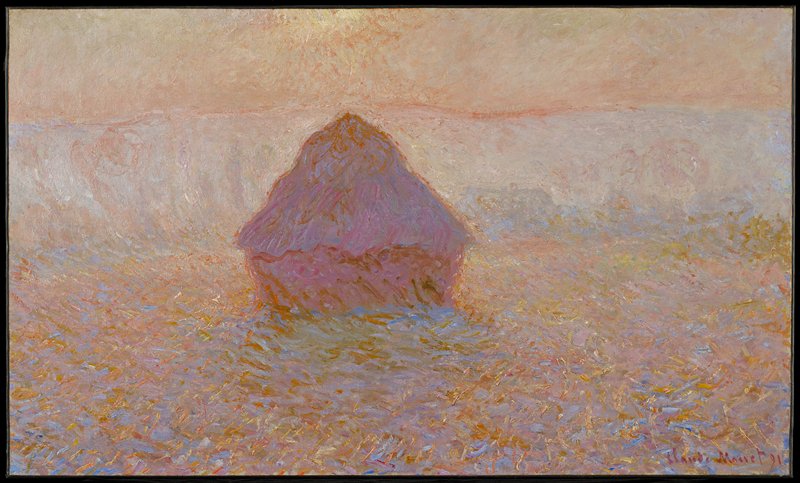
Grainstack, Sun in the Mist, Claude Monet, 1891

Claude Monet

Grainstack, Sun in the Mist, 1891

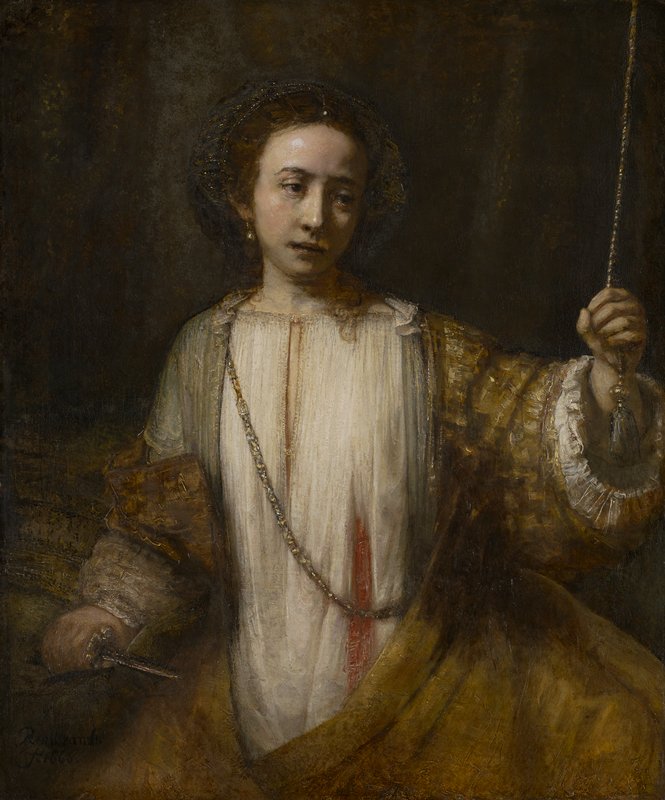
Lucretia, Rembrandt van Rijn, 1666

Rembrandt van Rijn

Lucretia, 1666

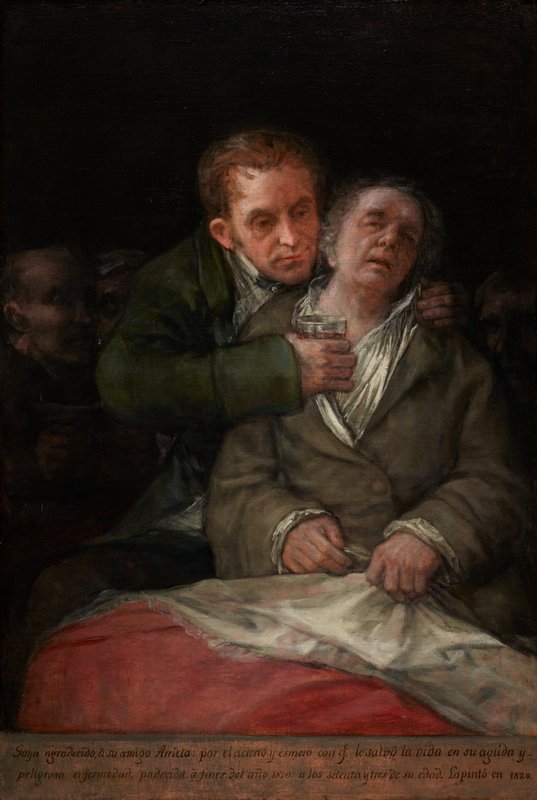
Self-Portrait with Dr. Arrieta, Francisco José de Goya y Lucientes, 1820

Francisco de Goya

Self-Portrait with Dr. Arrieta, 1820

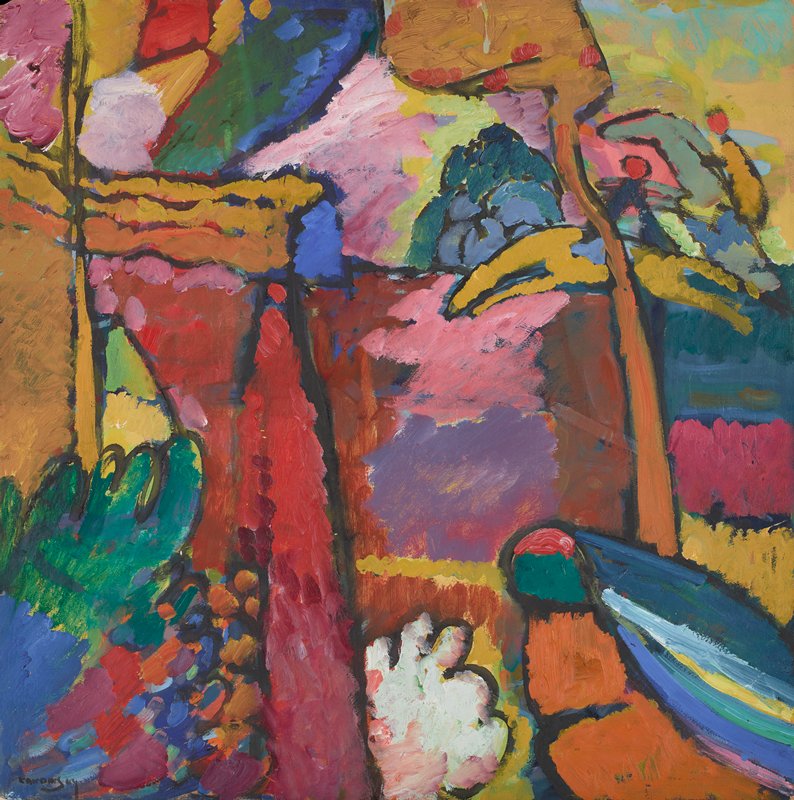
Study for Improvisation V, Vassily Kandinsky, 1910

Vasily Kandinsky

Study for Improvisation V, 1910

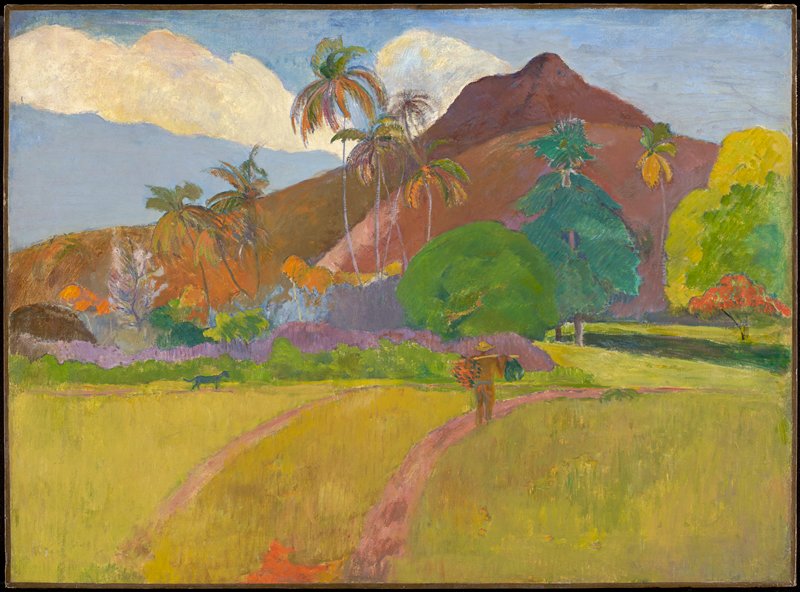
Tahitian Landscape, Paul Gauguin, 1891

Paul Gauguin

Tahitian Landscape, 1891

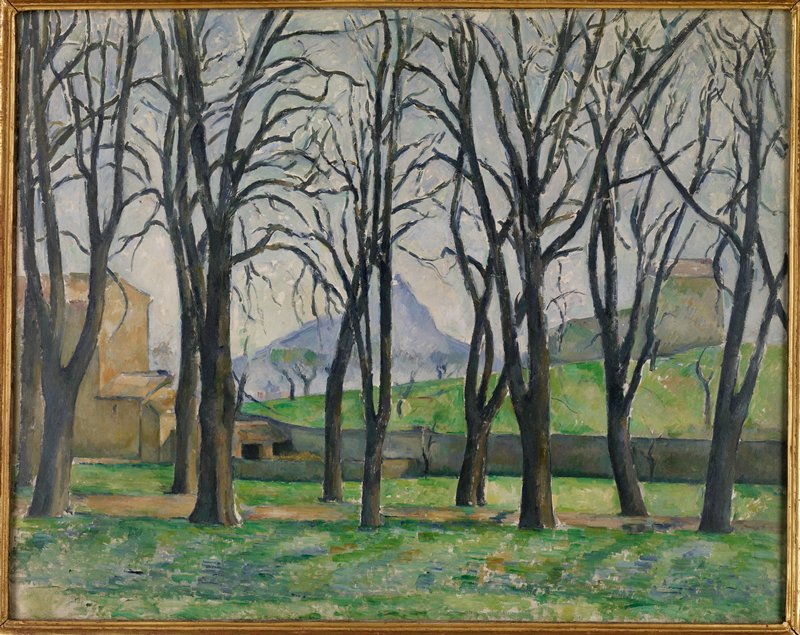
Chestnut Trees at Jas de Bouffan, Paul Cézanne, c. 1885–86

Paul Cézanne

Chestnut Trees at Jas de Bouffan, c. 1885–86

The Union of England and Scotland (Charles I as the Prince of Wales), Peter Paul Rubens, 1633–34

Peter Paul Rubens

The Union of England and Scotland (Charles I as the Prince of Wales), 1633–34