ART WIKI32,963 on view
MapCollectionArtistsMuseumsExhibitionsJournal
Sign in

ART WIKI

Where the masterpiece hangs, and when they let you in.

Collections: Art Institute of Chicago, Getty Villa, Harvard Art Museums, Hirshhorn Museum and Sculpture Garden, J. Paul Getty Museum, Minneapolis Institute of Art, Musée du Louvre, National Gallery of Art, National Museum of Asian Art, National Portrait Gallery (Smithsonian), Pushkin State Museum of Fine Arts, Rijksmuseum, Smithsonian American Art Museum, SMK — National Gallery of Denmark, State Hermitage Museum, State Russian Museum, The Cleveland Museum of Art, The Metropolitan Museum of Art, The Museum of Modern Art, Tretyakov Gallery, Victoria and Albert Museum, Whitney Museum of American Art, State Catalogue of the Museum Fund of Russia (274 museums), Europeana (19 museums), Wikidata (6 museums), Paris Musées (12 museums), and Joconde, the French Ministry of Culture's museum database (495 museums). Images belong to their rights holders.

Sections

  • Map
  • Search
  • Collection
  • Masterpieces
  • On view now
  • Artists

More

  • Museums & galleries
  • Exhibitions
  • Journal
  • Where the data comes from
  • Privacy & cookies
HomeMapBrowse
  1. Collection/
  2. Minneapolis Institute of Art/
  3. Peace Concluded
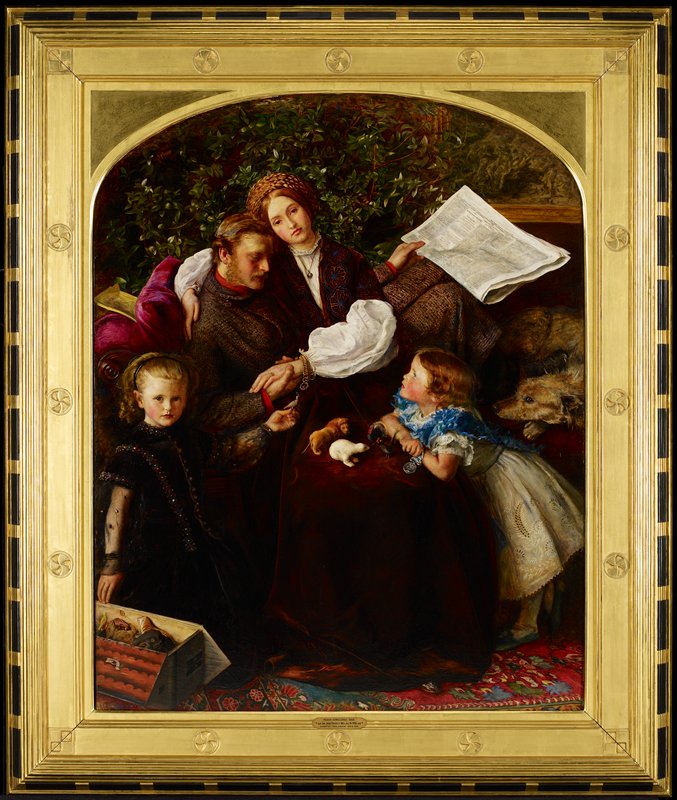
Peace Concluded, Sir John Everett Millais, 1856
John Everett Millais, portraitJohn Everett MillaisBritish, 1829–1896

Peace Concluded

1856 · Painting · 116.84 × 91.44 cm

May one see it?

Yes, receiving visitors

Minneapolis Institute of Art

Minneapolis, United States

RoomG357

On public display.

Checked
3 days ago
In this state since
Sep 25, 2026
Source
The museum
On the mapMuseum page

About the painting

Peace Concluded, 1856 (1856) is a painting by John Everett Millais which depicts a wounded British officer reading The Times newspaper's report of the end of the Crimean War. It was exhibited at the Royal Academy in 1856 to mixed reviews, but was strongly endorsed by the critic John Ruskin who proclaimed that in the future it would be recognised as "among the world's best masterpieces". The central figure in the painting is a portrait of Millais's wife Effie Gray, who had previously been married to Ruskin. It is now in the Minneapolis Institute of Arts.

Wikipedia · CC BY-SA

In the museum's words

At first glance this appears to be a family portrait complete with realistic details of middle-class English decor. In fact, it is a staged scene of domestic harmony, celebrating the end of the Crimean War. The father, a wounded officer, holds a copy of the Times announcing the war's end. One daughter clasps his combat medal. On the mother's lap, four animals from the toy Noah's Ark represent the four belligerents: Britain (lion), Russia (bear), the Ottoman Empire (turkey), and France (rooster). The girl at the left holds a dove with an olive branch in its beak, a symbol of peace. Millais belonged to a group of English painters called the Pre-Raphaelite Brotherhood. Their work emphasized close observation of nature and the depiction of contemporary events.

Minneapolis Institute of Art

Particulars

1856 · aged 27
18291896
Accession number
69.48

In the catalog

PaintingsOilBritish paintingRealism19th centuryEngland

Sources

  • Minneapolis Institute of Art
  • Image: Minneapolis Institute of Art — public domain

Meanwhile, in the life of John Everett Millais

The whole life
  1. 3 July 1855

    Married: Effie Gray

  2. 1855–1857

    After his marriage he changes manner: faster and dearer

    Marriage changed Millais: to support his growing family he began to paint more quickly and in greater quantity and to sell his pictures dearly, moving away from Pre-Raphaelite principles. Effie became a powerful promoter of his work, and together they secured commissions and widened their circle; he gained great popularity and a fortune (up to £30,000 a year), while William Morris and other critics accused him of selling out.

  3. 30 May 1856

    Son born: Sir Everett Millais, 2nd Baronet

  4. 1857

    Ruskin calls “Sir Isumbras” a catastrophe

    Ruskin called Sir Isumbras (1857), in which Millais had departed sharply from Pre-Raphaelite technique, not even a failure but a catastrophe.

  5. 19 September 1857

    Son born: George Gray Millais

  6. 28 November 1858

    Daughter born: Effie Gray Millais

More by John Everett Millais

All works
The Ransom, John Everett Millais, 1860–1862

The Ransom

1860–1862 · J. Paul Getty Museum

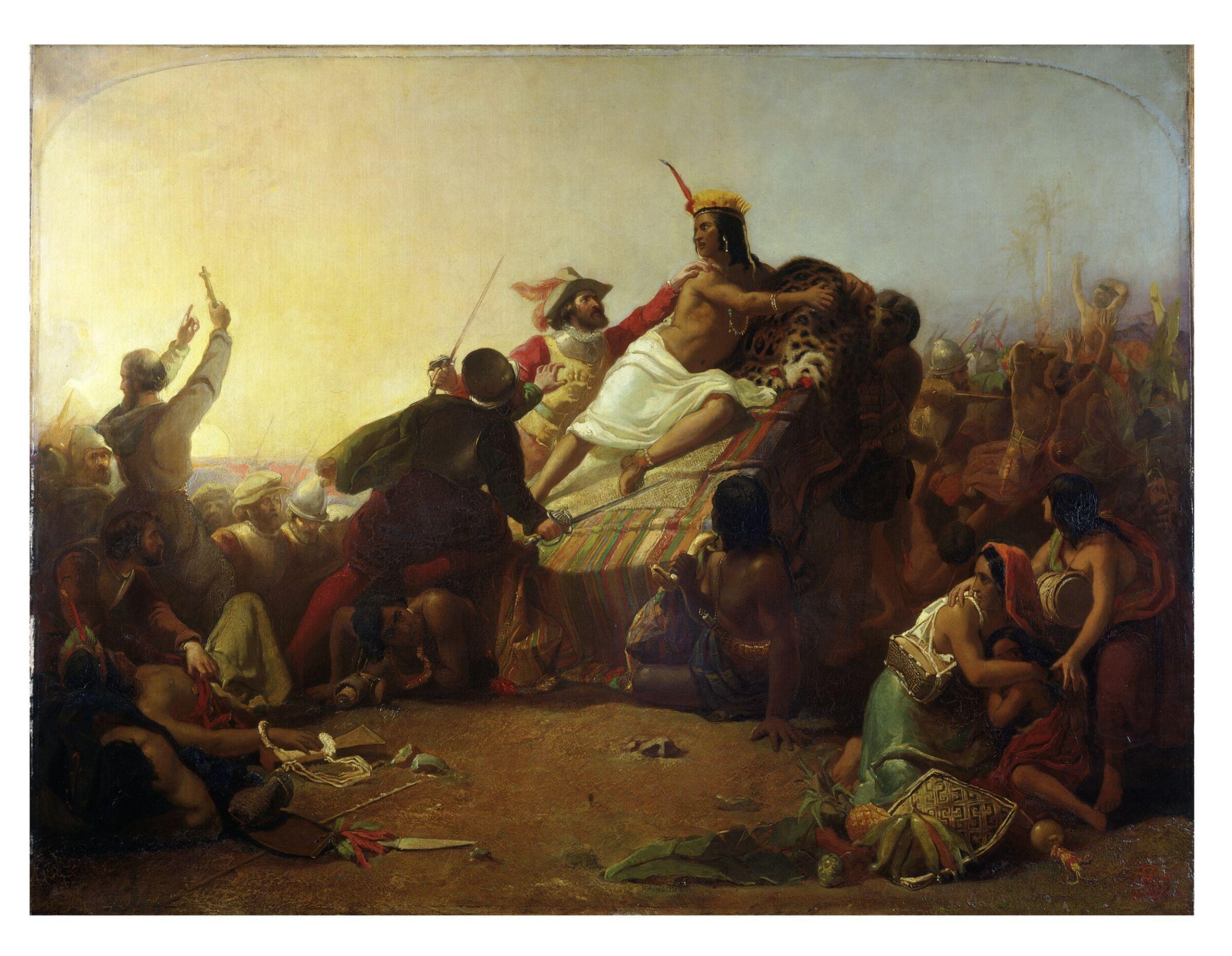
Pizarro Seizing the Inca of Peru, John Everett Millais, 1846

Pizarro Seizing the Inca of Peru

1846 · Victoria and Albert Museum

Ophelia, John Everett Millais, 1851

Ophelia

1851 · The National Gallery

Miss Anne Ryan, John Everett Millais

Miss Anne Ryan

The National Gallery

The Order of Release, John Everett Millais, 1850s

The Order of Release

1850s · The National Gallery

The Vale of Rest, John Everett Millais, 1850s

The Vale of Rest

1850s · The National Gallery

Lovers under a Tree, John Everett Millais, 1840

Lovers under a Tree

1840 · Not on view · National Gallery of Art

Ex libris van onbekend, mogelijk Sir Christopher Sykes, John Everett Millais, 1841 - 1896

Ex libris van onbekend, mogelijk Sir Christopher Sykes

1841 - 1896 · Rijksmuseum

In the same room · G357, Minneapolis Institute of Art

Museum page
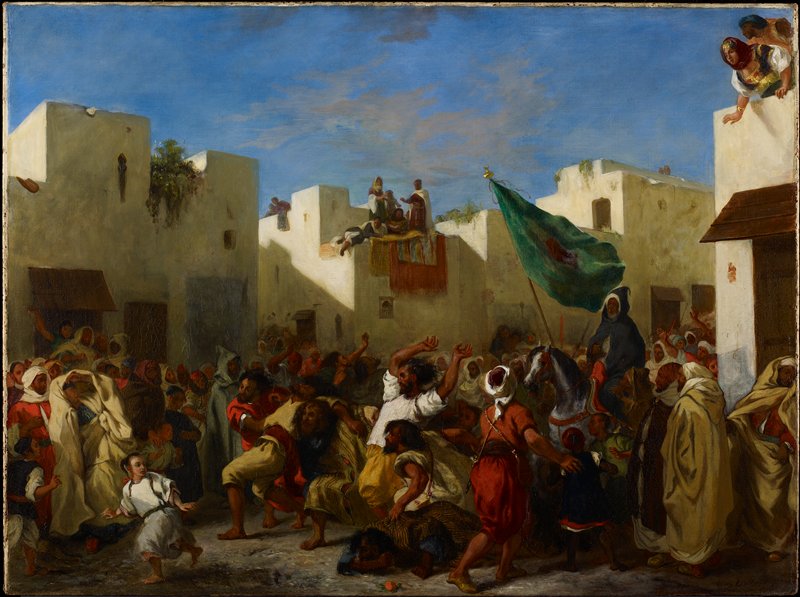
Convulsionists of Tangier, Eugène Delacroix, 1837–38

Eugène Delacroix

Convulsionists of Tangier, 1837–38

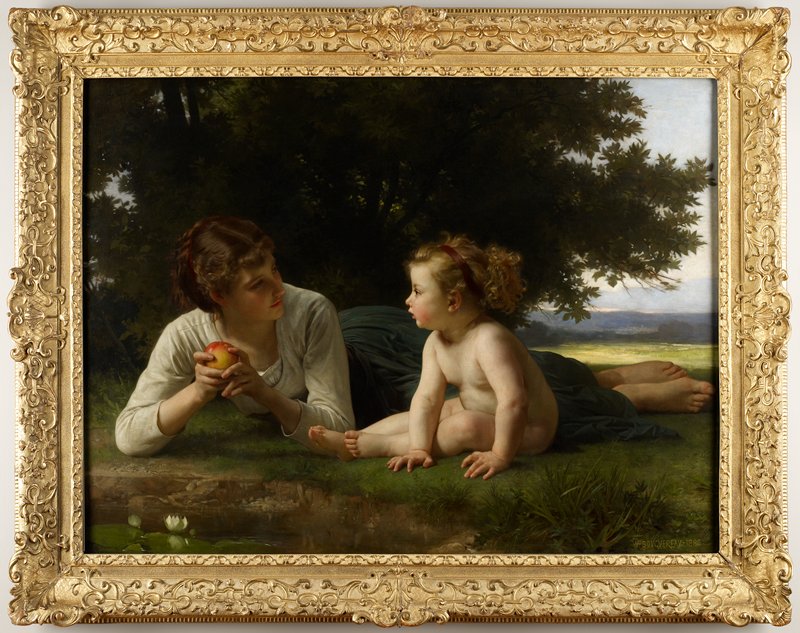
Temptation, William-Adolphe Bouguereau, 1880

William-Adolphe Bouguereau

Temptation, 1880

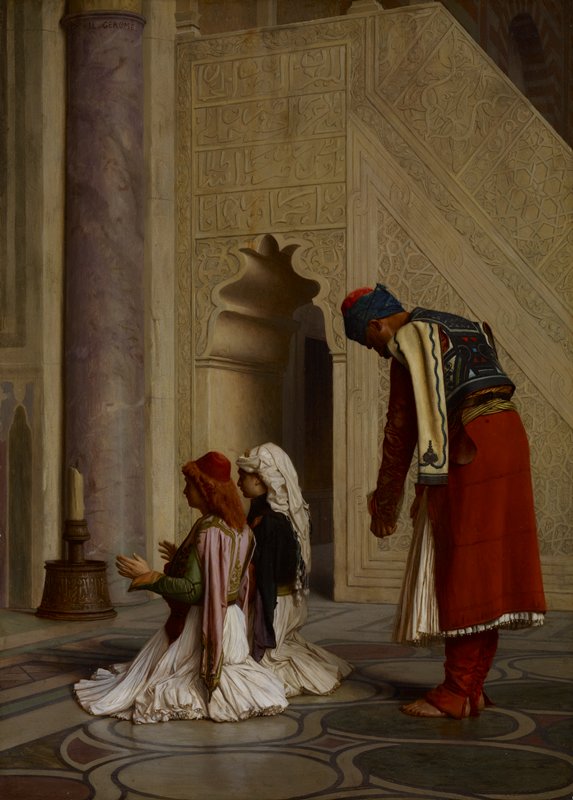
Young Greeks in the Mosque, Jean-Léon Gérôme, 1865

Jean-Léon Gérôme

Young Greeks in the Mosque, 1865

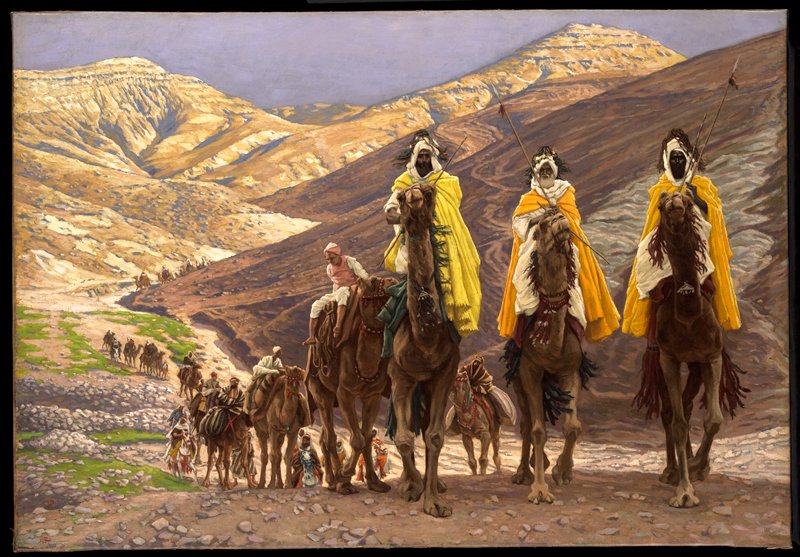
Journey of the Magi, James Tissot, c. 1894

James Jacques Joseph Tissot

Journey of the Magi, c. 1894

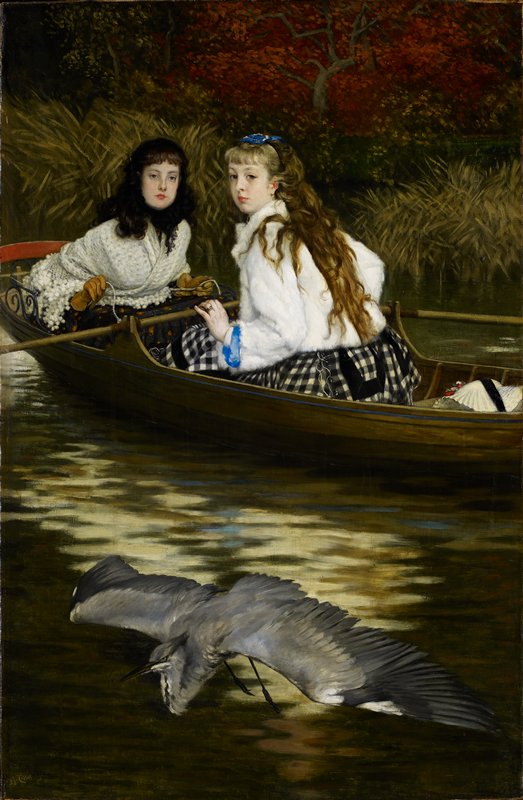
On the Thames, a Heron, James Tissot, c. 1871–72

James Jacques Joseph Tissot

On the Thames, a Heron, c. 1871–72

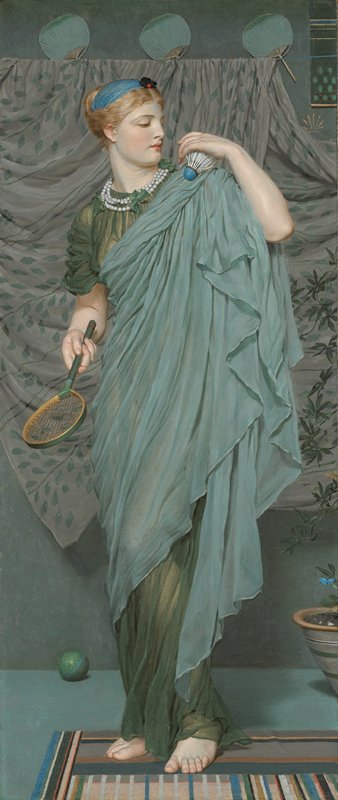
Battledore, Albert Joseph Moore, 1868–70

Albert Joseph Moore

Battledore, 1868–70

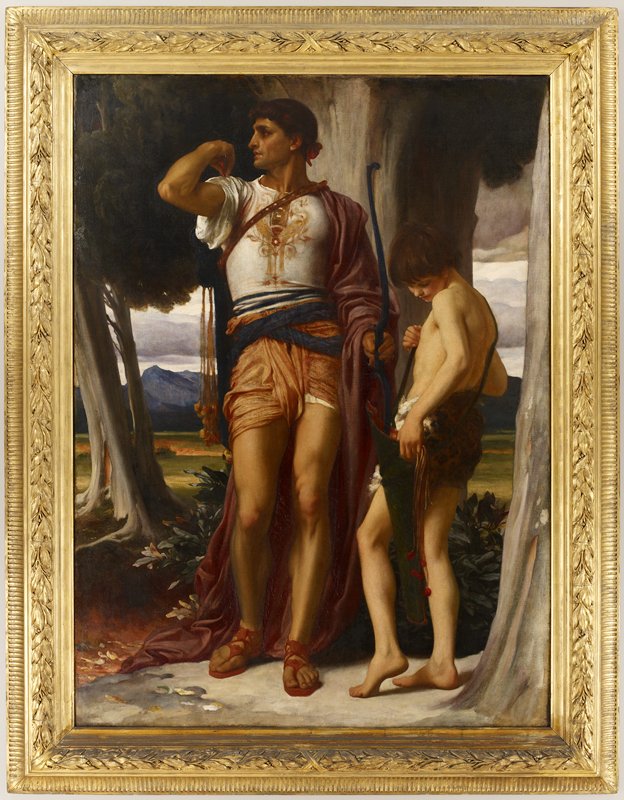
Jonathan’s Token to David, Frederic Leighton, 1st Baron Leighton of Stretton, c. 1868

Frederic, Lord Leighton

Jonathan’s Token to David, c. 1868

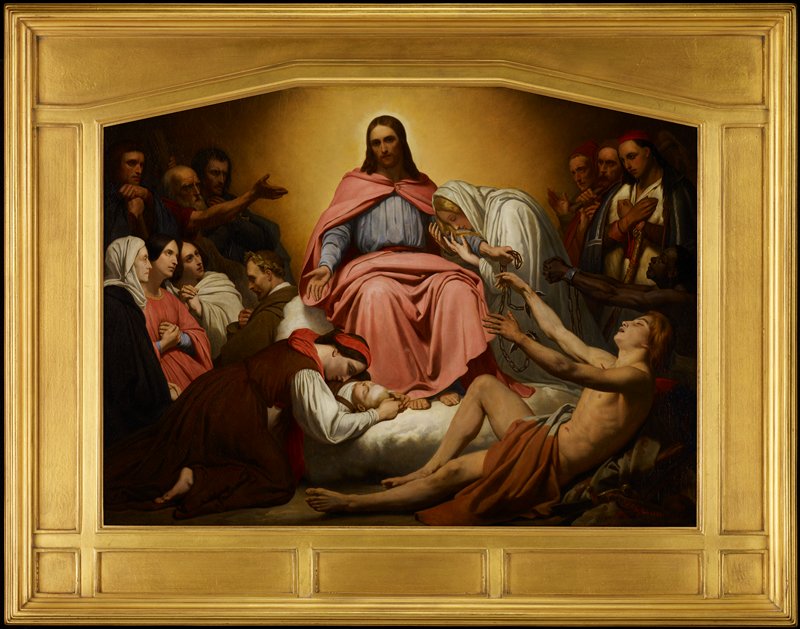
Christus Consolator, Ary Scheffer, 1851

Ary Scheffer

Christus Consolator, 1851