Paulus PotterDutch, 1625–1654
Orpheus and the Animals
Can I see it?
Yes, on view now
Where is “Orpheus and the Animals” now? Rijksmuseum, Room 2.28 · Painting, Amsterdam. Yes, on view now. Checked September 29, 2026.

Open now· until 5:00 PM
On public display.
- Checked
- In this state since
- Source
- The museum
About the painting
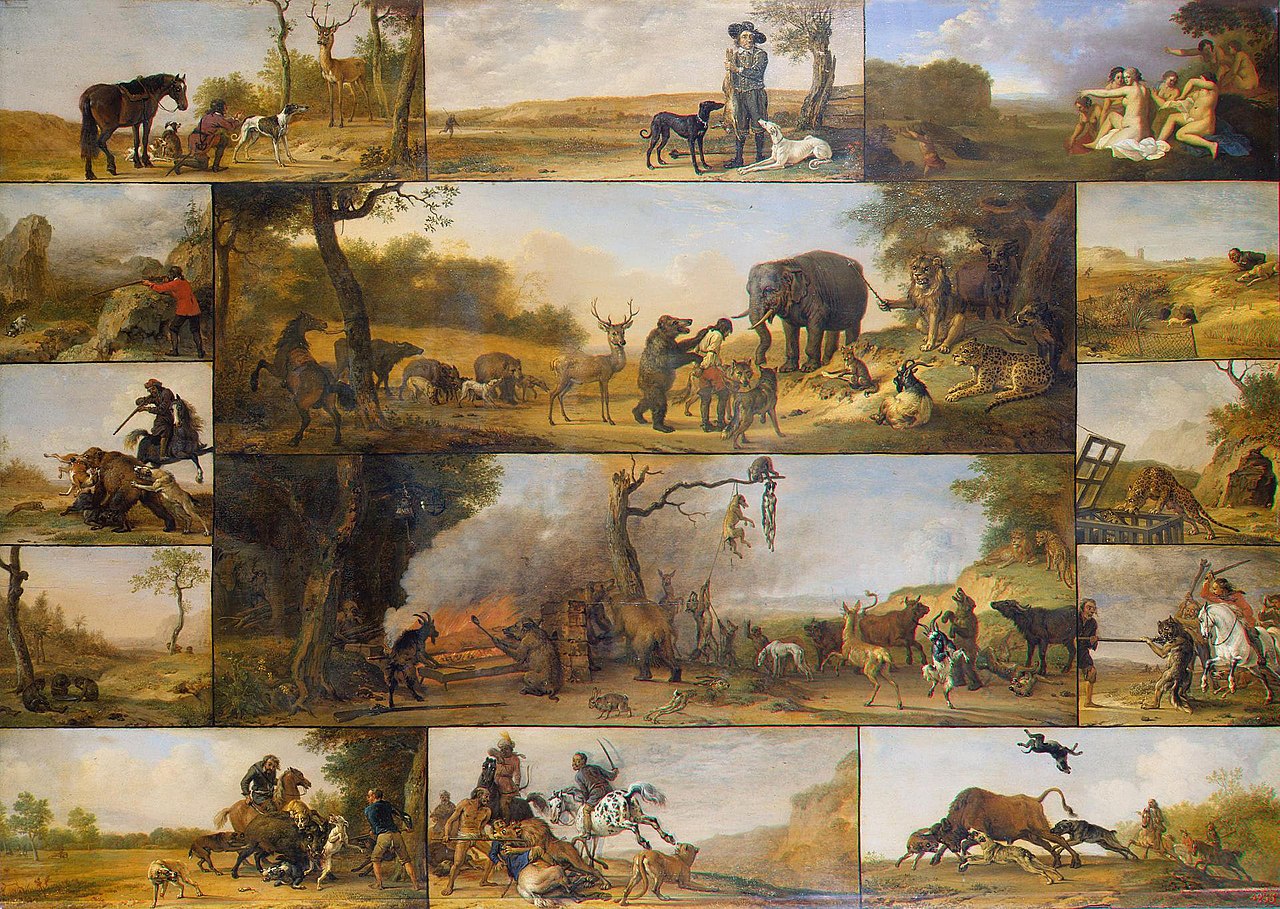
The Classical poet Ovid described how Orpheus en-chanted nature with his wonderful lyre music. This theme was popular among 17th-century animal painters because it gave them a chance to depict many different sorts of animals. Here Potter demonstrates that his repertoire encompassed more than the usual farm animals. He painted dozens of native and exotic beasts. In the middle Orpheus is strumming his harp.
Rijksmuseum
Details
- Accession number
- SK-A-317
What it shows
In the catalog
Display history
On view · Room 2.28 · Painting
Rijksmuseum · Sep 29, 2026 — now · Verified
Whether it was on view is unknown
Rijksmuseum · Unconfirmed
Sources
- Rijksmuseum
- Image: Rijksmuseum — public domain
In the life of Paulus Potter
The whole life1649
Moves to The Hague: a house from van Goyen
Potter rents a house in The Hague from the painter Jan van Goyen and joins the local painters' guild; for several years he lives next door to van Goyen.
1649–1652 · Workplace
The Hague
3 July 1650
Marries Adriana van Balckeneynde
Potter marries Adriana van Balckeneynde, daughter of the Hague master carpenter and building contractor Claes Dircksz, who lived nearby; his father-in-law introduces him to the Dutch elite. None of their children will reach adulthood.
1 May 1652
Moves to Amsterdam at Tulp's invitation
At the invitation of the physician Nicolaes Tulp, who already owned a number of his paintings, Potter goes to Amsterdam. Impressed by the artist's civilized behaviour and politeness, Tulp has him paint his son Dirck as a noble equestrian, life-size, with the head painted on a portrait originally intended for someone else.
1652–1654 · Workplace
Amsterdam