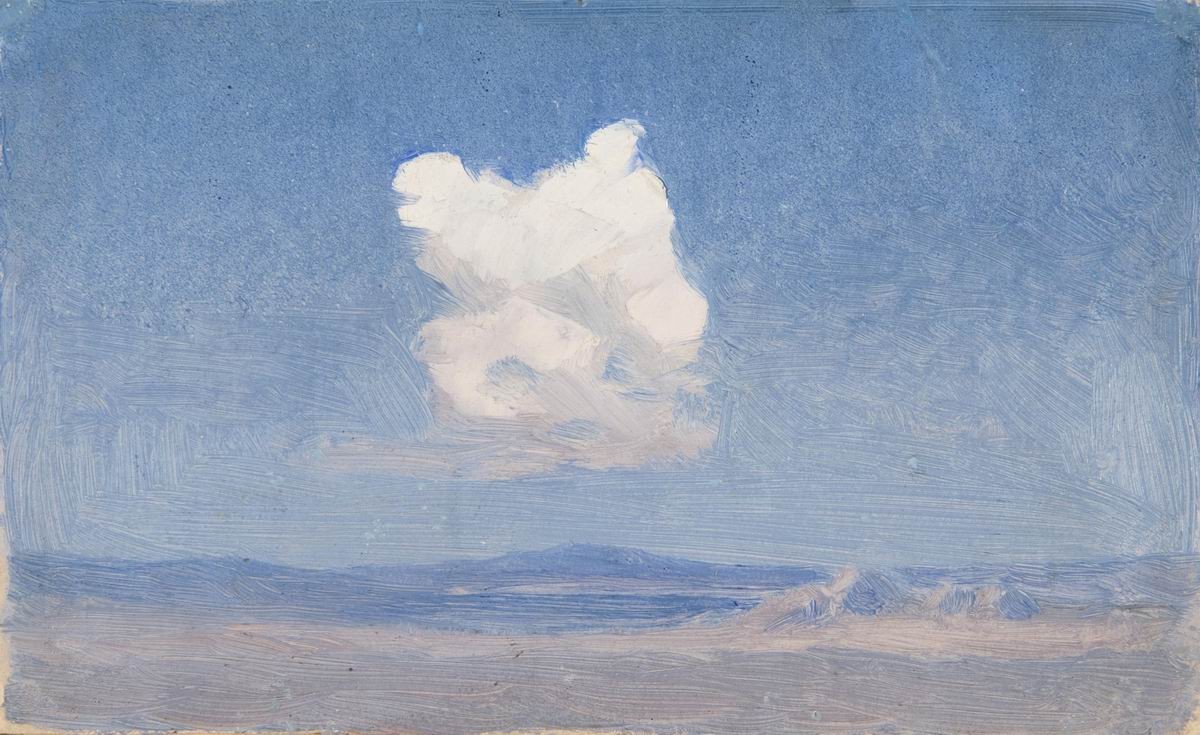
 Arkhip KuindzhiUkrainian, 1842–1910
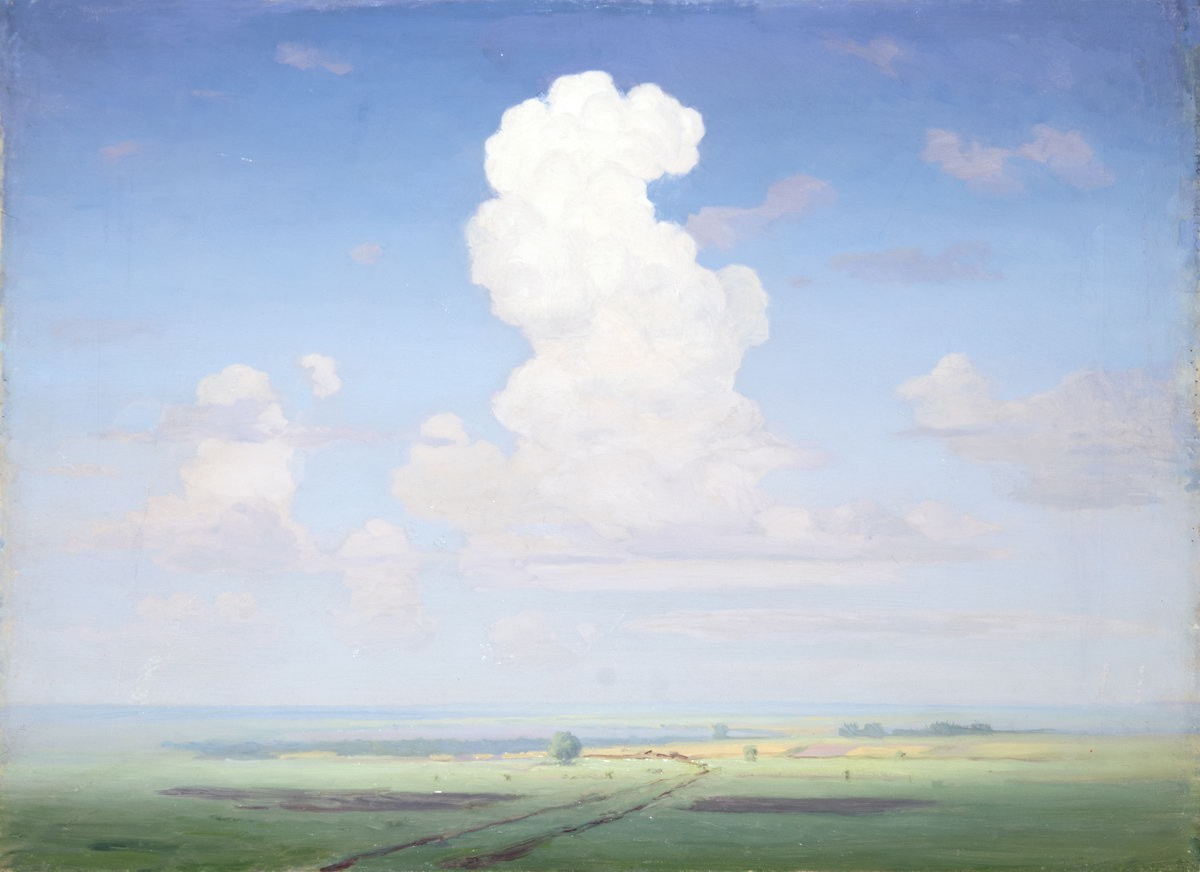
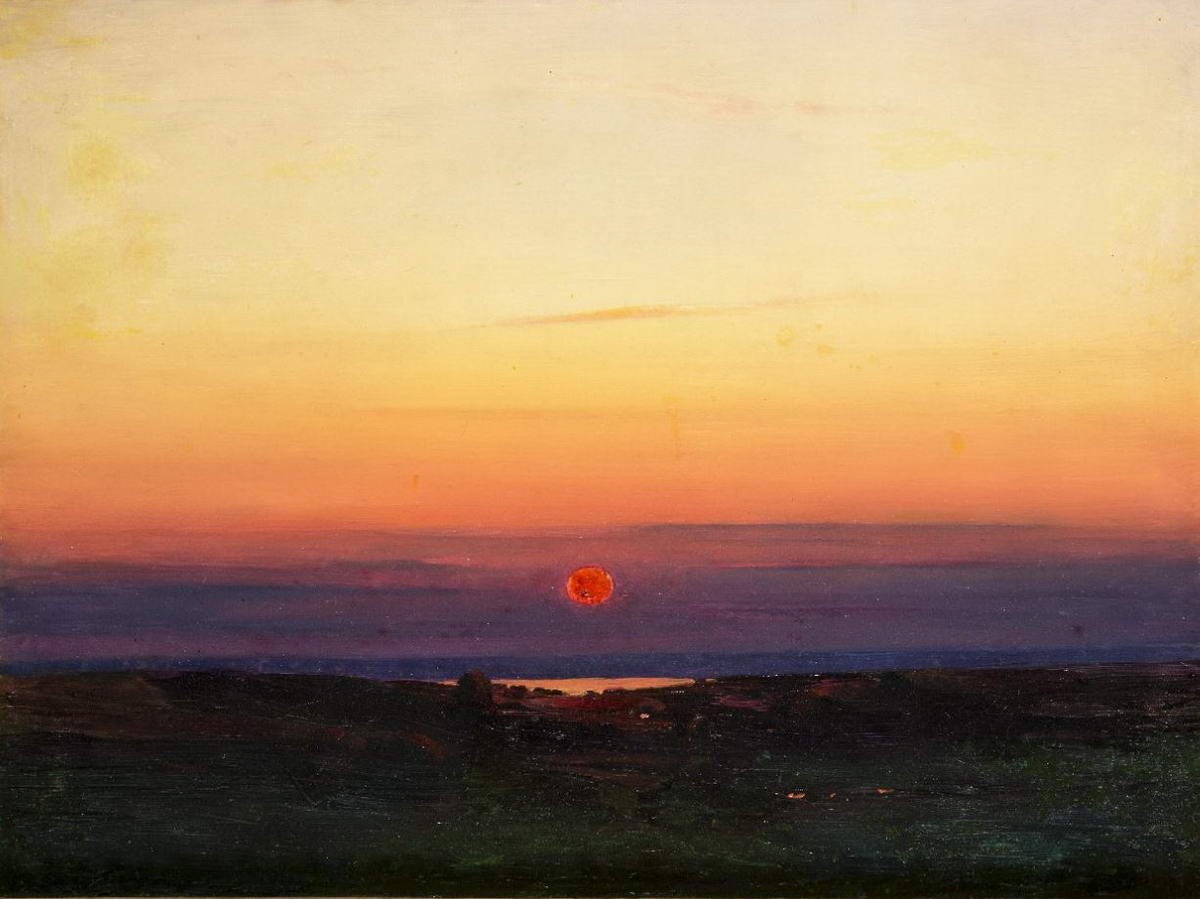
Облако
Can I see it?
Unknown
Where is “Облако” now? Collection: State Russian Museum, Saint Petersburg. Unknown.

Saint Petersburg, Russia
The owner is known; whether it is on view today is not.
- In this state since
- Source
- The museum
Details
- Accession number
- ЖБ-23
What it shows
In the catalog
Sources
- State Russian Museum
- Image: State Russian Museum — © State Russian Museum
In the life of Arkhip Kuindzhi
The whole life1882–1901
Twenty years of seclusion
The reasons for the seclusion are unknown; he was probably tired of the fuss and of accusations of cheap effects. The public thought he had exhausted himself, but he worked tirelessly, searching for pigments and grounds resistant to the air, and created about five hundred sketches and finished works and about three hundred graphic works.
1888
To the Caucasus with Yaroshenko: the Brocken spectre
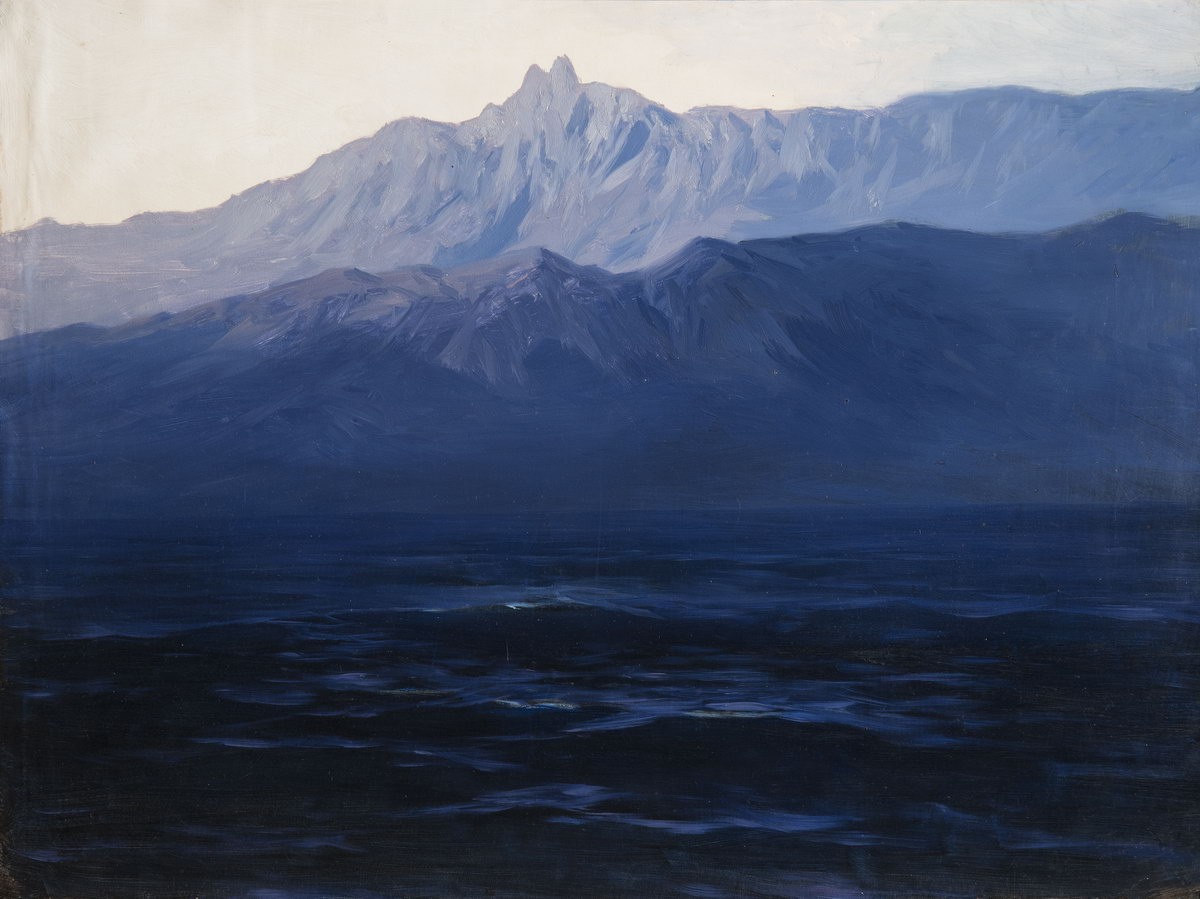
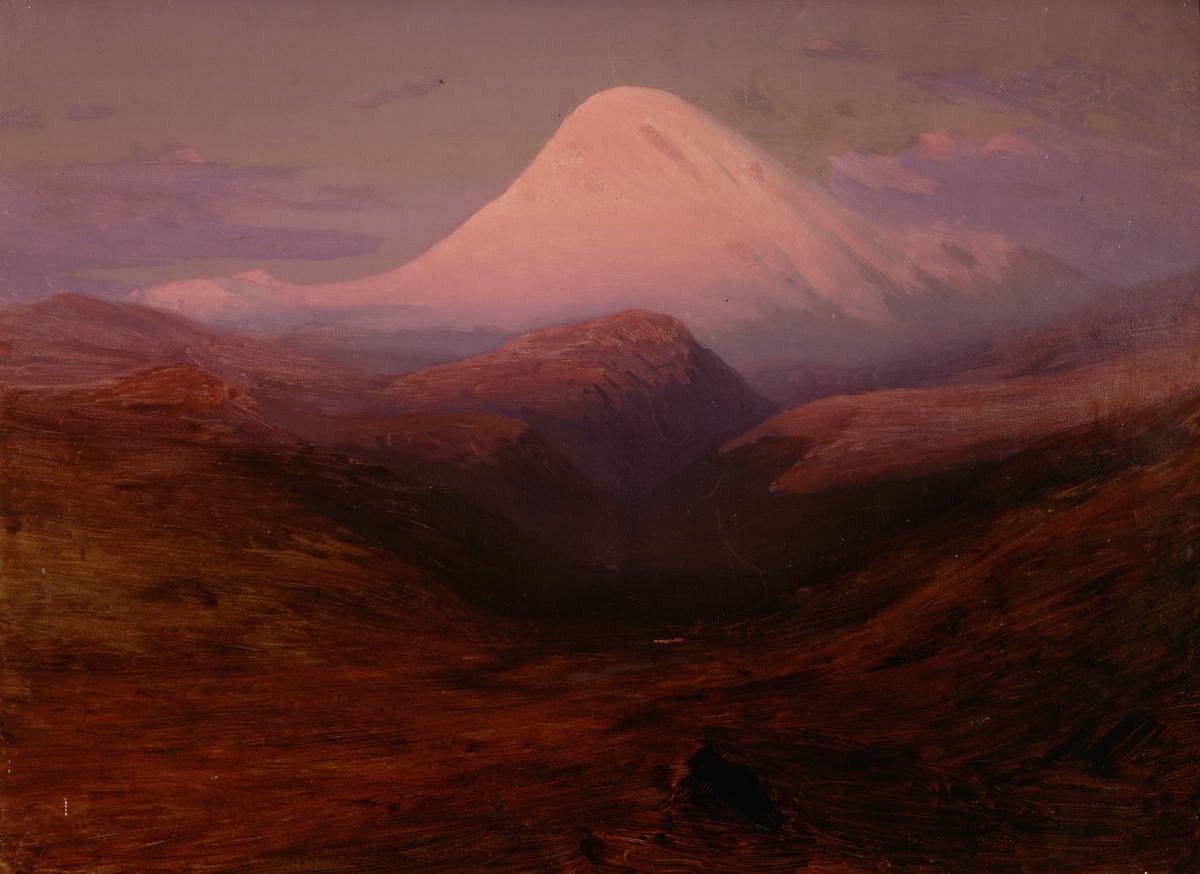
In 1888, at the invitation of Nikolai Yaroshenko, Kuindzhi visited the Caucasus, where they witnessed the very rare mountain phenomenon of the Brocken spectre. Inspired by the trip, he painted a series of mountain landscapes in which the Caucasus is a symbol of an ideal, unattainable land; some researchers think they inspired Roerich’s Himalayan landscapes.
1894–1897
Heads the landscape studio of the Higher Art School
From 1894 to 1897 Kuindzhi was professor-head of the landscape studio of the Higher Art School at the Academy of Arts.
1897
Dismissed for supporting his students’ protests
In 1897 Kuindzhi was dismissed from the Academy for supporting the students’ protests.
1901
Breaks his seclusion: four paintings
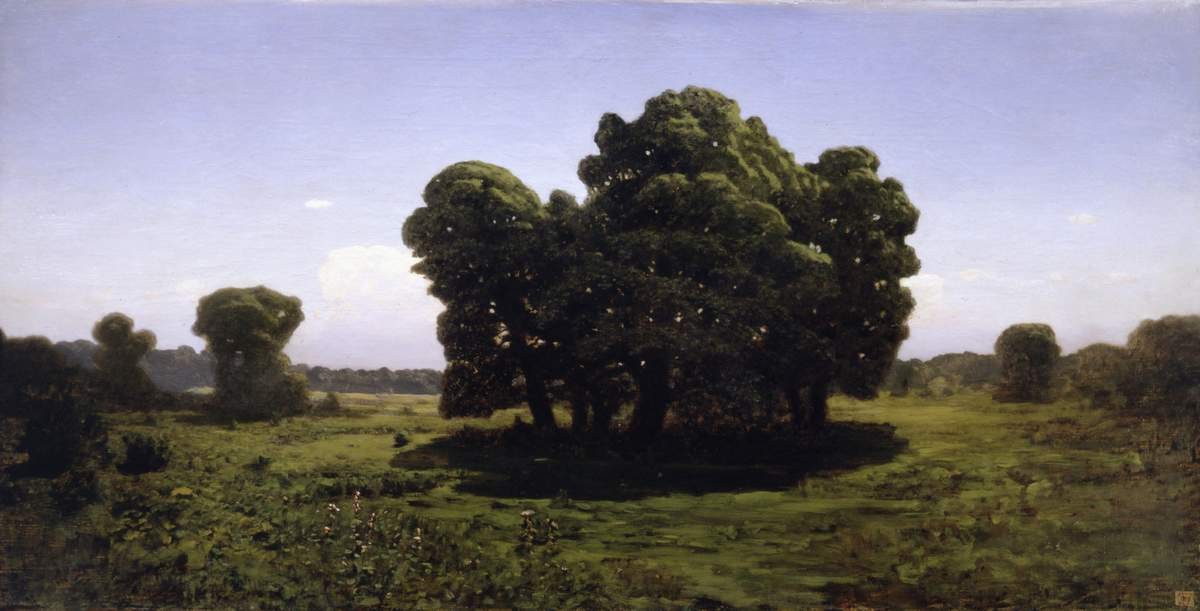
In 1901 Kuindzhi showed his students, and then some friends, four paintings: the finished “Evening in Ukraine”, “Christ in the Garden of Gethsemane”, the third version of “The Birch Grove” and the already known “The Dnieper in the Morning”. The viewers were enraptured, and people talked of the artist again.
November 1901
The last public exhibition
In November 1901 the last public exhibition of Kuindzhi’s work took place; after it nobody saw his new paintings until his death. Witnesses explained this by his fear of sceptical visitors, but the explanation satisfied few.