 Edward HopperAmerican, 1882–1967
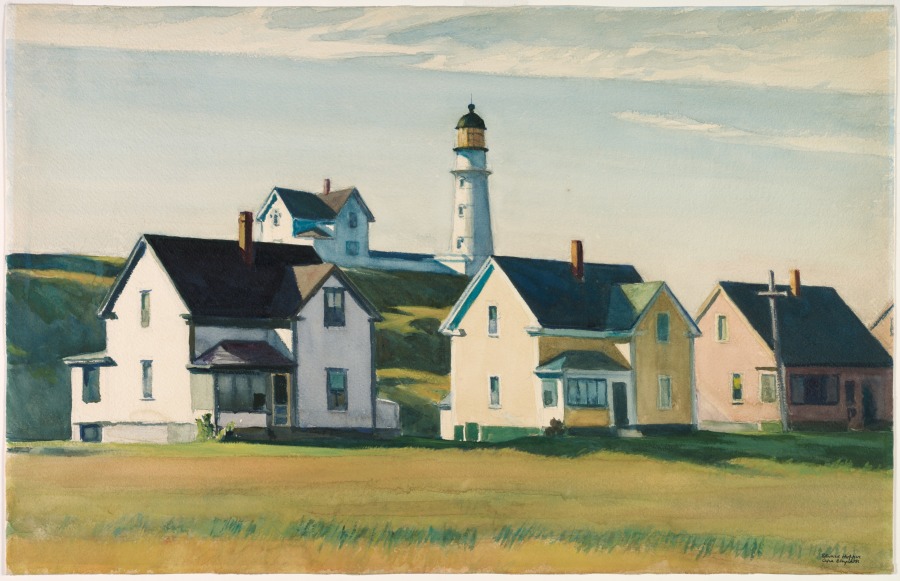
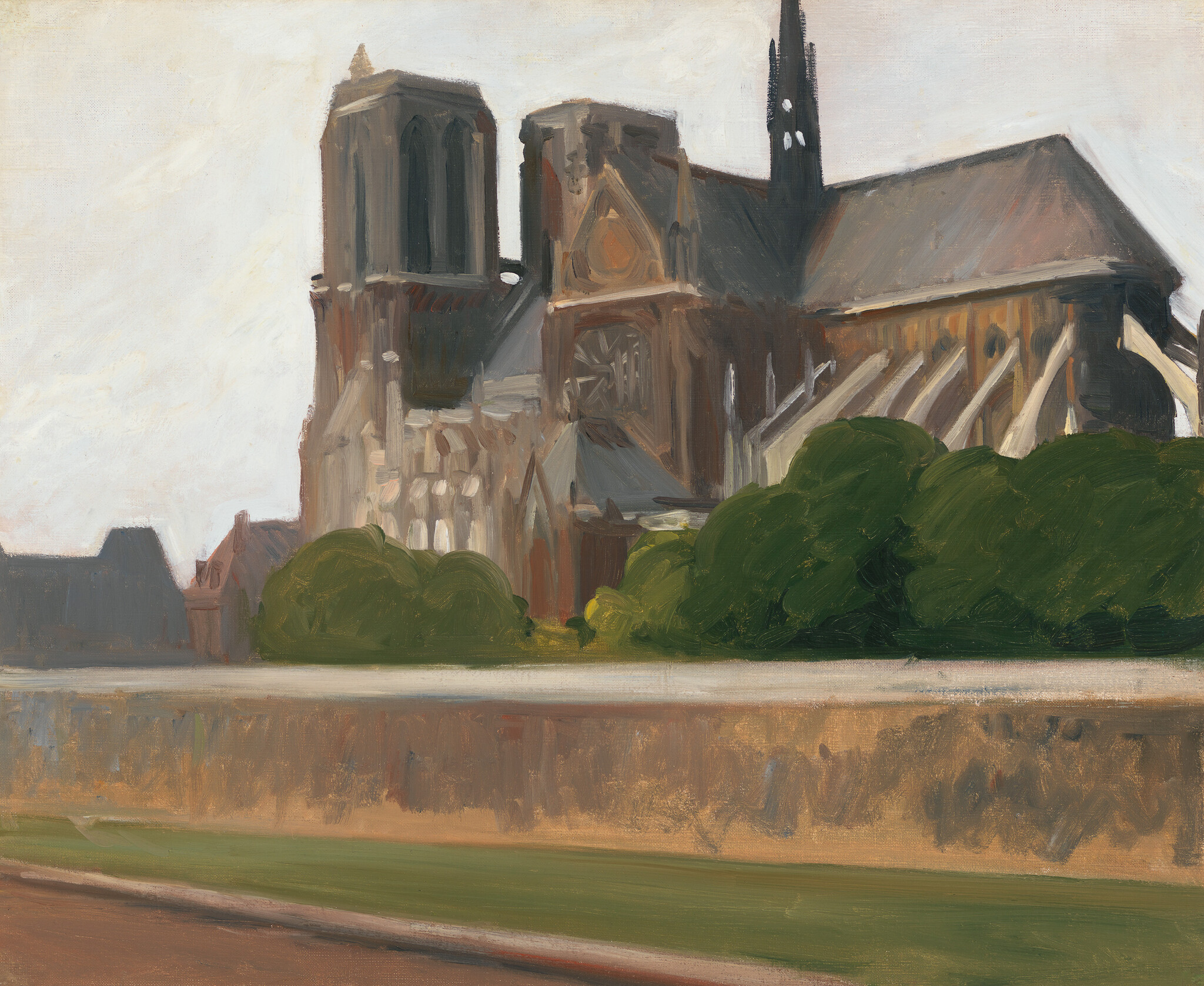
Notre Dame, No. 2
May one see it?
Not receiving at present

New York, United States
It belongs to the collection, but is not on display at present.
- Checked
- Source
- The museum
Particulars
- Accession number
- 70.1222
In the catalog
Sources
- Whitney Museum of American Art
- Image: Whitney Museum of American Art — © the artist or rights holder
Meanwhile, in the life of Edward Hopper
The whole life22 July 1882 – 1910 · Residence
Edward Hopper Birthplace and Boyhood Home
1899–1905
The school of Chase and Henri: not the subject, but how you feel about it
At the New York School of Art and Design, where he spends six years, William Merritt Chase teaches him oil painting and at first Hopper models his style on Chase, Manet and Degas, while sketching from live models proves shocking for the conservatively raised young man. Robert Henri, who teaches the life class, urges his students to “make a stir in the world” and teaches that it is not the subject that counts but what you feel about it.
1900–1906 · Education
Parsons School of Design
1905
Meeting Josephine Nivison
In Robert Henri's classes Hopper meets his future wife, the artist Josephine Nivison; in 1914 both stay at the same boarding house in Ogunquit, but they will grow close only in 1923.
1905
A job at an advertising agency: trade-magazine covers
In 1905 Hopper lands a part-time job at the advertising agency C. C. Phillips and Company, where he designs covers for trade magazines such as the New York Edison Bulletin. He comes to detest illustration but economic necessity keeps him in it until the mid-1920s.
1906–1910
Three trips to Europe, centred on Paris
Ostensibly to study art, Hopper makes three trips to Europe, each centred on Paris, with visits to London, Berlin and Amsterdam: in fact he mostly works alone, drawing street and café scenes and going to the theatre and opera, little affected by the new currents. He is highly impressed by Rembrandt, particularly the Night Watch, and later claims few European influences other than Rembrandt, Goya and the French engraver Charles Meryon, whose moody Paris scenes he imitated.